
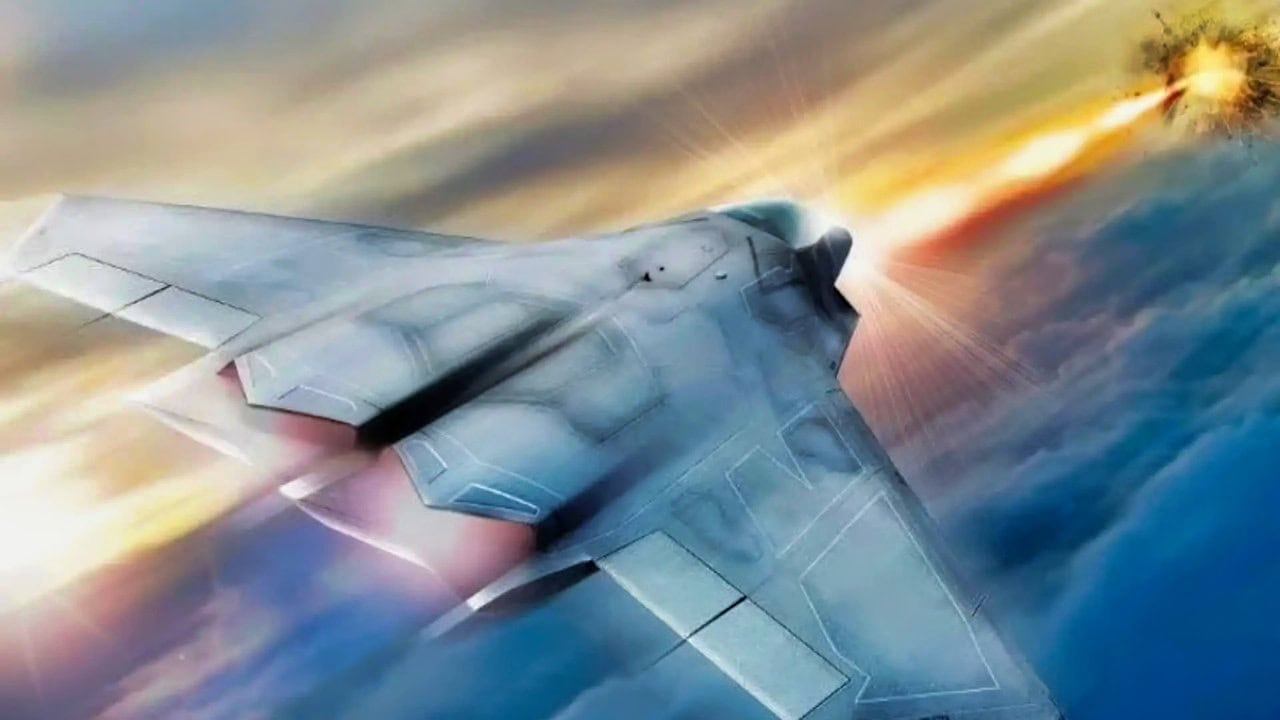
Synopsis: The long-held vision of operating drones directly from fighter cockpits has arrived with the U.S. Air Force’s Next-Generation Air Dominance (NGAD) program and its new 6th-generation stealth fighter, the F-47.
-Validating predictions made over a decade ago by former Chief Scientist Dr. Gregory Zacharias, the F-47 is designed not just for air superiority, but as a flying “command and control” node for a “family of systems.”
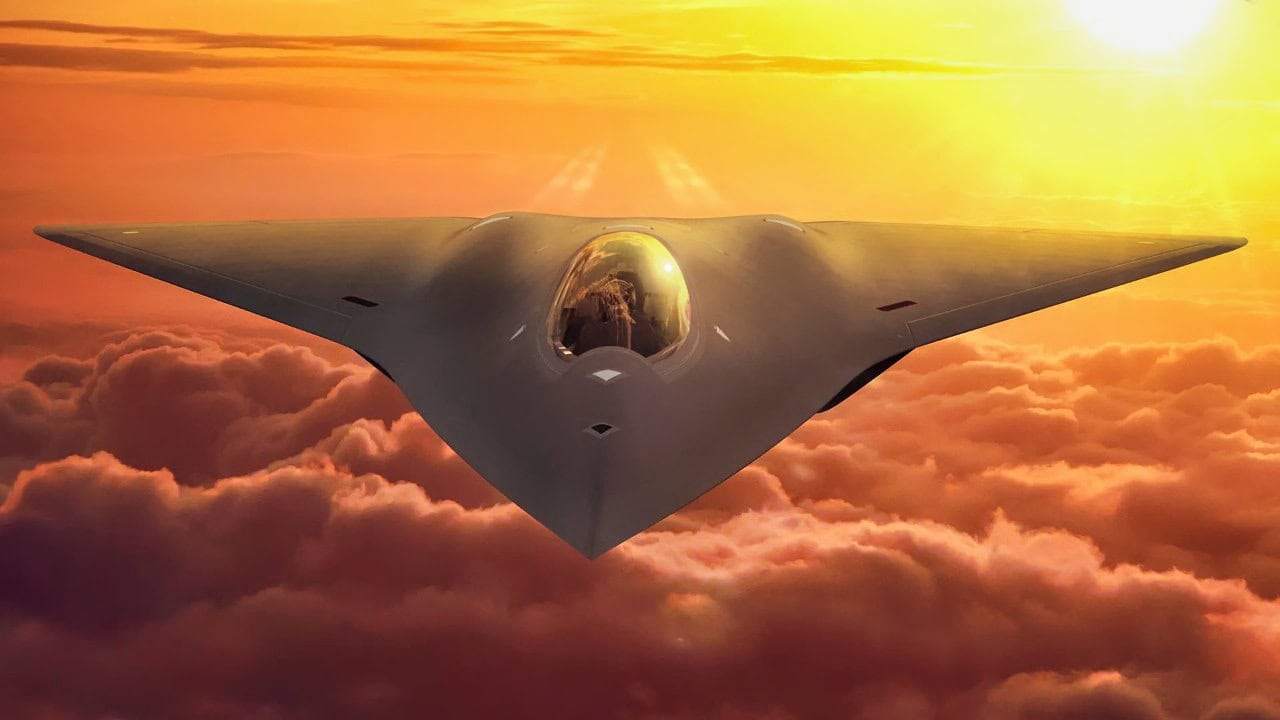
NGAD Fighter via Lockheed Martin.
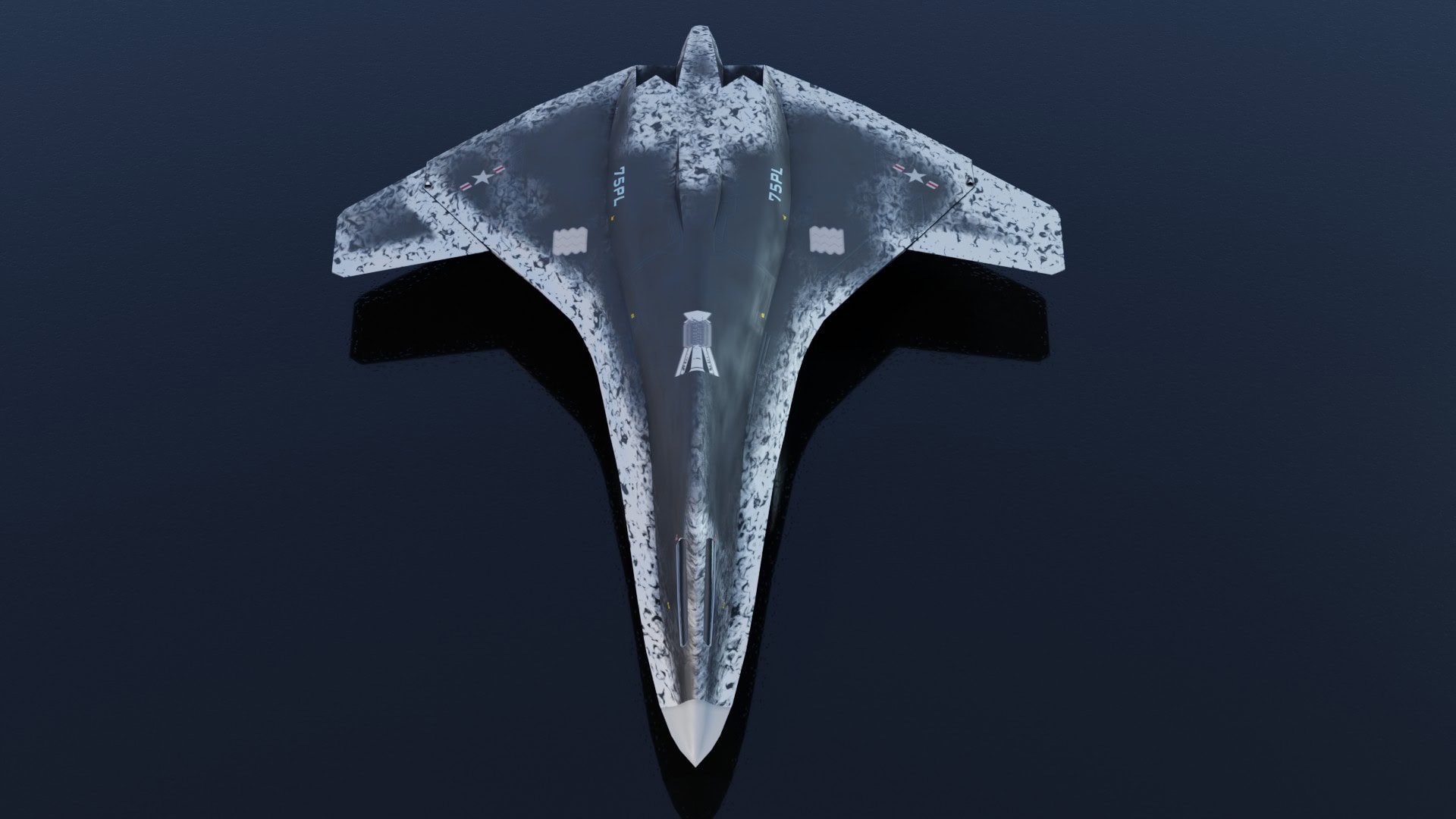
NGAD Fighter Mock Up. Image Credit: Creative Commons.
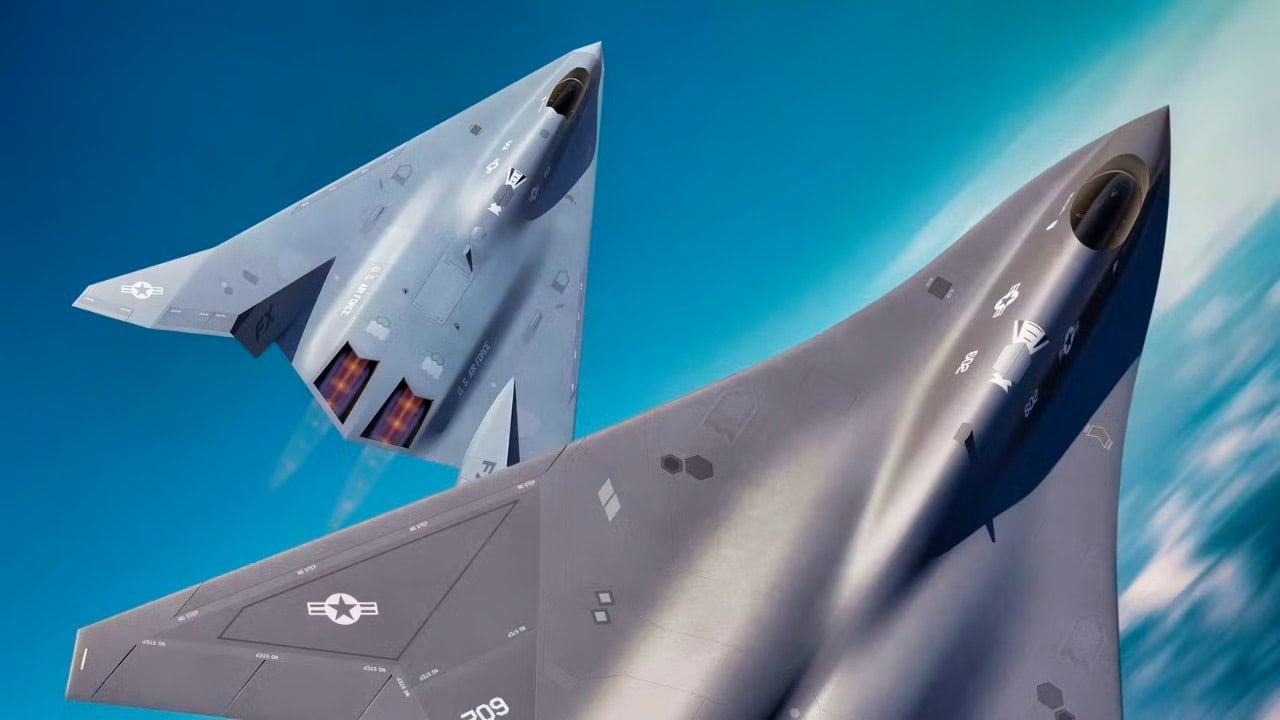
U.S. NGAD Fighter. Artist Rendering.
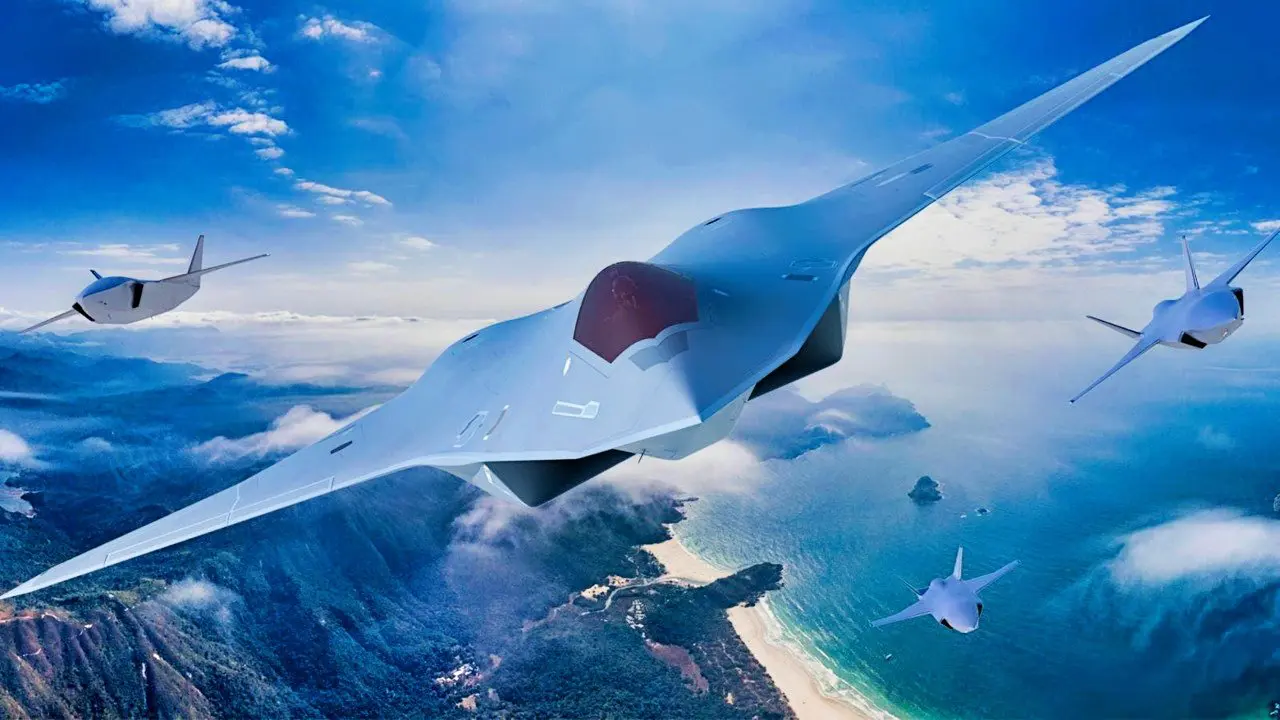
NGAD fighter from U.S. Air Force.
-Pilots can now control Collaborative Combat Aircraft (CCA)—lower-cost, attritable “loyal wingman” drones—directly from the cockpit.
-This setup allows the F-47 to “quarterback” missions, directing drones to test air defenses, blanket areas with ISR, or conduct strikes, significantly reducing data latency and keeping the manned platform at safer stand-off ranges.
What Make the F-47 NGAD So Special
As early as 15 years ago, it was envisioned that drones would be operated from the cockpits of in-flight F-22s and F-35s.
That scenario was told to me by former US Air Force Chief Scientist Dr. Gregory Zacharias, who offered insight into the service’s vision.
This “vision,” outlined by top service scientists, autonomy specialists, and weapons developers such as Zacharias, is now completely “here.”
The day is upon us, as the technological breakthroughs anticipated by Zacharias arrived about the time he predicted they would, and all Air Force weapons developers have been acutely aware that the service’s emerging Next-Generation-Air-Dominance 6th-gen stealth fighter is a “family” of systems.
Drone On
Since then, when early conceptual work and subsystem technologies were informing the effort, the Air Force has made rapid progress with its “loyal wingman” initiatives, which have now come to fruition.
Several years ago, the US Air Force Research Laboratory demonstrated that its Valkyrie drone could exchange information “in flight” with an F-35 and F-22. This breakthrough has accelerated the pace of change and fostered a technological environment in which NGAD’s family of systems and Collaborative Combat Aircraft (CCA) have now come to life.
The CCAs are intended to function as attritable, lower-cost loyal-wingman drones capable of supporting 6th-gen aircraft in flight; much has been discussed regarding the US Air Force’s application of CCAs designed to operate as part of a “family of systems” aligned with the now-arriving F-47.
There is no hesitation that the F-47’s speed, stealth, sensing and armaments are designed to position it as a pre-eminent air combat superiority platform and strike or rapid attack platform.
Yet, the 6th-gen F-47 is equally equipped to operate as a flying “command and control” node. Just as was envisioned more than a decade ago, pilots in the F-47 6th-gen stealth fighter can operate the flight path, mission scope, and sensor payload, from the cockpit of an F-47.
This is the very essence of manned-unmanned teaming, the “loyal wingman” technique and a new generation of Concepts of Operation supporting new kinds of air-combat maneuver formations.
The advantages are considerable, as an ability to operate multiple drones and drone teams from the cockpit can enable an F-47 to use drones to test enemy air defenses, locate targets, blanket areas with ISR or even conduct strikes if directed by a human.
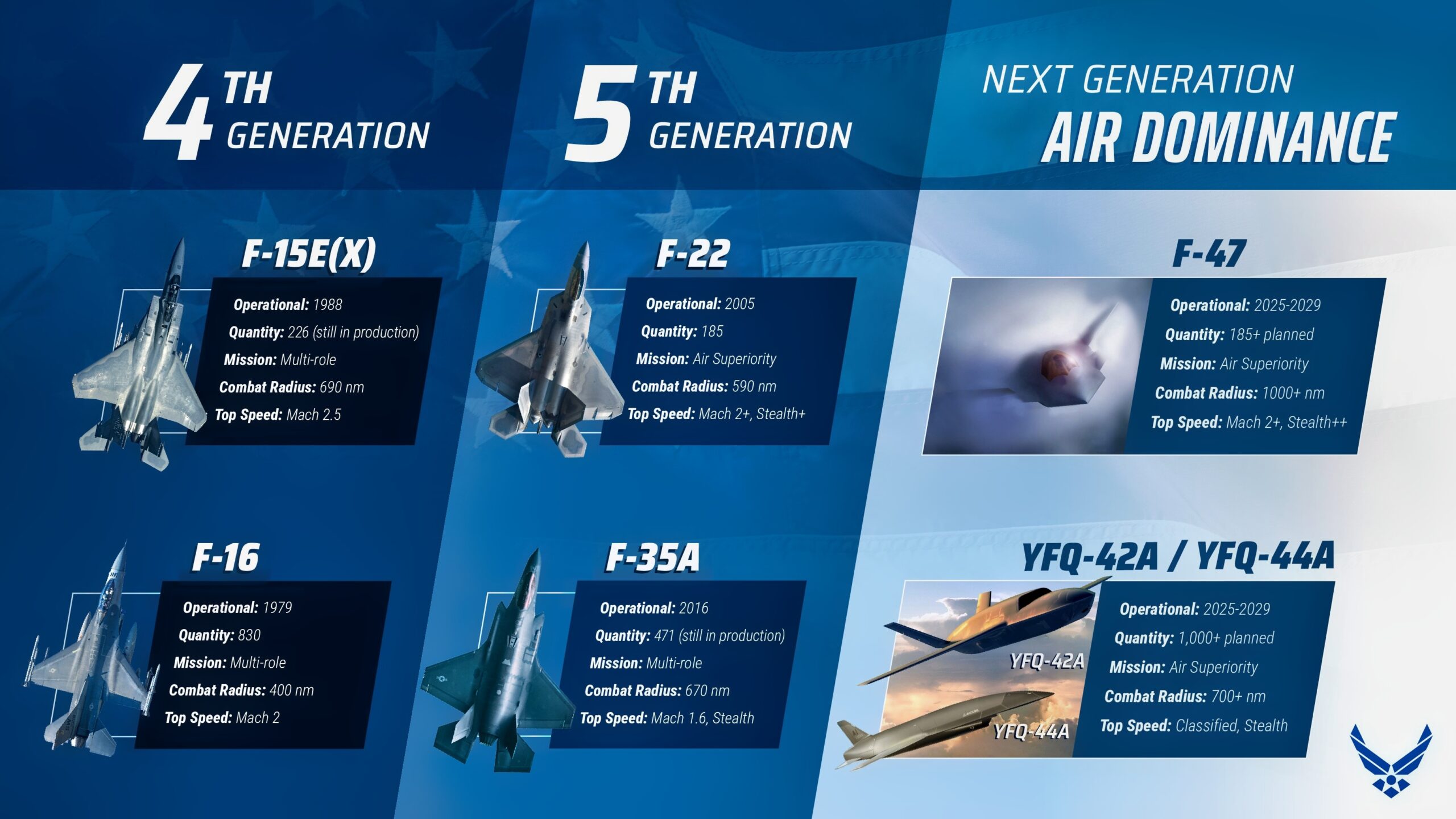
F-47 Infographic. Image Credit: U.S. Air Force
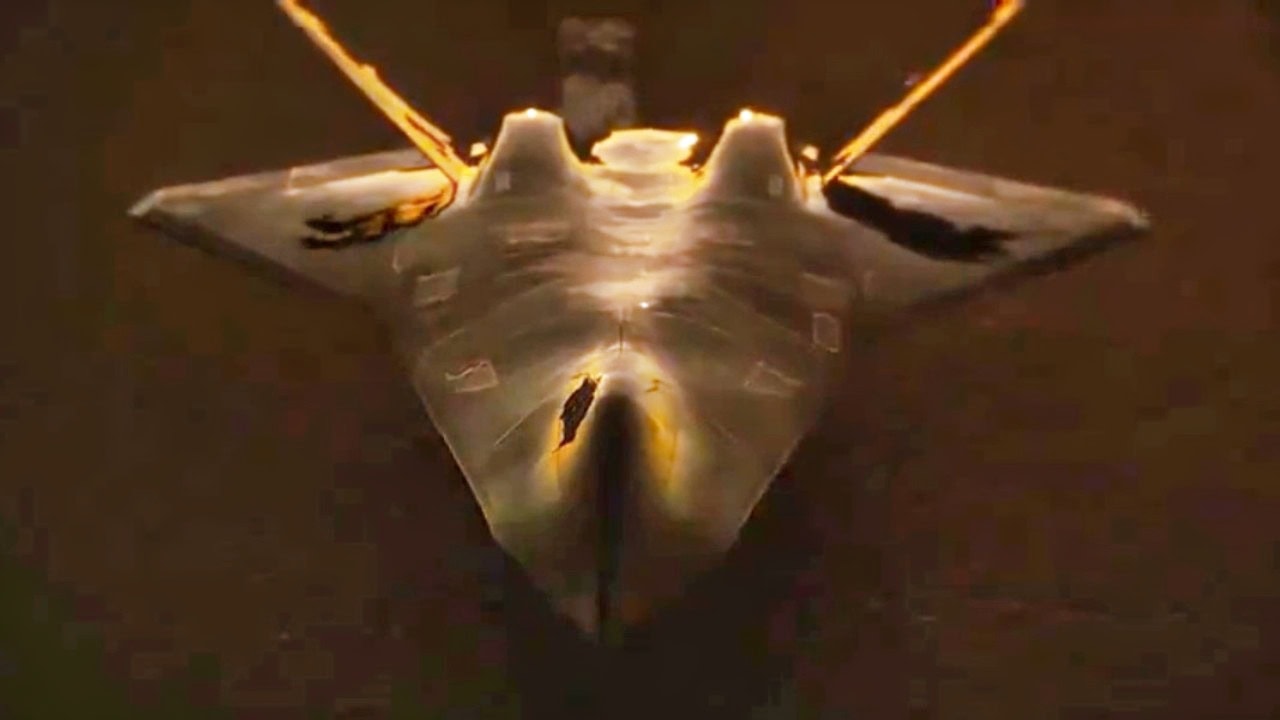
F-47 Fighter from Boeing. Image Credit: U.S. Air Force Screenshot.
The other critical element of this is that high-speed “loyal wingman” technologies massively reduce latency because datalinks, RF signals, GPS, or other transport-layer technologies can operate without routing through a ground command and control center.
Of course, this greatly improves survivability for manned platforms, given that they can operate at stand-off ranges, and also helps manned F-47s conduct successful attacks through advanced mission planning, target specifics, and intelligence on the size, shape, scope, and effectiveness of an enemy force.
Therefore, the F-47 is capable of operating multiple drones performing a range of otherwise incompatible or disaggregated missions simultaneously, such as ISR and reconnaissance of enemy air capacity, multi-domain information sharing at the combat edge, or attacking a verified target as directed by a human decision-maker.
The concept of the F-47 “quarterbacking” an integrated air attack mission makes great tactical sense, particularly if fortified by AI-enabled sensing and computing at the tactical edge. This allows for much faster and more optimal sensor-to-shooter pairing, threat identification and airwar engagement success.
About the Author: Kris Osborn
Kris Osborn is the President of Warrior Maven – Center for Military Modernization. Osborn previously served at the Pentagon as a highly qualified expert in the Office of the Assistant Secretary of the Army—Acquisition, Logistics & Technology. Osborn has also worked as an anchor and on-air military specialist at national TV networks. He has appeared as a guest military expert on Fox News, MSNBC, The Military Channel, and The HistoryChannel. He also has a Master’s Degree in Comparative Literature from Columbia.


Raptor1
February 2, 2026 at 12:23 pm
The F-35 is an old design, but not an old aircraft… Still havent even produced 1/3 of what was anticipated… so lets stop the nonsense of trying to write a narratuve that the F-47 is a replacement for the F-35… It is NOT. The definitive F-35 hasnt even arrived yet, it still needs completion of major upgrades before we tbrow out preposterous claims of needing it replaced – The AF went all-on on the -35 and tbeyre gunna have to eat everything that goes along with it.
More importantly, the F-47 isnt planned to be available in high numbers at all…so no, it will be the top-end of air superiority, akin to F-22 but with drone integration from the outset. The notion that F-47 is a replacement forf-35s that have been in dev for 20 years now, when less than 1/3 are procured and massive upgrades are needed to supposedly keep them relevant, is one of the most ignorant concepts to date. Same gies for developing a “Ferrafi -35″… Lets get the Camry-35 correct before leaping off a bridge.
yeye
February 2, 2026 at 2:05 pm
F-47 quarterback fighter is designed specifically for the coming pacific war, nobody should doubt this.
It’s the story of the great A6M fighter retold in an American version for today.
In the late thirties, Japan developed the A6M for air superiority in the Pacific.
But before the A6M came into being, Japan had already developed (and used) excellent fighters, like the A5M and the ki-27.
Again, same story.
Today, the US already has two excellent fighters the f-22 and the f-35. But these are slowly becoming irrelevant, as the main adversary is now, today, testing 6th-gen fighters.
So, who will win in the coming pacific war, or pacific fight.
The one that successfully develops the first 6th-gen fighter, and successfully produces it in huge quantities.
But 6th-gen fighters like the piston-engined fighters of WW2, will quickly be eclipsed by spacefighters, just like those ww2 pistonitis fighters were quickly eclipsed by jetfighters.