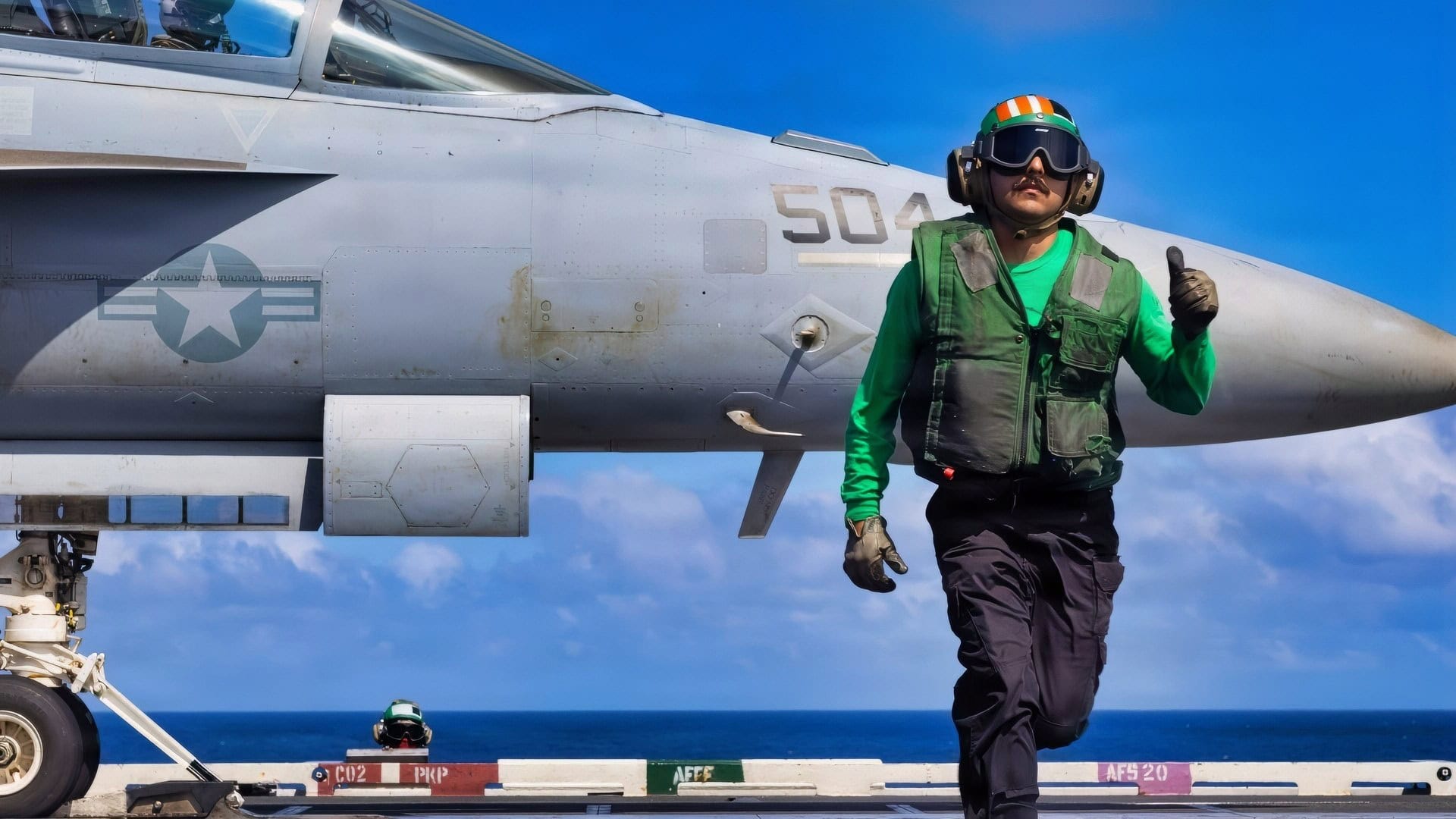
Summary and Key Points: Caleb Larson, a HEFAT-certified conflict journalist and Master of Public Policy, examines the critical role of the EA-18G Growler in a potential 2026 air campaign against Iran.
-Following the tactical success of Operation Midnight Hammer and the capture of Nicolás Maduro, the U.S. Navy is deploying the ALQ-99 Tactical Jamming System to suppress Iranian integrated air defenses.
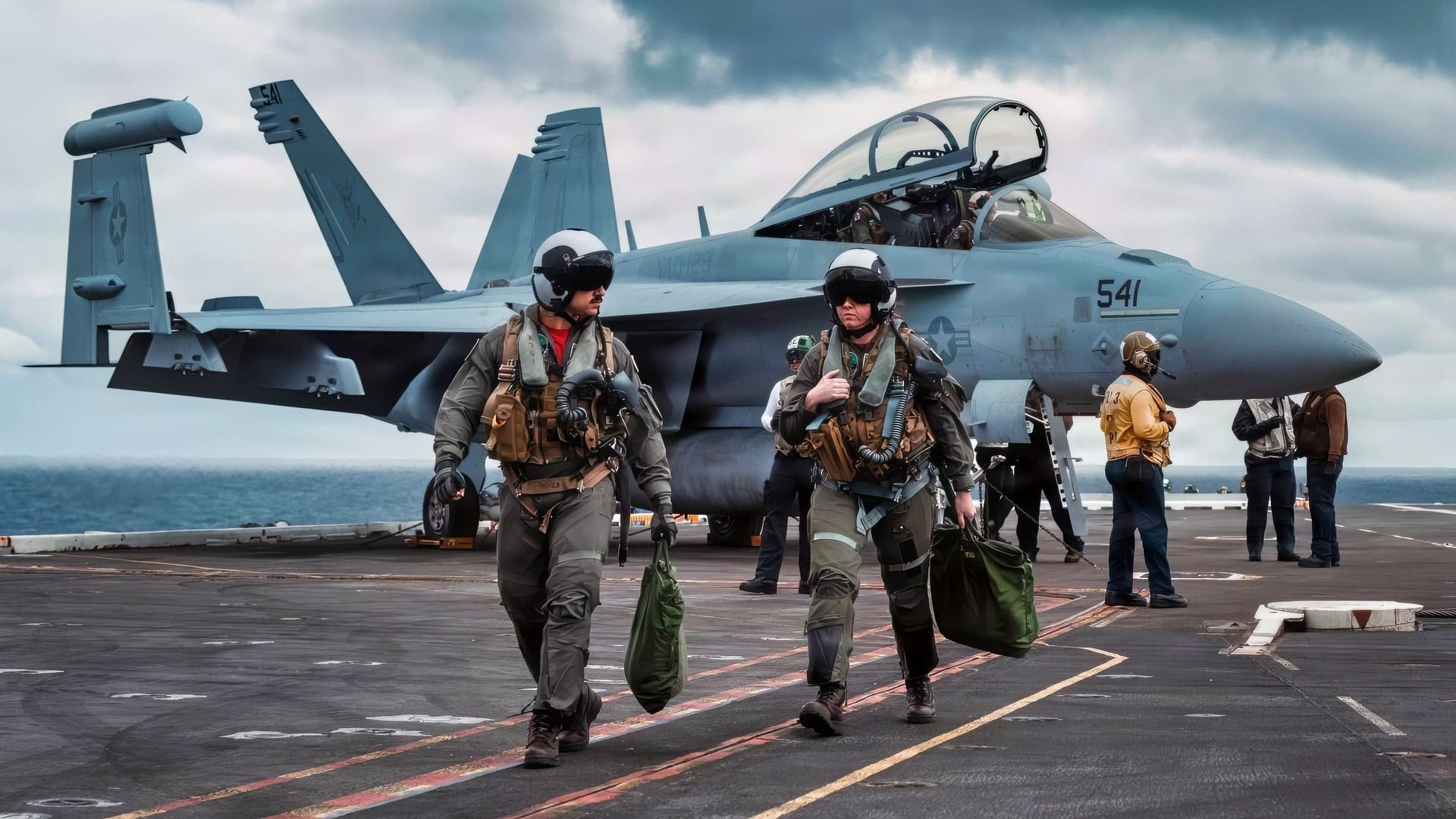
PACIFIC OCEAN (Jan. 24, 2026) – U.S. Navy Lt. Patrick Urrutia, left, and U.S. Navy Lt. Jg. Gabriela Patrick depart a U.S. Navy EA-18G Growler attached to Electronic Attack Squadron (VAQ) 129 on the flight deck of the Nimitz-class aircraft carrier USS Theodore Roosevelt (CVN 71), Jan. 24, 2026. Theodore Roosevelt, flagship of Carrier Strike Group (CSG) 9, is underway conducting exercises to bolster strike group readiness and capability in the U.S. 3rd Fleet area of operations. (U.S. Navy photo by Mass Communication Specialist Seaman Apprentice Cesar Nungaray)
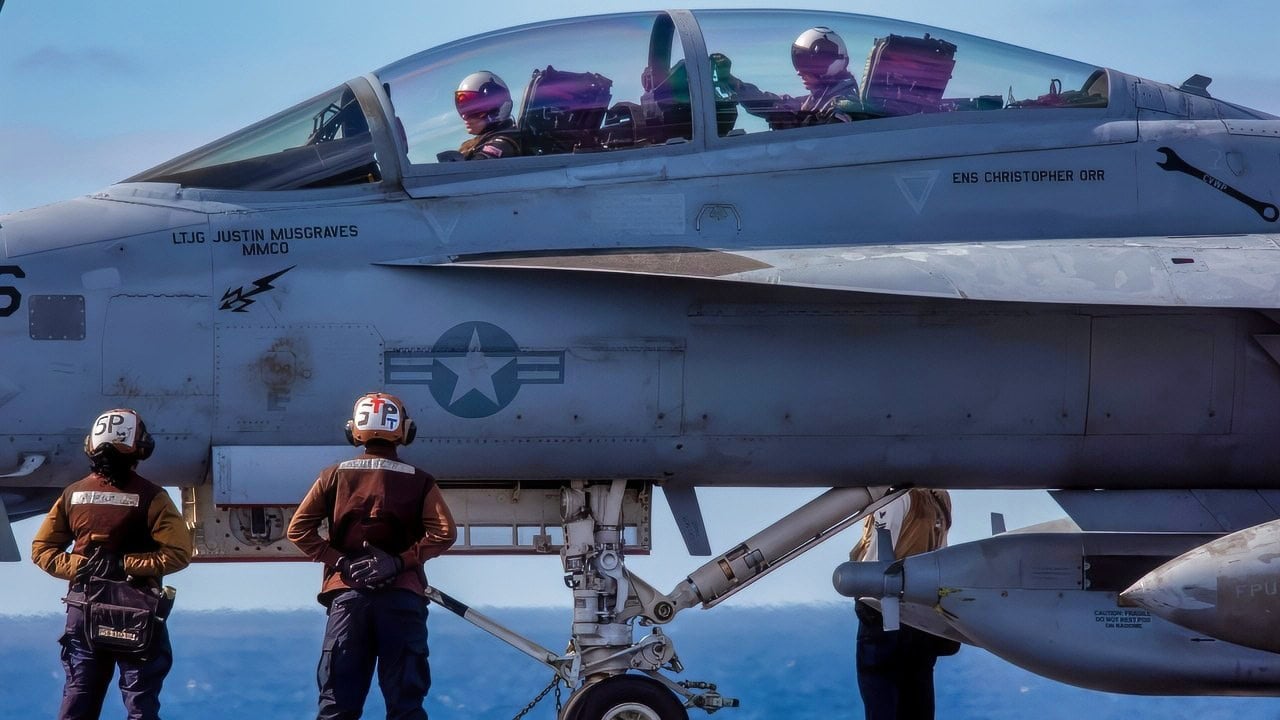
U.S. Navy Sailors prepare to taxi an EA-18G Growler, attached to Electronic Attack Squadron (VAQ) 133, on the flight deck of Nimitz-class aircraft carrier USS Abraham Lincoln (CVN 72) on Nov. 24, 2025. USS Abraham Lincoln (CVN 72), flagship of the Abraham Lincoln Carrier Strike Group, is underway conducting routine operations in the U.S. 3rd Fleet area of operations, demonstrating the U.S. Navy’s long-term commitment to a free and open Indo-Pacific. (U.S. Navy photo by Mass Communication Specialist Seaman Daniel Kimmelman)
-This 19FortyFive analysis scrutinizes the recent €500 million deal for Russian Verba MANPADS and the technical hurdles of the Next Generation Jammer Mid-Band (NGJ-MB), evaluating how the USS Gerald R. Ford’s electronic warfare suite will navigate a contested electromagnetic spectrum.
Blinding the Ayatollah: Why the EA-18G Growler is the “Day 1” Key to Iran
With U.S. warships and aircraft assembled in the Middle East around Iran, the threat to the Islamic Republic is high and increasing.
Though representatives from Washington and Tehran are still engaged to find a diplomatic solution, those discussions are not guaranteed to bear fruit—there is a yawning chasm separating their priorities.
But as more and more U.S. military assets proceed to the region, the pressure on Iran to strike a compromise or risk attack ticks upward. If U.S. President Donald Trump decides to give the order to attack Iran, one vital part of a strike campaign against the embattled theocracy will be the U.S. Navy’s EA-18G Growler aircraft and its potent electronic warfare capability.
A derivative of the F/A-18E/F Super Hornet fighter, the Growler is essentially a two-seat version of its parent, but with robust electronic warfare capabilities. Its purpose is the Suppression of Enemy Air Defenses mission.
By leveraging powerful jamming pods, Growler aircraft essentially blind enemy air defenses. Their primary podded asset is the ALQ-99 Tactical Jamming System. The Navy explains that these pods are carried under wing and under the Growler’s fuselage—up to five in total—to suppress air defenses.
The Growlers would be some of the first aircraft to enter Iranian airspace, and they would be tasked with destroying whatever Iranian air defenses are still operational following their decimation by Israel and the United States late last year.
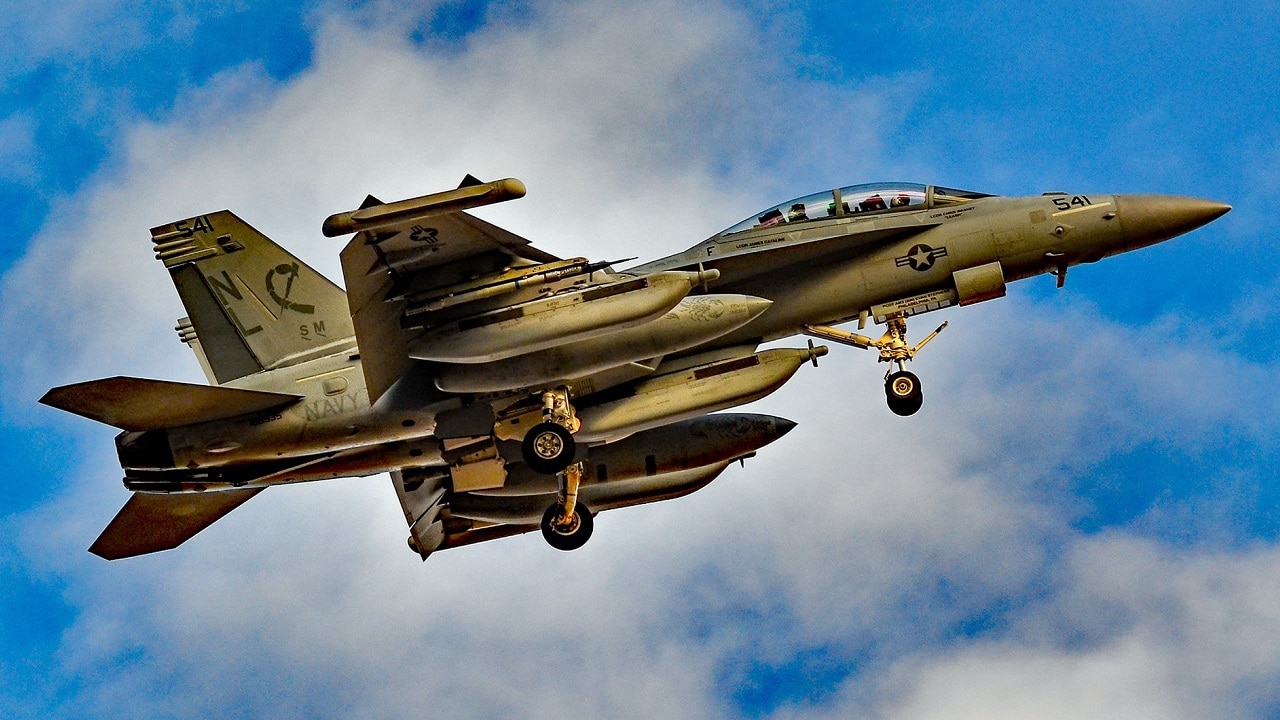
EA-18G Growler. Image Credit: Creative Commons.
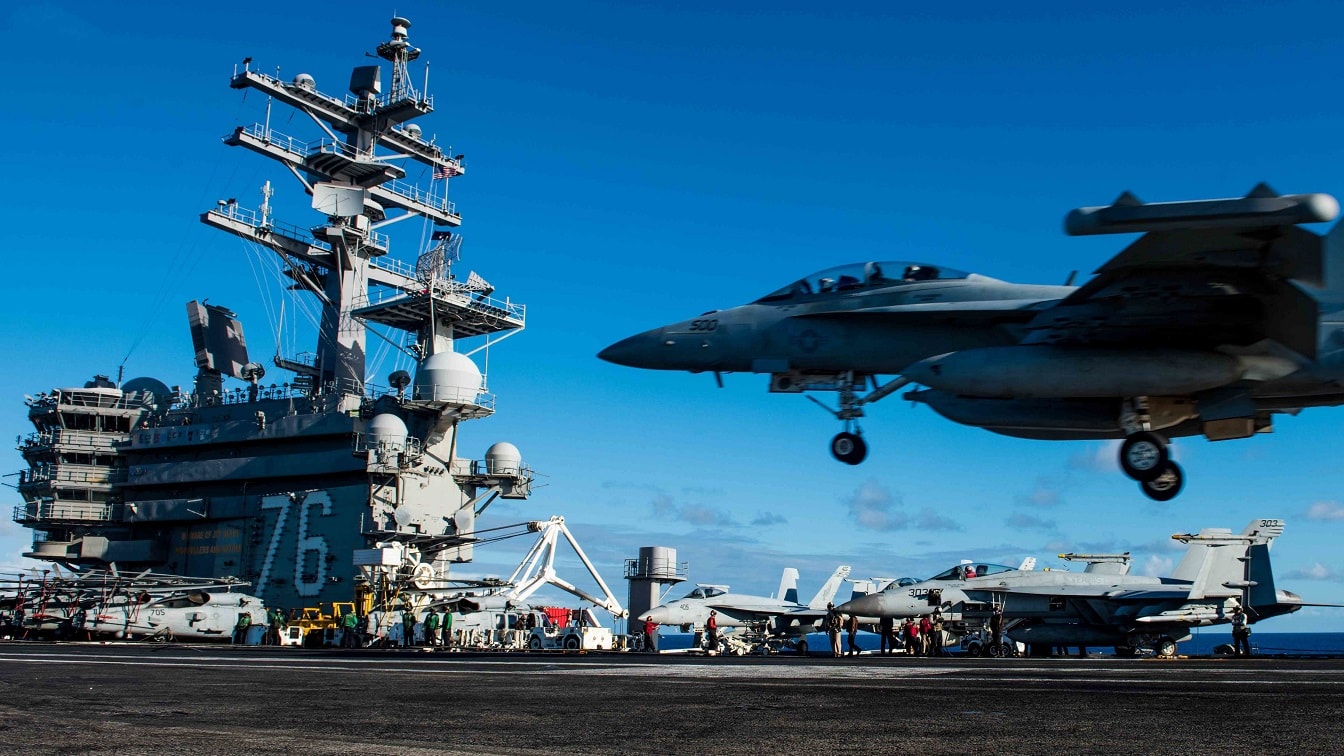
(June 20, 2018) An EA-18G Growler assigned to Electronic Attack Squadron (VFA) 141 lands on the flight deck of the Navy’s forward-deployed aircraft carrier, USS Ronald Reagan (CVN 76). Ronald Reagan, the flagship of Carrier Strike Group 5, provides a combat-ready force that protects and defends the collective maritime interests of its allies and partners in the Indo-Pacific region. (U.S. Navy photo by Mass Communication Specialist 2nd Class Kenneth Abbate/Released)
There may, however, be a potential wrinkle to complicate the Growler’s mission: the proliferation of modern and mobile Russian air defense weaponry in Iran.
The Russia Connection
A recent Financial Times report revealed that Russia and Iran shook hands on a €500 million deal in December for one of Russia’s most advanced shoulder-fired anti-aircraft missiles.
The deal reportedly covers 500 Verba launch units, as well as 2,500 9M336 missiles, for those Verba launch units.
The Financial Times reported that the deal covers three tranches spanning 2027 to 2029, but one source said it is possible “a smaller number of the systems could have been delivered to Iran early.”
The move may be an attempt by Moscow to reinforce ties with Tehran after Russia’s failure to come to Iran’s aid during the Twelve-day War against Israel. During that clash, Israel decimated Iran’s Russian-supplied air defenses and flew throughout the country with seeming impunity.
The United States also overflew the country, flying B-2 Spirit stealth bombers to Iran and dropping bunker-busting bombs atop Iran’s underground nuclear sites. Although those bombs are extremely potent against hardened targets, Iranian fissile material is still in the country.
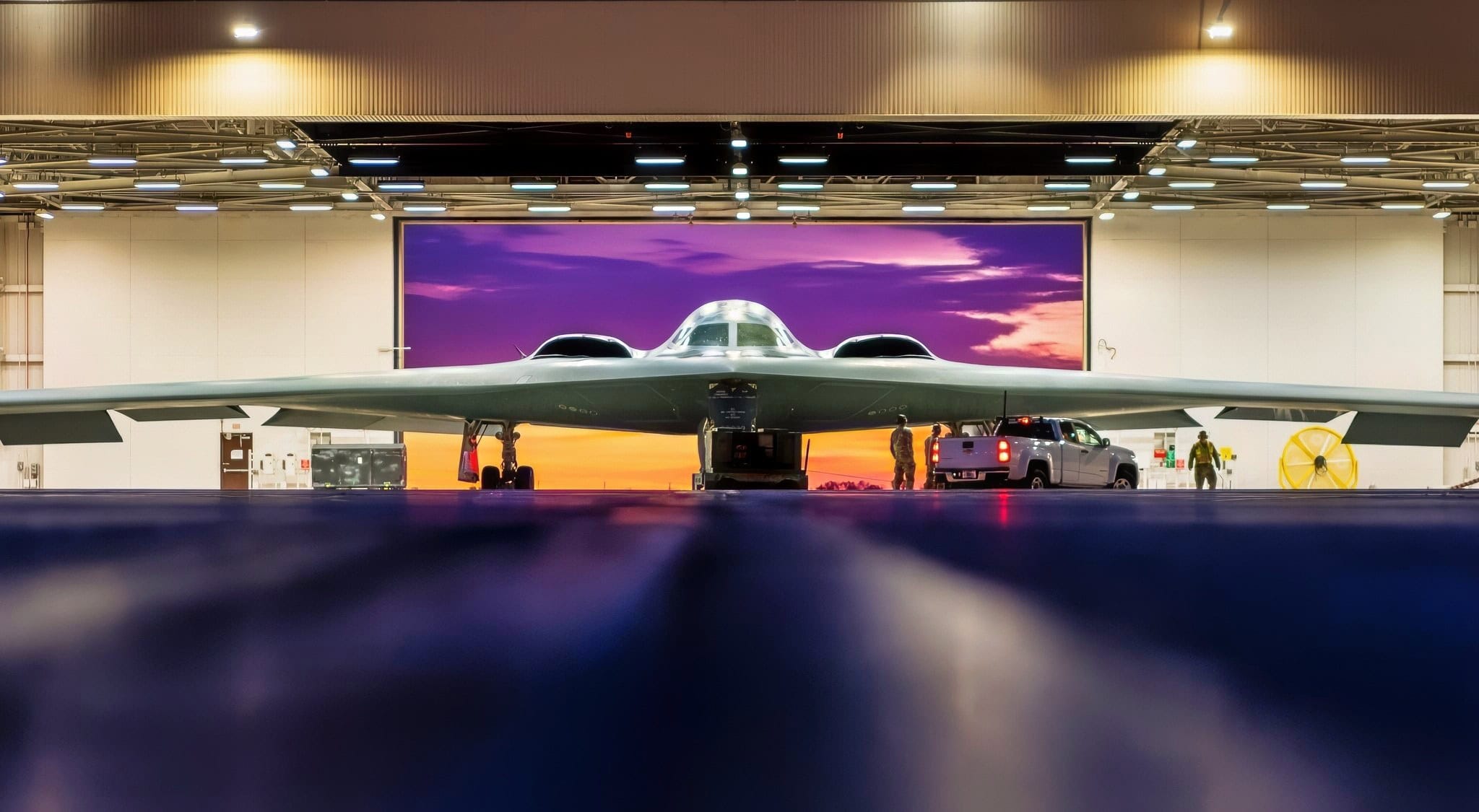
U.S. Airmen assigned to the 393rd Bomber Generation Squadron prepare a B-2 Spirit aircraft for flight during Exercise Global Thunder 26 at Whiteman Air Force Base, Missouri, Oct. 24, 2025. Global Thunder is an annual command and control exercise designed to train U.S. Strategic Command forces and assess joint operational readiness. (U.S. Air Force photo by Staff Sgt. Joshua Hastings)
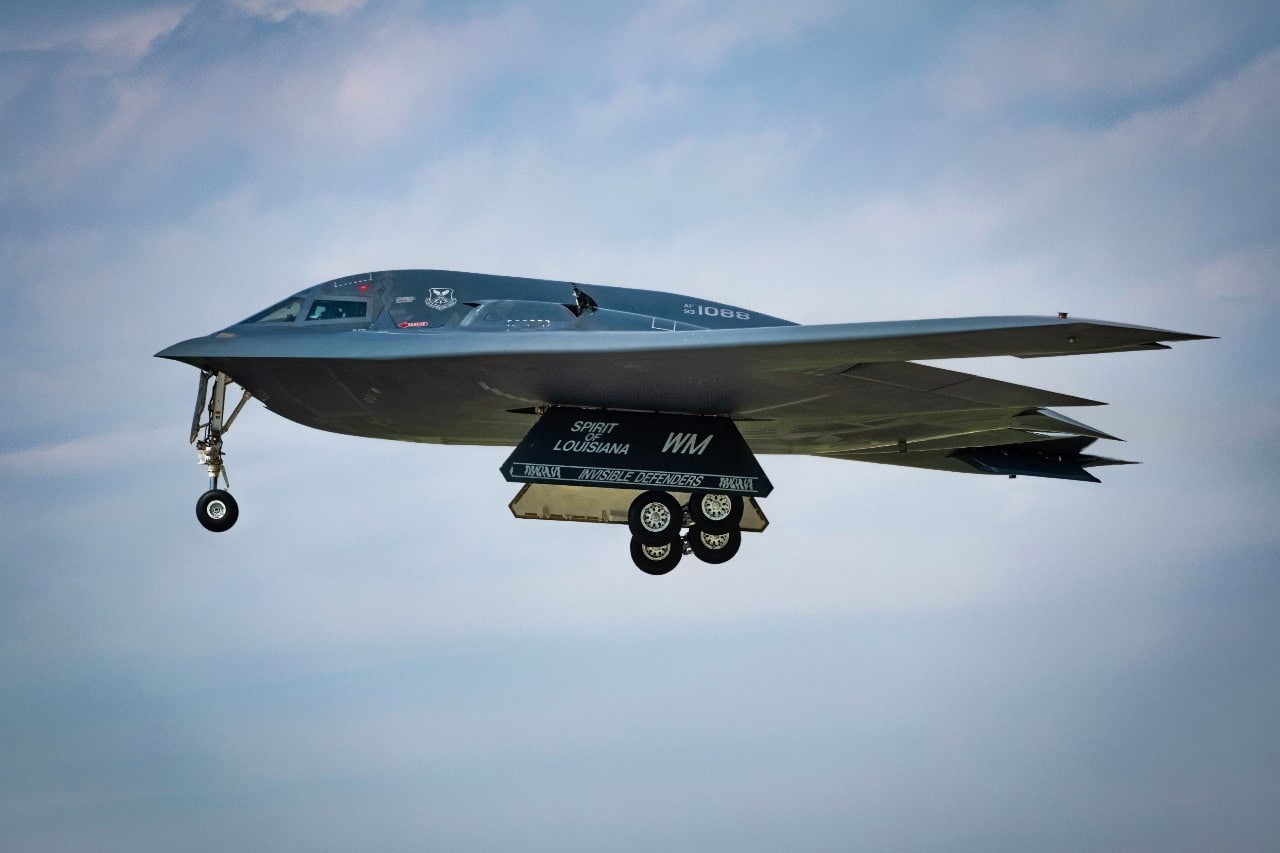
A B-2 Spirit stealth bomber departs from Whiteman Air Force Base, Missouri, April 16, 2025. The B-2 is capable of penetrating heavily defended air spaces and delivering conventional and nuclear munitions anywhere on the globe. (U.S. Air Force photo by Senior Airman Joshua Hastings)
Russian Ilyushin Il-76TD cargo planes have made at least four flights to Iran since December. Although their cargo is not publicly known, Verba launchers and missiles could have been aboard the aircraft under the terms of the air defense deal, which also includes Mowgli-2 night-vision equipment.
Although Verba training is relatively fast and straightforward, it would be unlikely to effectively stave off a concerted U.S. air campaign against Iran. But the systems would be most effective against low-flying aircraft, unmanned aircraft, and helicopters.
Not Defenseless
Although the Growler’s primary mission is the suppression of enemy air defenses, the aircraft are not without their own defenses. As a complement to the jet’s AGM-88 High-Speed Anti-Radiation Missile/Advanced Anti-Radiation Guided Missile, which finds and locks onto adversary radar systems, the Growlers are also equipped with AIM-120 Advanced Medium-Range Air-to-Air Missiles to defend against adversary aircraft. But Iran’s air force has historically been one of its weakest military services and primarily flies antiquated Cold War-era U.S. and legacy Soviet aircraft.
Upgrades
The Growlers are integrating a significant upgrade to their jamming pods: the upgraded Next Generation Jammer Mid-Band (NGJ-MB) system.
The Pentagon’s Office of the Director of Test and Evaluation provides some details about the new jamming pod, explaining that “The NGJ-MB is an airborne electromagnetic attack system, consisting of two pods, mounted under the EA-18G wings, containing Active Electronically Scanned Arrays (AESA) that radiate over a range of frequencies.”
“The first of three proposed programs for the overall Next Generation Jammer upgrade that is intended to eventually replace the legacy AN/ALQ-99 Tactical Jammer System in the EA-18G, the Office adds. “The NGJ-MB will add increased jamming capability at higher power and longer ranges than the AN/ALQ-99 Tactical Jammer System, as well as the ability to rapidly update hardware and software to counter rapidly evolving threat capabilities.”
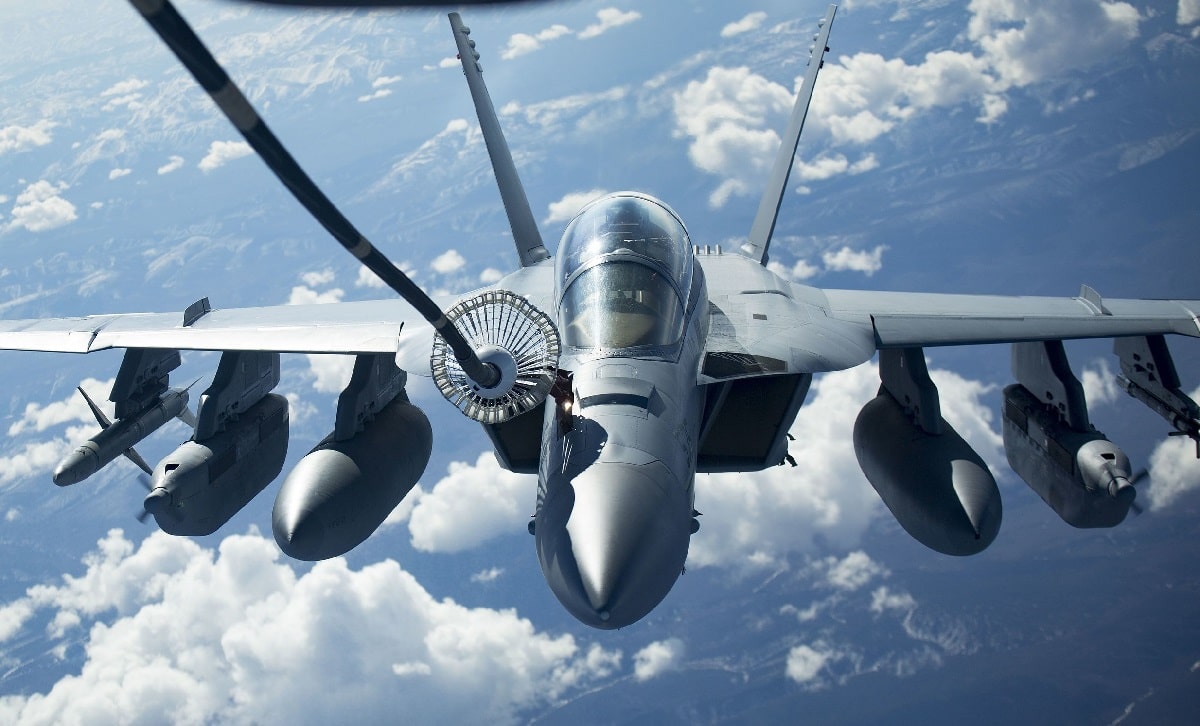
EA-18G Growler. Image Credit: Creative Commons.
But this latest upgrade has run into some problems.
“DOT&E could not draw definitive conclusions about the system’s operational effectiveness or suitability based on the IT results,” the Pentagon paper concluded. “The data reveal that while progress has been made, significant technical challenges remain, particularly in the area of reliability, which currently hinders the system’s ability to fully support operational missions.”
Irrespective of the Growler’s present or future capabilities, one important certainty remains: President Trump’s interest in fast, easy, and spectacular wins, exemplified by both Operation Midnight Hammer as well as snatching Venezuelan strongman Nicolás Maduro.
Though negotiations with Iran are still ongoing, it is worth remembering that the United States struck targets across Iran even as talks between the two countries were ongoing. If Trump gives the go-ahead, Growlers will be among the first to fight.
About the Author: Caleb Larson
Caleb Larson is an American multiformat journalist based in Berlin, Germany. His work covers the intersection of conflict and society, focusing on American foreign policy and European security. He has reported from Germany, Russia, and the United States. Most recently, he covered the war in Ukraine, reporting extensively on the war’s shifting battle lines from Donbas and writing on the war’s civilian and humanitarian toll. Previously, he worked as a Defense Reporter for POLITICO Europe. You can follow his latest work on X.