Summary and Key Points: Defense analyst Jack Buckby evaluates the fire incident aboard the USS Gerald R. Ford occurring during active operations in the Red Sea.
-Originating in the laundry spaces on March 12, 2026, the fire resulted in two non-life-threatening injuries but did not compromise the A1B nuclear reactors or Electromagnetic Aircraft Launch System (EMALS).
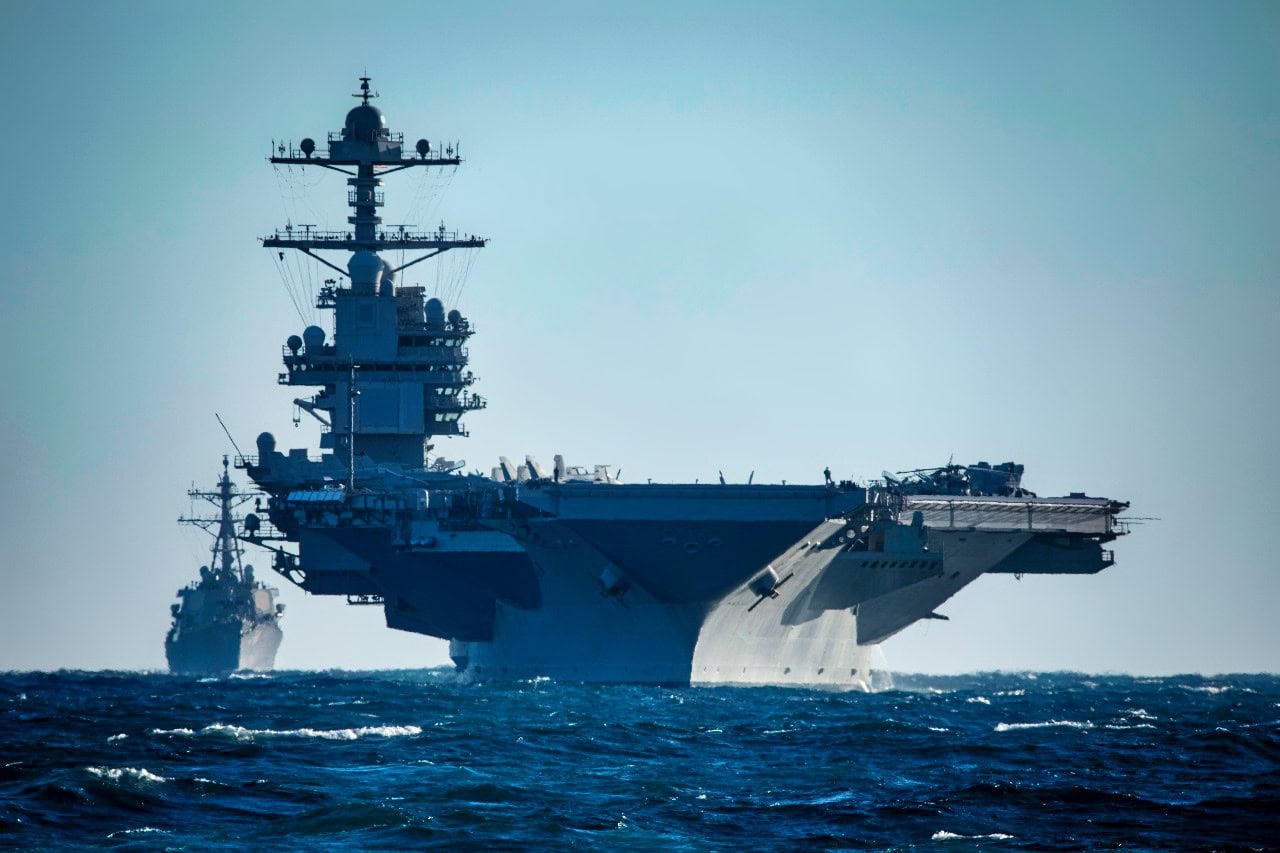
A view from the Ticonderoga-class guided missile cruiser USS Normandy (CG 60) of the first-in-class aircraft carrier USS Gerald R. Ford (CVN 78) and the Arleigh Burke-class guided missile destroyers USS Thomas Hudner (DDG 116), USS Ramage (DDG 61) and USS McFaul (DDG 74) as the ships steam in formation during a drill while underway as part of the Gerald R. Ford Carrier Strike Group March 5, 2023. Ford Carrier Strike Group is underway in the Atlantic Ocean executing its Composite Training Unit Exercise (COMPTUEX), an intense, multi-week exercise designed to fully integrate a carrier strike group as a cohesive, multi-mission fighting force and to test their ability to carry out sustained combat operations from the sea. As the first-in-class ship of Ford-class aircraft carriers, CVN 78 represents a generational leap in the U.S. Navy’s capacity to project power on a global scale. (U.S. Navy photo by Mass Communication Specialist 2nd Class Malachi Lakey)
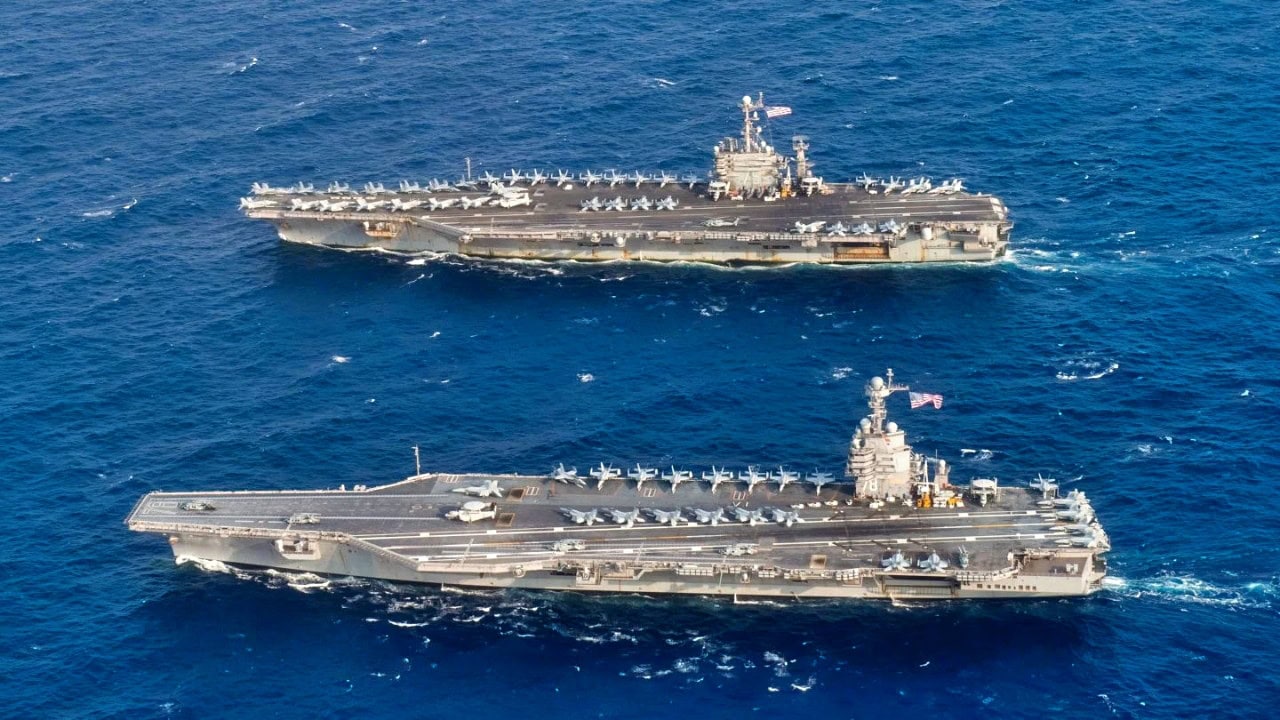
Ford-Class Aircraft Carrier U.S. Navy. Image Credit: Creative Commons.
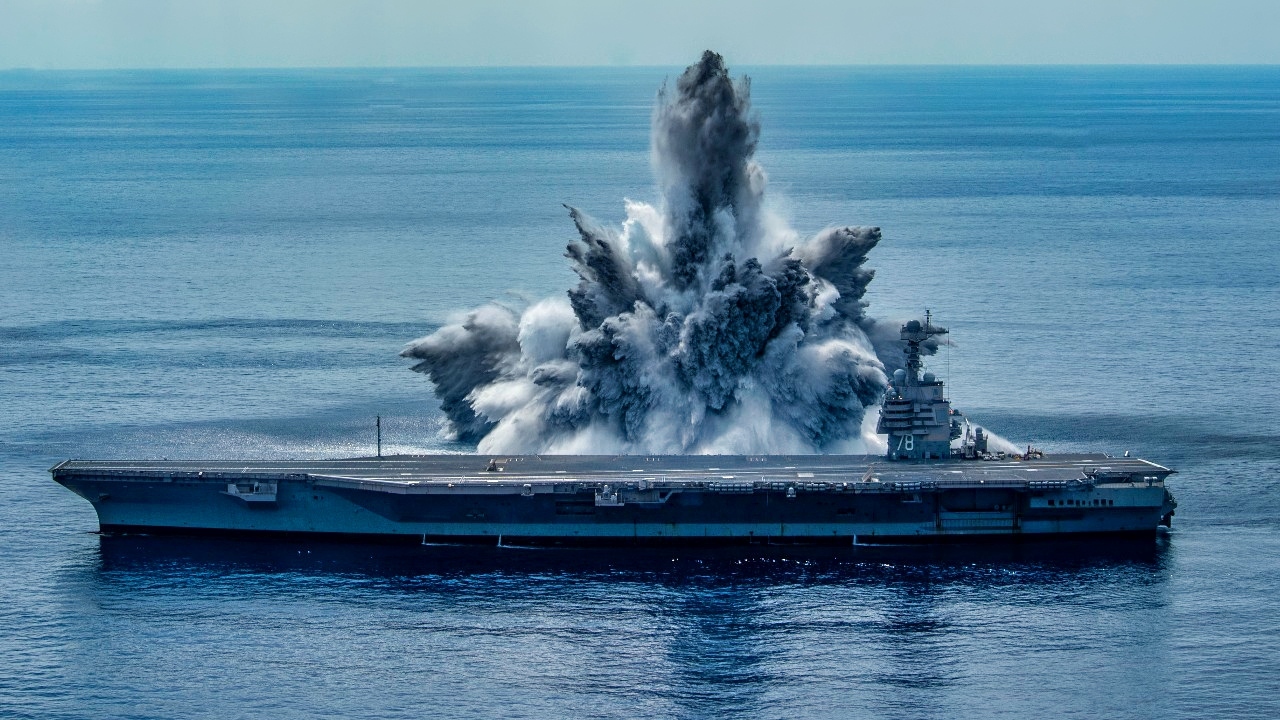
The aircraft carrier USS Gerald R. Ford (CVN 78) successfully completes the third and final scheduled explosive event of Full Ship Shock Trials while underway in the Atlantic Ocean, Aug. 8, 2021. The U.S. Navy conducts shock trials of new ship designs using live explosives to confirm that our warships can continue to meet demanding mission requirements under harsh conditions they might encounter in battle. (U.S. Navy photo by Mass Communication Specialist 3rd Class Novalee Manzella)
-This report analyzes the response from the U.S. Fifth Fleet and the support provided by the Naval Sea Systems Command.
-Buckby explores the carrier’s continued role in Operation Epic Fury, concluding that its Aegis-equipped escorts and 100,000-ton “layered defense” ensure the strike group remains combat-ready despite internal emergencies.
Fire Aboard the USS Gerald R. Ford Aircraft Carrier: March 12 Laundry Blaze Failed to Stop U.S. Red Sea Operations
A fire broke out aboard the U.S. Navy aircraft carrier USS Gerald R. Ford (CVN-78) on March 12, 2026, while the ship was operating in the Red Sea as part of ongoing U.S. military operations linked to the war with Iran, according to U.S. military officials.
The blaze originated in the carrier’s main laundry spaces and was not combat-related. It did, however, result in two soldiers being injured. The ship remains operational.
U.S. Central Command confirmed the incident in a public statement posted on March 12 by U.S. Naval Forces Central Command and the U.S. Fifth Fleet.
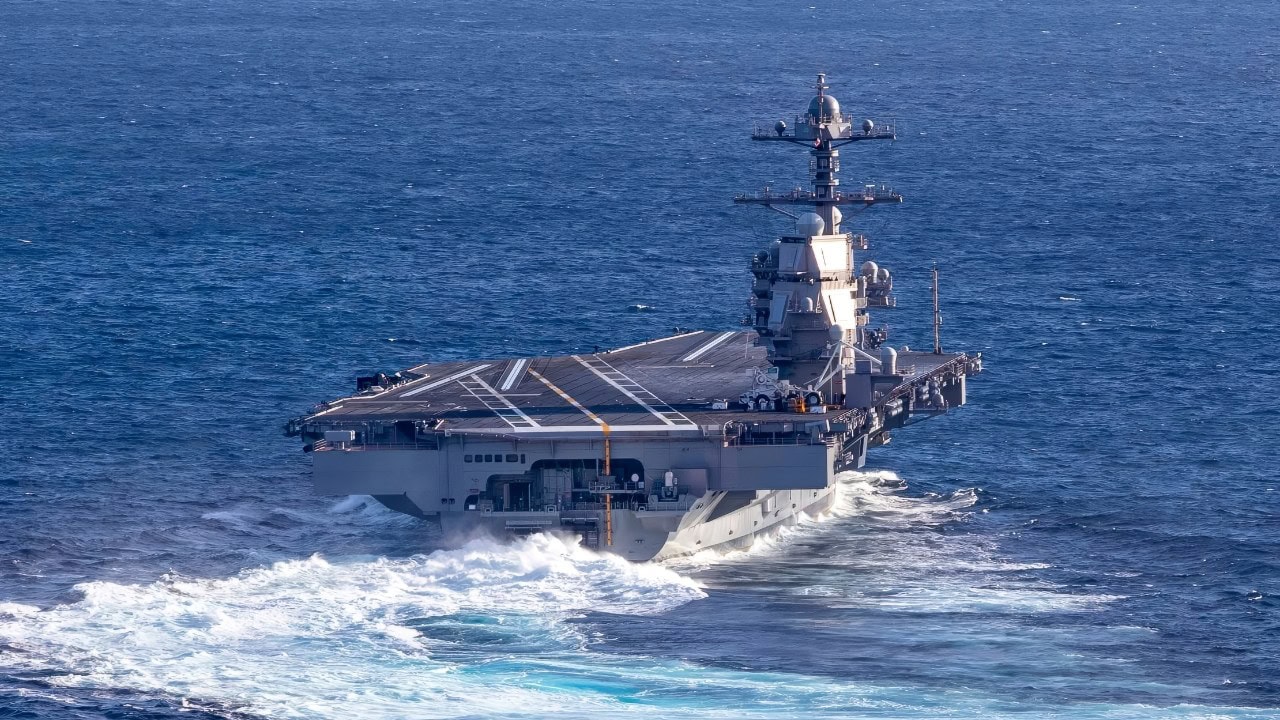
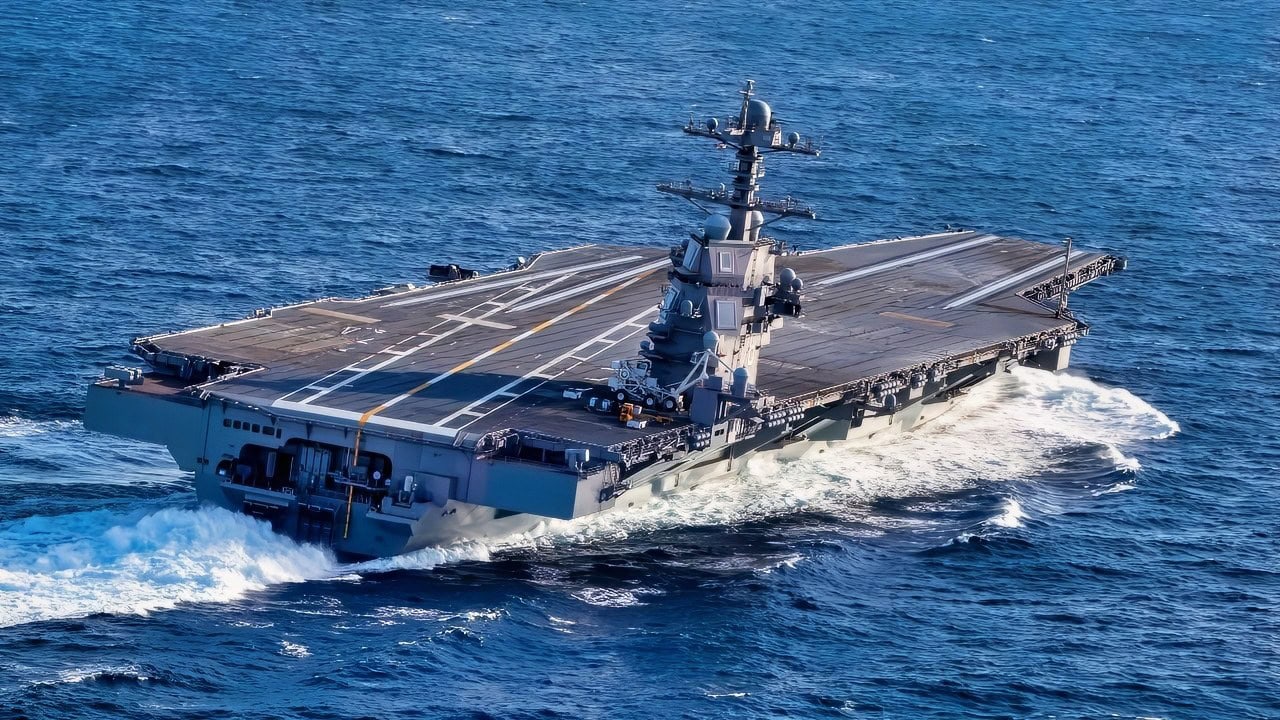
ATLANTIC OCEAN (Oct. 29, 2019) USS Gerald R. Ford (CVN 78) conducts high-speed turns in the Atlantic Ocean. Ford is at sea conducting sea trials following the in port portion of its 15 month post-shakedown availability. (U.S. Navy photo by Mass Communication Specialist 3rd Class Connor Loessin)
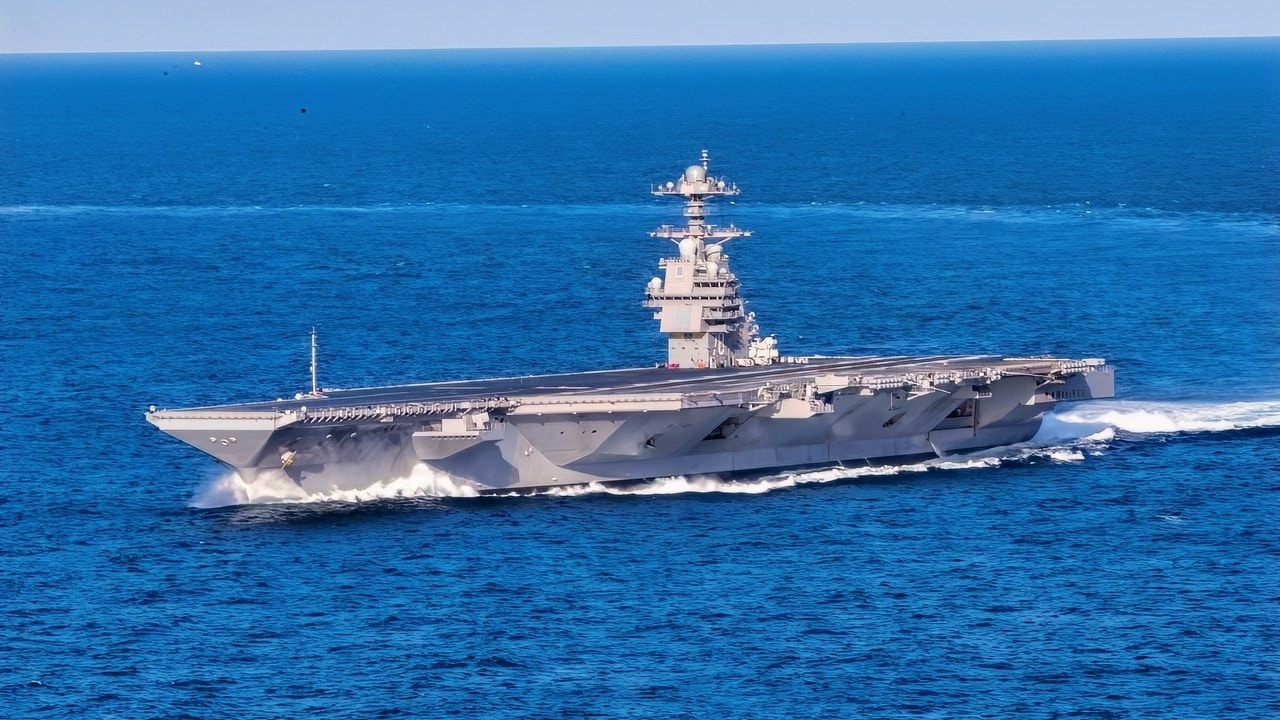
ATLANTIC OCEAN (Oct. 29, 2019) USS Gerald R. Ford (CVN 78) conducts high-speed turns in the Atlantic Ocean. Ford is at sea conducting sea trials following the in port portion of its 15 month post-shakedown availability. (U.S. Navy photo by Mass Communication Specialist 3rd Class Connor Loessin)
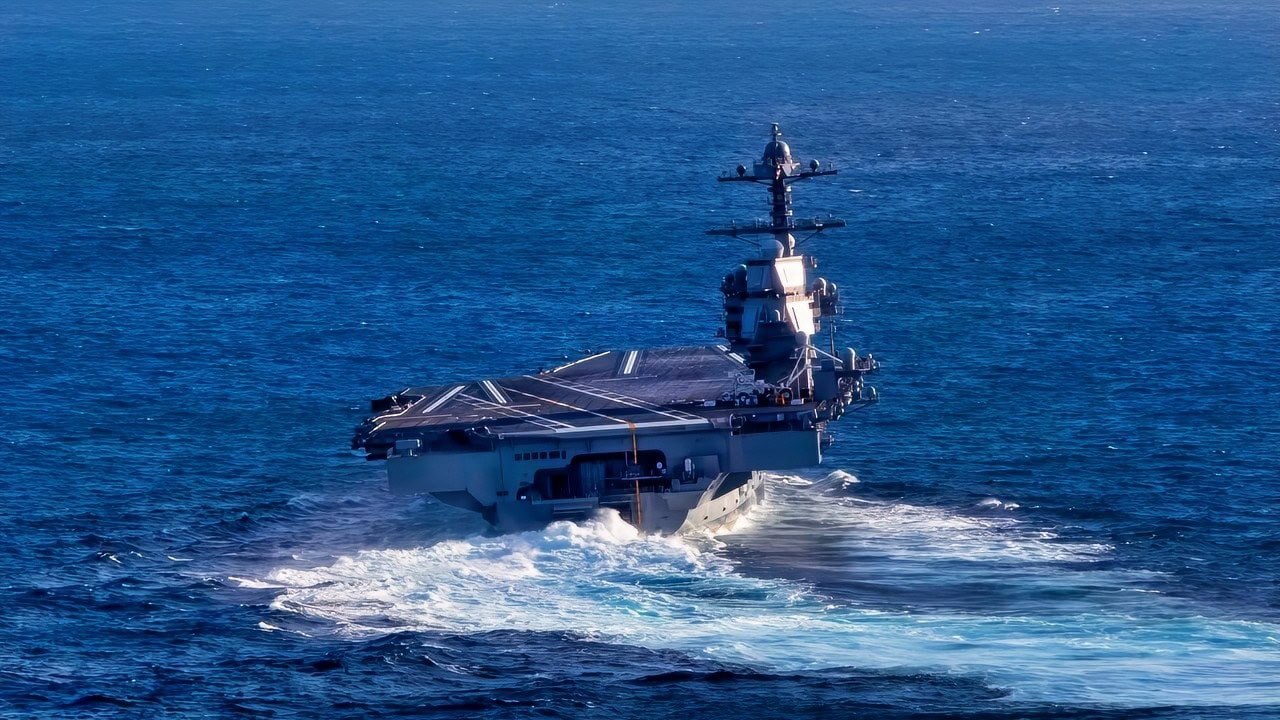
ATLANTIC OCEAN (Oct. 29, 2019) USS Gerald R. Ford (CVN 78) conducts high-speed turns in the Atlantic Ocean. Ford is at sea conducting sea trials following the in port portion of its 15 month post-shakedown availability.(U.S. Navy photo by Mass Communication Specialist 3rd Class Connor Loessin)
“On March 12, USS Gerald R. Ford (CVN 78) experienced a fire that originated in the ship’s main laundry spaces,” a statement issued on social media reads. “The cause of the fire was not combat-related and is contained. There is no damage to the ship’s propulsion plant, and the aircraft carrier remains fully operational. Two sailors are currently receiving medical treatment for non-life-threatening injuries and are in stable condition. Additional information will be provided when available.”
Officials confirmed that the initial fire has been extinguished, though the crew continues conducting damage-control operations aboard the vessel.
Fire Originated in the Aircraft Carrier’s Laundry Space
According to U.S. officials and news reports, the fire began in the main laundry spaces of the aircraft carrier, a part of the ship that houses industrial-scale washers and dryers used to support the thousands of sailors living aboard the vessel.
One U.S. official told USNI News that while the initial fire had been extinguished, damage-control teams continue to work to ensure that the incident is fully contained. Those teams are also working to assess any possible impact on onboard systems.
The Navy’s Naval Sea Systems Command Forward Deployed Regional Maintenance Center has begun preparing to provide electrical support to the fleet if additional technical assistance is required following the incident.
Shipboard fires like this are treated as one of the most serious emergencies in naval operations, regardless of how they began. Modern warships carry large quantities of aviation fuel, electrical systems, weapons, and other valuable or sensitive assets, meaning crews must be trained extensively in damage control procedures designed to quickly contain fired and prevent them from spreading.
Despite the incident, the Navy confirmed that the carrier’s propulsion plant was unaffected and the ship is capable of continuing its operations.
Iran Operations Continue
The USS Gerald R. Ford was operating in the northern Red Sea near the Saudi coastal city of Al Wajh at the time of the fire, according to ship-tracking observers and Navy reports. The carrier and its escorts had transited the Suez Canal the previous week, moving from the Mediterranean into the Red Sea as part of the U.S. naval buildup supporting ongoing operations against Iran.
The Ford Carrier Strike Group includes several guided-missile destroyers that provide air defense and missile defense for the carrier.
The Navy’s Newest Carrier
The Ford is a 100,000-ton nuclear-powered aircraft carrier commissioned in 2017. It is the most technologically advanced aircraft carrier design ever built by the United States.
Ford-class carriers incorporate a number of major technological upgrades compared with the earlier Nimitz-class ships, including the Electromagnetic Aircraft Launch System (EMALS), advanced power generation systems to support new and future technologies, and a redesigned flight deck that is intended to increase the rate at which aircraft can launch during combat operations.
Iran Has Tried – But Striking These Carriers Is Tough
There has been no confirmed case of Tehran successfully targeting any of the ships currently operating in the region. Iranian forces have launched ballistic and cruise missiles and drones toward U.S. bases and allied targets, but American carrier strike groups have remained largely out of reach.
That is partly because Iran’s conventional naval forces have been heavily degraded during the conflict. But, even if they were intact, a Ford-class carrier never operates alone and is vastly more capable than anything Iran has ever fielded. The Ford sits at the center of a layered defensive screen that typically includes guided-missile destroyers equipped with the Aegis combat system and long-range interceptors designed to defeat incoming missiles and drones. Carrier air wings also maintain fighter patrols hundreds of miles from the ship, creating an additional defensive screen around the carrier strike group.
About the Author: Jack Buckby
Jack Buckby is a British researcher and analyst specialising in defence and national security, based in New York. His work focuses on military capability, procurement, and strategic competition, producing and editing analysis for policy and defence audiences. He brings extensive editorial experience, with a career output spanning over 1,000 articles at 19FortyFive and National Security Journal, and has previously authored books and papers on extremism and deradicalisation.