
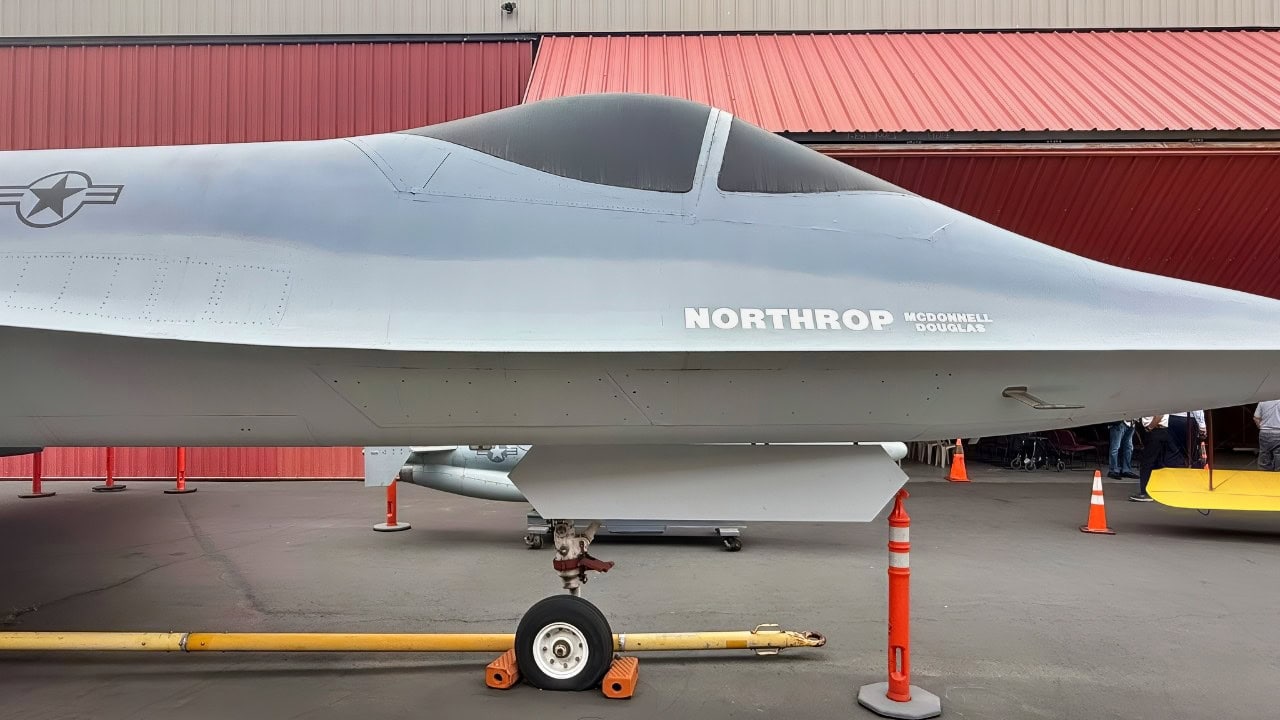
Summary and Key Points: Defense expert Brent M. Eastwood, PhD, analyzes the historic competition between the Lockheed YF-22 and the Northrop YF-23 Black Widow.
-While the YF-23 (prototypes Black Widow II and Grey Ghost) offered superior stealth, range, and supercruise speeds of Mach 1.6, it ultimately lost to the more maneuverable YF-22.
-The decision was driven by Lockheed’s aggressive flight testing—exceeding 9Gs and firing test missiles—compared to Northrop’s conservative flight profile.
-The legacy of the “Grey Ghost” remains a significant “what if” in 2026 as the F-22 Raptor continues to face 5th-generation threats like the J-20.
Bonus: We have included original photos of our 2025 visits to both remaining YF-23 stealth fighters.
Supercruise and Stealth: Analyzing the YF-23’s Mach 1.6 Performance Advantage
You are well familiar with the F-22 Raptor. This is an air superiority jet that combines dogfighting skills with excellent ground-strike capabilities.
It may be one of the world’s stealthiest fighters. The speed and maneuverability make pilots fall in love. It performs well in simulated combat during the U.S. Air Force’s Red Flag exercises.
The airplane is ready to take on adversarial fifth-generation fighters like Russia’s Su-57 Felon and China’s J-20 Mighty Dragon.
YF-23 Stealth Fighter. Image taken by Harry J. Kazianis for 19FortyFive.
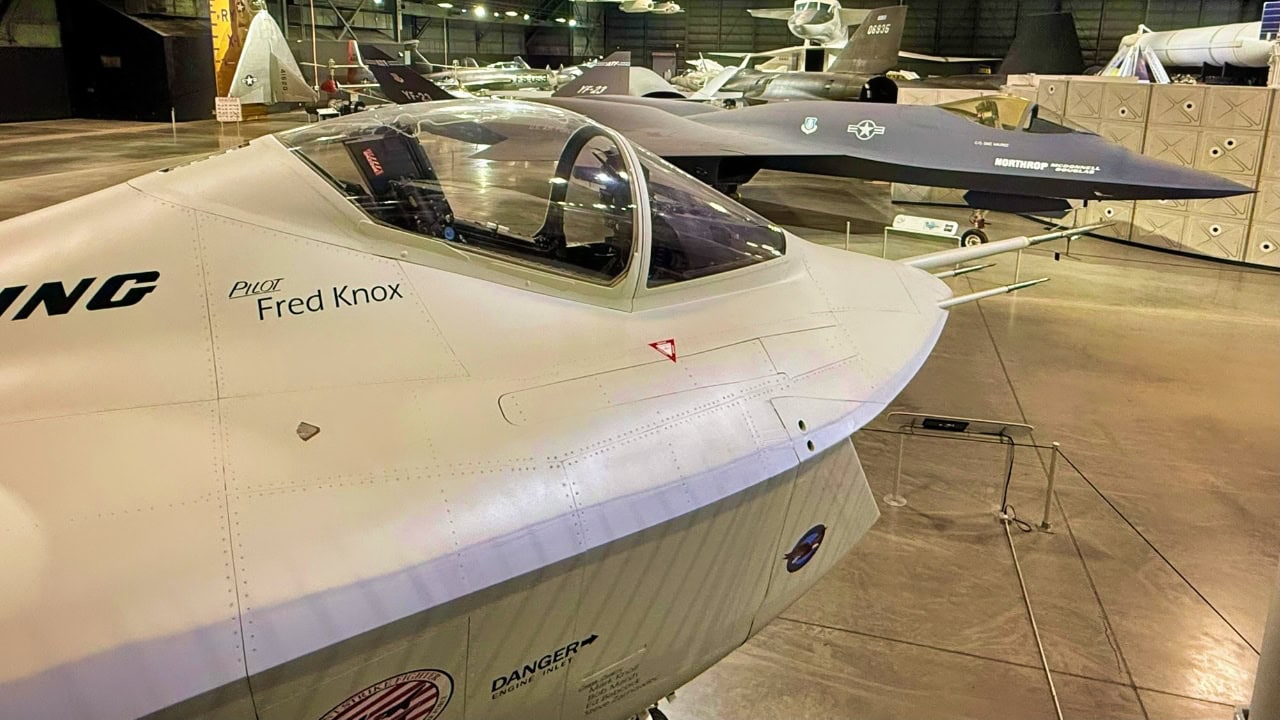
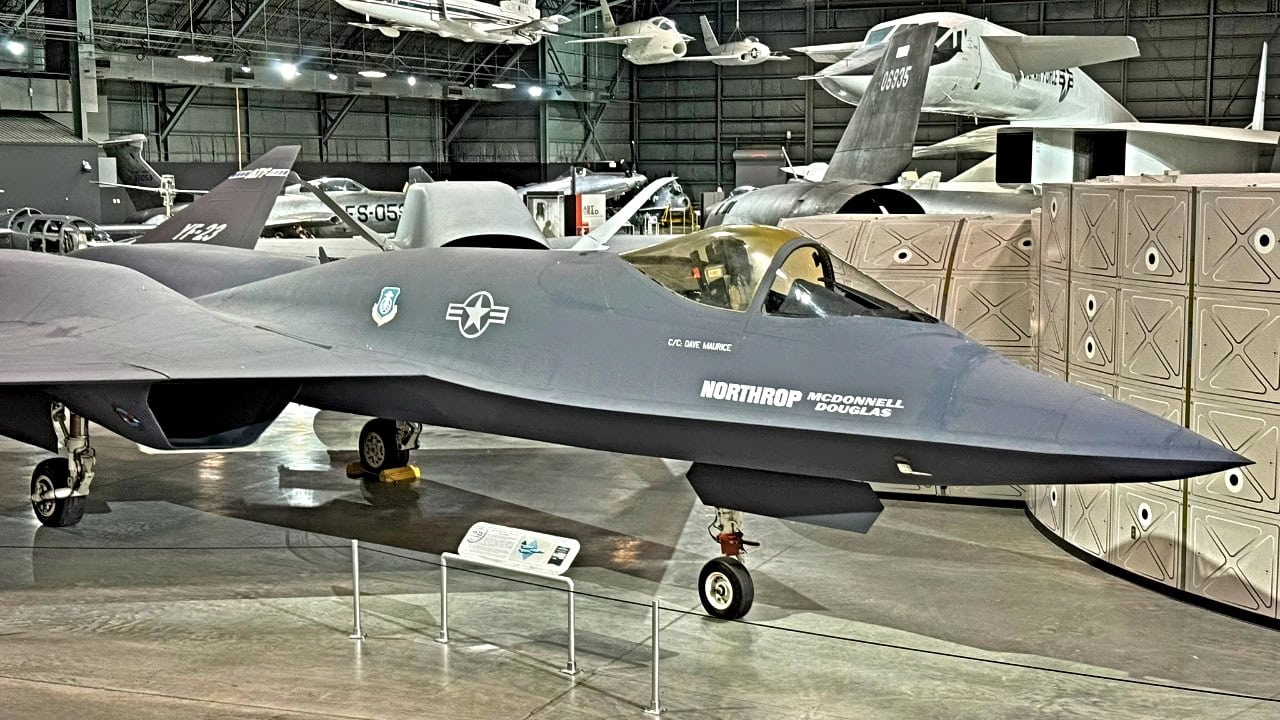
X-32 and YF-23 Together at U.S. Air Force Museum. 19FortyFive.com Image.

YF-23 Stealth Fighter. Image taken by Harry J. Kazianis for 19FortyFive.
What Was the YF-23?
But you may not know that the F-22 had a closely watched competitive fly-off, and it may not have become the dominant airplane you know today. There was the YF-23 that could have made the Raptor pack its bags and go home. Let’s take a look at how the YF-23 could have supplanted the Raptor as the best stealth fighter the world has ever seen.
This Was a Nip and Tuck Fly-off
The competition between the YF-22 and YF-23 was as close as the Air Force had ever experienced. Both airplanes were stellar, but the manufacturers looked at the fly-off differently and made difficult choices that affected the outcome.
History of the Program
The YF-22 and YF-23 flyoff goes back to the 1980s. The Air Force needed a stealth airplane that could outmatch the Su-27 and MiG-29. These Russian fighters were extremely agile, fourth-generation aircraft that the Americans worried would give them an advantage over the F-16 and F-15.
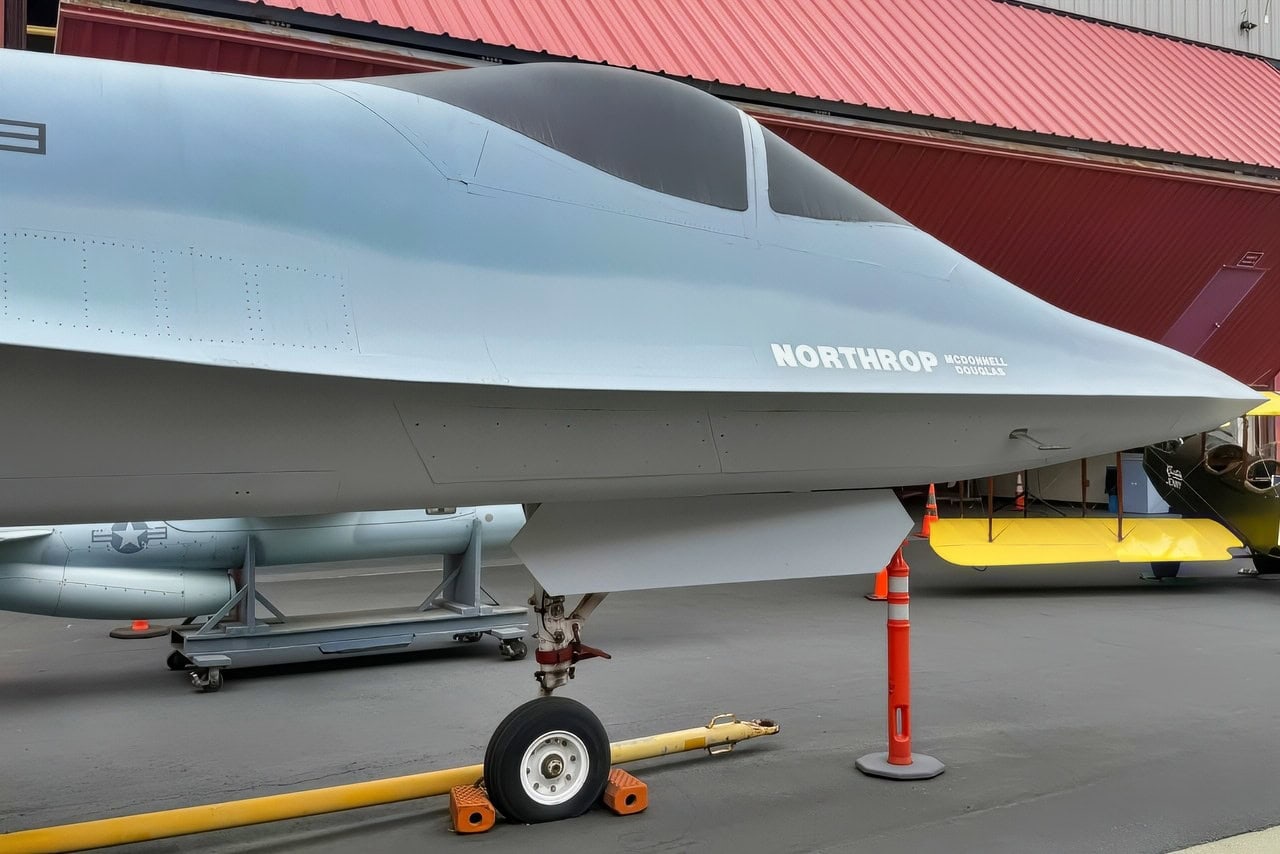
YF-23 Stealth Fighter. Image taken by Harry J. Kazianis for 19FortyFive.

YF-23 Stealth Fighter. Image taken by Harry J. Kazianis for 19FortyFive.
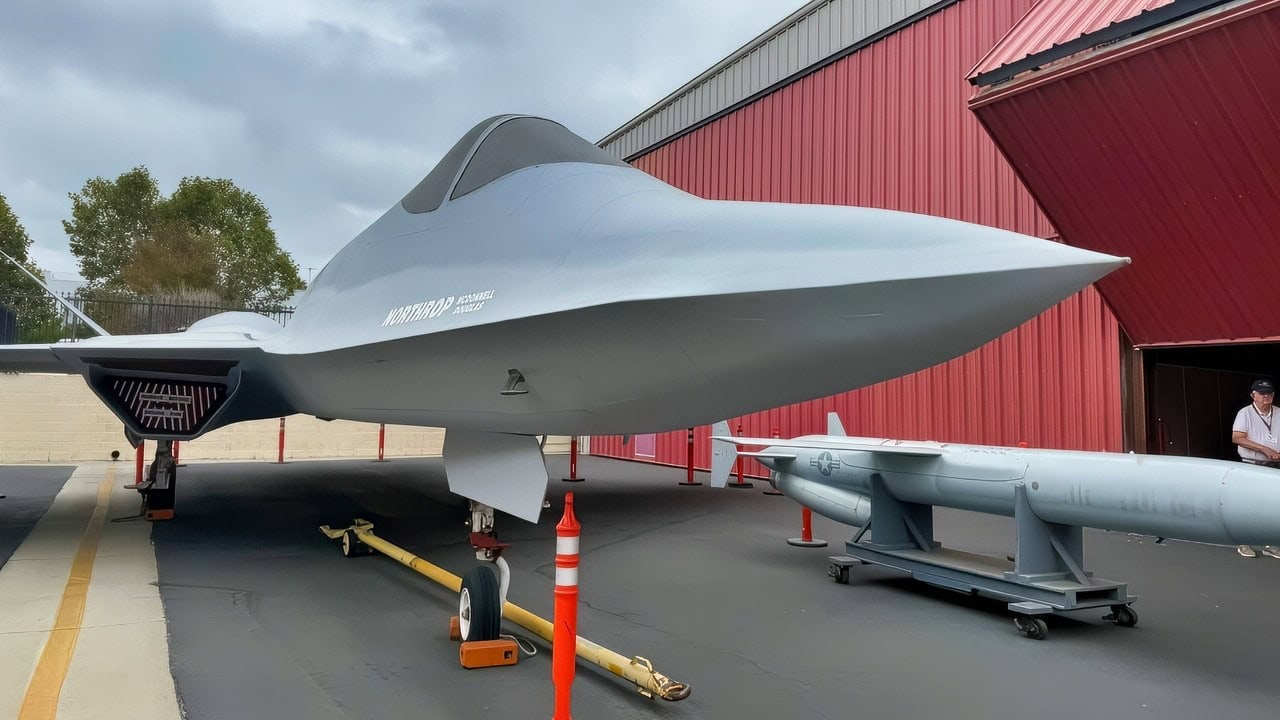
YF-23 Stealth Fighter. Image taken by Harry J. Kazianis for 19FortyFive.
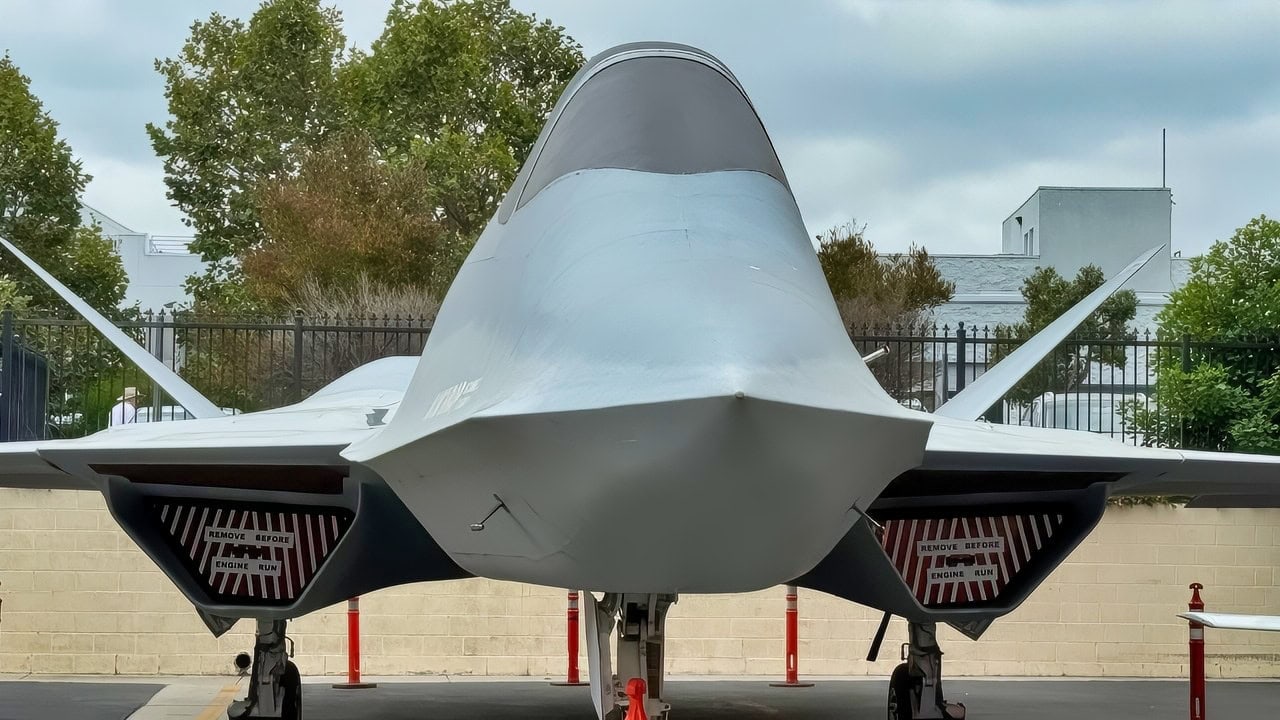
YF-23 at Western Museum of Flight. Image: 19FortyFive.com
Deft and Speedy Supercruise Was Required
The Air Force needed not only a top speed that could dominate the Russians but also a fighter jet with supercruise capability that could knife through the air without afterburners. This would allow the new airplane to save on fuel and be more maneuverable without the added weight.
The Air Force wanted to acquire a whopping 750 of the new stealth warbirds. Whoever won this competition would be swimming in dollars.
Two Teams Draw Battle Lines
By 1986, the defense contractors had broken into teams for what would become the YF-23 and YF-22 competition. Northrop teamed up with McDonnell Douglas. Lockheed, Boeing, and General Dynamics formed the other side. Lockheed was experienced with stealth flight after working on the F-117 Nighthawk. Northrop wanted to replicate the success it had had in developing the B-2 Spirit stealth bomber.
The YF-23 Had a Stunning Tail and Nose
The first thing that jumped out to the evaluators of the competition was the YF-23’s design. Both the YF-22 and YF-23 had diamond shapes for greater stealth. But the nose and tail sections of each airplane were different.
“The YF-23’s nose is striking, with its cockpit pushed forward on the airframe for improved visibility and a drooping duckbill of a nose adding to the platform’s alien aesthetic. On the back, an all-moving V-tail gave the fighter incredible maneuverability despite the platform lacking in the F-22’s thrust vectoring capabilities,” according to Sandboxx News.
Black Widow II and Grey Ghost
There were two YF-23 prototypes. One was known as the Black Widow II, painted black like a knight on a chessboard. The Black Widow II checked the speed box for the supercruise requirement. It could hit MACH 1.43 without afterburners using its two Pratt & Whitney engines. The other YF-23 model was slate grey and known as the Grey Ghost. The Grey Ghost had General Electric YF120 engines that produced an even higher MACH 1.6 during supercruise. This was slightly better than the YF-22’s MACH 1.58.

F-22 Raptor At National Museum of the Air Force. Photo Taken by Harry J. Kazianis for 19FortyFive Back in July 2025.

F-22 Raptor Exhibit Explainer 19FortyFive Photo. Taken By Harry J. Kazianis in July 2025 at the National Museum of the Air Force.

F-22 Raptor Model. Image Credit: 19FortyFive.com
YF-23 Could ‘Turn on a Dime’
When it came to flying without supercruise selected, the YF-23 could hit over MACH 2. The YF-23 was also stealthier but less maneuverable without the thrust vectoring that the YF-22 had. However, the YF-23 was lighter and more agile than the YF-22. “The large surfaces of the YF-23’s unique V-tail helped the fighter turn on a dime,” Sandboxx News noted.
YF-22 Test Pilots Pushed Harder and Won the Perception Battle
The Lockheed team flying the YF-22 then made a decision that would tip the scales in its favor. Lockheed test pilots decided to fly their airplane into maneuvers at high angles of attack, exceeding 9Gs. They also fired test missiles.
This gave the perception that the YF-22 was performing like a winning fighter jet that could take on all comers and give the Russians a run for their money. For some reason, the YF-23 aviators chose to play it safe and did not re-create the feats of the YF-22.
The YF-23 Could Have Been the Enemy’s nightmare.
This was disappointing because the YF-23 had a greater range than the YF-22, allowing it to fly farther without aerial refueling. This, combined with the YF-23’s improved stealth, meant it could operate deeper and penetrate enemy airspace better than the YF-22. However, the YF-22 had superior avionics and had the edge in maneuverability.
But Northrop Was Going Through a Controversial Era
The other problem was that the Air Force was worried about Northrop’s performance as a company that could deliver the goods without controversy. Some of its previous airplanes experienced schedule slips and cost overruns, prompting more Congressional oversight and media criticism. The YF-22 manufacturers did not have that problem.
“The thing I like about [the Lockheed proposal] is that the Air Force has confidence that the contractor team . . . can deliver at the cost the Air Force estimated,” Major General Josep W. Ralston, head of tactical fighter requirements for the Air Force, said at the time.
So, the YF-23 lost out to the YF-22 and later became the F-22 Raptor. This was a close competition and one that could have seen the YF-23 come out on top. The YF-23 still has its fans, and many wonder what would have happened should the test pilots have pushed the airplane harder during the fly-off.
The close competition yielded a great fighter jet in the Raptor, and we will never know what could have happened if the Grey Ghost or Black Widow II had been chosen instead.
About the Author: Brent M. Eastwood
Author of now over 3,000 articles on defense issues, Brent M. Eastwood, PhD is the author of Don’t Turn Your Back On the World: a Conservative Foreign Policy and Humans, Machines, and Data: Future Trends in Warfare plus two other books. Brent was the founder and CEO of a tech firm that predicted world events using artificial intelligence. He served as a legislative fellow for U.S. Senator Tim Scott and advised the senator on defense and foreign policy issues. He has taught at American University, George Washington University, and George Mason University. Brent is a former U.S. Army Infantry officer. He can be followed on X @BMEastwood.