

Cold War U.S. Navy analysts, watching the Soviets build something extraordinary at the Sudomekh shipyard in Leningrad through the 1960s and 1970s, reached a conclusion about the much-discussed idea of titanium submarines. A former engineer who worked on nearly every nuclear submarine project from Nautilus to the Seawolf-class, he explained to me on a few occasions, and it still rings true to this day: “We just decided titanium hulls weren’t worth the trouble.” He was pretty clear, noting that while “the benefits were amazing, the cost and work to achieve that sort of engineering success was not worth it to us.”
That is the entire story. The Soviets built six titanium-hulled nuclear attack submarines across the Alfa-class (Project 705 Lira) and the related Sierra-class (Projects 945 and 945A). The lone Papa-class prototype (K-222) and the lone Mike-class prototype (K-278, Komsomolets) added two more titanium-hulled submarines to the Soviet submarine force. A total of 8 titanium boats were put to sea between 1969 and the early 1990s. They could do things no American submarine could match.
The U.S. Navy never built a single one. Yes, I know, that seems rather strange in the context of the Cold War. And it makes sense, if you really look.
Titanium Submarines: What The Soviets Were Actually Trying To Do
The Soviet titanium submarine program was a deliberate strategic bet, and on paper, the bet looked extraordinary.
Titanium has a strength-to-weight ratio that steel cannot approach. A titanium pressure hull, properly welded, is roughly half the weight of a steel hull of equivalent strength.
That weight savings translates directly into operational performance: smaller, more efficient power plants required to move the boat, more reserve buoyancy for crew survivability, and, crucially, the ability to operate at depths that steel-hulled submarines simply cannot reach.
Titanium is also corrosion-resistant in saltwater and effectively non-magnetic, meaning a titanium-hulled boat is harder to detect with the magnetic anomaly detectors carried by NATO maritime patrol aircraft.
The performance numbers the Soviets achieved were genuinely staggering.
The Papa-class K-222 prototype, completed in 1972 at Severodvinsk, hit a top submerged speed of 41.2 knots — roughly 47 miles per hour underwater — and a test depth of 400 meters. The Alfa-class production boats matched the speed and operated routinely at depths beyond 700 meters. The Mike-class Komsomolets reportedly achieved a test depth of 1,000 meters before her loss in 1989.
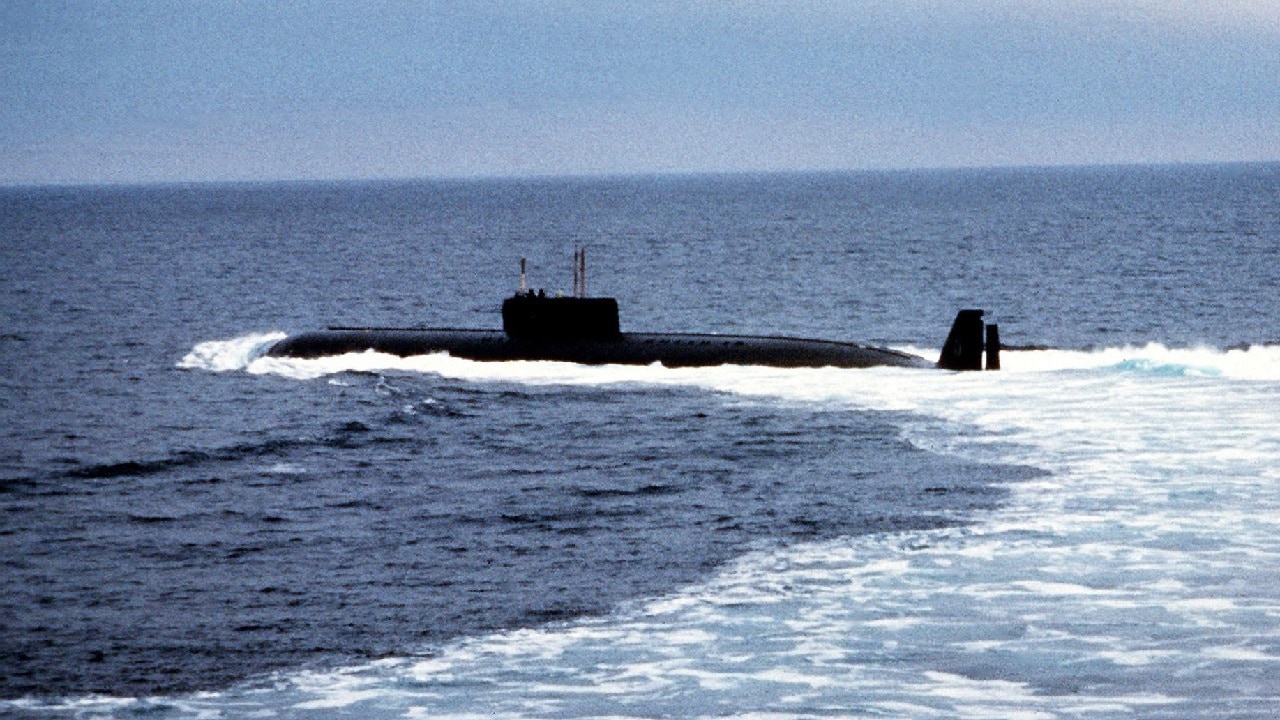
Papa-class Submarine.
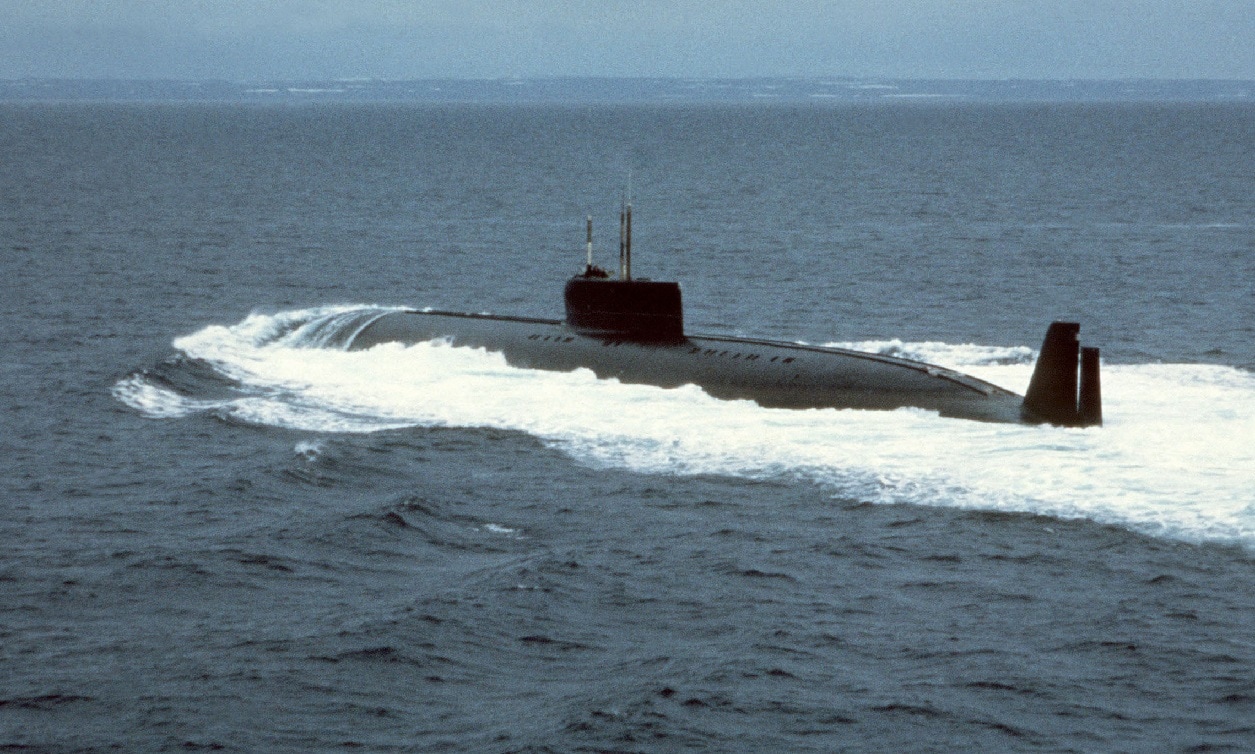
A port quarter view of a Soviet Papa class nuclear-powered cruise missile submarine (SSGN) underway. She was built with titanium.
For context: contemporary American Sturgeon-class and early Los Angeles-class submarines had test depths of roughly 400 to 450 meters and top speeds in the low 30-knot range. The Alfas could outrun, out-dive, and out-climb anything in the U.S. inventory. They were so fast that the U.S. Navy accelerated the ADCAP torpedo program and the Royal Navy launched the Spearfish torpedo program specifically because existing NATO weapons could not reliably catch them.
That was the offer. Build a titanium submarine fleet, dominate the depth and speed dimensions of undersea warfare, and force NATO to redesign its anti-submarine arsenal from scratch. The Soviets accepted the offer. The Americans did not.
What Building A Titanium Submarine Actually Costs
The reason the Americans declined comes down to what the Soviets had to do to actually weld a titanium hull together.
Titanium does not weld like steel. It is wildly reactive at high temperatures — it absorbs hydrogen, oxygen, and nitrogen from the surrounding atmosphere as it cools — and any contaminants can embrittle the weld and create microscopic flaws that turn into hull failures at depth. A submarine pressure hull cannot tolerate weld flaws. A submarine pressure hull at 600 meters tolerates them even less.
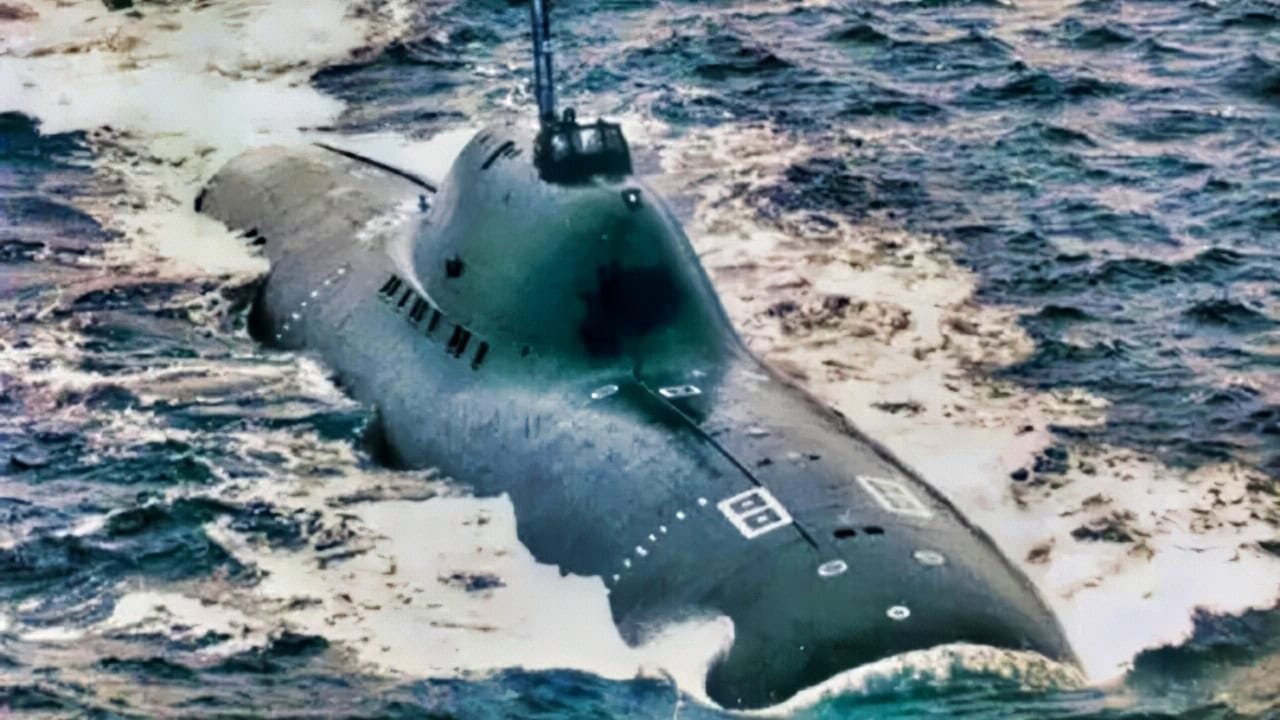
Titanium Submarine from Russia. Creative Commons Image.
To work around this, the Soviets built hermetically sealed industrial halls filled with argon gas. The welders worked inside what amounted to an industrial cleanroom the size of a warehouse, wearing pressurized suits with their own oxygen supplies — like spacesuits — to breathe while the inert atmosphere protected the welds. Argon was continuously flooded throughout construction. Every weld required exacting metallurgical precision; even minor errors compromised the boat’s structural integrity.
The cost was extraordinary even by Soviet standards.
The Papa-class prototype alone — a single submarine — reportedly consumed approximately 1 percent of the entire Soviet 1968 GDP to build. That figure does not include the ongoing maintenance costs, which were also significantly higher than those of steel-hulled boats. Titanium hulls degrade differently from steel hulls.
They corrode in different ways at different rates. Repairs require the same argon-filled clean rooms as initial construction. The Soviet Union, which had a state-directed economy capable of concentrating resources on prestige projects without making a conventional industrial business case, struggled to maintain the infrastructure needed to support the titanium fleet throughout its operational lifecycle.
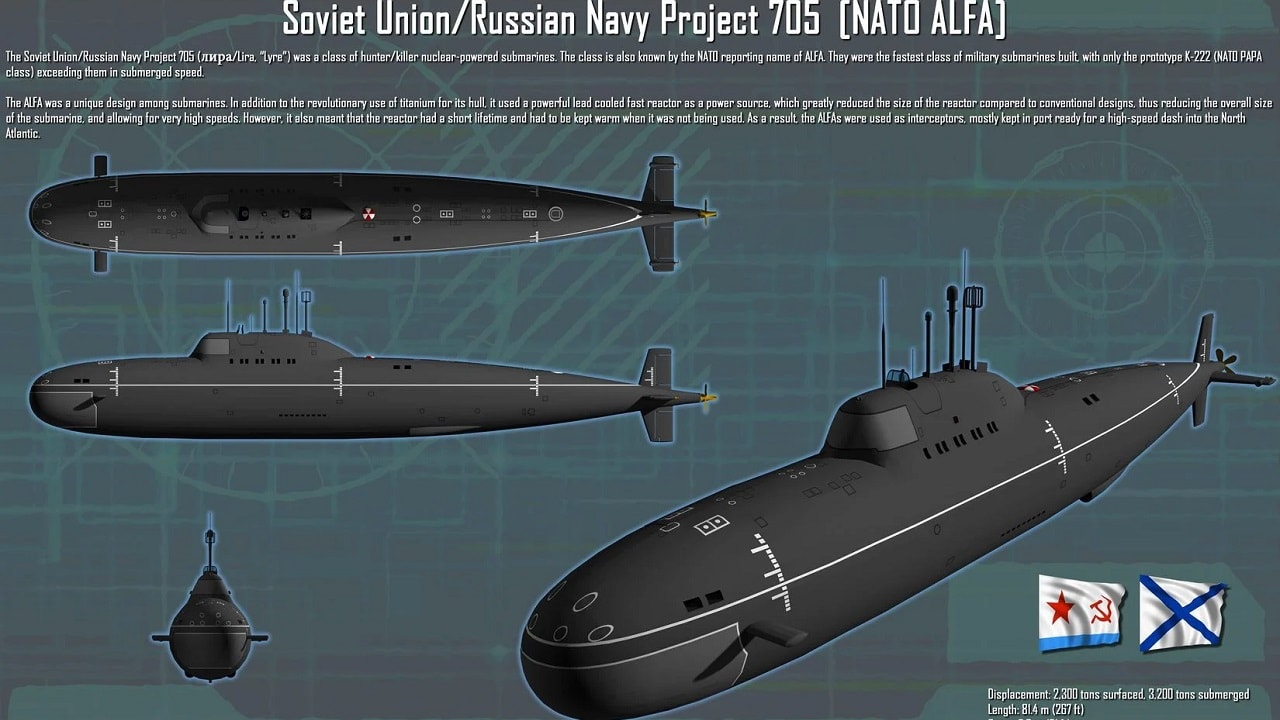
Alfa-Class Submarine. Image Credit: Creative Commons.
Lead Alfa-class boat K-64 entered service in 1971 and was decommissioned shortly after cracks developed in its hull. Subsequent Alfas had improved metallurgy and welding, but the program never produced more than six production boats across nearly two decades of construction.
The American calculation, reached early and held throughout the Cold War, was straightforward: in the time it took a Soviet shipyard to weld one titanium hull, an American shipyard could build multiple conventional steel-hulled boats. For the same cost. With a fraction of the industrial-base risk.
What The Americans Bet On Instead
The U.S. Navy made a different bet, and it was an acoustic one.
While the Soviets chased titanium, the Americans invested in steel. Specifically, the high-strength steel alloys HY-80 and HY-100 — nickel-molybdenum-chromium alloys that gave American submarines roughly 60 to 70 percent of the depth performance of titanium at a fraction of the cost — had established industrial supply chains and a workforce that knew how to weld them.
What the Americans got in exchange for accepting steel’s depth limits was the ability to invest the saved money in things that turned out to matter more than depth:
Sound silencing. The Los Angeles-class, built in numbers approaching 60 hulls between 1972 and 1996, was substantially quieter than any Soviet boat. The Seawolf-class, when it briefly existed as a planned 29-boat program, was quieter still. By the late Cold War, American submarines could detect Soviet boats at ranges substantially greater than the reverse, meaning the American boat got the first detection, the first solution, and the first shot.
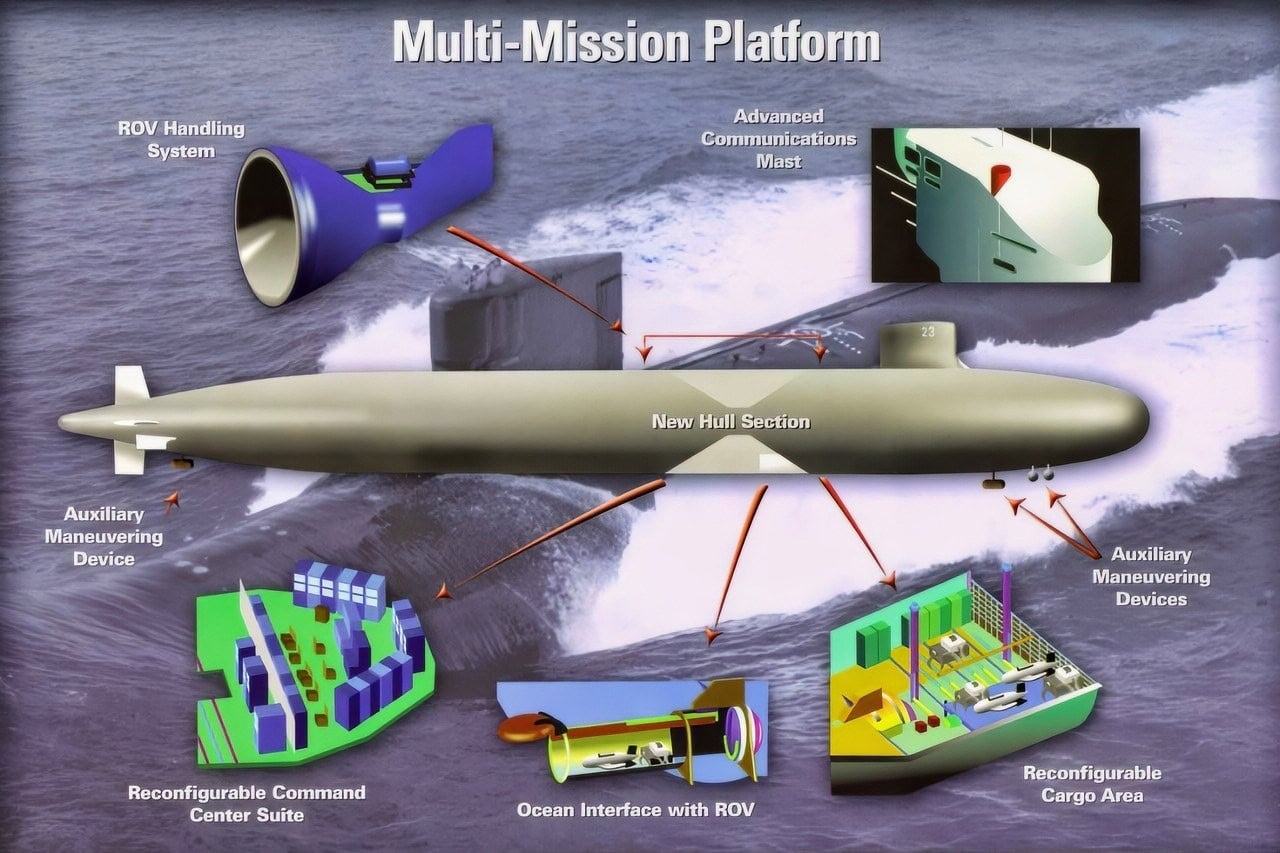
USS Jimmy Carter Seawolf-Class. Image Credit: Creative Commons.
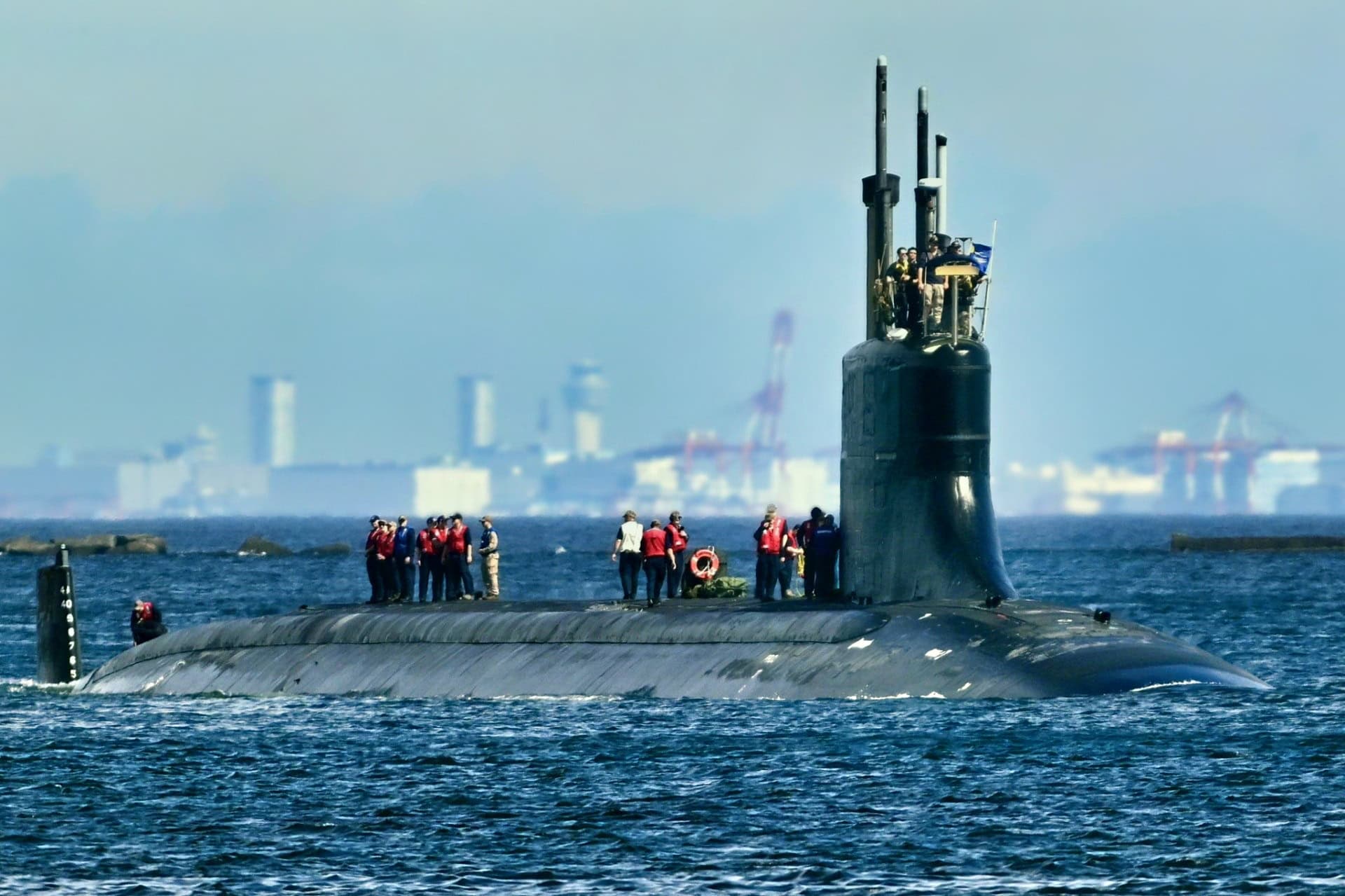
Seawolf-Class Submarine. Image Credit: Creative Commons.
Sensor performance. American passive sonar arrays, signal processing, and acoustic libraries gave U.S. boats a tactical advantage that titanium could not counter. The Alfa’s lead-bismuth liquid-metal reactor — the technology that enabled its extraordinary speed — was extremely loud. American passive sonar could hear an Alfa at long range even when the Alfa was making no effort to be quiet. The Soviet titanium fleet was tactically transparent precisely because the propulsion plant that enabled its speed could not be quieted.
Weapons. The Mark 48 ADCAP torpedo program produced a weapon that could pursue and kill an Alfa at 50-plus knots. The Royal Navy’s Spearfish torpedo did the same. The depth and speed advantages that titanium provided were neutralized at relatively modest cost by smarter, faster, more capable weapons.
Reliability. American boats spent more time at sea, executed longer patrols, and required less specialized maintenance infrastructure. The Los Angeles-class hulls being retired in 2025 and 2026 are boats that delivered 30-plus years of operational service across global deployments. The Alfa-class boats were retired in the 1990s after roughly 20 years of service apiece.
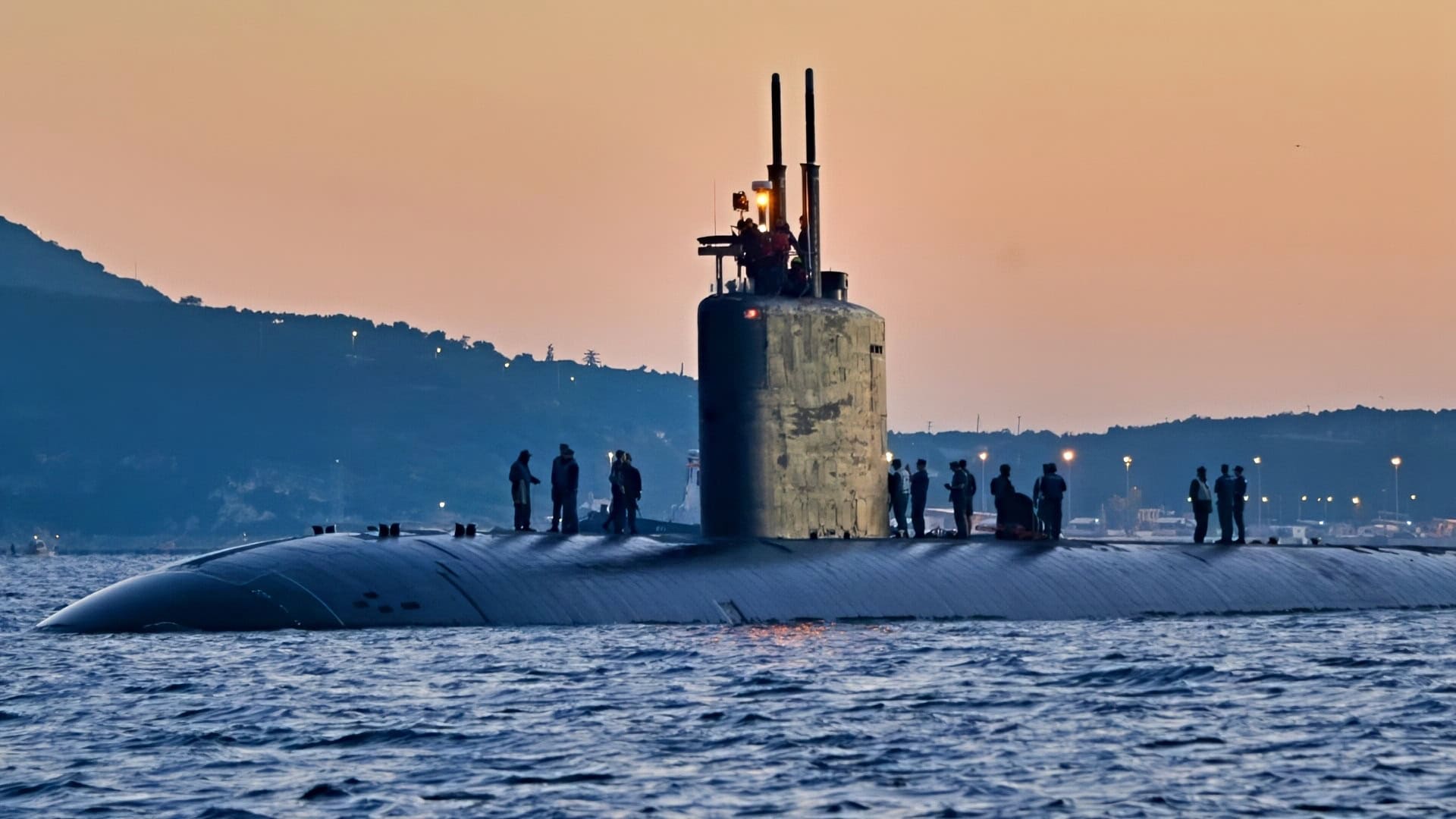
USS Boise (SSN 764) enters Souda Bay, Greece, during a scheduled port visit Dec. 23, 2014. Boise, a Los Angeles-class submarine, homeported in Norfolk, is conducting naval operations in the U.S. 6th Fleet area of operations in support of U.S. national security interests in Europe. (U.S. Navy photo by Mass Communication Specialist 2nd Class Jeffrey M. Richardson/Released)
The Calculation In Hindsight
Forty years on, the American bet looks correct.
The Soviets built genuinely impressive boats. The Americans built a fleet. By 1990, the U.S. Navy operated more than 90 nuclear-powered submarines against a Soviet fleet that, despite the headline-grabbing titanium classes, was largely composed of conventional steel-hulled boats whose acoustic performance American intelligence had thoroughly characterized.
The titanium boats themselves were impressive but operationally limited. They were difficult to maintain, expensive to repair, and lost their advantage the moment American sonar acquired them, which, given how loud their reactors were, was usually first.
The Alfa class served from the early 1970s into the early 1990s and never engaged in combat. The Mike-class Komsomolets sank in the Norwegian Sea in 1989 with the loss of 42 crew members, an accident that highlighted just how unforgiving titanium-hulled submarines were when something went wrong at extreme depth.
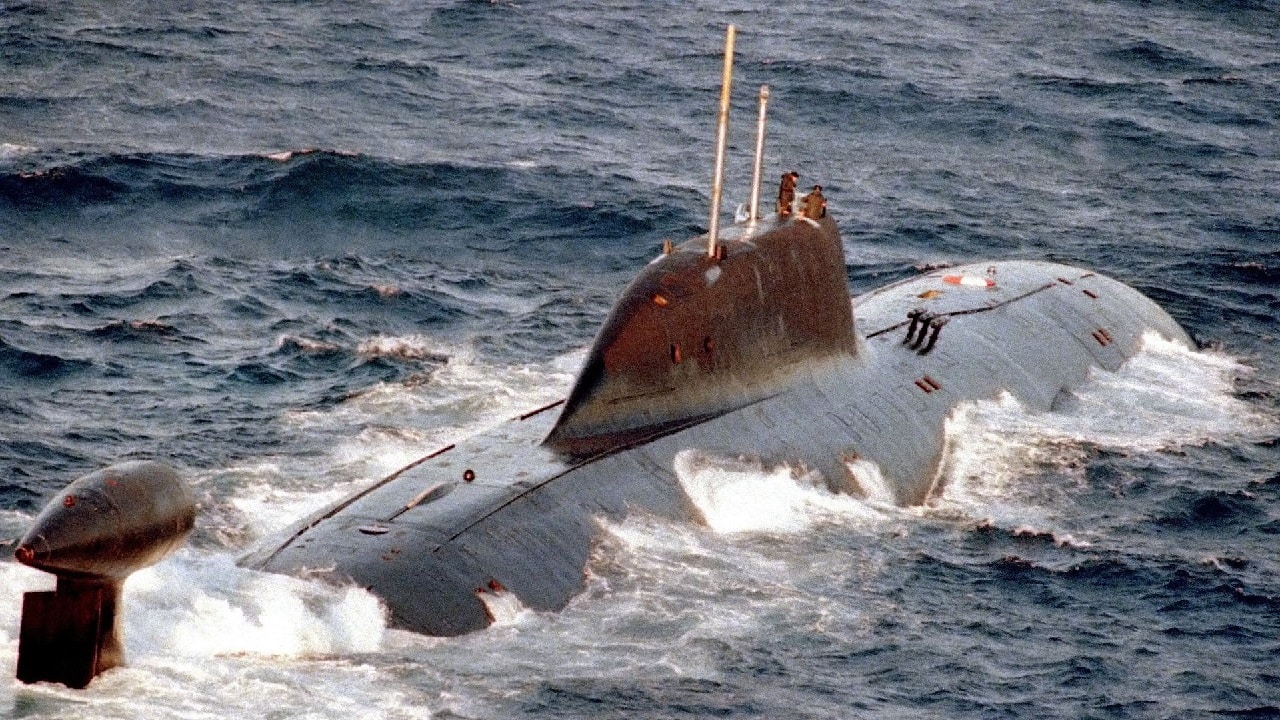
K-322 Cachalot, Akula class submarine underway. A port quarter aerial view of the Russian Northern Fleet AKULA class nuclear-powered attack submarine underway on the surface.
What the Soviets developed in titanium technology, however, did not entirely go to waste. The Akula-class (Project 971) attack submarines that became the backbone of late-Soviet and Russian undersea forces incorporated much of the automation, control system architecture, and industrial knowledge developed for the Alfa program — built into a steel hull at substantially lower cost. The lessons of the titanium experiment shaped a generation of Russian conventional submarines.
Could The Americans Build A Titanium Submarine Today?
Probably yes. Whether it would be worth doing is a different question. As a naval engineer explained to me over the weekend: “Can we go titanium on nuclear submarines? Sure, we have the technology. But why would we when we can barely build the subs we have at such a slow rate? This would only slow things down more.”
Modern additive manufacturing techniques have substantially reduced the cost of working with titanium. Aerospace applications have driven down per-pound titanium costs, established commercial supply chains for high-grade titanium plates, and produced welding technologies that are far less demanding than the argon-filled cleanroom approach the Soviets used.
The U.S. Navy uses titanium today in components — pump impellers, certain piping systems, high-stress fittings — but not in pressure hulls. The reasons calculation is unlikely to change anytime soon are the same ones that kept it from changing during the Cold War.
The Virginia-class is being built at 1.2 boats a year against a target of 2.33. The submarine industrial base cannot deliver the steel-hulled boats the Navy already has under contract, much less reorganize itself around an exotic-metal alternative. A titanium submarine program would require new welding infrastructure, a new metallurgical workforce, new supply chains, and a willingness to accept higher per-hull costs at exactly the moment the Navy is trying to drive Virginia-class costs down.
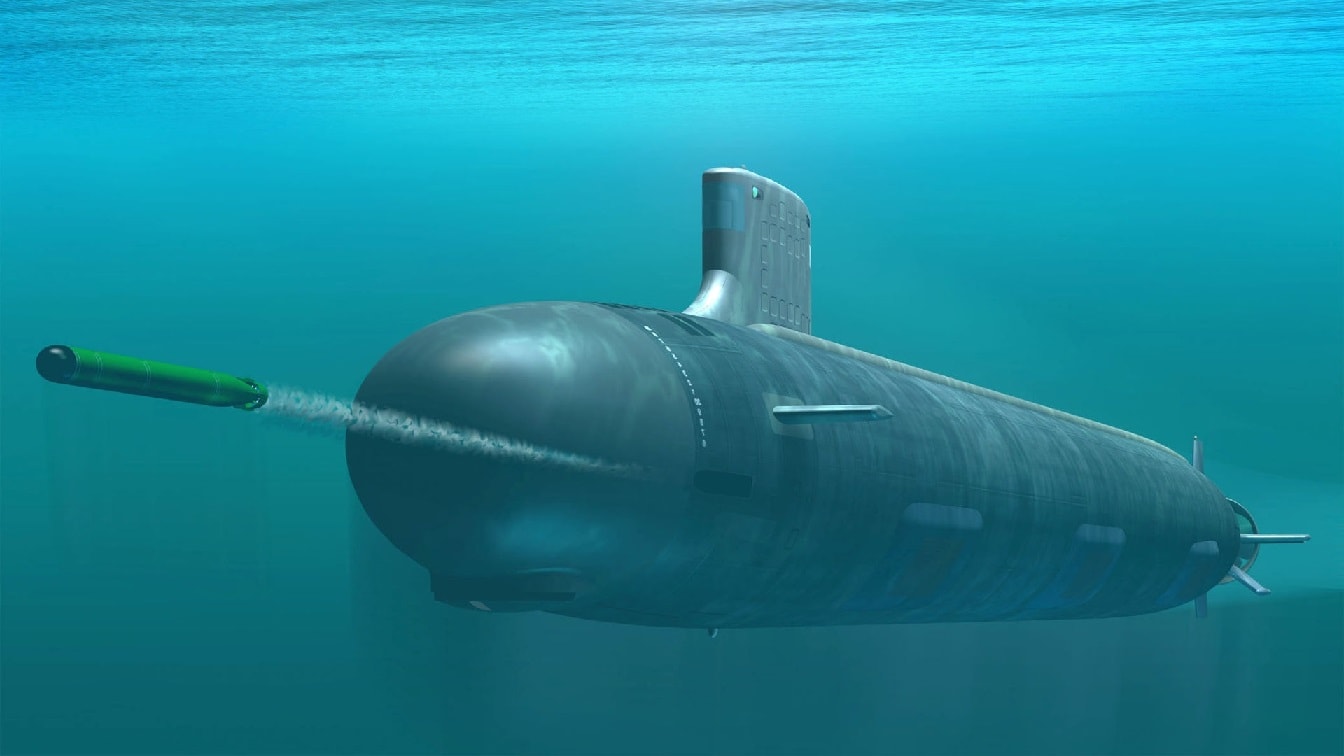
Image of Virginia-Class Submarine. Image Credit: Creative Commons.
More fundamentally, the strategic case for titanium has weakened over the past four decades. The depth advantage matters less than it once did because modern torpedoes are not depth-limited the way 1970s torpedoes were. The speed advantage matters less than it once did because modern sonar processing can prosecute a fast target across a wider range of geometries. The non-magnetic advantage matters less than it once did because modern anti-submarine warfare relies on acoustic signatures more than magnetic ones.
What still matters — what has always mattered — is whether the boat is quiet enough that the other guy doesn’t hear it before you hear him.
The Americans won that fight in steel.
The Soviets did not lose it in titanium because of the metal. They lost it in titanium because the propulsion plants they had to put inside those hulls to make the metal worth using were too loud to win the only fight that ultimately counted. That is the lesson that mattered then. It is the lesson that still matters now.
About the Author: Harry J. Kazianis
Harry J. Kazianis (@Grecianformula) was the former Senior Director of National Security Affairs at the Center for the National Interest (CFTNI), a foreign policy think tank founded by Richard Nixon based in Washington, DC. Harry has over a decade of experience in think tanks and national security publishing. His ideas have been published in the NY Times, The Washington Post, The Wall Street Journal, CNN, and many other outlets worldwide. He has held positions at CSIS, the Heritage Foundation, the University of Nottingham, and several other institutions related to national security research and studies. He is the former Executive Editor of the National Interest and the Diplomat. He holds a Master’s degree focusing on international affairs from Harvard University. Kazianis is Editor-In-Chief of 19FortyFive.

