
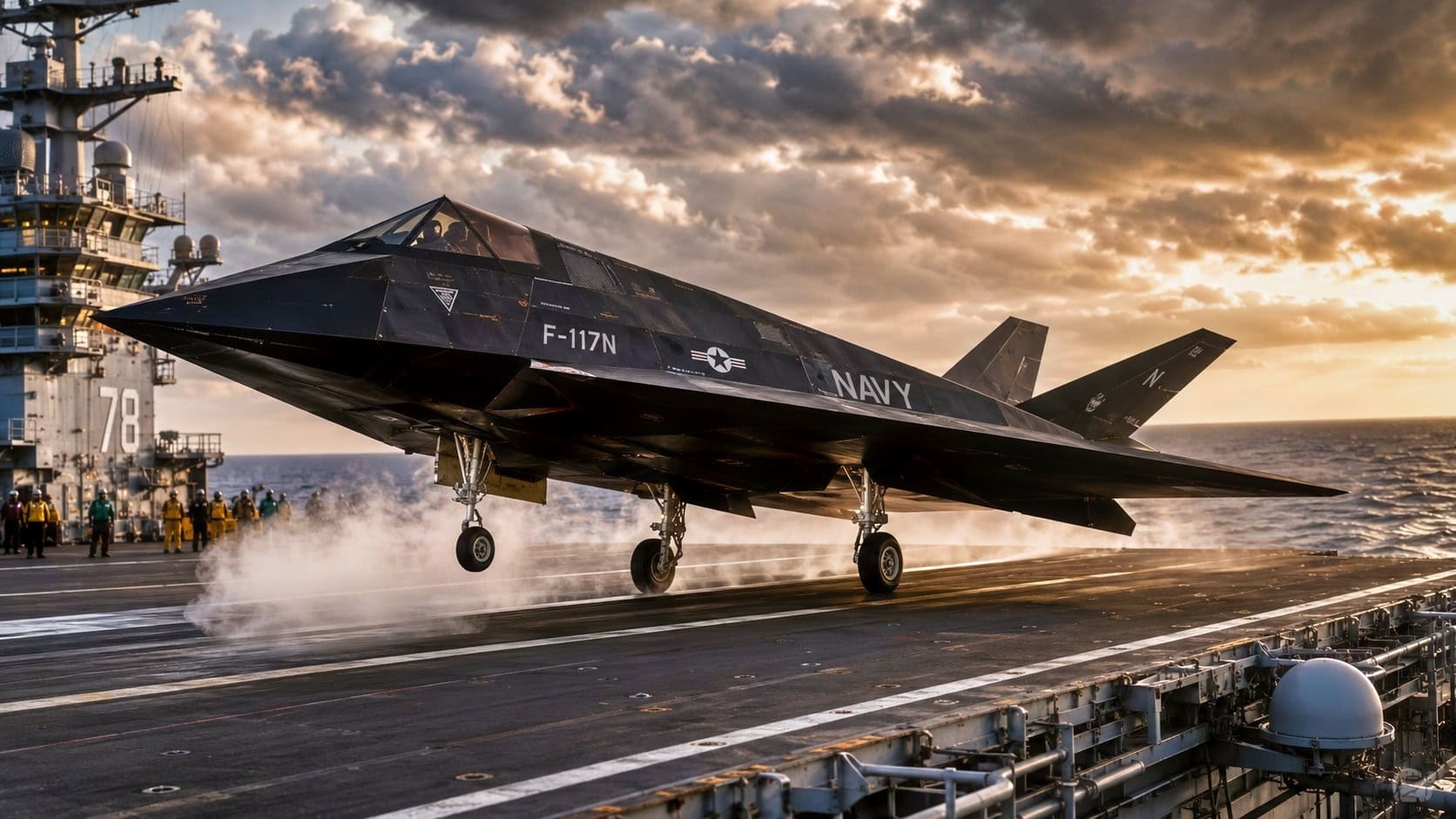
In the early 1990s, the United States Navy was offered carrier-based stealth twice, by the only company on earth that had actually built an operational stealth aircraft, and turned it down both times. The F-117N Seahawk is usually filed under aviation trivia, a curiosity with artist renderings and no metal. It deserves harder treatment, because the timing makes it one of the most consequential refusals in naval aviation history: the offers arrived in the exact window after the Navy’s own stealth program collapsed, and the second refusal committed the fleet to a quarter century without a low-observable aircraft on any flight deck. This column has examined the costs of canceling the A-12 Avenger to the carrier force. The Seahawk is the sequel — the story of the replacement the Navy was handed and declined.
Editor’s Note: This piece has some of my own personal F-117 Nighthawk photos from a 2025 visit to the National Museum of the U.S. Air Force, where a F-117 Nighthawk rests.
1992: A Nighthawk With A Tailhook For A Navy With Nothing

F-117 Nighthawk at National Museum of Air Force 19FortyFive Photo
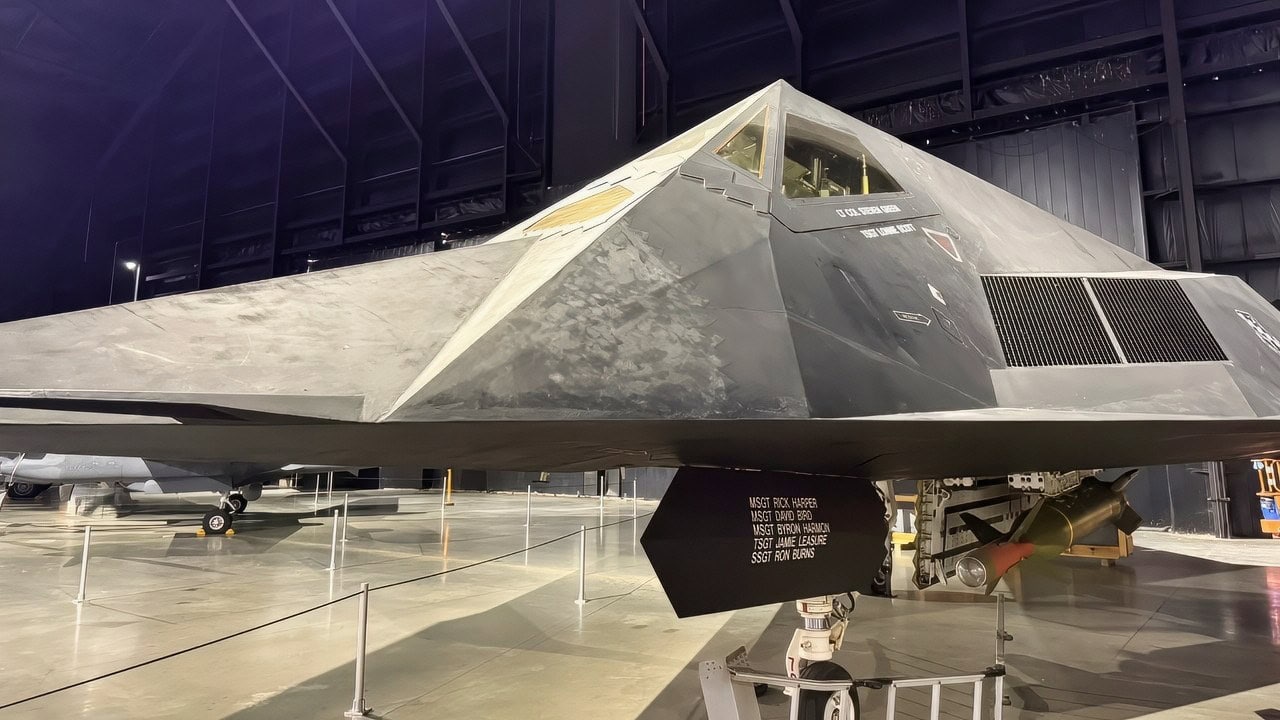
F-117A Nighthawk at USAF Museum. Image taken by 19FortyFive Owner, Harry J. Kazianis.
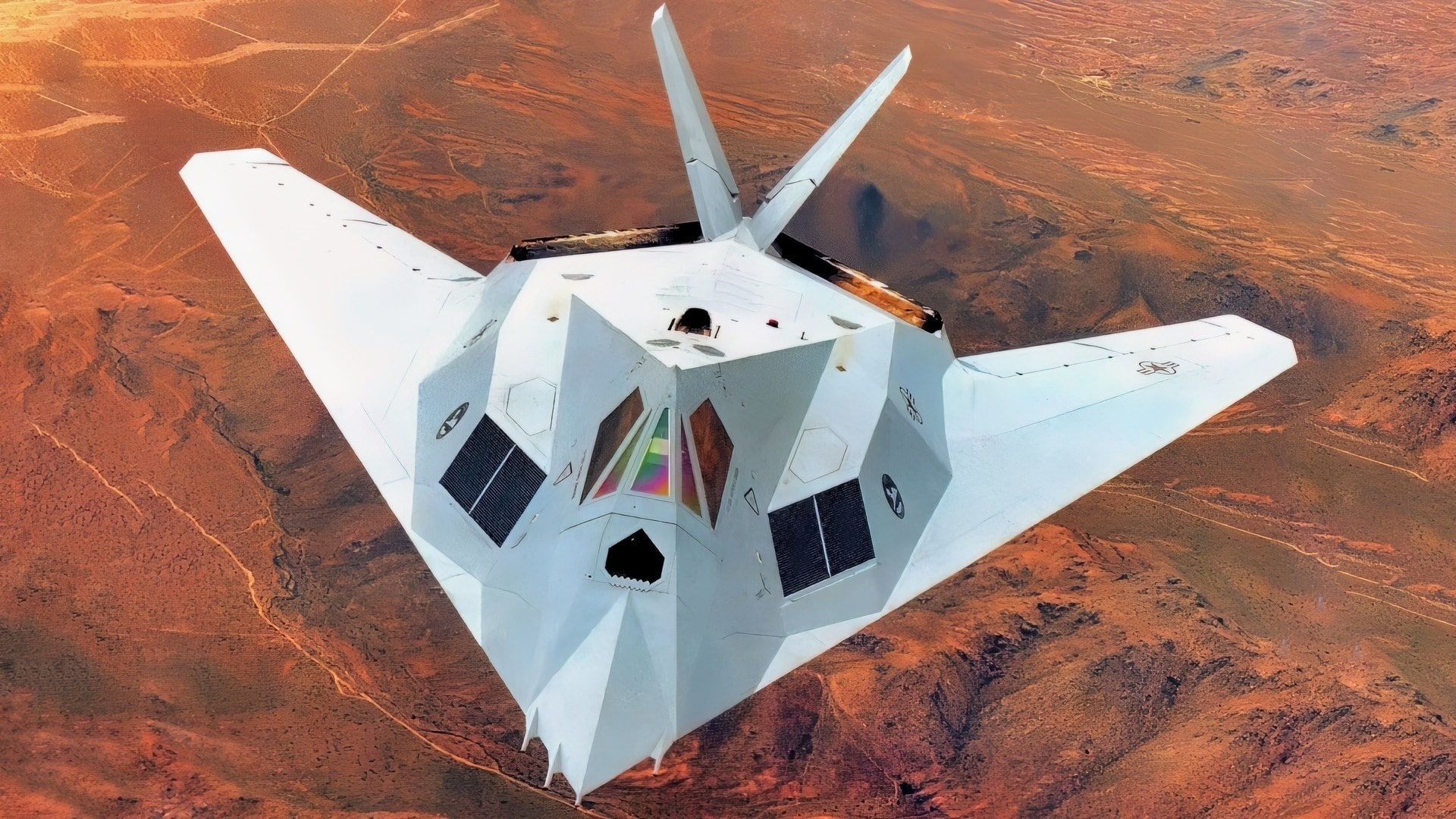
F-117 Nighthawk in White Config. Image Credit: Creative Commons.
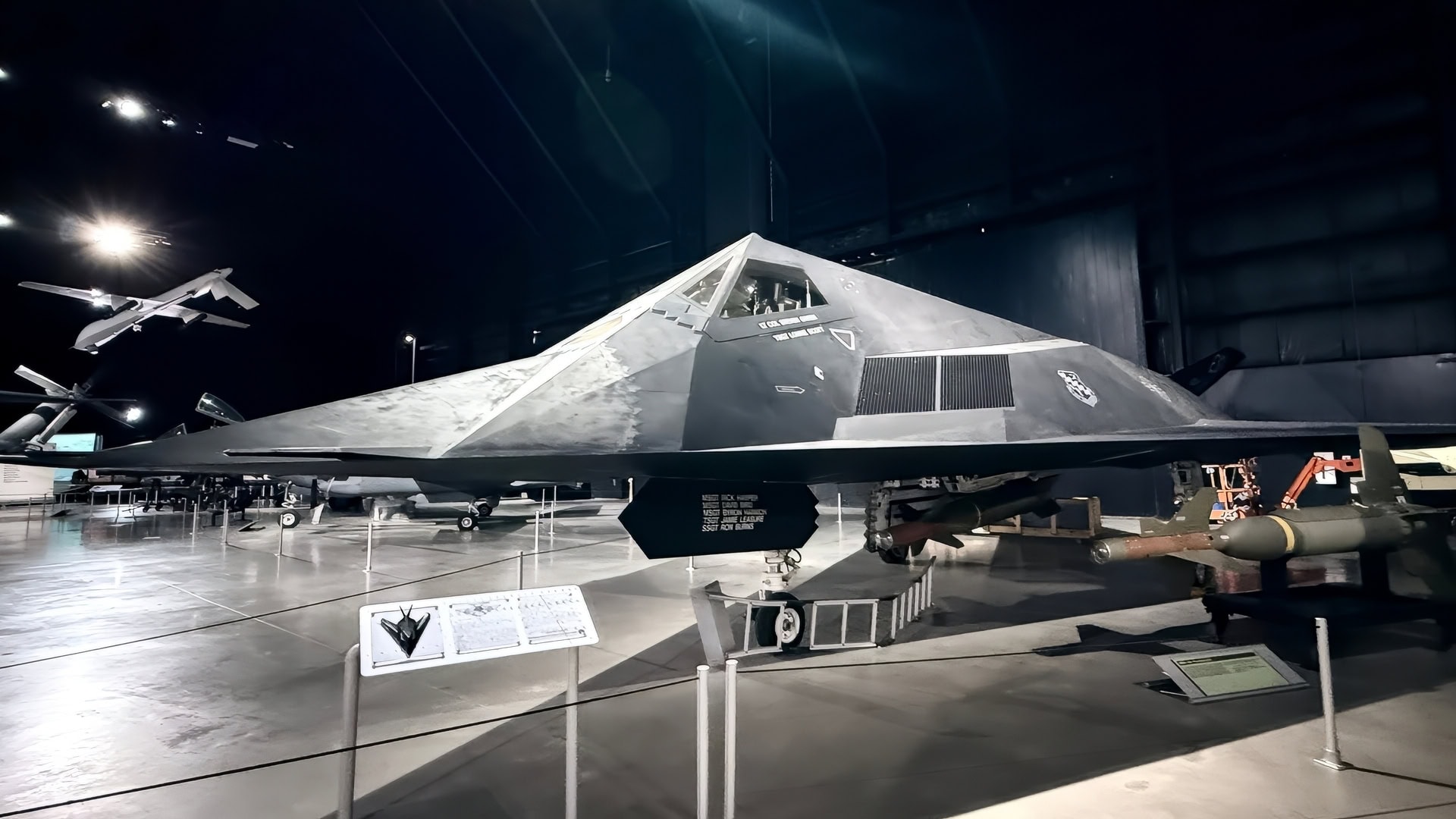
F-117A Nighthawk 19FortyFive.com Image. Taken on July 2025 at the National Museum of the U.S. Air Force by Harry J. Kazianis.
The context was a vacuum. The Navy’s A-12 flying wing died in January 1991, leaving the Advanced Tactical Aircraft requirement unfilled and the fleet’s stealth ambitions in ruins, while ten days later, the F-117 over Baghdad became the most famous airplane in the world. The Gulf War transformed the Nighthawk’s reputation in Congress as much as with the public, and Lockheed saw the opening.
In 1992, it pitched the F-117N Seahawk, and the first version was modest to the point of humility: essentially the existing Nighthawk fitted with an automatic carrier landing system and corrosion-resistant coatings for the salt environment. The pitch wrote itself. The Navy had just lost its stealth bomber; here was a combat-proven stealth attack jet, available immediately, from a hot production line.
The Navy rejected it outright, and the Royal Air Force passed on its own variant for good measure.
Why The Navy Said No The First Time
The refusal had real logic behind it. The Navy of 1992 was phasing out its pure attack aircraft — the A-6 and A-7 were heading for retirement — in favor of multirole Hornets and bomb-hauling F-14 upgrades, and the service wanted supersonic fighters that could do everything, not another single-mission specialist.
The F-117 was the purest specialist in the inventory: subsonic, radar-less, limited to two bombs, demanding in the pattern, and built around a first-generation faceted stealth shape that traded away flying qualities for invisibility.
The name itself was marketing; Air Force officials had hung the “F” designation on an attack jet partly to attract fighter pilots to the program, as the same reporting on the Navy’s stealth saga records. A deck cycle built around catapult weights, approach speeds, and maintenance density had no obvious home for a delicate, single-role land-based bomber, and the Navy chose to wait for the multirole stealth fighter it expected the Joint Advanced Strike Technology program to deliver.
The A/F-117X: Lockheed’s Serious Second Try
Lockheed came back with an answer to every objection, and the second proposal was a genuinely different airplane.
The redesigned Seahawk — sometimes styled the A/F-117X — replaced the Nighthawk’s extreme 50-degree wing sweep with a 42-degree wing stretched roughly half again wider, to about 64 feet, with folding tips for the hangar deck and new horizontal tail surfaces to tame the jet at carrier approach speeds.
The landing gear was strengthened, a retractable tailhook was added, more powerful engines were proposed, and the weapons bays were bulged to roughly double the internal payload — including provisions for air-to-air missiles, answering the multirole demand by letting a radar-quiet Seahawk ambush opposing fighters that could not detect it.
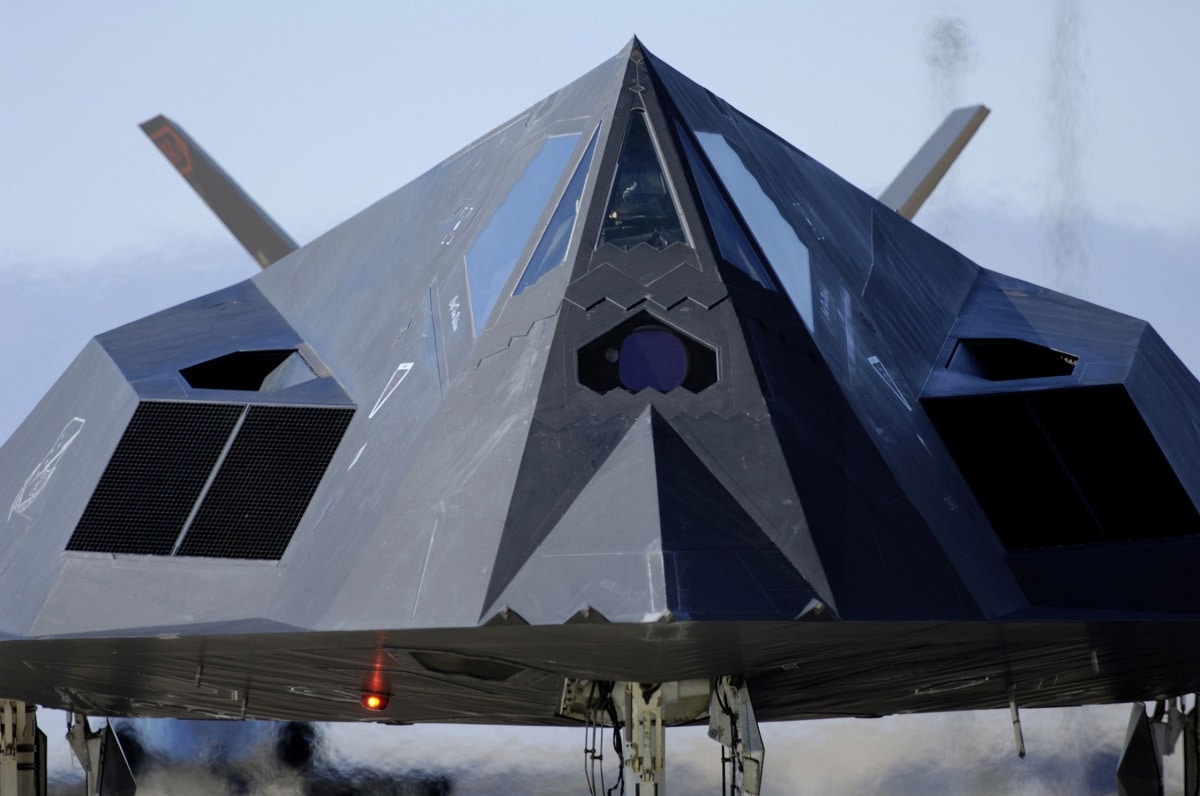
F-117 Stealth Fighter.
By the middle of the decade, Lockheed was reportedly pitching the package at around $70 million per aircraft for a production run in the hundreds, and the Senate Armed Services Committee was interested enough to allocate funds for a demonstration.
The Navy said no again, finally and completely, and committed itself to the JAST path that became the Joint Strike Fighter. The decision closed the only realistic route to carrier-based stealth in the twentieth century.
The Case For The Navy’s Decision
The honest accounting starts with the strong arguments for refusal, because they were strong. The F-117’s faceted shape was already obsolescent; Lockheed’s own F-22, flying within a few years, demonstrated that modern computing could produce aircraft both stealthy and high-performing, making the Nighthawk’s compromises look like exactly what they were — 1970s technology.
First-generation radar-absorbent coatings were maintenance nightmares ashore in climate-controlled hangars, and nobody could promise how they would survive salt spray, deck handling, and the violence of catapult shots and arrested landings.
A heavily modified variant of an existing aircraft is also a famous trap; the redesigned wing, tails, engines, and structure made the A/F-117X nearly a new airplane wearing an old jet’s silhouette, with development risk to match.
Furthermore, the Navy genuinely believed a better answer was coming, and on paper, it was right: the F-35C is incomparably more capable than any Seahawk could have been.
The Case Against: Twenty-Five Years Without Stealth At Sea
The F-35C reached its first squadrons in 2019. That is the other half of the ledger, and it is brutal. Between the second Seahawk rejection and the Lightning’s arrival, American carriers launched strikes into Iraq, Serbia, Afghanistan, Iraq again, and Libya without a single low-observable aircraft aboard — the Hornet family carried the entire attack mission alone — paying for access with jamming support, standoff weapons, and Air Force stealth flying from land.
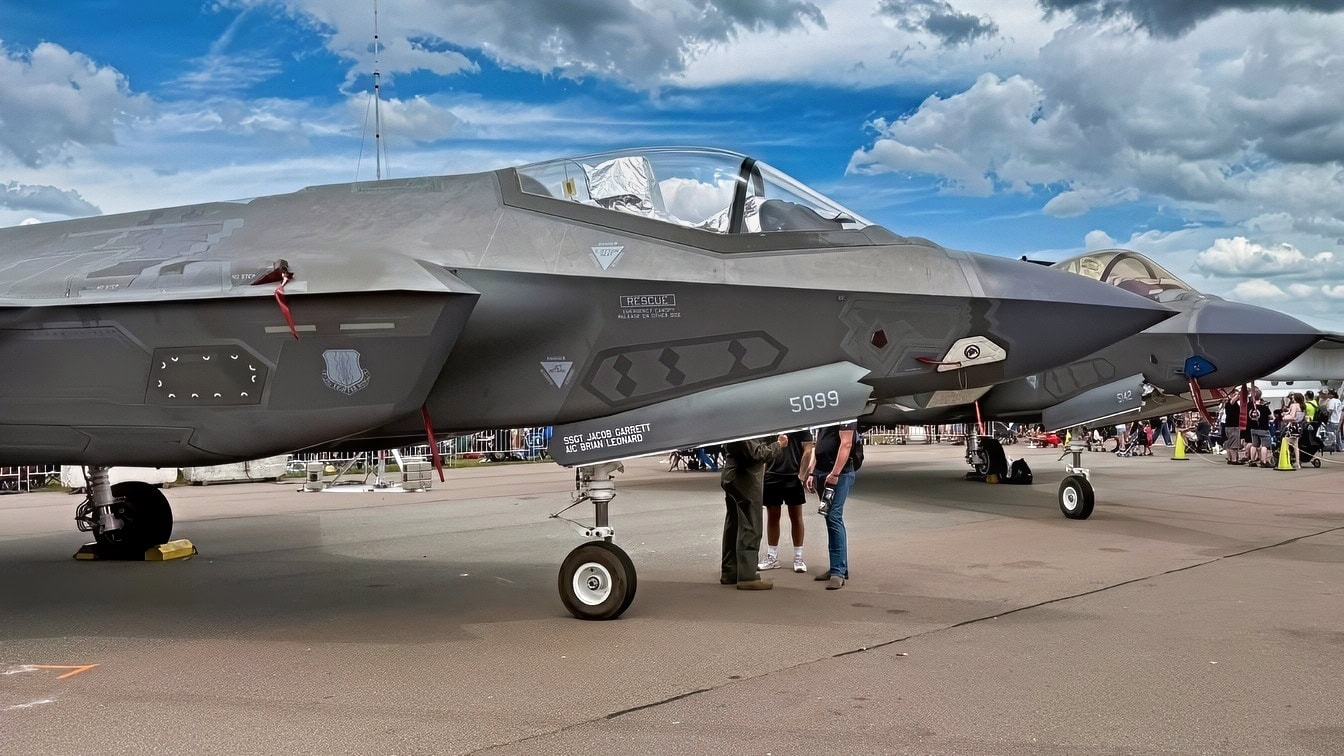
F-35C Lakeland Airshow 19FortyFive.com Image
The institutional cost ran deeper than any single campaign: naval aviation spent a generation building no expertise in stealth operations and maintenance at sea, a deficit the fleet is still working off. The Seahawk on offer in 1995 was imperfect, subsonic, and expensive.
It was also available — a squadron or two per deck by the early 2000s, conducting first-night strikes and learning the trade of stealth at sea fifteen years before the F-35C taught it. The choice was never between the Seahawk and the F-35C; it was between an imperfect stealth jet in 2000 and a perfect one in 2019, and the wars of those two decades were fought either way.
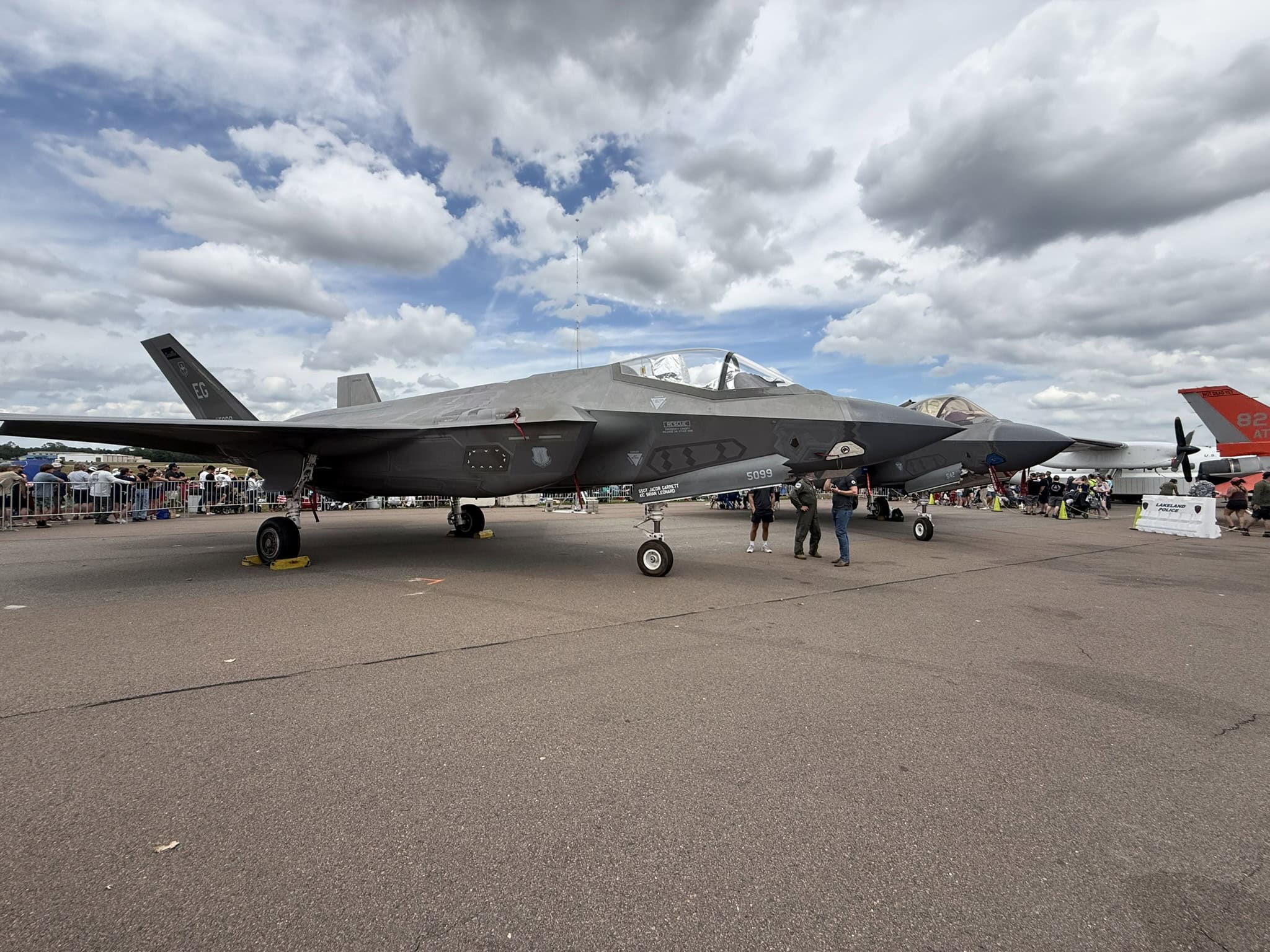
F-35C at Lakeland, Florida Airshow. Image Credit: 19FortyFive.com
The pattern, moreover, did not end in 1995. This column traced how the Navy canceled the A-12, then spent thirty years rebuilding its concept as the X-47B demonstrator and retreating to a tanker.
The Seahawk refusal belongs to the same institutional habit: when offered the available aircraft, naval aviation has repeatedly preferred the ideal program — A/F-X, JAST, JSF, UCLASS, now F/A-XX — and the ideal program has repeatedly arrived a decade or two after the wars it was needed for.
The Lesson For F/A-XX
The Seahawk file reads differently in 2026 than it did as trivia, because the Navy is once again weighing a next-generation aircraft program against the pressures of cost, time, and the temptation to wait for something better.
The F/A-XX debate, the carrier air wing’s range problem, and the fleet’s late arrival to stealth all trace back through the same decision tree, and the 1990s branch points keep teaching the same lesson.
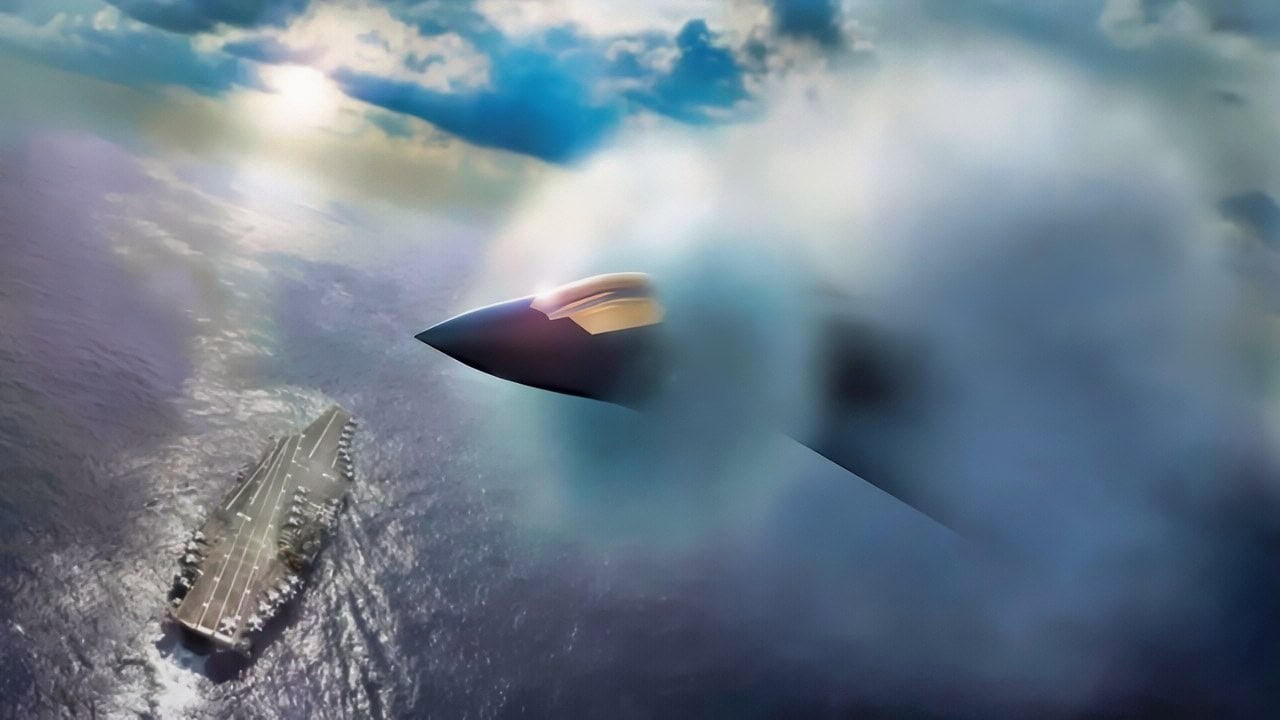
F/A-XX Boeing Image.
Lockheed’s proposal was easy to refuse on any given day — too specialized, too risky, too compromised. Refusing it cost a quarter-century.
The hardest judgment in procurement is not spotting a flawed airplane; the Seahawks’ flaws were obvious to everyone in the room.
MORE – China Can Build a New Aircraft Carrier in Less Than 2 Years
MORE – The U.S. Navy’s Aircraft Carrier Crisis Has No Easy Fix
It is weighing a flawed airplane that exists against a perfect one that does not, and the Navy’s record on that judgment, from the Seahawk to the present, is why American flight decks waited until 2019 for a capability Lockheed had offered to deliver before the millennium.
About the Author: Harry J. Kazianis
Harry J. Kazianis (@Grecianformula) was the former Senior Director of National Security Affairs at the Center for the National Interest (CFTNI), a foreign policy think tank founded by Richard Nixon based in Washington, DC. Harry has over a decade of experience in think tanks and national security publishing. His ideas have been published in the NY Times, The Washington Post, The Wall Street Journal, CNN, and many other outlets worldwide. He has held positions at CSIS, the Heritage Foundation, the University of Nottingham, and several other institutions focused on national security research and analysis. He is the former Executive Editor of the National Interest and the Diplomat. He holds a Master’s degree focusing on international affairs from Harvard University.

