
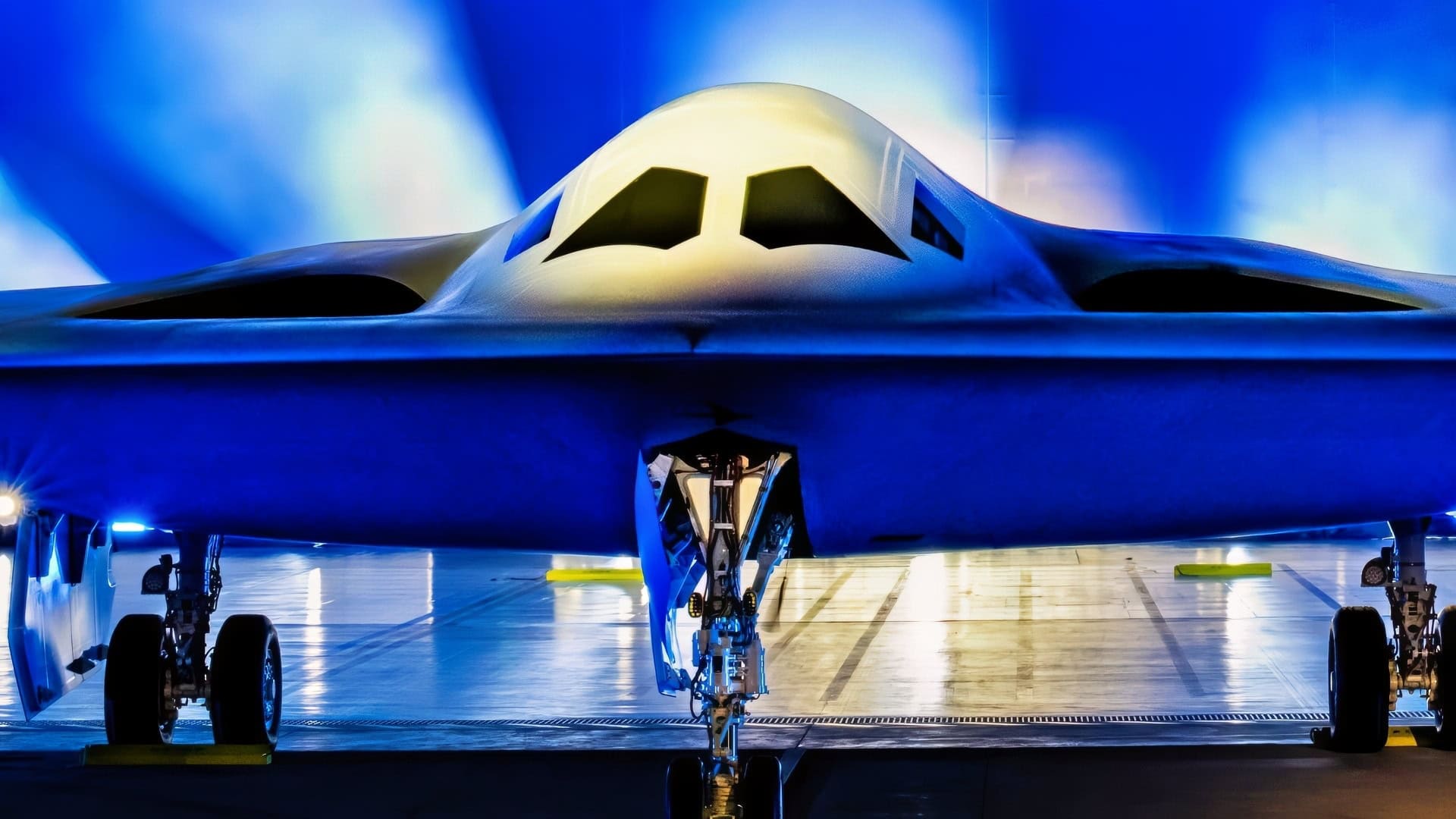
The B-21 Just Cleared Another Major Milestone
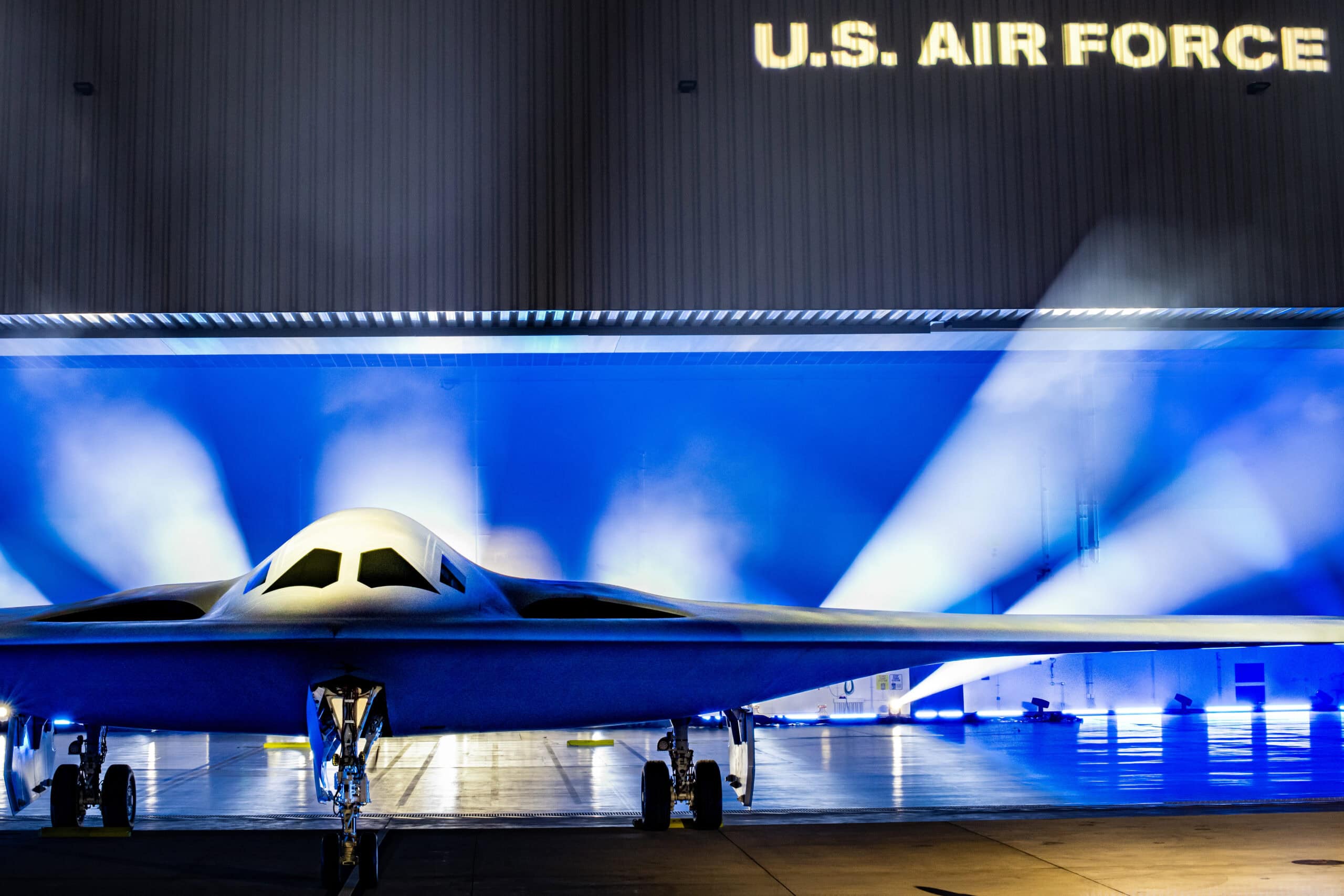
A B-21 Raider is unveiled at Northrop Grumman’s manufacturing facility on Air Force Plant 42 in Palmdale, California, Dec. 2, 2022. The B-21 will be a long-range, highly survivable, penetrating strike stealth bomber capable of delivering both conventional and nuclear munitions. (U.S. Air Force photo by Airman 1st Class Joshua M. Carroll)
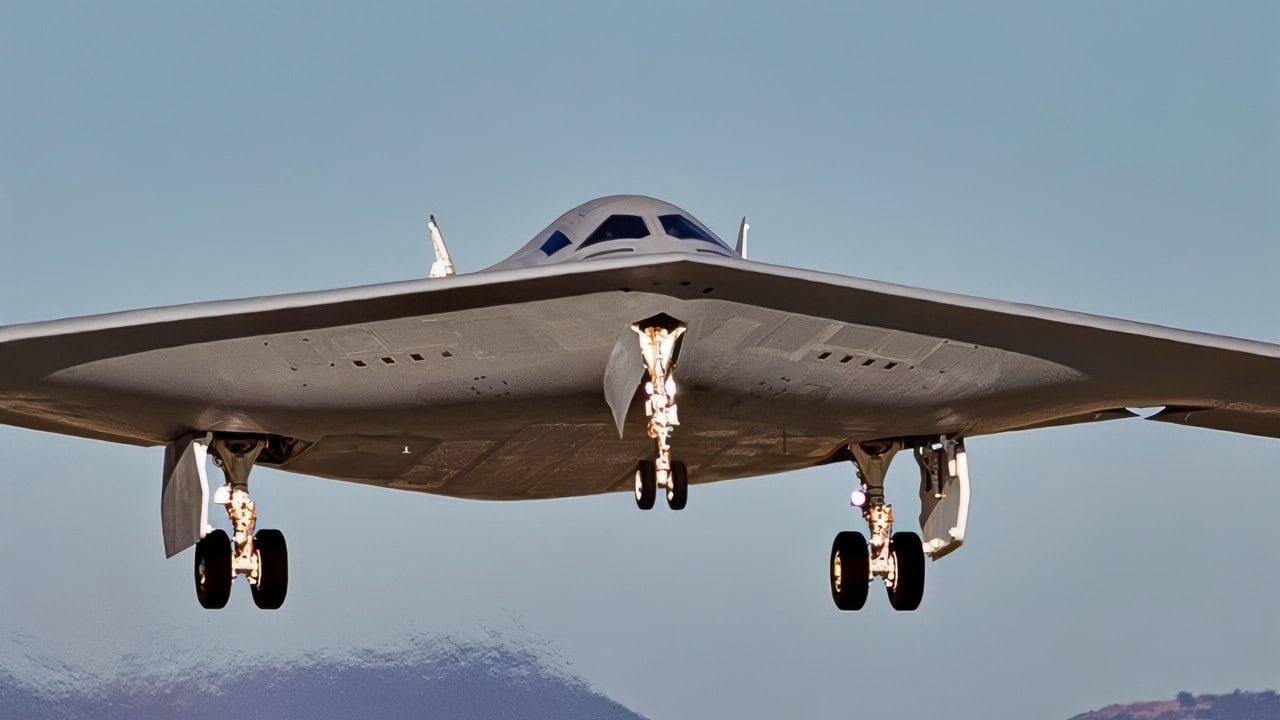
A second B-21 Raider test aircraft takes off, Sept. 11, from Palmdale, Calif., to join the Air Force’s flight test campaign at Edwards Air Force Base, Calif. The addition of the second test aircraft expands mission systems and weapons integration testing, advancing the program toward operational readiness. (Courtesy photo)

A covered Northrop Grumman B-21 Raider is displayed during a practice unveiling ceremony at Northrop Grumman’s manufacturing facility on Air Force Plant 42 in Palmdale, California, Dec. 1, 2022. The B-21 will be a long-range, highly survivable, penetrating strike stealth bomber capable of delivering both conventional and nuclear munitions. (U.S. Air Force photo by Airman 1st Class Joshua M. Carroll)
The B-21 Raider program continues to progress rapidly, and on June 11, Edwards Air Force Base confirmed that an operational test pilot recently flew the bomber with a developmental test pilot also in the cockpit. In a statement, the next-generation American stealth bomber’s latest round of testing was described as a shift in how the Air Force evaluates its most critical next-generation aircraft.
According to the recent statement, the pilot was assigned to the Air Force Operational Test and Evaluation Center’s Detachment 5 at Edwards Air Force Base.
Col. Matt Guasco, AFOTEC Det. 5 commander, confirmed the news and said that something like this has “never” been done so early in the program.
Under normal circumstances, developmental tests are conducted to ensure that an aircraft meets technical specifications and can be operated safely in the air. Operational testing, meanwhile, is conducted separately and at a much later date to ensure that the aircraft is effective in combat and survivable. Transitioning to a combined form of testing, the statement explains, eliminates the gap between the two rounds of tests, ensuring that the aircraft is suited for its intended role far more quickly.
Gen. Dale White, who oversees critical major weapon systems for the Department of Defense, noted that “integrating operational and developmental test in the B-21 program exemplifies the acquisition culture we’re instilling throughout the force.” He described the system as “smarter and faster” and said it “leverages modern production and test tools with the proper sense of urgency.” White also said that the new system was appropriately challenging old processes and would help the Department of Defense build a more agile acquisition system.
White, who oversees weapon systems from the B-21 and its Collaborative Combat Aircraft to the F-47, also said that the Department of Defense is “much closer to placing asymmetric lethality in the hands of the warfighter” – suggesting that the B-21 is still on track.
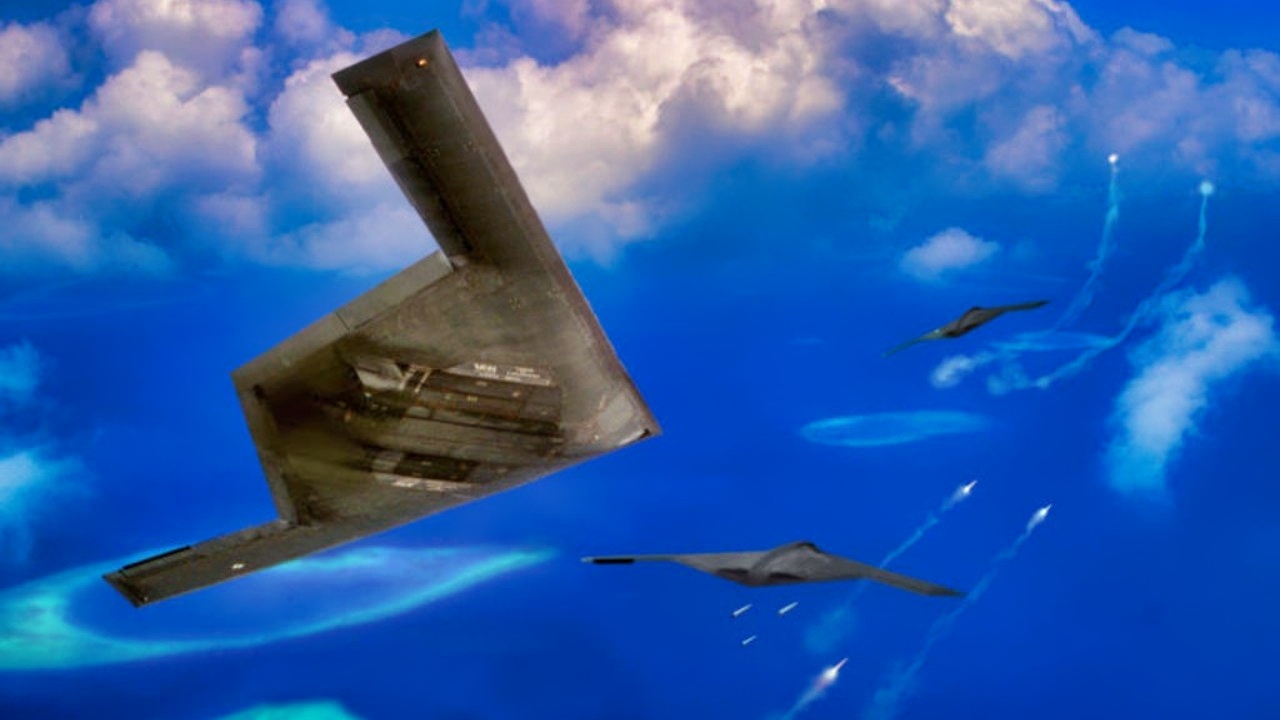
B-21 Raider Bomber. Artist Rendition/Creative Commons.

B-21 Raider. Image Credit: Creative Commons.
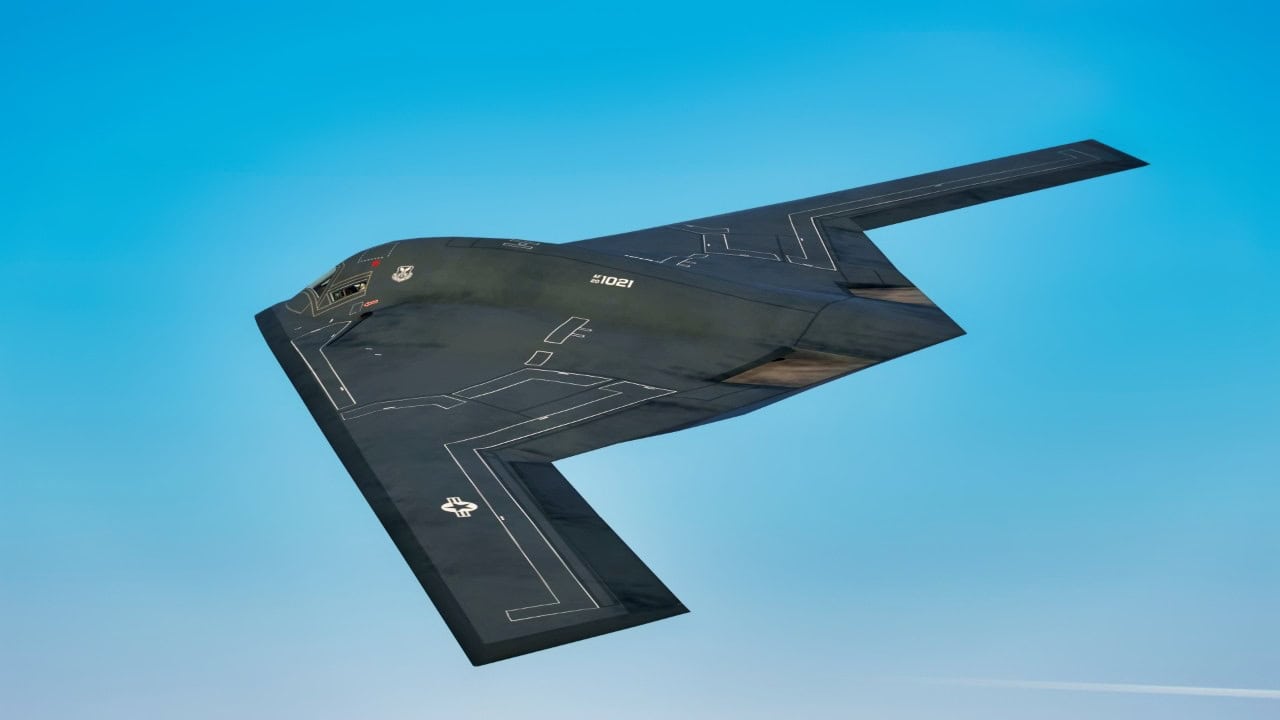
B-21 Raider Artist Rendering.
The news also comes after a second B-21 Raider arrived at Edwards Air Force Base last summer.
The B-21 Raider Is Taking Shape
While the B-21 is still shrouded in some secrecy, the platform will feature improved long-range strike capability and advanced stealth coatings and shaping. Unlike the aging B-1B Lancer and B-2 Spirit fleets, it will eventually serve beside and then replace them. The B-21 has been designed from the outset with digital engineering principles, meaning that it will be quicker and easier to upgrade and maintain throughout its service life.
The Air Force’s acquisition plans, however, have long been controversial.
Analysts and Air Force officials themselves have warned that plans to acquire “at least 100” B-21s are insufficient, but in recent weeks, the Department of Defense has confirmed plans not only to expand production capacity but also to increase procurement.
The Raider may ultimately be procured in the hundreds, and plans are in place to bring it into operational service before the end of the decade. Ellsworth Air Force Base in South Dakota will become the first main operating base, and initial operational capability is projected for around 2027, assuming the program continues to meet its testing and production milestones.
Multiple aircraft are now in various stages of production and flight testing, indicating that the Raider is still steadily progressing toward becoming the centerpiece of America’s next-generation long-range strike force in the near future.
The Raider’s Test Program Is Accelerating
The latest milestone proves just how quickly the B-21’s testing is moving. With the arrival of a second Raider at Edwards Air Force Base in 2025, the B-21 Combined Test Force has now moved beyond basic flight performance evaluations and into far more demanding phases of the program, including mission systems assessments and weapons integration. The focus now is squarely on determining whether the aircraft is safe to operate in combat scenarios.
Lt. Col. Matthew Gray, 420th Flight Test Squadron commander, also said in the recent statement that “bringing operational testers onto the team at this early point in the program now means we can evaluate the bomber’s true combat utility, not just its flying characteristics.”
That means the B-21’s potential shortcomings are being analyzed far earlier in development to avoid the kind of lengthy delays that have plagued previous acquisition efforts.
The sense of urgency around the program is warranted, too.
The aircraft will ultimately replace the U.S. Air Force’s long-range bomber fleet and serve a crucial role in countering rising Chinese capabilities and threats in the Indo-Pacific, where range really matters.
Speaking during a call with the Raider CTF team on June 8, Gen. Dale White said that the B-21, F-47, and Sentinel are the “three programs the future of our nation depends upon.”
During the same call, he said that there needs to be a cultural shift, with the Air Force demonstrating “urgency with purpose” and “urgency with meaning” to ensure that the B-21 is fielded quickly and safely.
About the Author: Jack Buckby
Jack Buckby is a British researcher and analyst specializing in defense and national security, based in New York. His work focuses on military capability, procurement, and strategic competition, producing and editing analysis for policy and defense audiences. He brings extensive editorial experience, with a career output spanning over 1,000 articles at 19FortyFive and National Security Journal, and has previously authored books and papers on extremism and deradicalization.