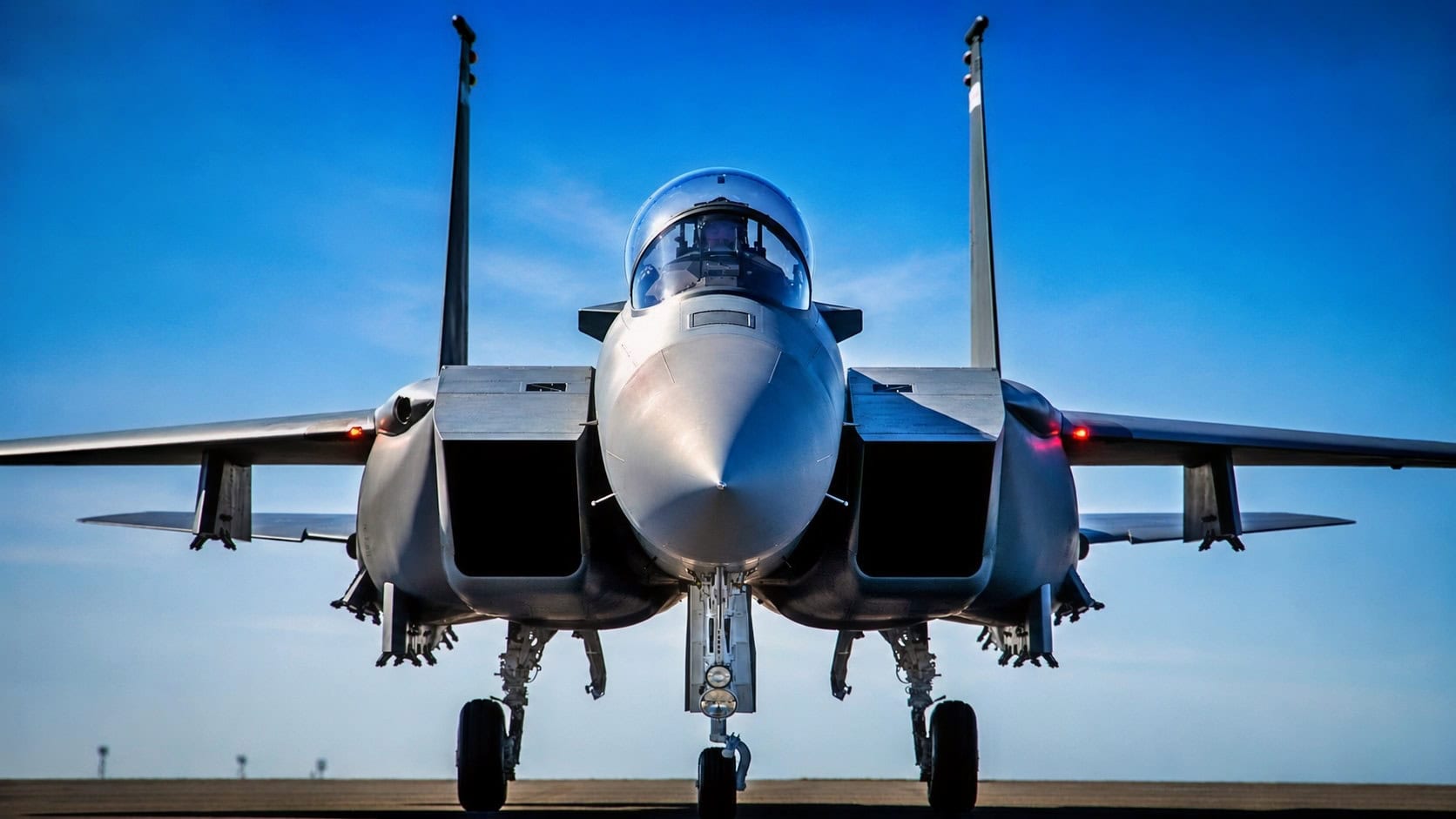
For years, the United States Air Force treated the F-15EX Eagle II as a temporary solution. It was supposed to be a little more than a bridge between the retirement of aging F-15C/D Eagles and the arrival of a future all-stealth force built around the F-35 and eventually the F-47. Now that thinking has changed dramatically, the Air Force has more than doubled its planned F-15EX fleet, increasing the number from 129 to 267 aircraft.
The FY2027 budget alone requests 24 additional Eagle IIs, and Air Force officials have openly acknowledged that the aircraft will not merely replace old F-15Cs–it will increasingly replace portions of the aging F-15E Strike Eagle fleet, too.
The U.S. Air Force Has a Numbers Problem
American airpower strategy has long assumed that superior technology could compensate for declining fleet size. That assumption worked reasonably well after the Cold War. The United States faced opponents such as Iraq, Serbia, Afghanistan, and various terrorist organizations. The Air Force could rely on a relatively small number of exquisite platforms because America enjoyed uncontested air superiority.
That era is ending.
Today, the United States faces China. A conflict for mastery over the Pacific Ocean would require enormous numbers of aircraft spread across vast distances. Stealth fighters alone cannot provide the mass needed for such a fight. The Air Force’s fighter inventory has steadily shrunk while aircraft have become increasingly expensive and difficult to replace. Meanwhile, older F-15Cs/Ds, F-16s, and F-15Es continue to age out of the force.
The F-15EX is a recognition that the Air Force can no longer afford to pursue an all-stealth force.
The Boeing F-15EX Is a Missile Truck
Critics often dismiss the Eagle II because it is not stealthy. That criticism misses the point. The F-15EX Eagle II is essentially a flying missile truck.
These birds can carry nearly 30,000 pounds of ordnance across 23 weapon stations–more than any fighter currently in the American inventory. It combines that payload with modern AESA radar, fly-by-wire controls, advanced electronic warfare (EW) systems, and a 20,000-hour airframe.
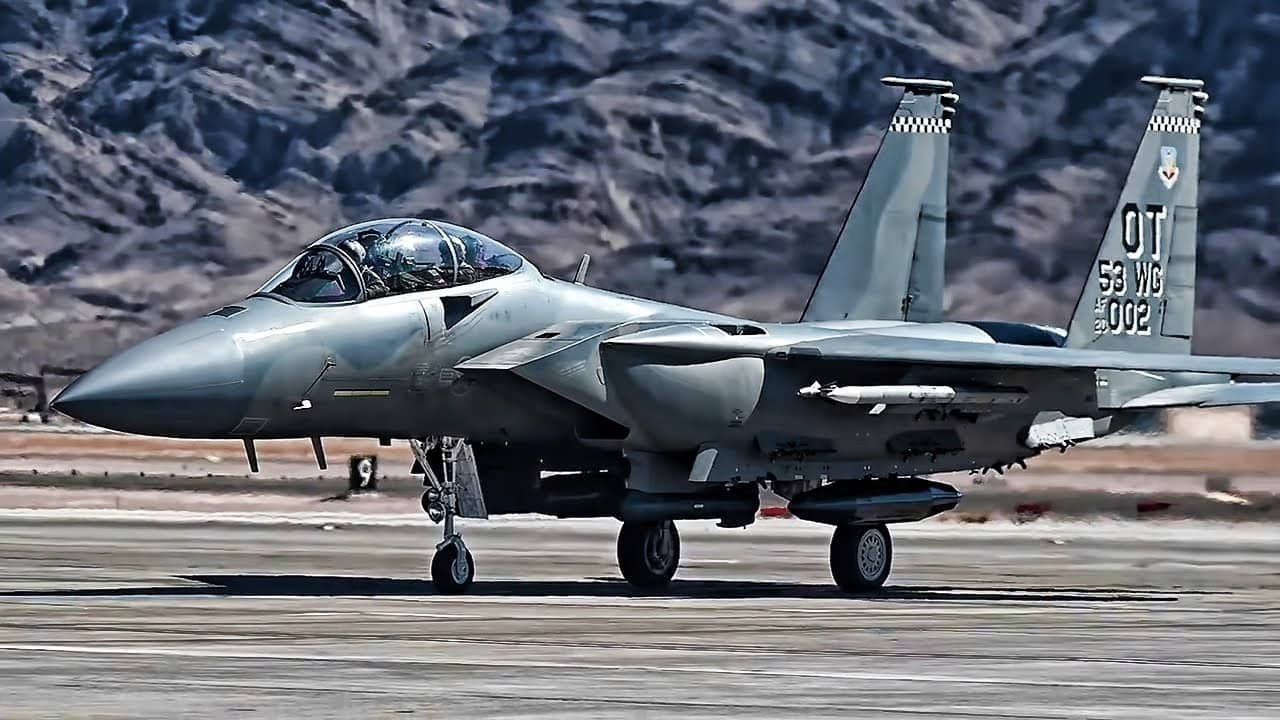
F-15EX Eagle II. Image Credit: Creative Commons.
In practical terms, a stealth fighter can move forward, locate targets, and pass targeting information back to an F-15EX carrying a massive missile load. The stealth aircraft becomes the sensor. The Eagle II is the shooter. These trends are shaping modern air warfare.
Ukraine and Iran Changed the Conversation
What the wars in Ukraine and Iran teach us is that modern conflicts consume expensive, complex munitions at staggering rates. Precision weapons, air defense interceptors, cruise missiles, drones, and standoff munitions disappear far faster than defense planners once believed possible.
So, America needs more missiles as well as aircraft capable of carrying them into battle.
A force composed solely of expensive stealth aircraft is vulnerable to attrition and procurement bottlenecks. The Air Force needs platforms that can haul enormous quantities of weapons while remaining affordable enough to buy in meaningful numbers. That is precisely where the F-15EX fits. The Eagle II is proving to be an essential element of America’s erstwhile fleet of stealth fighters, enabling those planes to operate at scale.
The Pacific Is Driving This Decision
Air Force officials have repeatedly emphasized that the F-15EX has unique value in the Pacific Theater. Its large payload, long range, and ability to carry numerous air-to-air missiles make it particularly useful in a conflict against China. Remember, distances in the Pacific are immense. Aircraft will need to operate from dispersed bases while carrying larger weapons loads than would be required in other theaters.
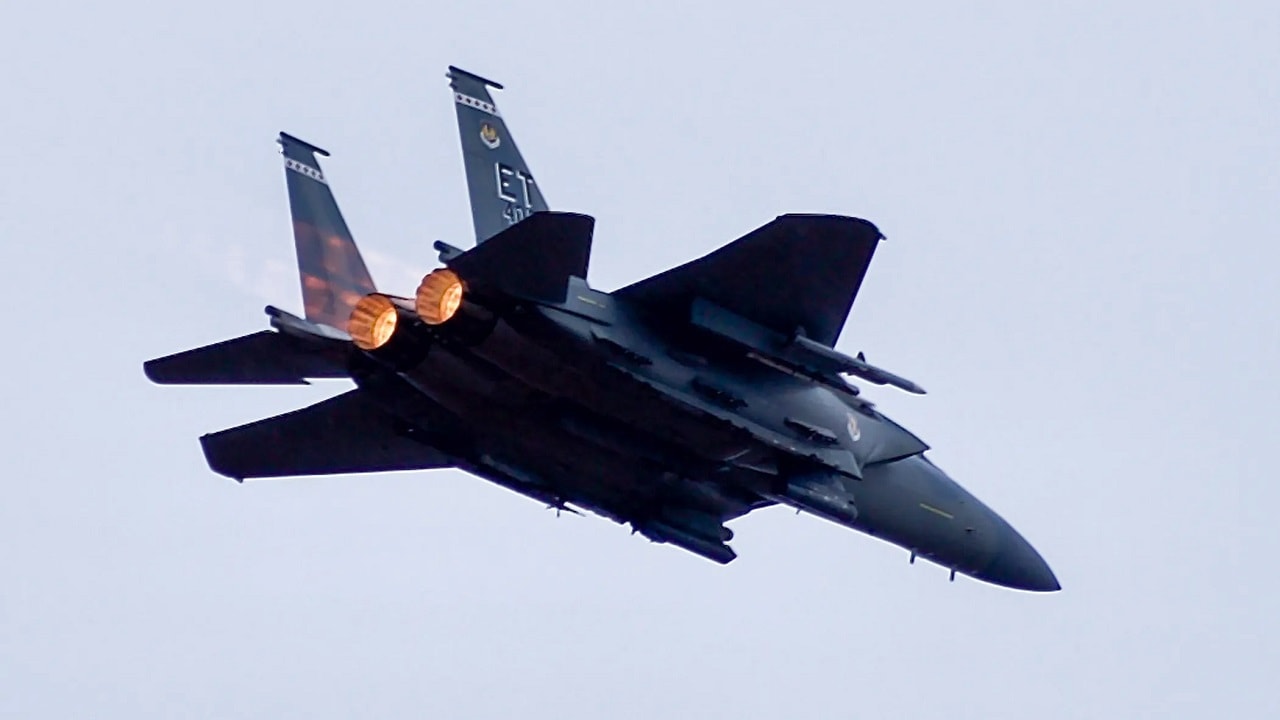
F-15EX Eagle II. Image Credit: Creative Commons.
The F-15EX provides precisely that capability.
A fighter capable of launching large numbers of long-range missiles while operating alongside stealth aircraft is a valuable asset in confronting China’s growing air force.
The Real Lesson: Networks Matter More Than Platforms
The most important reason the expanded F-15EX buy makes sense has nothing to do with the airplane itself. Because modern warfare is increasingly network-centric rather than platform-specific, victory will belong to the side that seamlessly integrates sensors, shooters, drones, EW, cyber capabilities, missiles, and industrial production.
So, the F-15EX Eagle II is very attractive today because it serves as a reliable, heavily armed node within a much larger combat network.
The Verdict
America doesn’t need better fighters. It needs larger numbers of them. While the F-35 remains a key element of the US Air Force fleet, and the F-47 supposedly offers great promise for the future, neither aircraft can provide the combat mass required for a prolonged conflict against a peer competitor.
America’s F-15EX fills that gap.
Far from representing a backward step, the larger F-15EX buy reflects an overdue recognition of networks and capacity wins in modern wars –not a handful of exquisite platforms operating alone.
The Air Force spent years chasing the dream of an all-stealth force. Today, the Air Force’s increase of the F-15EX Eagle II order suggests that the Air Force has embraced an older truth: quantity still has a quality all its own.
F-15EX Eagle II: A Photo Collection
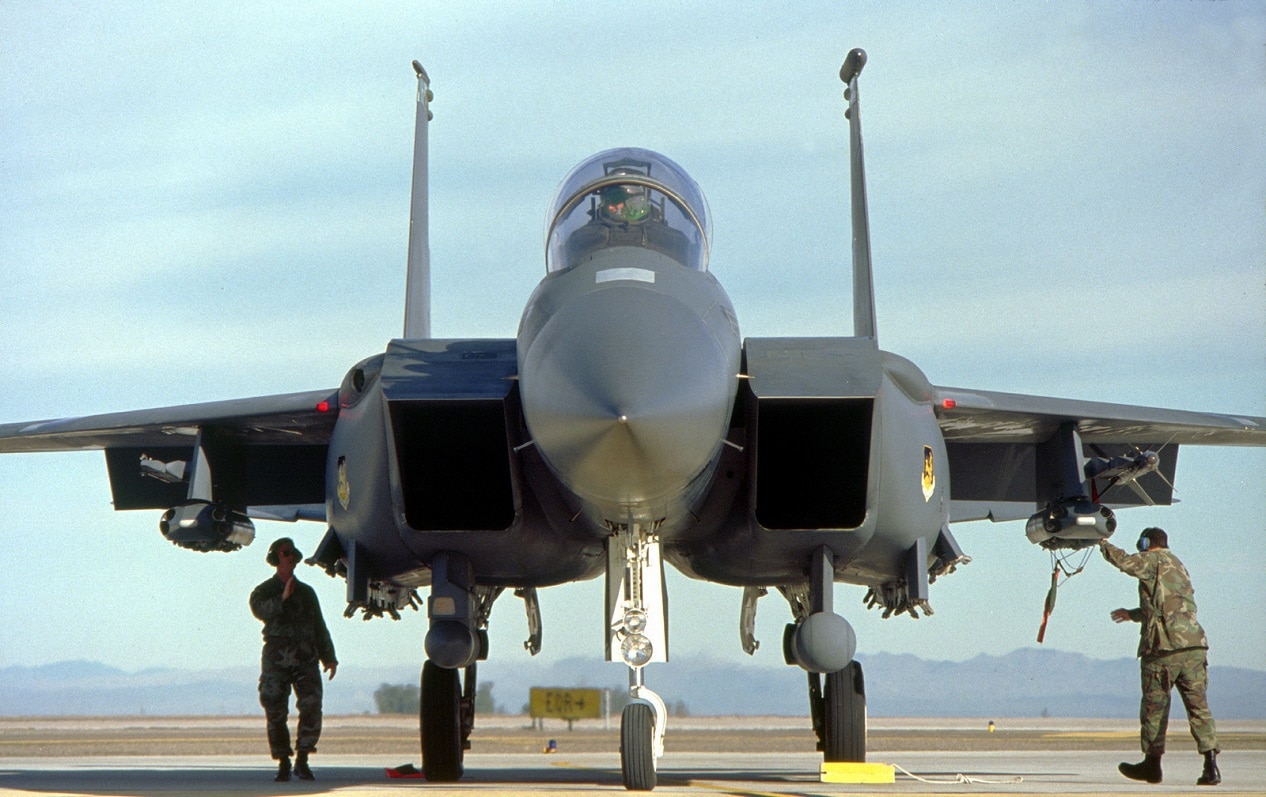
Staff Sgt. Dave Smith and Senior Airman John Pusieski from the 58th Operational Support Squadron, 58th Fighter Wing, peform last-minute checks and arm practice bombs on an F-15E Eagle aircraft from the 461st Fighter Squadron.
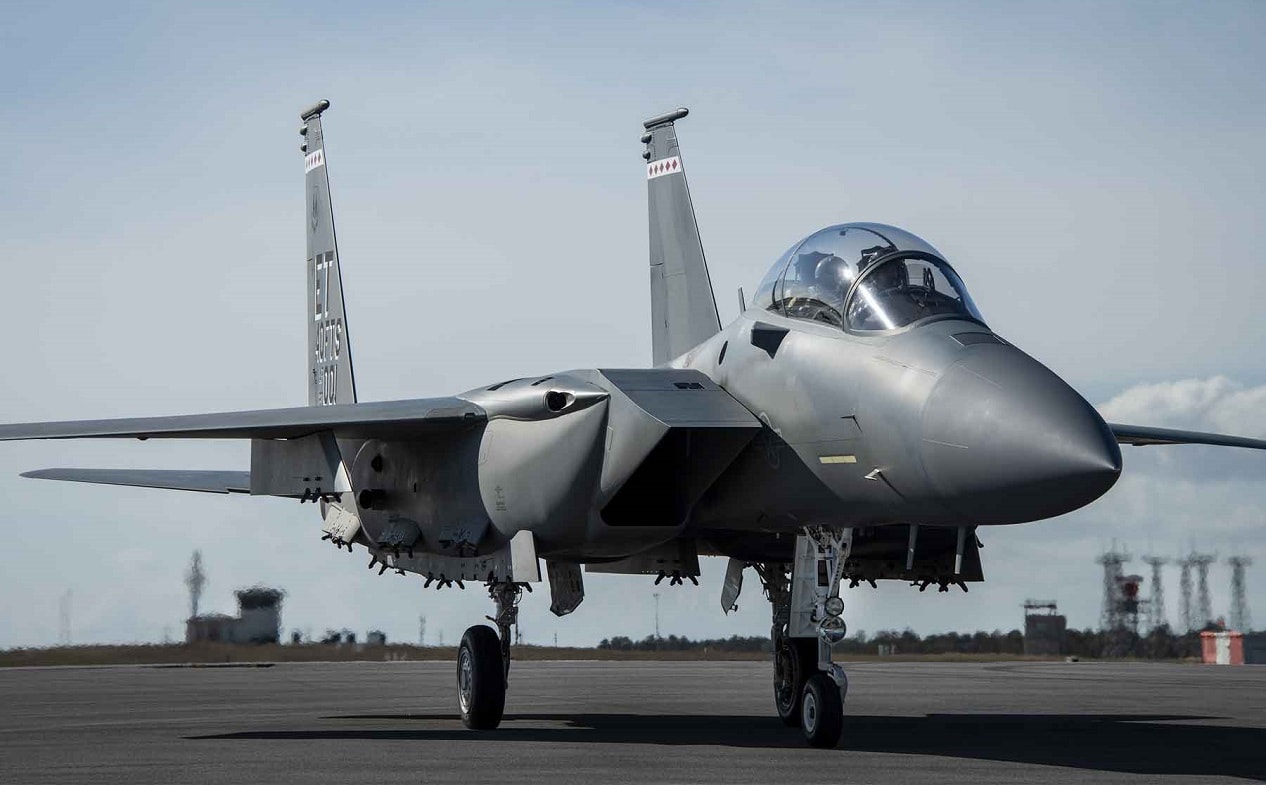
F-15EX. Image Credit: Boeing.
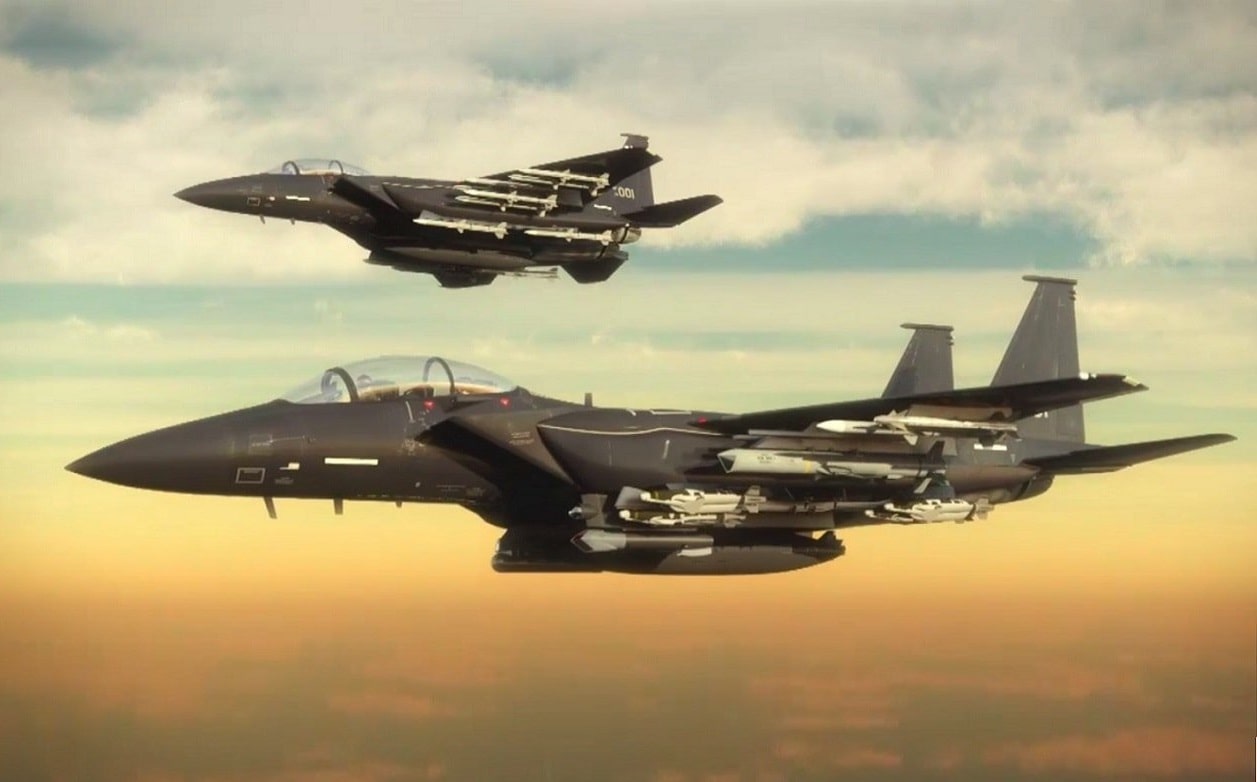
F-15EX Eagle II. Image Credit: Boeing.
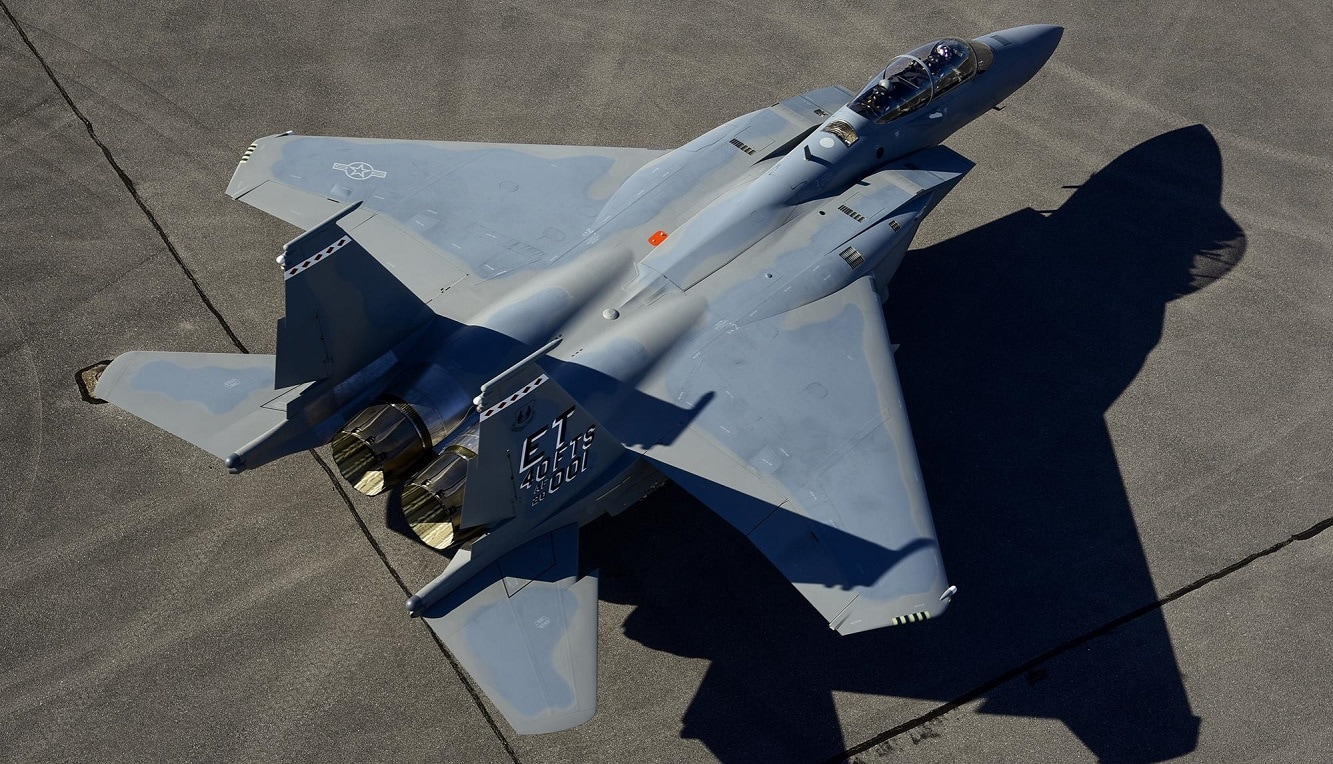
F-15EX Eagle II. Creative Commons image.

An F-15EX fighter jet taxis to its parking spot at Wright-Patterson Air Force Base, Ohio, Nov. 8, 2021. The jet visited Wright-Patt to give the Air Force Life Cycle Management Center’s F-15EX program office the opportunity to see the aircraft up close. (U.S. Air Force photo by Jaima Fogg)
About the Author: Brandon J. Weichert
Brandon J. Weichert is the Senior National Security Editor at 19FortyFive.com. He also manages The Weichert Brief on Substack. Weichert also hosts “National Security Talk” on Rumble. He is the author of four bestselling national security books, the most recent of which is A Disaster of Our Own Making: How the West Lost Ukraine (Encounter Books). Follow him via Twitter/X @WeTheBrandon.