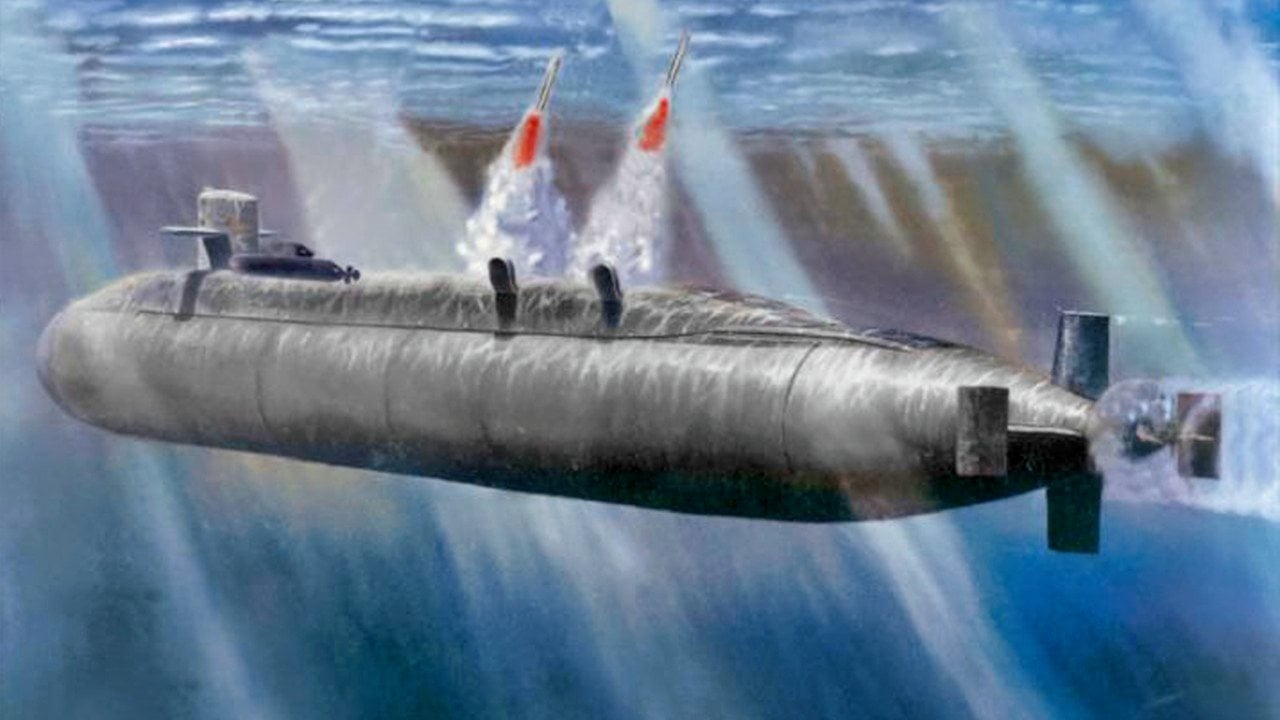
Summary and Key Points: Brandon J. Weichert, a Senior National Security Editor and iHeartRadio host, provides an analysis of the SSN(X) next-generation attack submarine program and its critical failures.
-Designed to combine Seawolf-class speed with Virginia-class stealth, the project now faces a push to the 2040s due to a brittle industrial base and dry dock constraints.
-The exploration covers how the “Swiss Army Knife” design philosophy—similar to the F-35 Lightning II and Zumwalt-class—threatens to leave a strategic gap in undersea capability as the Los Angeles-class fleet retires.
The Swiss Army Knife Trap: The SSN(X) Inherited the F-35’s Costliest Mistake
The United States Navy is in a rut. It lacks an adequate fleet size; when its ships aren’t crashing, they’re struggling with massively embarrassing technical glitches, and there’s a serious problem with America’s nuclear submarine fleet. The US Navy relies upon nuclear-powered attack submarines to serve as the “apex predator” under the sea. Between the Los Angeles-class and the Virginia-class submarines, this need is met—but barely.
A Fleet in Decline

Los Angeles-Class Submarine. Image Credit: Creative Commons.
The Los Angeles-class attack submarines are old and are being phased out with due haste (because of their age).
Meanwhile, the Virginia-class submarines are too few in number (and they’re aging). In fact, the Navy is still struggling to build the last tranche of Virginia-class submarines due to the massive backlog in America’s failing naval shipyards. Even as the Navy struggles to finish its Virginia-class order, the maritime branch is working toward developing the next-generation nuclear-powered attack submarine.
Enter the SSN(X). Naval planners believe this will be the ultimate undersea “apex predator,” bigger and more complex (e.g., more expensive). The SSN(X) was originally intended to hit the waves by the 2030s.
Despite these lofty goals and the obvious need to ensure there are no interruptions to America’s attack submarine force, the Navy’s shipbuilding and maintenance ecosystem is so backlogged with current demands that future projects, such as the SSN(X), have already been placed on the back burner.
Enter the SSN(X)
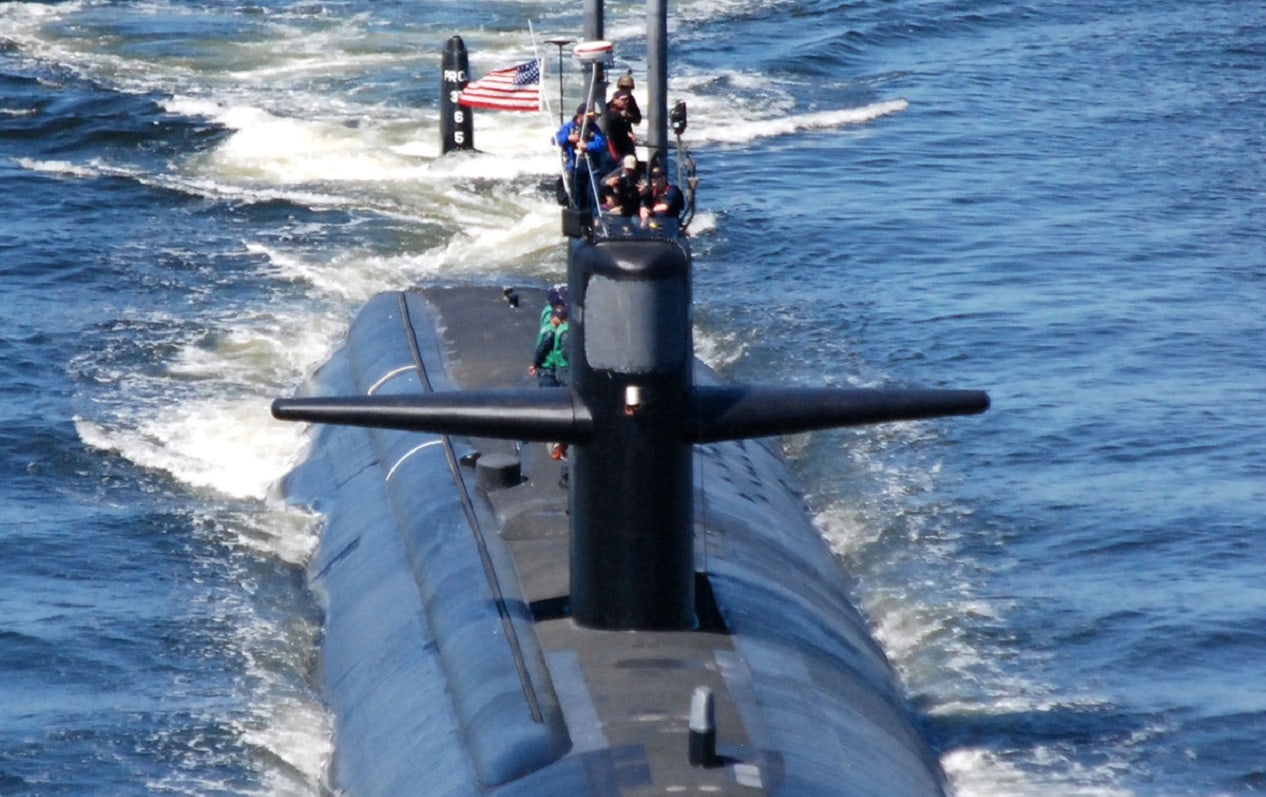
Los Angeles-Class Attack Submarine. Image Credit: Creative Commons.
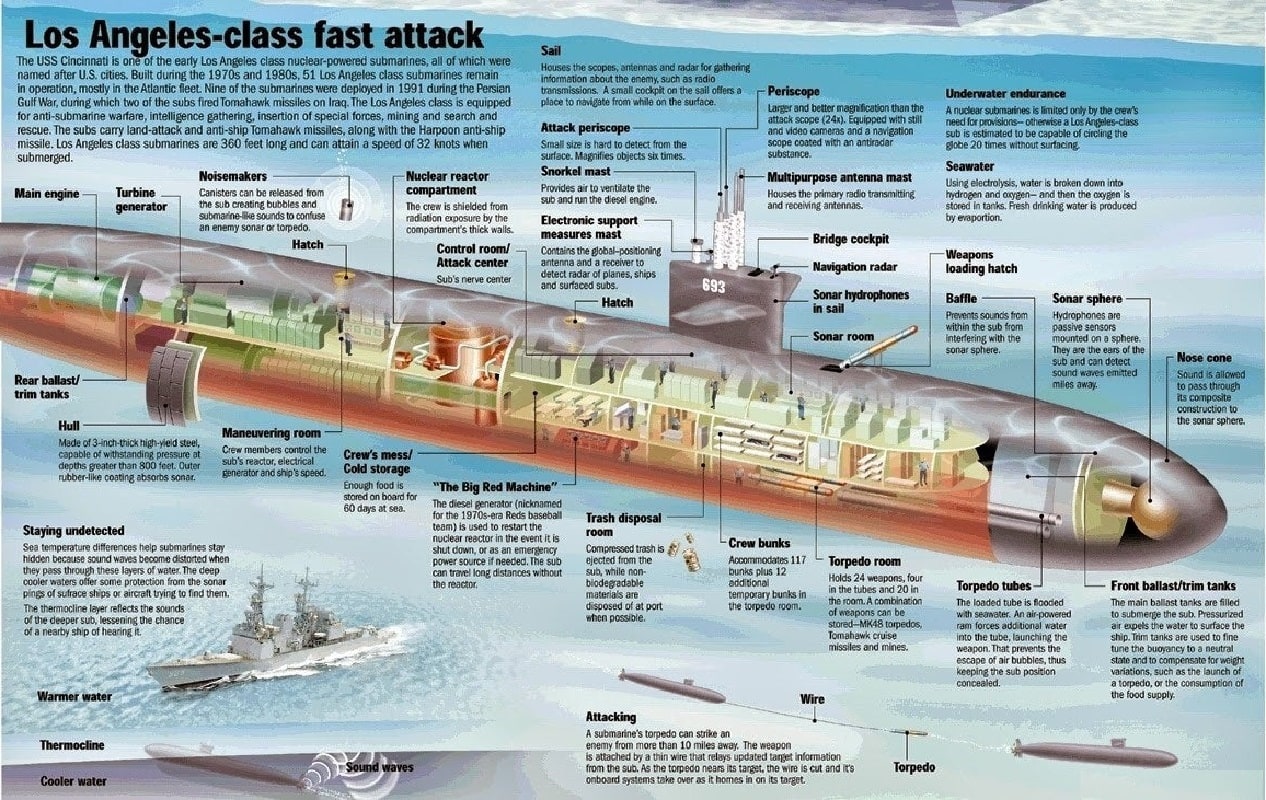
Los Angeles-Class diagram. Image Credit: US Navy.
Now, the SSN(X) is slated for delivery by the 2040s.
According to the specifications, the new SSN(X) combines the impressive speed and payload of the Seawolf-class attack submarine with the Virginia-class submarine’s superior stealth and sensors. But the soaring project costs, the supplier and shipyard bottlenecks mentioned above, and the procurement push to around 2040 are strangling the SSN(X).
One of the more interesting aspects of the SSN(X) program is that the Navy is considering making this submarine a mothership for unmanned underwater vehicles (UUVs), which would vastly expand this system’s fighting capabilities.
Here’s where things get really bad. I mean, classic Pentagon acquisitions are bad. The eggheads at the Pentagon want to create a submarine that effectively serves as the equivalent of a Swiss Army Knife.
They want a system that can do everything for everyone.
The Swiss Army Knife Trap
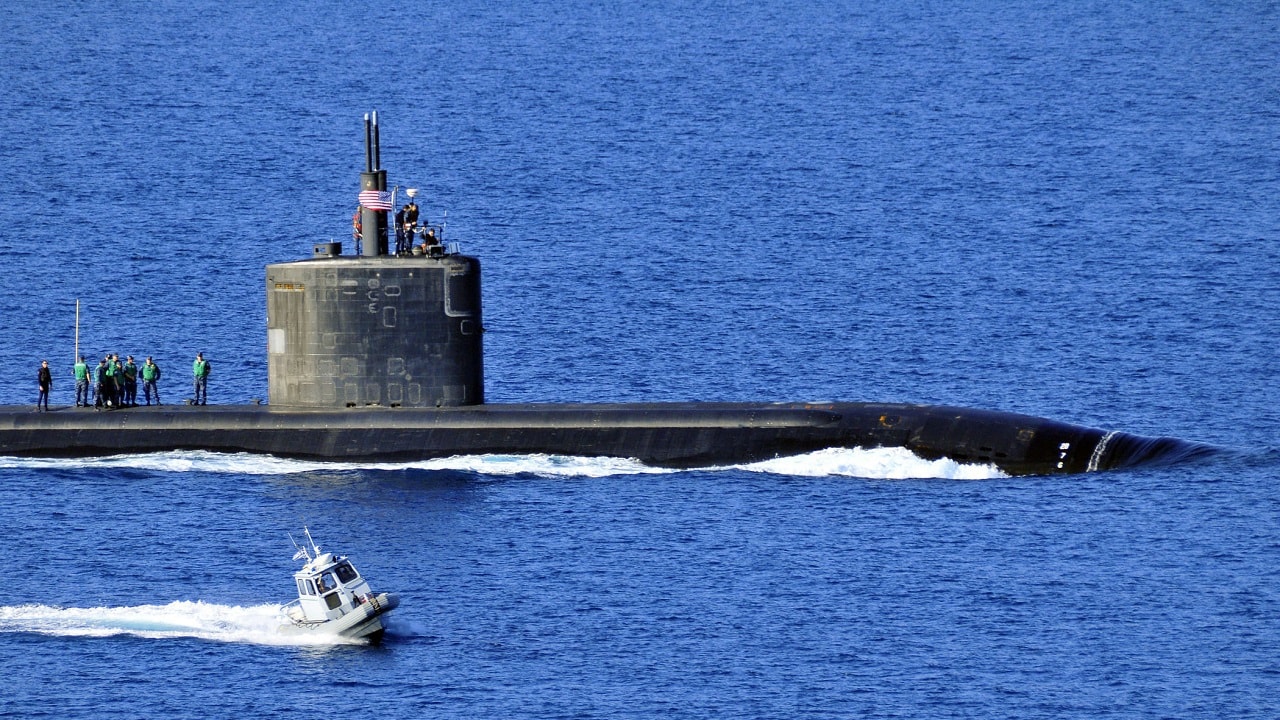
Los-Angeles Class submarine USS Annapolis.
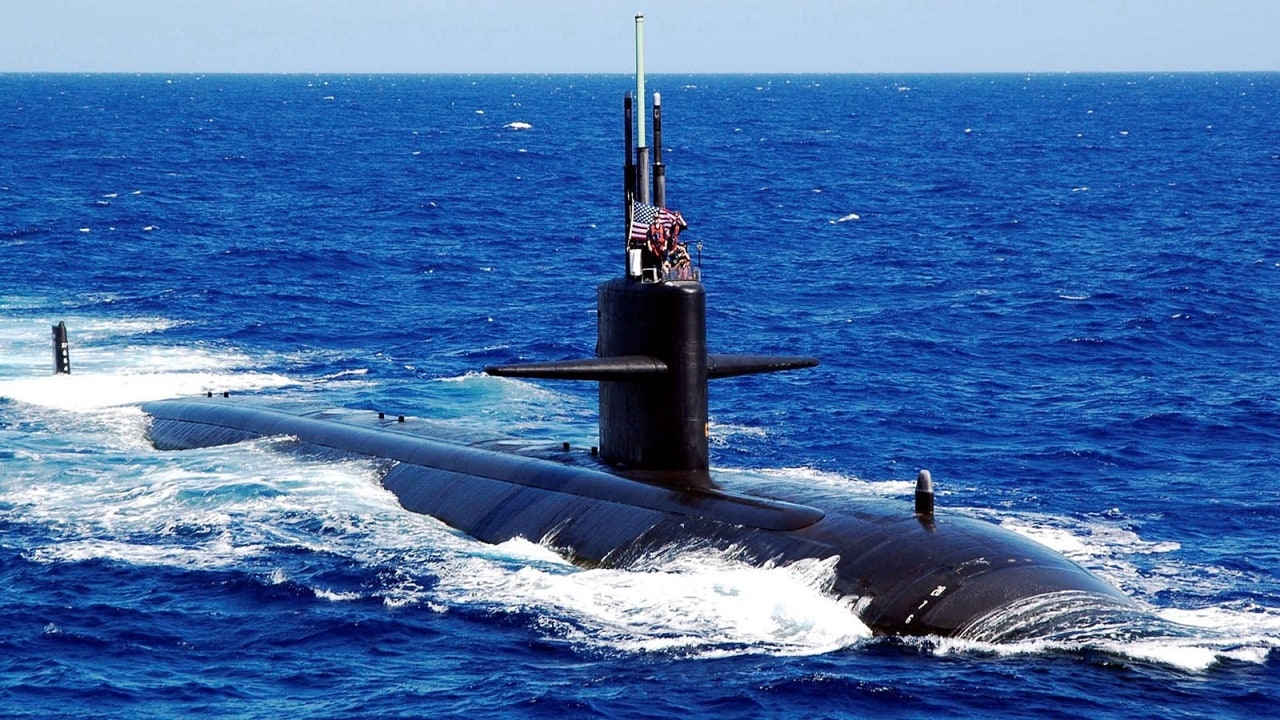
US Navy Los-Angeles Attack Submarine. Image Credit: Creative Commons.
This is precisely the kind of design philosophy that got the F-35 Lightning II, a fifth-generation stealth warplane, into trouble during its development.
In fact, it is a hallmark of most post-Cold War-era designs that accounts for the massive delays and budgetary overruns that often deprive the US warfighter of the equipment and platforms they need to win wars.
According to the specifications for the SSN(X), the submarine will be larger than early Virginia-class subs and Seawolf-class submarines, which means that the size and capability growth of the proposed SSN(X) will exacerbate the cost overruns, the bottlenecks in the shipyards, will create potential staffing issues, and complicate overall sustainment of this submarine class over the span of its life.
In other words, the SSN(X) is going from being a potential undersea “apex predator” to being something more akin to an underwater donkey—a hybrid of multiple capabilities that will not perform as well as either of the submarines (Seawolf and Virginia classes) that it is designed to amalgamate.
The Strategic Gap No One Wants to Admit
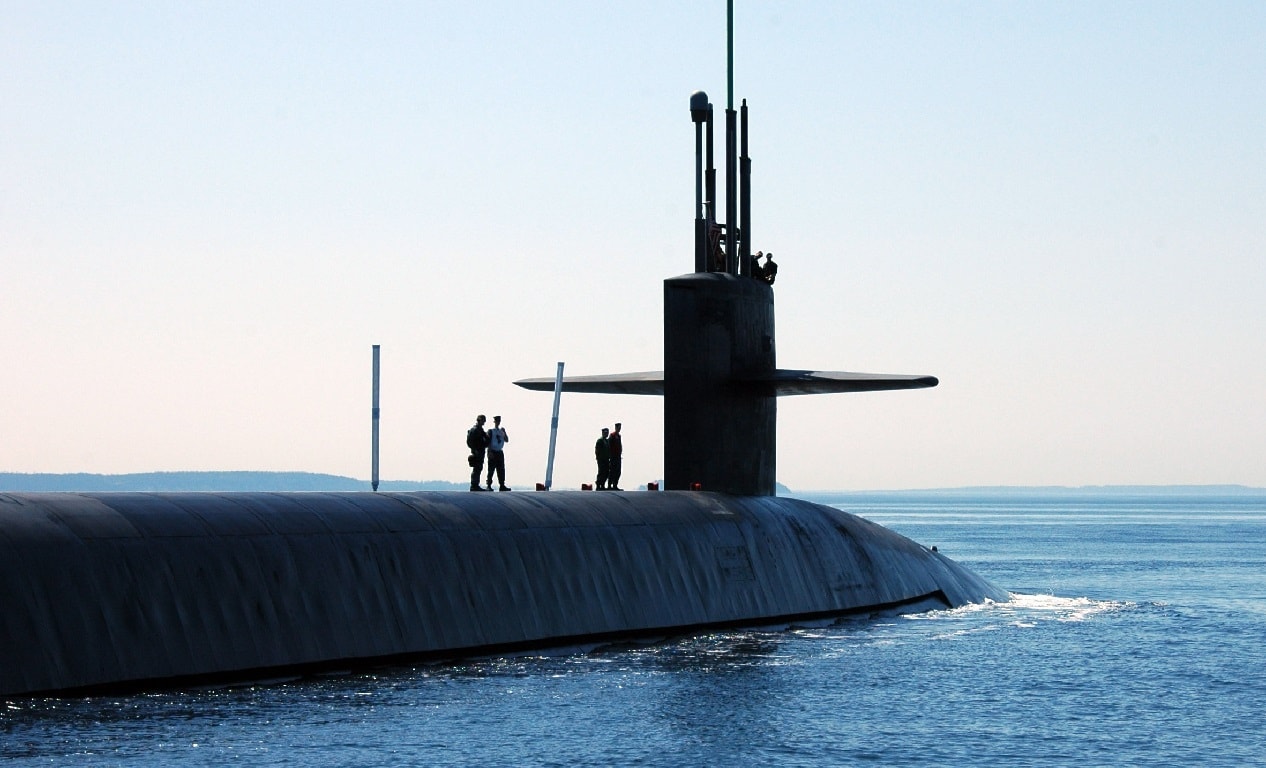
STRAIT OF JUAN DE FUCA, Wash. (Aug. 12, 2012) The Ohio-class ballistic missile submarine USS Nebraska (SSBN 739) prepares to conduct a personnel transfer as it returns to its homeport of Naval Base Kitsap-Bangor, Wash. (U.S. Navy photo by Lt. Ed Early/Released)
The fact that the timeline has already shifted drastically for the completion of this project indicates that a brittle industrial base and poor budget sequencing are dictating reality rather than strategic requirements for a US Navy that is increasingly threatened by near-peer rivals in ways not experienced in decades.
What’s more, the best submarine in the world is strategically pointless if it’s stuck in a backlog as older models it is meant to replace go offline, leaving massive strategic gaps in American undersea capability.
Multiple sources point to dry dock and workforce constraints as a readiness limiter. The Navy cannot afford to repeat the mistakes it made with other platforms, such as the Zumwalt-class destroyer or the Littoral Combat Ship (LCS).
The US undersea capability is the Navy’s most important function today. Failure to maintain—enhance—that capability will lead to a strategic defeat in this important domain.
About the Author: Brandon J. Weichert
Brandon J. Weichert is the Senior National Security Editor at 19FortyFive.com. He was previously the senior national security editor at The National Interest. Weichert is the host of The National Security Hour on iHeartRadio, where he discusses national security policy every Wednesday at 8pm Eastern. He hosts a companion show on Rumble entitled “National Security Talk.” Weichert consults regularly with various government institutions and private organizations on geopolitical issues. His writings have appeared in numerous publications, among them Popular Mechanics, National Review, MSN, and The American Spectator. And his books include Winning Space: How America Remains a Superpower, Biohacked: China’s Race to Control Life, and The Shadow War: Iran’s Quest for Supremacy. Weichert’s newest book, A Disaster of Our Own Making: How the West Lost Ukraine, is available for purchase wherever books are sold. He can be followed via Twitter/X @WeTheBrandon.