Summary and Key Points: Isaac Seitz, a defense columnist and intelligence analyst, evaluates the formative years of U.S. Army General George Patton as an example of self-discipline and martial preparation.
-Born into a lineage of Confederate officers, Patton overcame probable dyslexia to graduate from West Point in 1909.
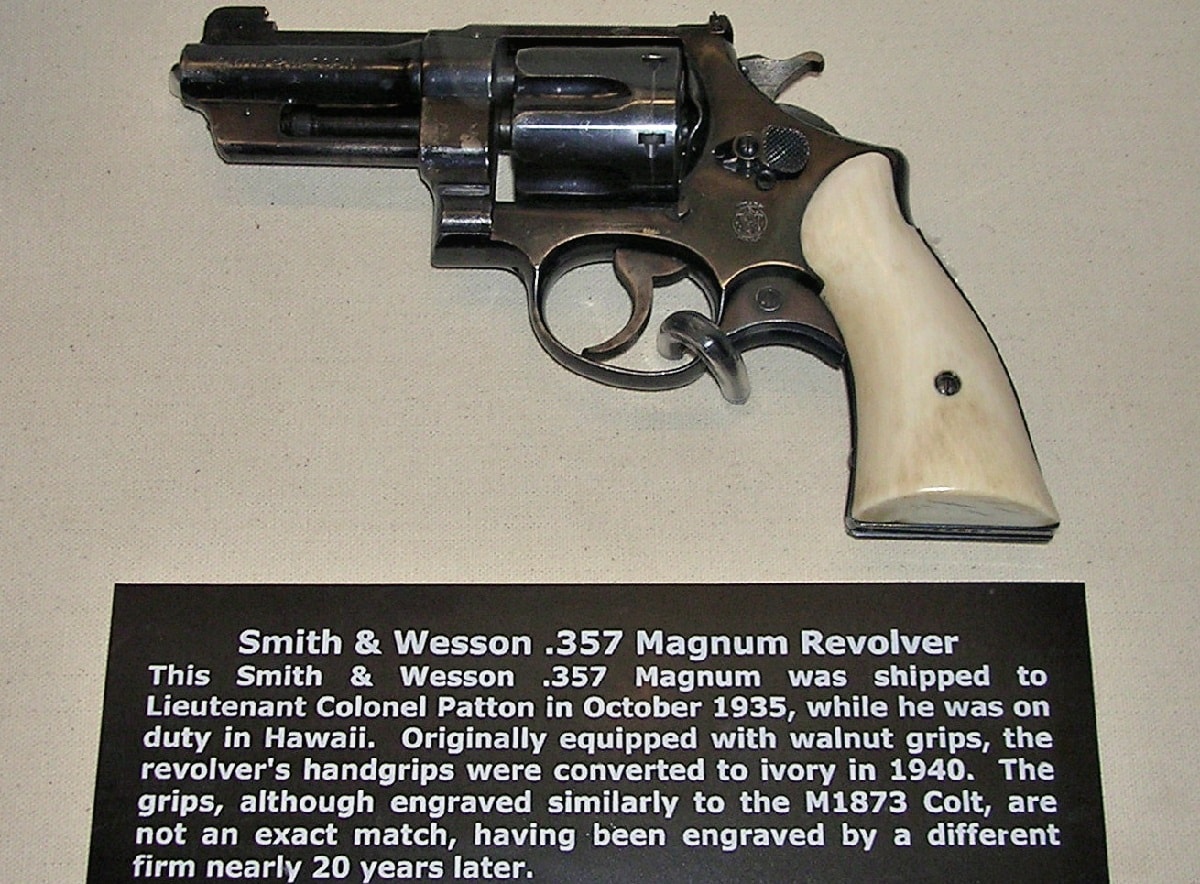
Patton’s well-known custom ivory-handled revolver.
-This report analyzes his 1912 Olympic Pentathlon performance and his role in General John J. Pershing’s Mexican Expedition.
-Seitz concludes that Patton’s “armored awakening” during World War I, where he earned the Distinguished Service Cross, established the aggressive maneuver doctrines that would later define the Western Front in World War II.
Quote of the Day: The Making of a General – Inside George S. Patton’s Lifelong Quest for Military Glory
Quote of the Day: “A good solution applied with vigor now is better than a perfect solution applied ten minutes later.” – U.S. Army General George Patton
George S. Patton was one of the most successful Allied generals of the Second World War. He led his troops to victory in Africa, Sicily, and France, contributing heavily to the war effort on the Western Front.
Today, he is celebrated as one of the greatest generals in American history, but this grandeur did not come out of nowhere.
From a young age, Patton immersed himself in the study of history and warfare, driven by the belief that he was destined to fight and win a great war.
He spent his life training for that very moment he thought was his destiny. Despite his struggles and setbacks, he was determined to train himself up and be prepared for his future war.
Early Life: The Birth of a Warrior
George S. Patton was born on November 11, 1885, in San Gabriel, California, at his family’s sprawling estate called Lake Vineyard.
His parents, George S. Patton Sr. and Ruth Wilson Patton, came from established and prosperous lines, and young George grew up in a household steeped in Southern tradition, wealth, and pride. Patton’s grandfather, also named George S. Patton, had been a Confederate colonel killed in battle during the Third Battle of Winchester in 1864.
Another family member, his great-uncle Waller T. Patton, died after being gravely wounded at Gettysburg.
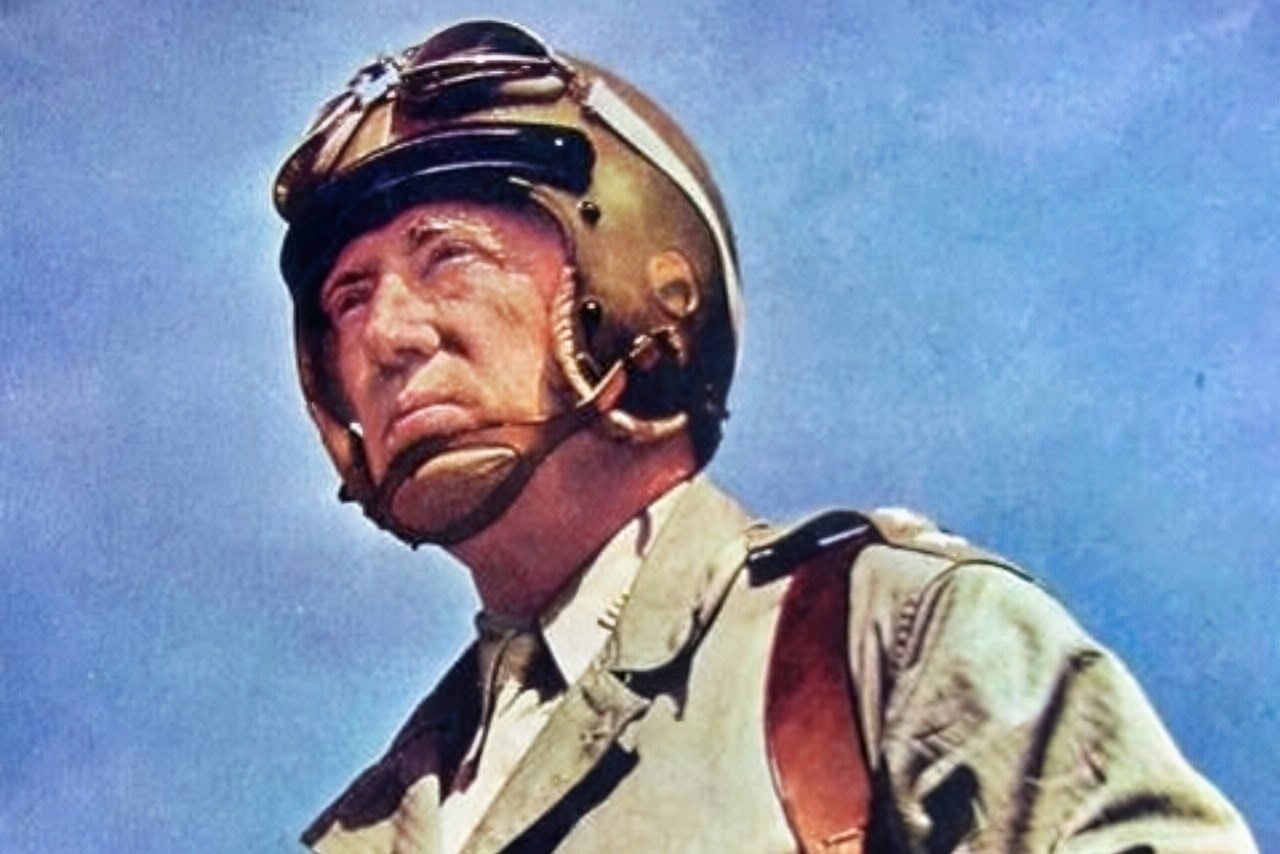
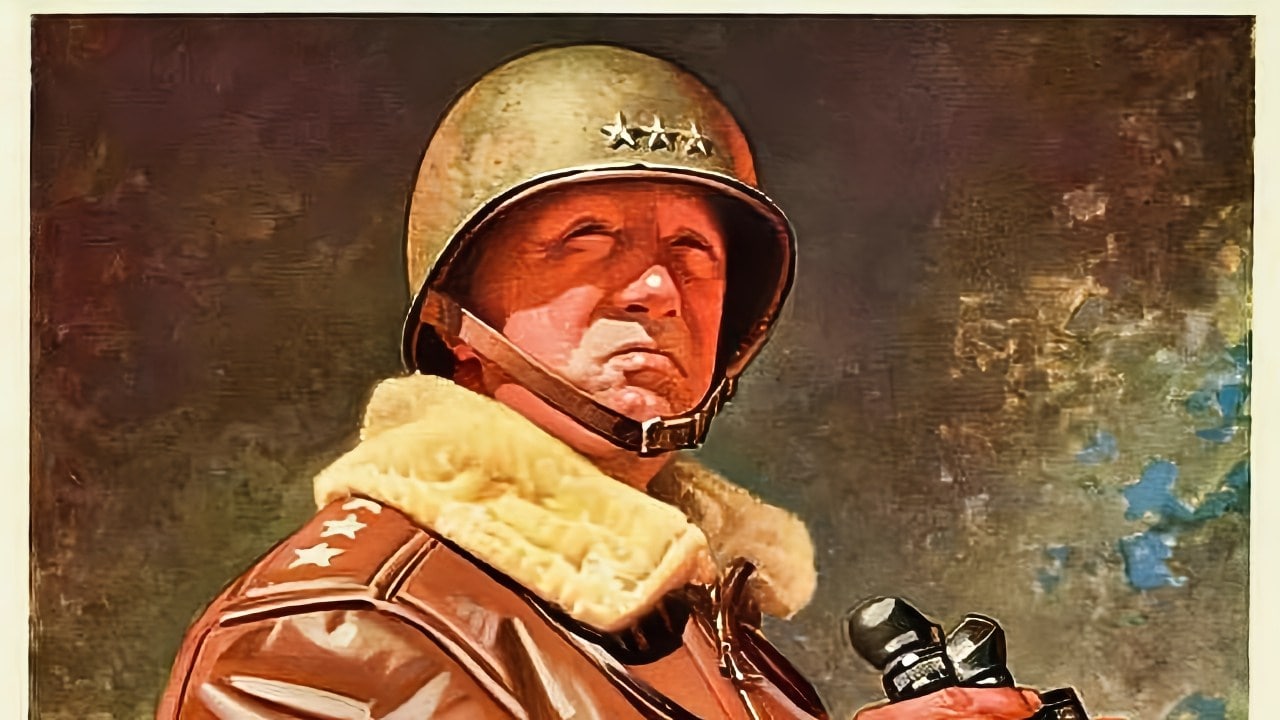
General George Patton of the U.S. Army. Image Credit: Creative Commons.
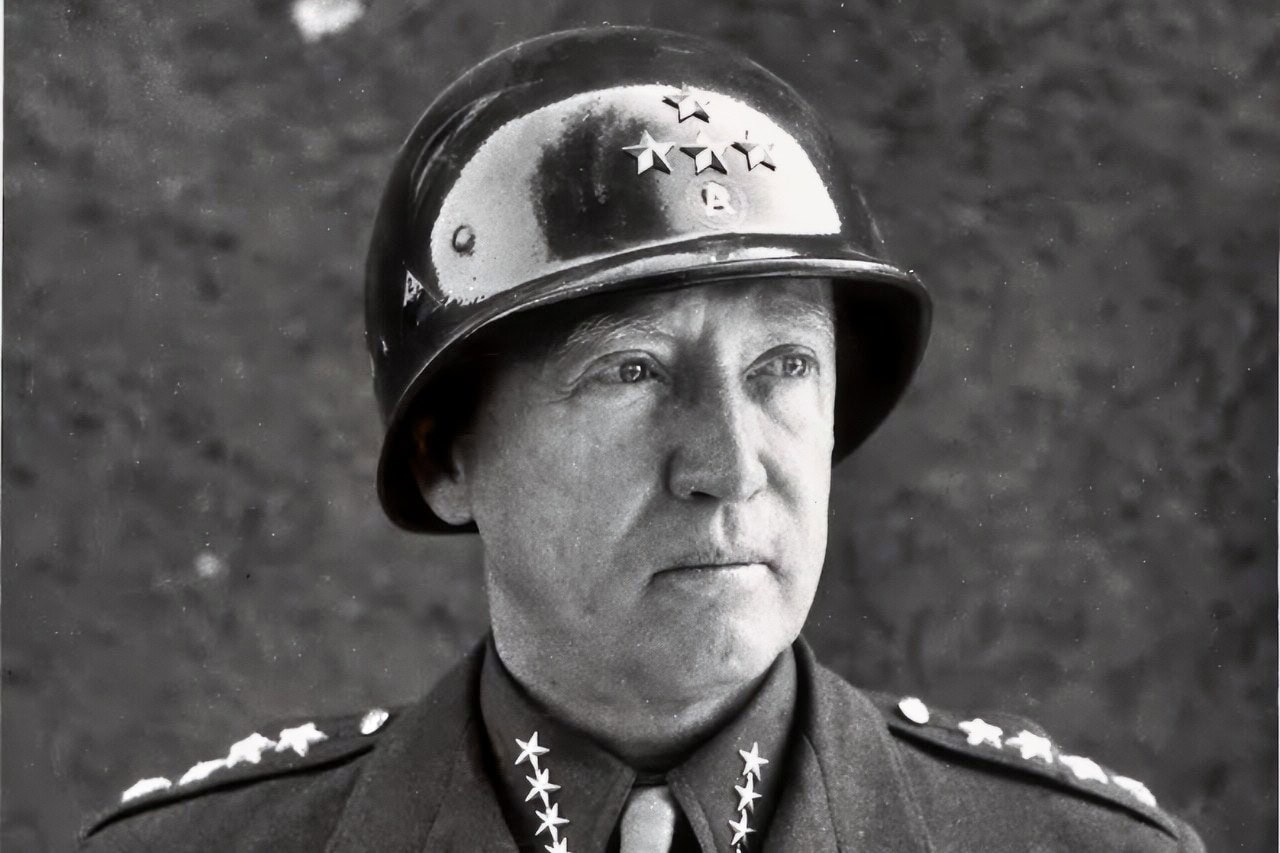
U.S. Army General George Patton
As a boy, George did not simply hear stories of ancestors who fought bravely; he absorbed them as if they were part of his own identity. From childhood, he spoke of wanting to be a hero and to win glory in battle. His imagination, fueled by these dramatic tales, fused battlefield valor with a romantic sense of destiny.
In addition to family lore, Patton developed an early fascination with classical and medieval warfare. He read voraciously, though often with difficulty, about knights, Roman generals, and great captains of history. Julius Caesar, Hannibal, Napoleon, and various legendary warriors captured his interest.
He constructed a worldview in which martial courage, honor, and decisive action were the highest virtues. Even as a child, he practiced swordplay, rode horses, and envisioned himself as a future soldier. The influence of these stories would remain with him throughout his life, shaping both his motivation and his approach to war.
Yet despite this intense passion for military history, Patton struggled academically, particularly in reading and spelling. Today, it is believed that he may have had dyslexia, but at the time, such conditions were poorly understood. His parents hired tutors to instruct him at home, believing he could not yet function in a traditional school setting.
For years, he learned through listening rather than reading, developing an extraordinary memory in the process. Rather than allow his limitations to define him, Patton compensated by reading aloud, memorizing whole passages, and relying on oral instruction. These habits gave him a powerful command of language and detail, even though spelling and written work remained a challenge long into his adulthood.
Secondary Education and the Formation of Discipline
By the time Patton reached adolescence, he had largely overcome the worst of his academic struggles. He enrolled at Stephen Clark’s Classical School for Boys and later at the prestigious Virginia Military Institute (VMI). VMI, in particular, proved particularly transformative for the young boy already passionate about military history.
The academy offered him not only academic structure but also the military discipline and tradition he craved. The uniforms, drills, and rituals appealed to his sense of identity. Southern military history permeated the school, reinforcing the stories he had heard at home.
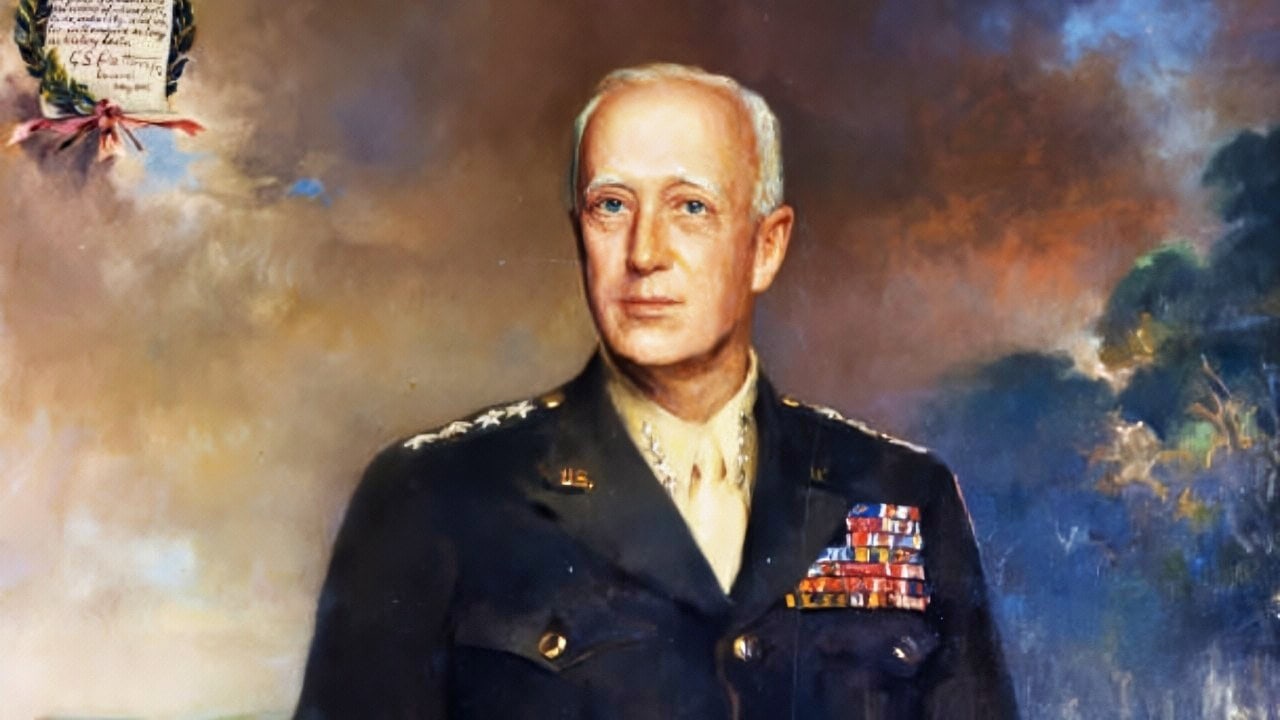
Portrait of Army General Patton. Image Credit: Creative Commons.
At VMI, Patton found a community where martial excellence was respected and where he could develop the leadership qualities he had admired in his ancestors’ stories.
Although he still faced academic challenges, he excelled in physical training, horsemanship, and discipline.
For the first time, Patton experienced a structured environment in which his natural aggression and ambition could be guided toward productive ends.
Throughout his time at VMI, Patton nurtured a single ambition: to attend the United States Military Academy at West Point. This had been his dream since childhood, and he pursued it with absolute determination. In 1904, after a year of study at VMI, Patton was accepted into West Point. The acceptance marked a major milestone in his early life and inaugurated the next stage of his development.
West Point: Patton’s Ambitions Take Shape
Patton entered West Point in June 1904, full of enthusiasm and determination. Yet almost immediately, he ran into trouble.
The academy’s rigorous emphasis on mathematics proved overwhelming, and despite intense effort, Patton failed his first year.
He was turned back and required to repeat his plebe year. For most cadets, such a setback was devastating. For Patton, it became a catalyst. He returned the following year with a new resolve, determined not only to pass but to excel.
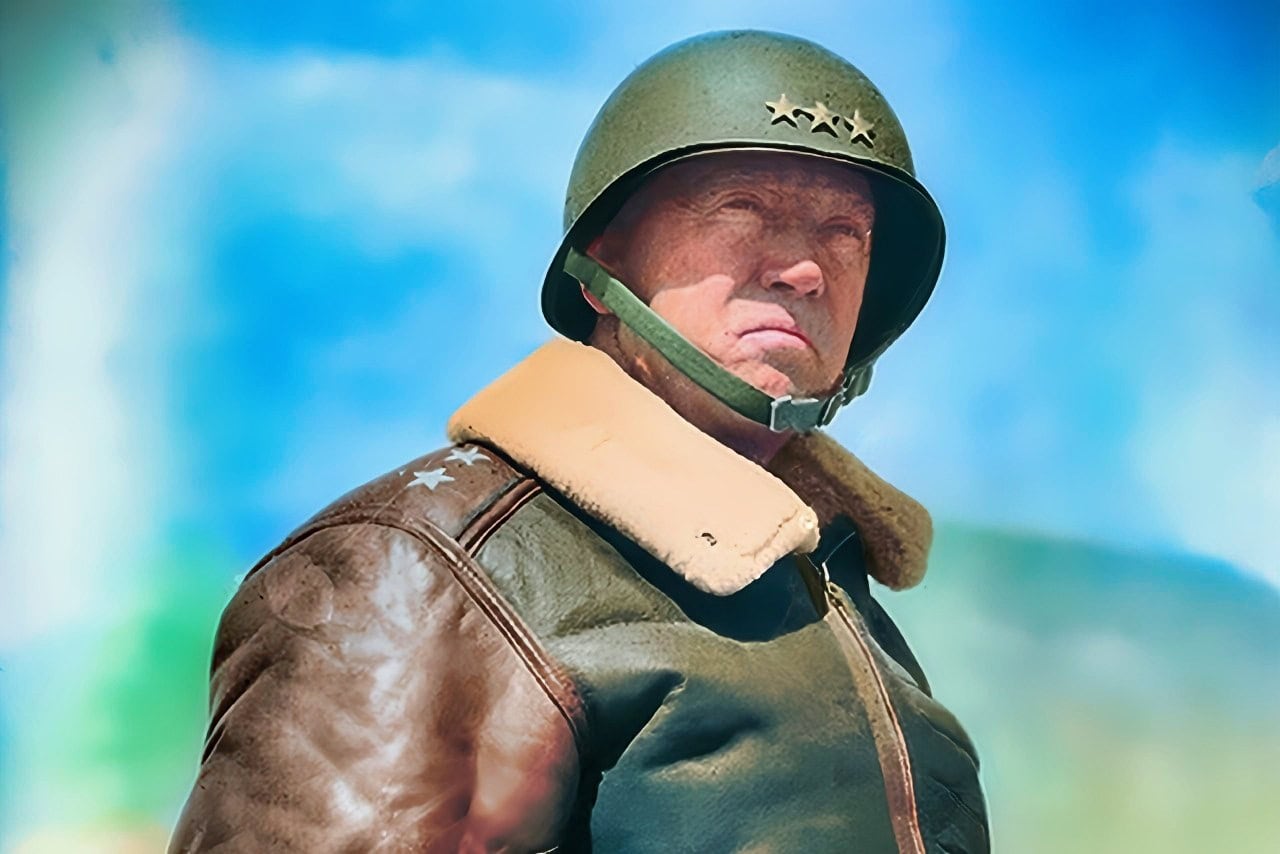
George Patton U.S. Army Photo

General Patton Portrait. Image Credit: Creative Commons.
Though mathematics continued to vex him, he compensated with extraordinary diligence and by focusing on his strengths. Patton was a superb athlete and a gifted horseman. He mastered military drills and took great pride in the precision of his turnout.
He excelled in courses on military history and tactics, where his encyclopedic memory and passion for the subject gave him an advantage. He also began keeping a journal, a habit that would continue for the rest of his life, offering insight into his evolving philosophy of leadership, war, and personal ambition.
At West Point, Patton began shaping the characteristics that would later define him as a commander: those being strict self-discipline, aggressive decisiveness, and a belief in leading from the front. He graduated in 1909, commissioned as a second lieutenant in the cavalry, a perfect match for his love of horses and movement.
Though not at the top of his class academically, he had established himself as a leader with enormous drive, physical capability, and commitment to soldiering.
Early Cavalry Service and Athletic Endeavors
Patton’s early military assignments included postings to Fort Sheridan in Illinois and Fort Riley in Kansas. These years allowed him to hone his skills as a junior officer and to immerse himself in the traditions of the cavalry. He developed a reputation for relentless training standards and personal excellence.
He pushed himself and his men physically, devoting long hours to riding, marksmanship, swordsmanship, and field exercises. His fascination with the cavalry extended beyond the physical; he immersed himself in tactical manuals and historical accounts, seeking to understand how mounted forces could operate in an age when modern weapons were rapidly reshaping warfare.
During this period, Patton also pursued competitive sports at a high level. Already an accomplished horseman and fencer, he set his sights on the modern pentathlon, a new Olympic event designed to test a soldier’s versatility. In 1912, Patton traveled to Stockholm to compete for the United States.
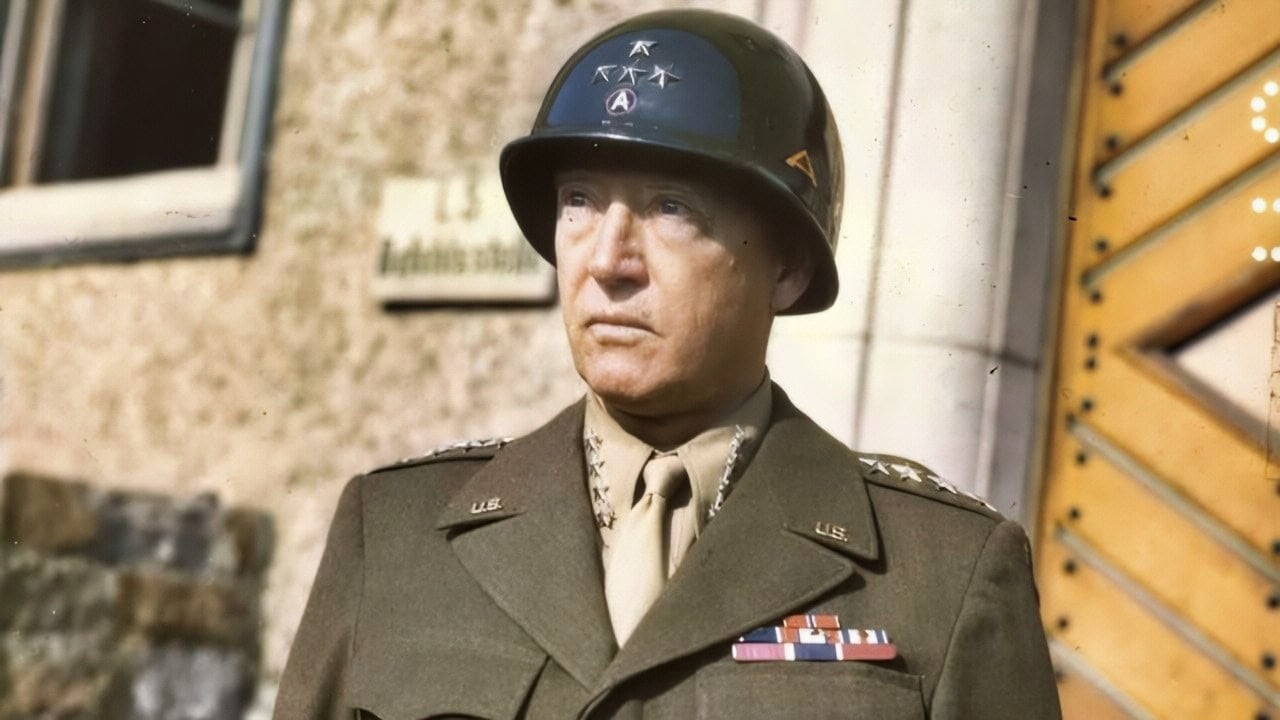
General George Patton U.S. Army Photo
The pentathlon consisted of pistol shooting, fencing, swimming, equestrian riding, and cross-country running, disciplines that were ideally suited to Patton’s strengths. He performed well, particularly in fencing and riding, and ultimately placed fifth overall. Though he did not earn a medal, Patton returned from the Olympics with enhanced prestige and the satisfaction of representing his country on the world stage.
Into Combat: The Mexican Expedition
Patton’s first experience with real combat came in 1916, when he joined General John J. Pershing’s Punitive Expedition into Mexico.
The mission sought to capture the revolutionary leader Pancho Villa after his raid on Columbus, New Mexico. For Patton, serving under Pershing was both a career milestone and a profound learning experience. He admired Pershing’s discipline, precision, and uncompromising standards, seeing in him a model of the professional soldier he aspired to become.
Patton gained national attention during the expedition when he led a small force in a bold raid on the ranch of Julio Cárdenas, a senior officer in Villa’s forces. The confrontation resulted in the deaths of Cárdenas and two others. Patton strapped their bodies to the hood of his vehicle and returned to camp in a striking but controversial episode, and the first on many to come during his career. Pershing praised the action, and newspapers across the United States published accounts of the young lieutenant’s engagement. Though the episode remains debated by historians, it clearly announced Patton as an officer of unusual energy and initiative.
World War I and Patton’s Armored Awakening
When the United States entered World War I in 1917, Patton yearned to participate in the conflict. Pershing, once again recognizing his potential, selected him to help develop the new American Tank Corps.
Tanks were in their infancy and plagued by mechanical unreliability, but Patton saw beyond their shortcomings to their potential as instruments of breakthrough and maneuver. He traveled to France, studied the tank operations of the French Army, and absorbed everything he could about armored warfare.
Patton’s leadership was crucial in establishing America’s first tank school at Langres, France. He trained crews personally, often drilling them under harsh conditions meant to simulate the chaos of combat. He believed deeply in discipline, speed, and aggressive action, principles he communicated with uncompromising clarity.
The soldiers who trained under him came to respect his intensity and his willingness to expose himself to the same risks he demanded of them.
Patton commanded the 1st Provisional Tank Brigade during the Meuse–Argonne Offensive of 1918, one of the largest and bloodiest operations undertaken by the U.S. Army during the war. True to his philosophy of leading from the front, Patton frequently advanced on foot to direct his tanks under fire. During one such advance, he was struck by machine-gun fire and seriously wounded.
Even after being hit, he continued issuing orders until he collapsed from blood loss. His bravery earned him the Distinguished Service Cross and solidified his wartime reputation as an officer of exceptional courage.
Although the war ended before Patton could more fully develop his ideas about armored warfare, his experiences convinced him that tanks would transform the battlefield. The lessons he learned in 1917 and 1918 laid the intellectual foundation for the armored doctrines he championed decades later in World War II.
About the Author: Isaac Seitz
Isaac Seitz, a Defense Columnist, graduated from Patrick Henry College’s Strategic Intelligence and National Security program. He has also studied Russian at Middlebury Language Schools and has worked as an intelligence Analyst in the private sector.