

Key Points and Summary – George S. Patton didn’t take part in the Normandy landings, and that absence was no accident.
-After the Sicily slapping incidents damaged his standing, Allied planners turned Patton’s fearsome reputation into a strategic asset.
-Under Operation Fortitude, he was placed in command of a phantom force in southeastern England designed to convince Germany the main invasion would hit Pas-de-Calais.
-The ruse worked: even after June 6, German leaders hesitated to shift key formations, buying time for the fragile Normandy beachhead. Once released, Patton’s Third Army breakout validated the legend that made the deception believable.
Why U.S. Army General George S. Patton Didn’t Storm Normandy on D-Day—and Why That Helped Win It
“The real hero is the man who fights even though he is scared.” – General George S. Patton
This quote was delivered by General George S. Patton to the U.S. Third Army right before invasion of Normandy on June 5, 1944. Patton was one of the most famous Allied Generals of WWII. Despite this, Patton did not take part in the D-Day landings in Normandy.
In fact, Patton and his troops would not take part in combat in France until two months after the D-Day landings. This was intentionally done for a number of reasons. Patton was sidelined not only because of his tension with other generals, but also because he took part in a deception operation to misdirect German intelligence about the Allied landings.

General Patton Portrait. Image Credit: Creative Commons.
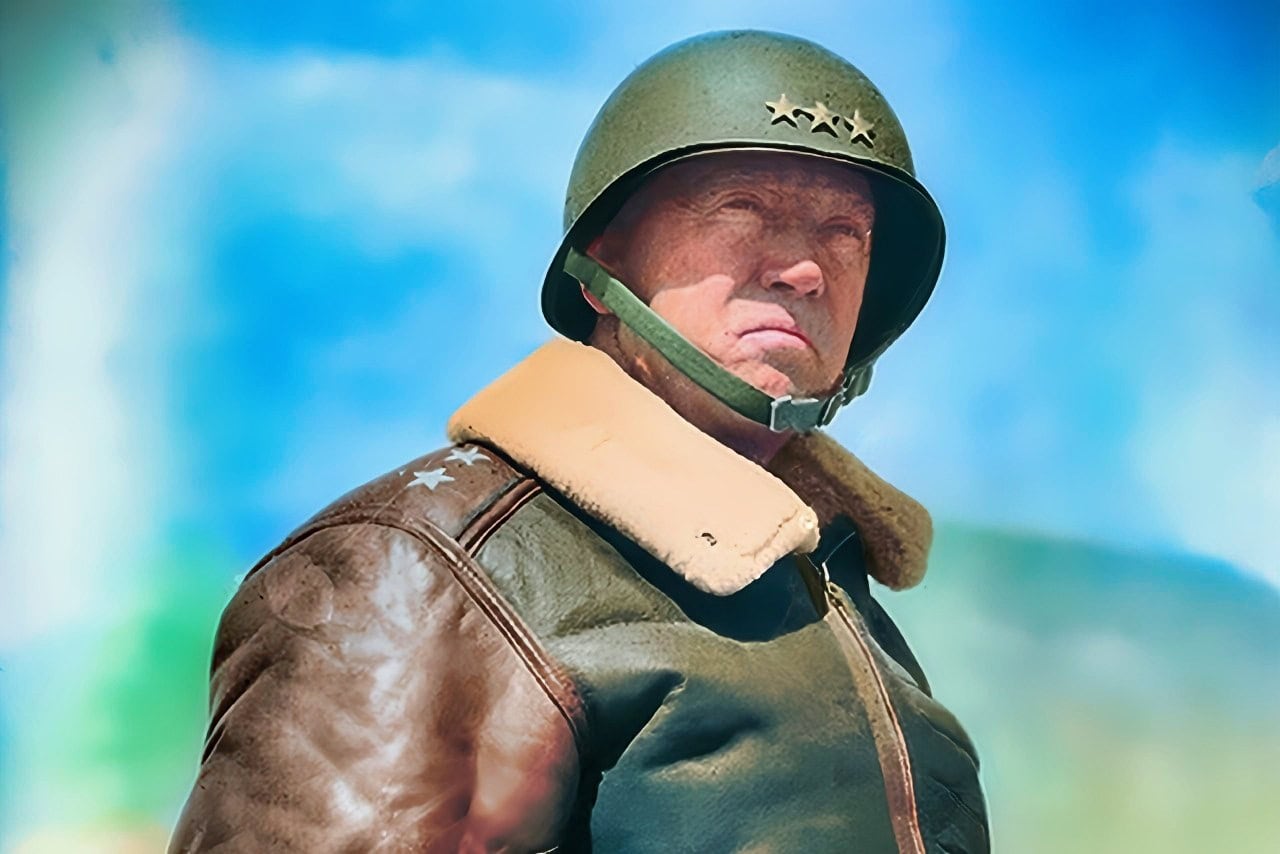
George Patton U.S. Army Photo
Early Life and Military Career
George S. Patton was born on November 11, 1885, in San Gabriel, California, into a family with deep military roots. From an early age, he was steeped in the lore of warfare and heroism, particularly admiring figures such as Napoleon Bonaparte.
Patton attended the United States Military Academy at West Point, graduating in 1909. Though he struggled academically, especially with reading and spelling, he distinguished himself through discipline, leadership, and physical prowess. These early experiences shaped his belief that character, courage, and relentless action mattered as much as raw intellect in warfare.
By the start of the Second World War, Patton was both admired and feared within the U.S. Army. His leadership in North Africa following the American defeat at Kasserine Pass in 1943 helped restore discipline and morale among U.S. forces. Later that year, as commander of the U.S. Seventh Army during the invasion of Sicily, Patton demonstrated exceptional operational skill, capturing key objectives with remarkable speed.
However, his reputation suffered greatly after two incidents in which he physically struck soldiers suffering from what was then termed “battle fatigue.” When news of these incidents became public, Patton was temporarily relieved of command and sidelined by General Dwight D. Eisenhower.
While deeply damaging in the short term, this controversy would ironically position Patton for one of his most important contributions to the war.
Operation Fortitude: The Allied Deception Operation
As the Allies prepared for the invasion of Nazi-occupied France in 1944, secrecy and deception became paramount. Operation Overlord, the Allied plan to land forces in Normandy, required not only overwhelming military power but also the successful misdirection of German intelligence.
The Allies needed to convince Germany that the main invasion would occur somewhere other than Normandy and that any landings there might be only a diversion. This deception effort, known collectively as Operation Fortitude, relied heavily on manipulating German expectations and their perception of George S. Patton.
German commanders regarded Patton as the most aggressive and dangerous of the Allied generals. His victories in North Africa and Sicily had made a strong impression, and German intelligence closely monitored his movements. Allied planners recognized that Patton’s reputation could be weaponized.
As a result, he was placed in command of the First U.S. Army Group, a force that existed largely on paper. Stationed in southeastern England, opposite the Pas-de-Calais, this fictitious army was intended to appear as the main Allied invasion force.
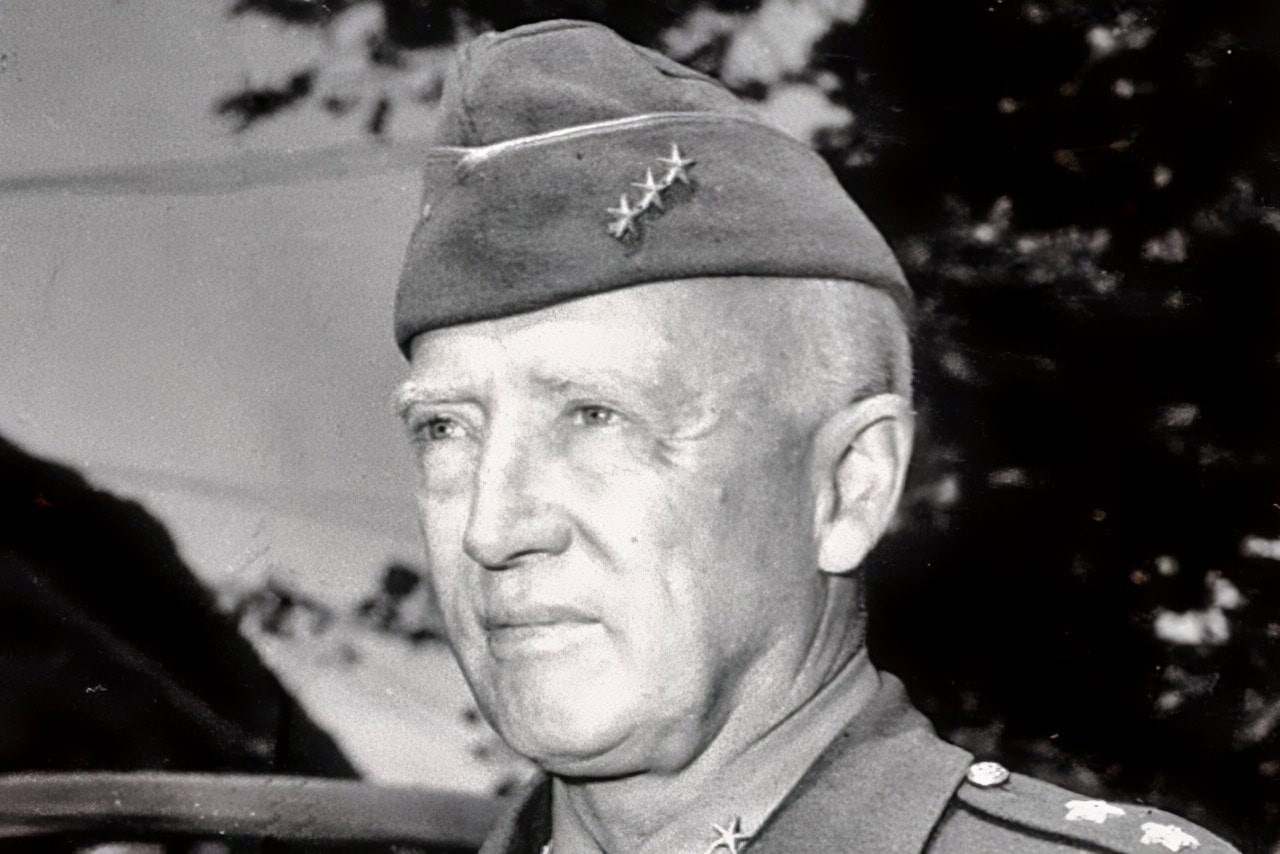
George S. Patton Quote of the Day. Creative Commons Image.
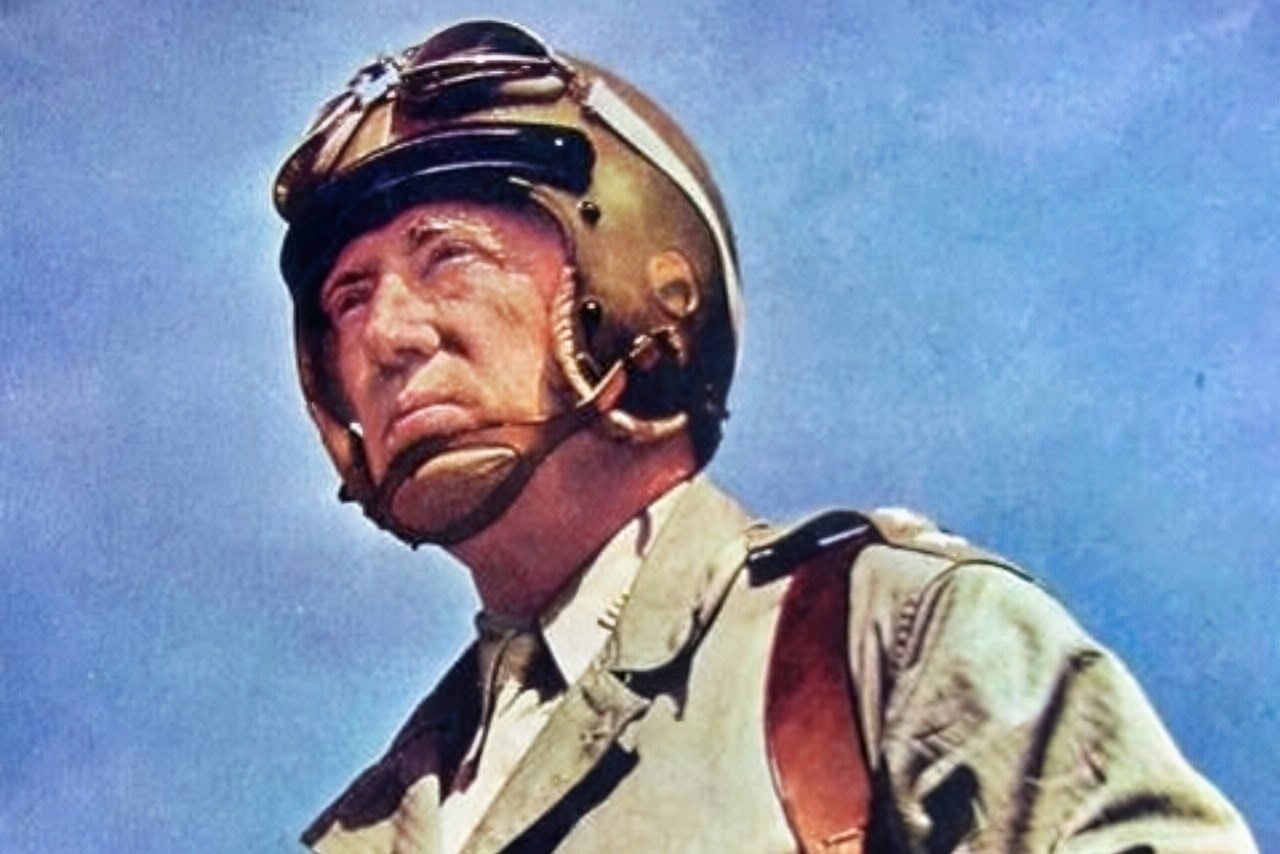
General George Patton of the U.S. Army. Image Credit: Creative Commons.
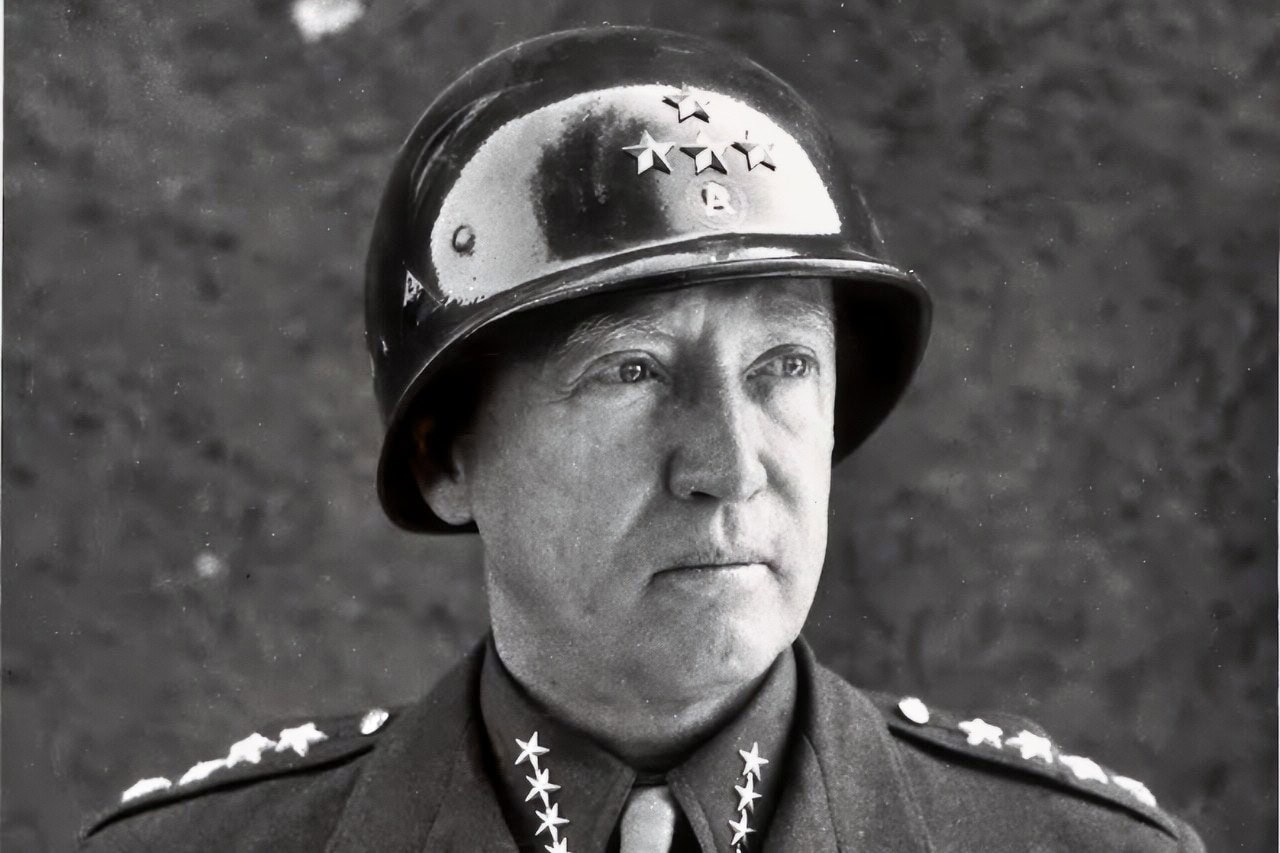
U.S. Army General George Patton
Patton fully embraced his role in the deception. He made public appearances, inspected troops, and maintained a visible presence in England that reinforced German beliefs. Dummy tanks, fake airfields, and fabricated radio traffic all supported the illusion that Patton was preparing to strike across the English Channel at its narrowest point. Because Pas-de-Calais was the most logical invasion site from a German perspective, the presence of Patton there seemed to confirm their expectations.
The Invasion of Normandy
When Allied forces landed in Normandy on June 6, 1944, Patton was still in England. This absence was deliberate. Even as reports of the landings reached German headquarters, Adolf Hitler and his senior commanders hesitated to commit their reserves.
Many believed that the Normandy invasion was merely a feint and that the real blow led by Patton was yet to come. As a result, powerful German formations, including the 15th Army and several armored divisions, remained near Pas-de-Calais for weeks after D-Day.
This delay proved crucial. The Allied beachhead in Normandy was fragile in its early days, and a rapid, concentrated German counterattack might have forced the Allies back into the sea. Patton’s continued “presence” in England helped prevent such a response.
Once the Allied position in Normandy was secure and the deception had achieved its purpose, Patton was finally released from his waiting role. On August 1, 1944, he assumed command of the newly activated U.S. Third Army.
What followed justified the fear and respect he inspired in German commanders. During the breakout from Normandy, Patton unleashed a fast-moving, hard-driving campaign across France. Emphasizing maneuver over direct confrontation, his forces bypassed strongpoints, disrupted German supply lines, and exploited gaps with relentless momentum. Within weeks, Third Army units had liberated vast areas of western France and forced the German army into a chaotic retreat.
The Legacy of George S. Patton
Patton’s performance after D-Day reinforced the importance of his earlier role. The deception worked precisely because Patton was capable of delivering the kind of devastating offensive the Germans expected. Had he been an unremarkable or overly cautious commander, Operation Fortitude would likely have failed.
Instead, Patton’s genuine abilities gave credibility to the illusion, making the deception one of the most successful in military history.
Although George S. Patton did not participate directly in the D-Day landings, his role was essential to their success.
As the commander of a phantom army, he anchored the Allied deception that held German forces in place and protected the fragile Normandy beachhead during its most vulnerable phase. When finally committed to combat, he proved that the faith placed in his abilities was justified.
Patton’s contribution to D-Day was subtle but profound, demonstrating that in modern warfare, perception can be as powerful a weapon as firepower.
About the Author: Isaac Seitz
Isaac Seitz, a Defense Columnist, graduated from Patrick Henry College’s Strategic Intelligence and National Security program. He has also studied Russian at Middlebury Language Schools and has worked as an intelligence Analyst in the private sector.