

Summary and Key Points: Defense analyst Harrison Kass evaluates the strategic implications of China’s PADJ-X simulation study targeting the Northrop Grumman B-21 Raider.
-Researchers at the China Aerodynamics Research and Development Centre claim to have identified stability weaknesses in the bomber’s flying-wing configuration.
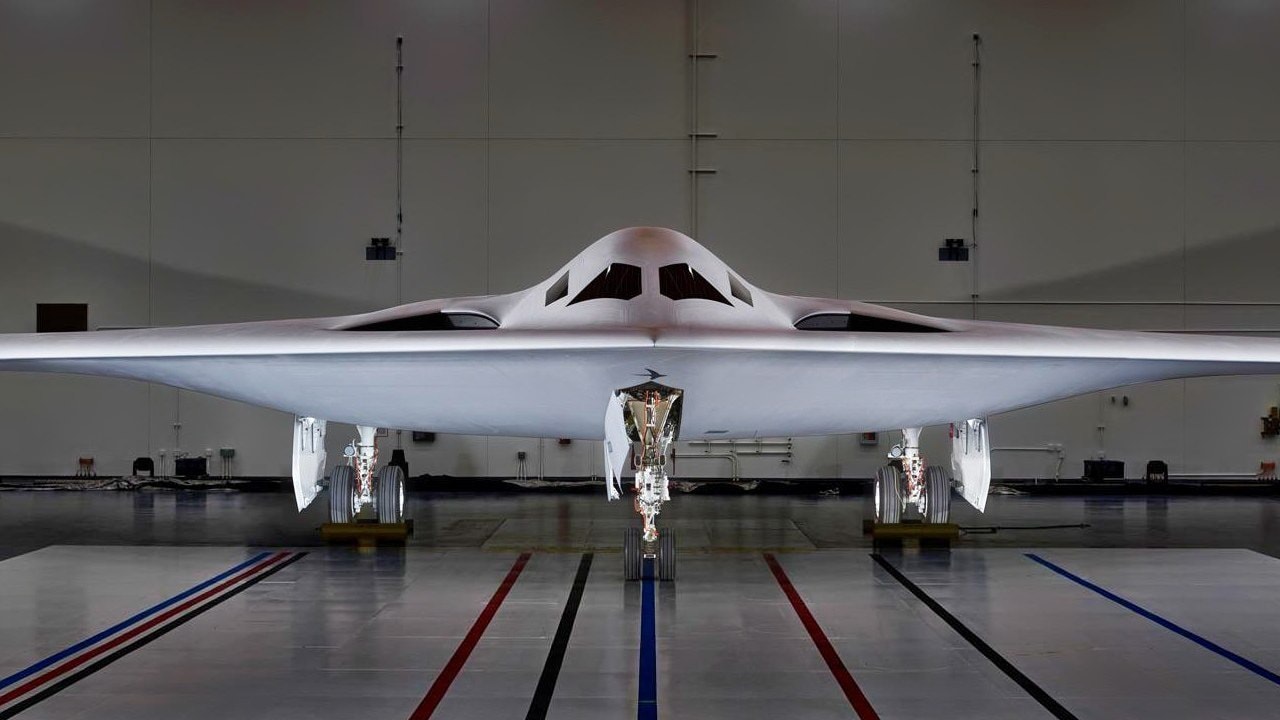
B-21 Raider Bomber U.S. Air Force.
-This report analyzes the limitations of modeling based on publicly available design information, noting that the B-21’s classified flight-control systems likely compensate for any theoretical instabilities.
-Kass explores the broader competition between the B-21 and China’s Xi’an H-20, concluding that digital engineering is now the primary front in military aerospace rivalry.
The PADJ-X Challenge: Analyzing China’s Theoretical Attack on the B-21 Raider’s Aerodynamics
Chinese aerospace researchers say they have identified potential aerodynamic and stability weaknesses in the US Air Force’s next-generation stealth bomber, the B-21 Raider.
The claim comes from a study conducted at the China Aerodynamics Research and Development Centre, one of Chin’a major military aviation research institutions.
Using a newly developed simulation software, PADJ-X, Chinese researchers modeled the bomber’s likely flight characteristics based on publicly available design information.
The study reportedly identified possible improvements to the B-21’s aerodynamic configuration—suggesting that the PADJ-X software can analyze complex military aircraft designs.
The findings, of course, are still theoretical, but the research highlights the growing role of advanced computational modeling in modern military competition.
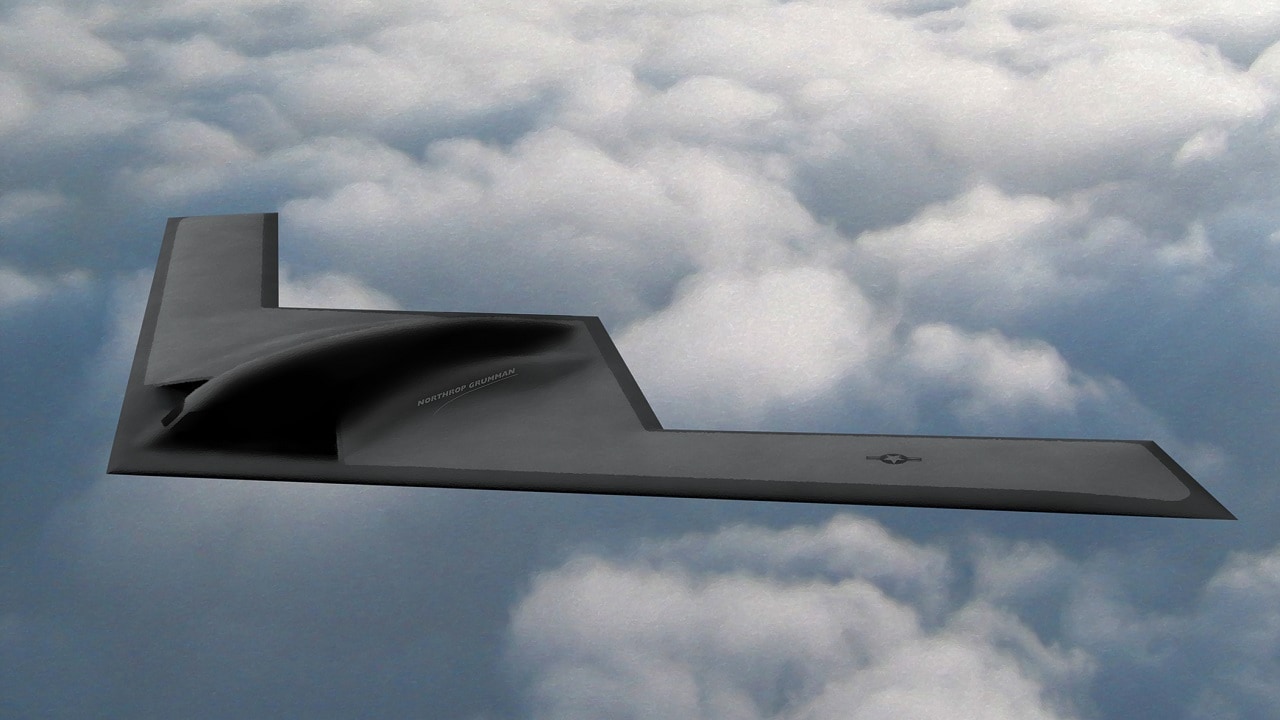
B-21 Raider bomber. Image Credit: Creative Commons.
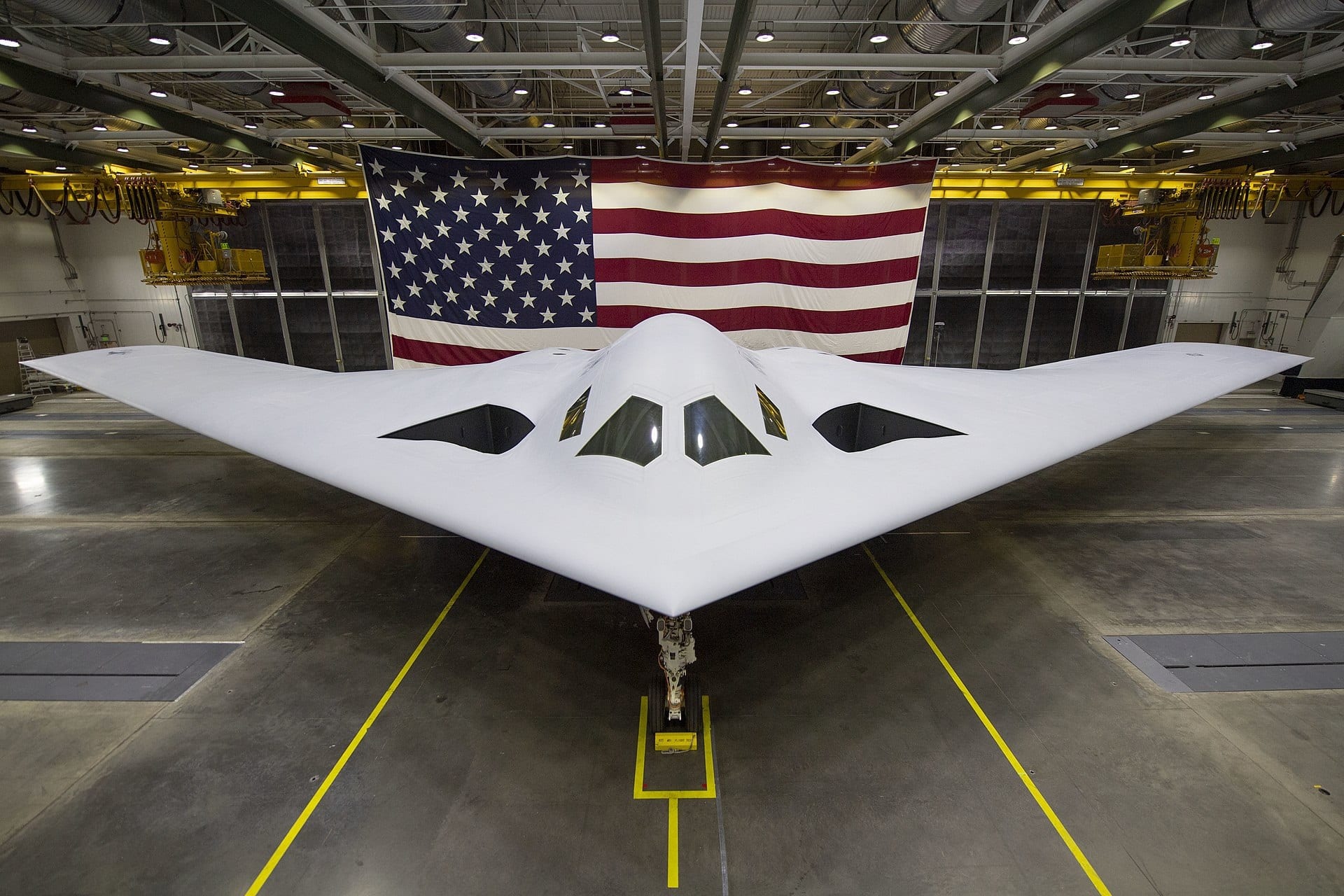
The B-21 Raider was unveiled to the public at a ceremony December 2, 2022 in..Palmdale, Calif. Designed to operate in tomorrow’s high-end threat environment, the B-21 will play a critical role in ensuring America’s enduring airpower capability. (U.S. Air Force photo)
What the B-21 Raider Is
The B-21 Raider is the US’s next-generation strategic stealth bomber. Currently under development by Northrop Grumman, the B-21 can be considered a replacement for the company’s last stealth bomber project, the B-2 Spirit.
Appropriately, once the B-21 is available, it will replace both the B-2 and the B-1B Lancer, marking the most dramatic change to the Air Force’s bomber corps in a generation.
B-21’s Key Characteristics
The B-21’s (publicly known) key characteristics include a stealth-focused flying wing design that is outwardly very similar to the B-2’s.
The B-21 is being designed for long-range penetrating strike capability, which the flying wing design facilitates through improved fuel economy (thanks to low drag) and reduced radar cross-section/improved stealth performance (thanks to limited control surfaces).
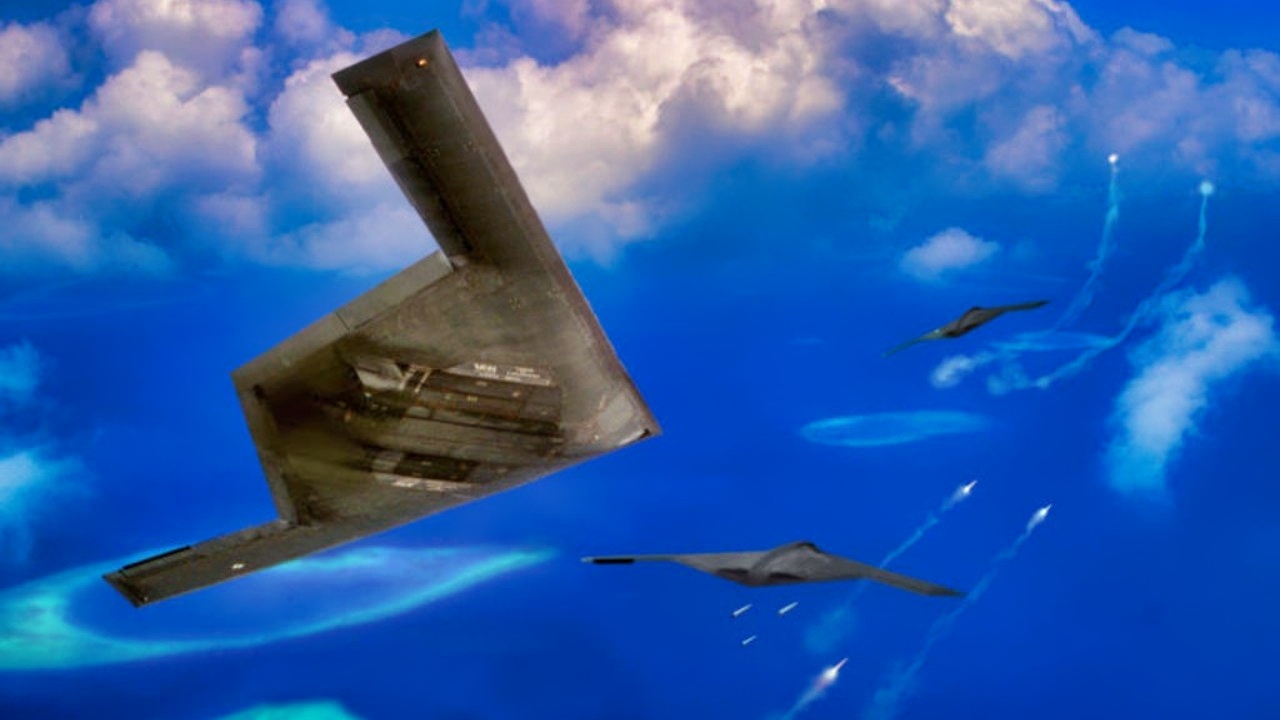
B-21 Raider Bomber. Artist Rendition/Creative Commons.
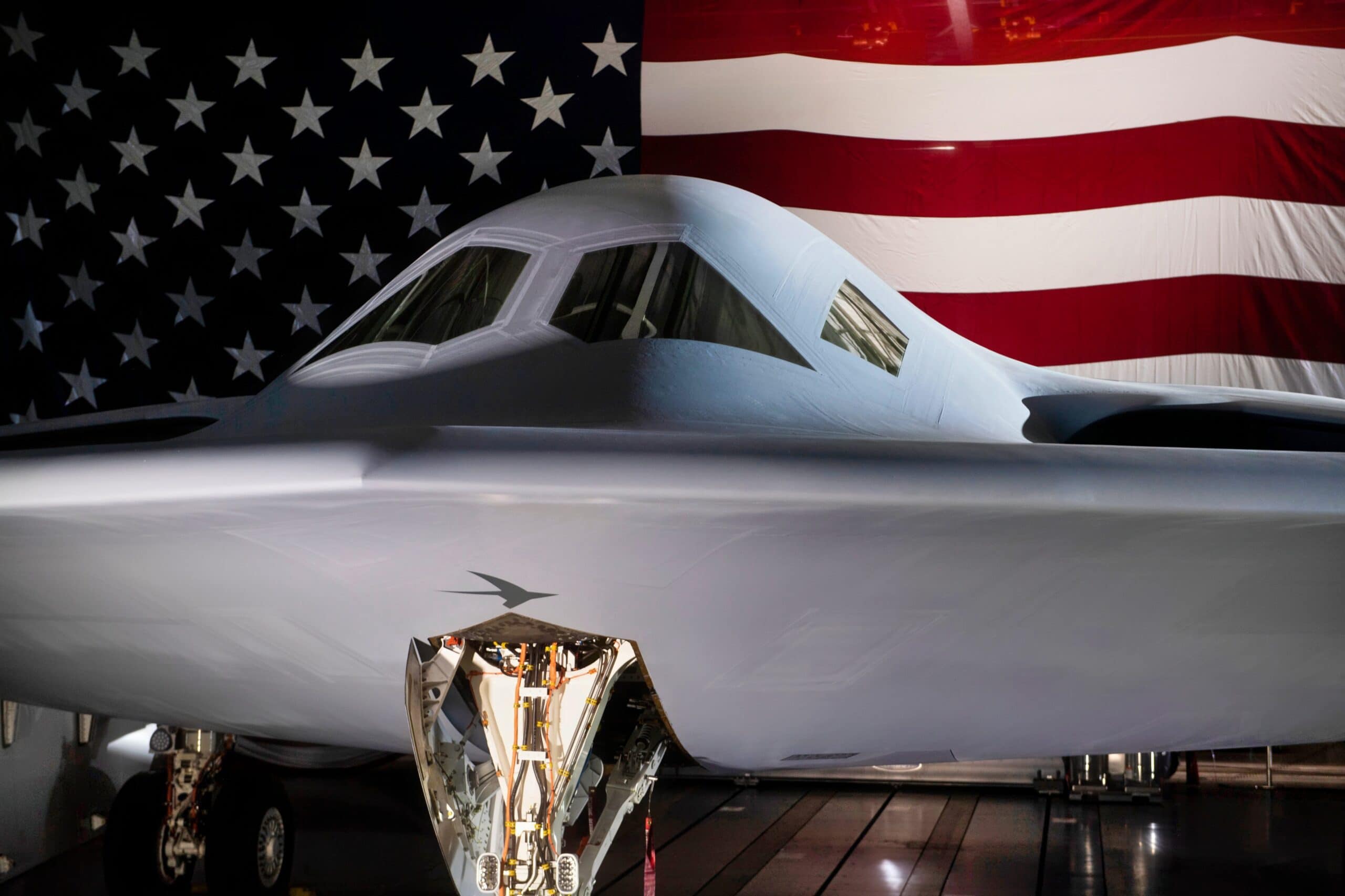
B-21 Raider. Image Credit: Creative Commons.
The B-21 will carry both conventional and nuclear weapons, as well as advanced sensors and network connectivity.
The aircraft is intended to operate in heavily defended airspace, penetrating advanced air defense networks in potential conflicts with near-peer powers such as China or Russia.
And although many of the B-21’s technical details remain classified, the B-21 is expected to represent a major leap forward in stealth, survivability, and digital integration compared to the B-2.
The Chinese Study
According to the research summary, Chinese scientists used a simulation platform called PADJ-X to model the B-21’s aerodynamic behavior.
The software reportedly enables engineers to analyze aircraft performance through high-fidelity digital simulations rather than expensive wind-tunnel tests.
And, using theoretical modeling based on open-source imagery and assumptions about the bomber’s design, researchers evaluated potential stability and aerodynamic characteristics of the B-21.
Aspects the Chinese examined include: airflow around the bomber’s flying-wing configuration; stability across different flight regimes; aerodynamic efficiency; and potential structural or performance trade-offs.
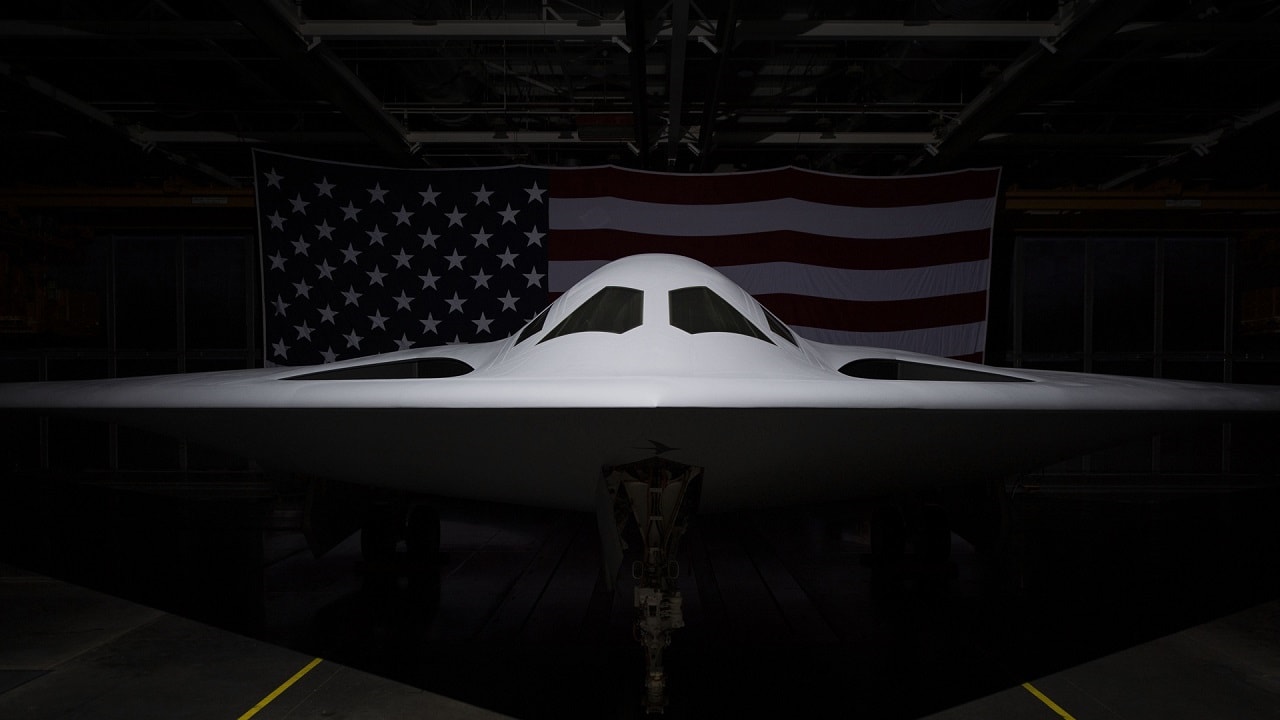
B-21 Raider. Image Credit: U.S. Military.
The research suggested that small changes in the aircraft’s configuration could theoretically improve performance.
Limits of the Analysis
However, the study should be taken with a grain of salt, as the analysis is based entirely on external modeling rather than classified design data. The B-21’s exact aerodynamic configuration, materials, and flight control systems remain highly classified.
This means that Chinese researchers are working from public imagery and educated assumptions—not from detailed engineering data from the actual aircraft.
Also worth noting: modern stealth aircraft are often inherently unstable and rely on advanced flight-control computers that can compensate for aerodynamic instabilities that might appear problematic in purely theoretical models, thereby allowing the aircraft to maintain controlled flight.
Which is to say that any Chinese claims about “flaws” in a forthcoming US aircraft, the development of which has been a closely guarded secret, should be treated with skepticism.
Common Practice
Despite the limitations of the Chinese study, the research highlights a common practice in military aerospace competition: countries routinely analyze the visible design characteristics of rival aircraft to estimate performance and identify potential weaknesses.
Not engaging in such behavior and critique would be negligent from a security perspective.
And the use of tools like PADJ-X reflects a broader shift toward digital engineering and advanced simulation in aerospace design. High-performance computing enables engineers to test aircraft designs virtually before building physical prototypes, accelerating design cycles, reducing development costs, and enabling the safe testing of extreme flight scenarios.
China’s interest in the Raider is no surprise, either; it reflects the broader strategic competition between the US and China.
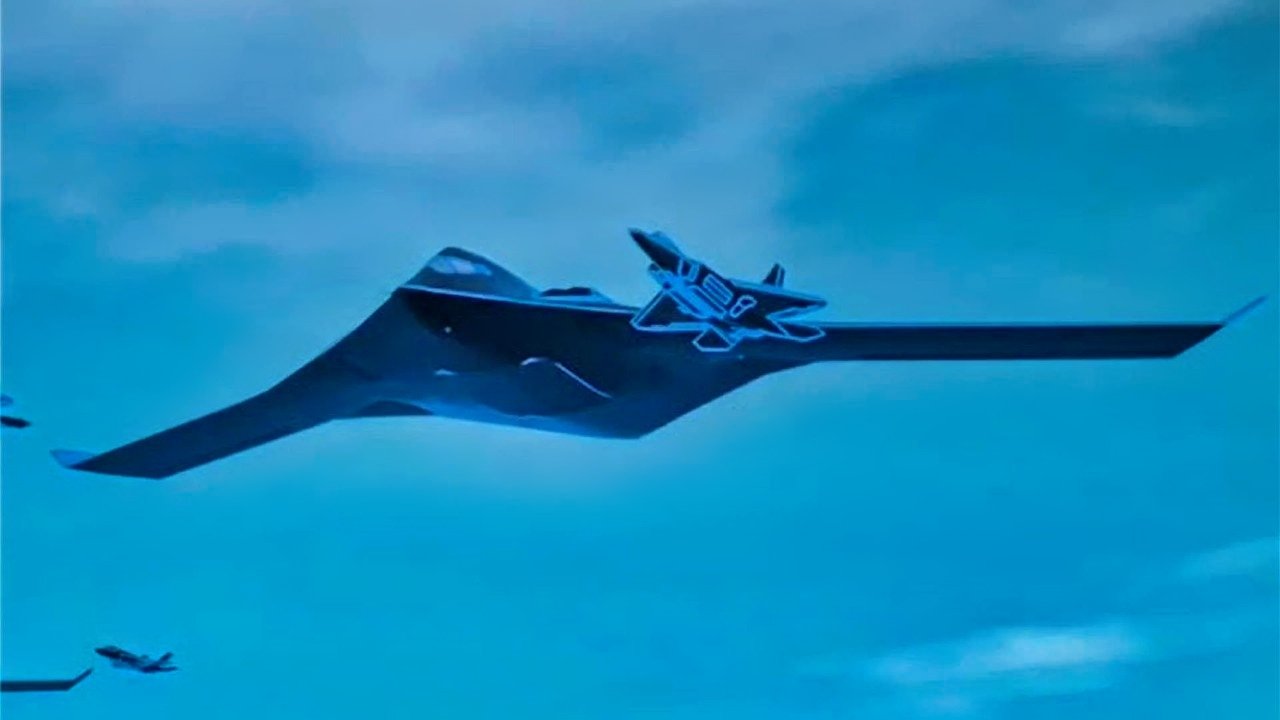
H-20 Bomber Image. Image Credit X Screeenshot.
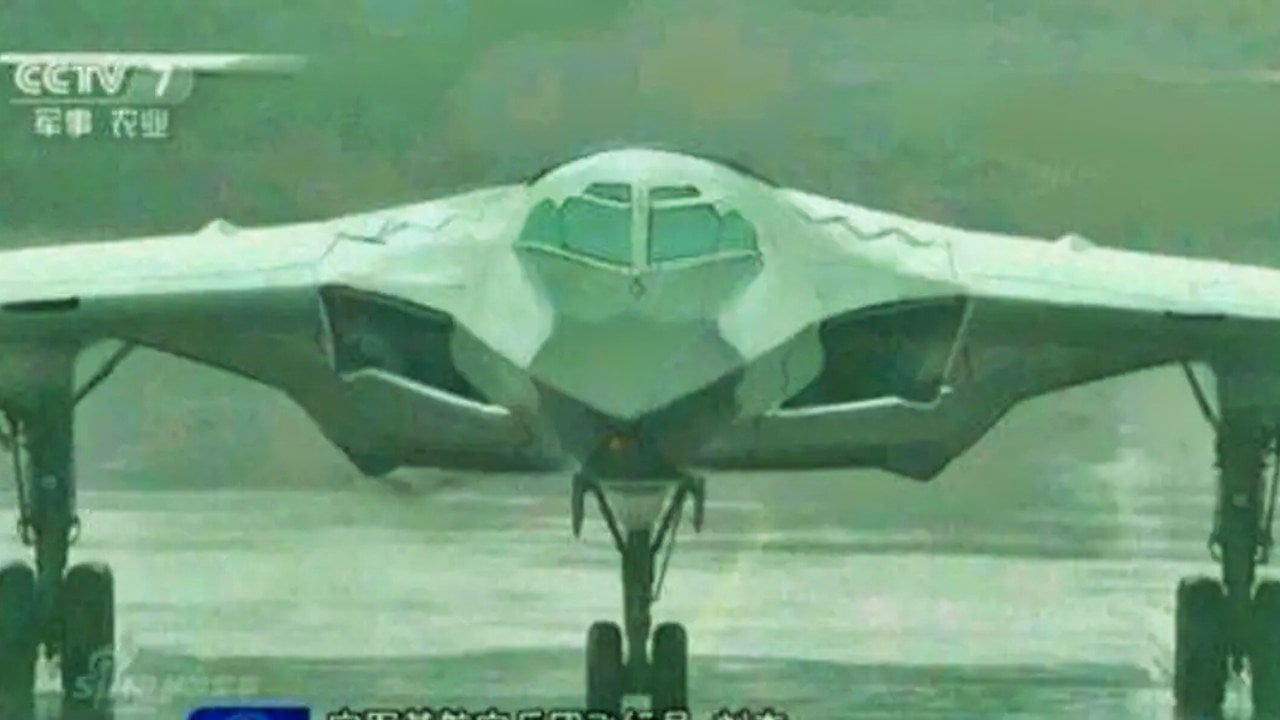
Image Credit of H-20 Bomber: Creative Commons.
Long-range stealth bombers remain one of the most important tools for projecting military power.
China, too, is currently believed to be developing its own next-generation stealth bomber, the Xi’an H-20, any development of which the Americans will watch closely, waiting to feed data into their own performance modeling software.
READ MORE – A Chinese Tech Firm Says It Tracked Radio Signals from B-2 Spirit Bombers Over Iran
About the Author: Harrison Kass
Harrison Kass is an attorney and journalist covering national security, technology, and politics. Previously, he was a political staffer and candidate, and a US Air Force pilot selectee. He holds a JD from the University of Oregon and a master’s in global journalism and international relations from NYU.