
Summary and Key Points: Isaac Seitz — defense columnist, Patrick Henry College Strategic Intelligence and National Security graduate, and private-sector intelligence analyst — delivers a comprehensive public accounting of the U.S. Navy’s compounding Tomahawk cruise missile capacity crisis.
-The simultaneous retirement of four Ohio-class SSGNs — each carrying 154 Tomahawks across 616 collective vertical launch cells — and Ticonderoga-class cruisers with 122 VLS cells apiece is creating a strategic strike gap no current platform can fill.
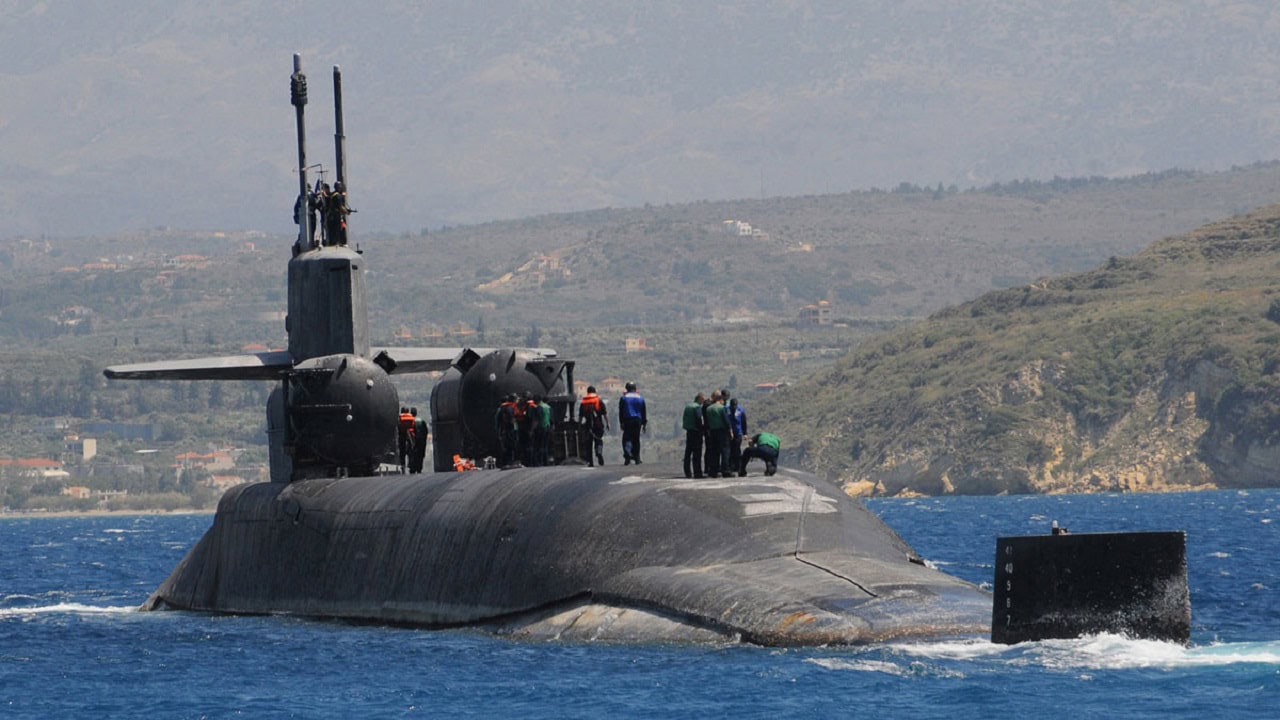
Ohio-Class SSGN. Image Credit: U.S. Navy.
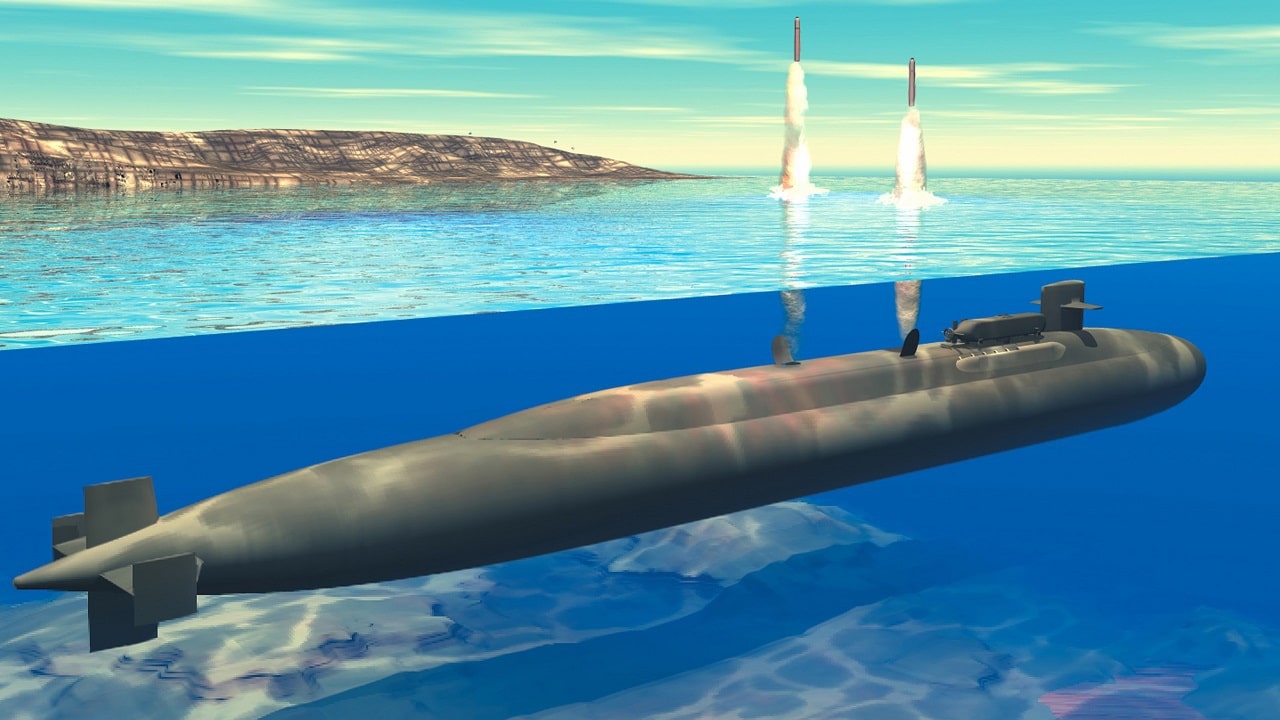
Artist’s concept of an Ohio-class SSGN launching Tomahawk Land Attack Missiles.
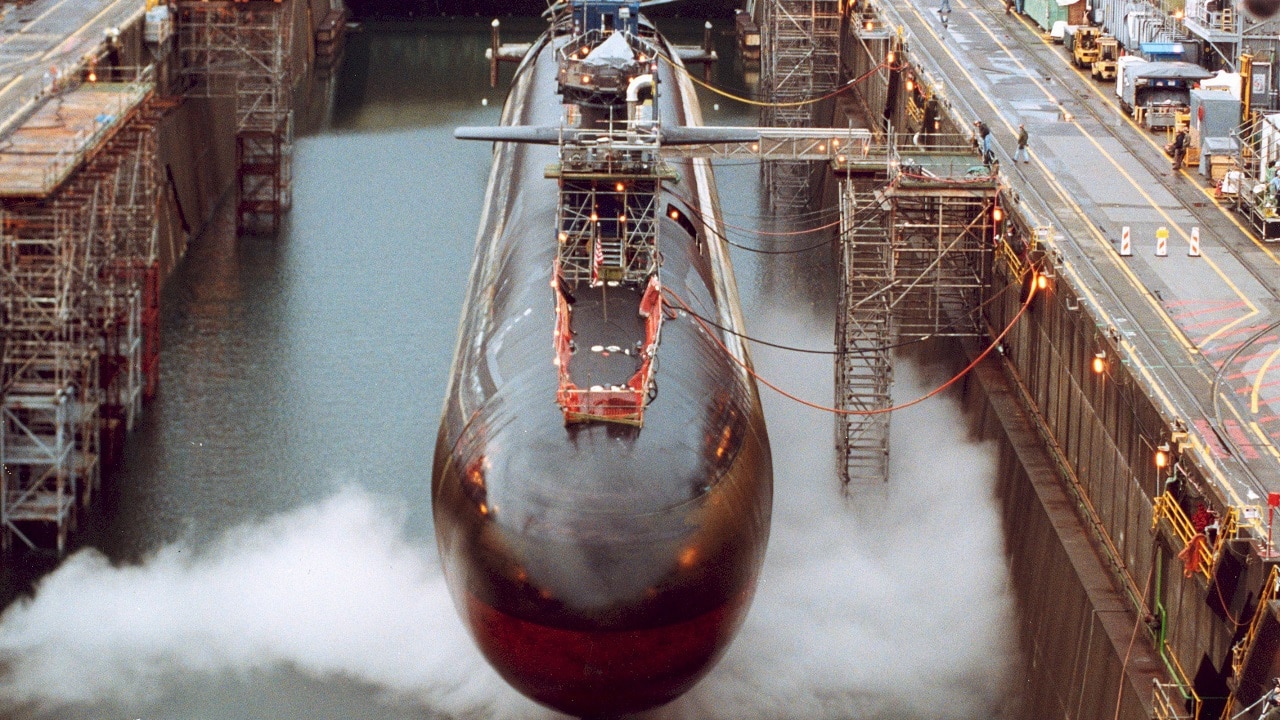
Puget Sound Naval Shipyard, Wash. (Aug. 14, 2003) — USS Ohio (SSGN 726) is in dry dock undergoing a conversion from a Ballistic Missile Submarine (SSBN) to a Guided Missile Submarine (SSGN) designation. Ohio has been out of service since Oct. 29, 2002 for conversion to SSGN at Puget Sound Naval Shipyard. Four Ohio-class strategic missile submarines, USS Ohio (SSBN 726), USS Michigan (SSBN 727) USS Florida (SSBN 728), and USS Georgia (SSBN 729) have been selected for transformation into a new platform, designated SSGN. The SSGNs will have the capability to support and launch up to 154 Tomahawk missiles, a significant increase in capacity compared to other platforms. The 22 missile tubes also will provide the capability to carry other payloads, such as unmanned underwater vehicles (UUVs), unmanned aerial vehicles (UAVs) and Special Forces equipment. This new platform will also have the capability to carry and support more than 66 Navy SEALs (Sea, Air and Land) and insert them clandestinely into potential conflict areas. U.S. Navy file photo. (RELEASED)
-Virginia-class Block V submarines equipped with the Virginia Payload Module carry only 40 Tomahawks each, requiring nearly four boats to match a single Ohio-class SSGN.
-With GAO confirming submarine production rates of just 1.1 to 1.2 boats annually against a requirement of 2.33, Seitz warns the steepest capability trough arrives in the late 2020s — precisely when Indo-Pacific deterrence demands maximum undersea strike capacity against China.
Why Four Virginia-Class Submarines Cannot Replace a Single Ohio-Class SSGN
The U.S. Navy is entering a period in which the most important sources of long-range, cruise missile launch platforms are disappearing faster than they can be replaced.
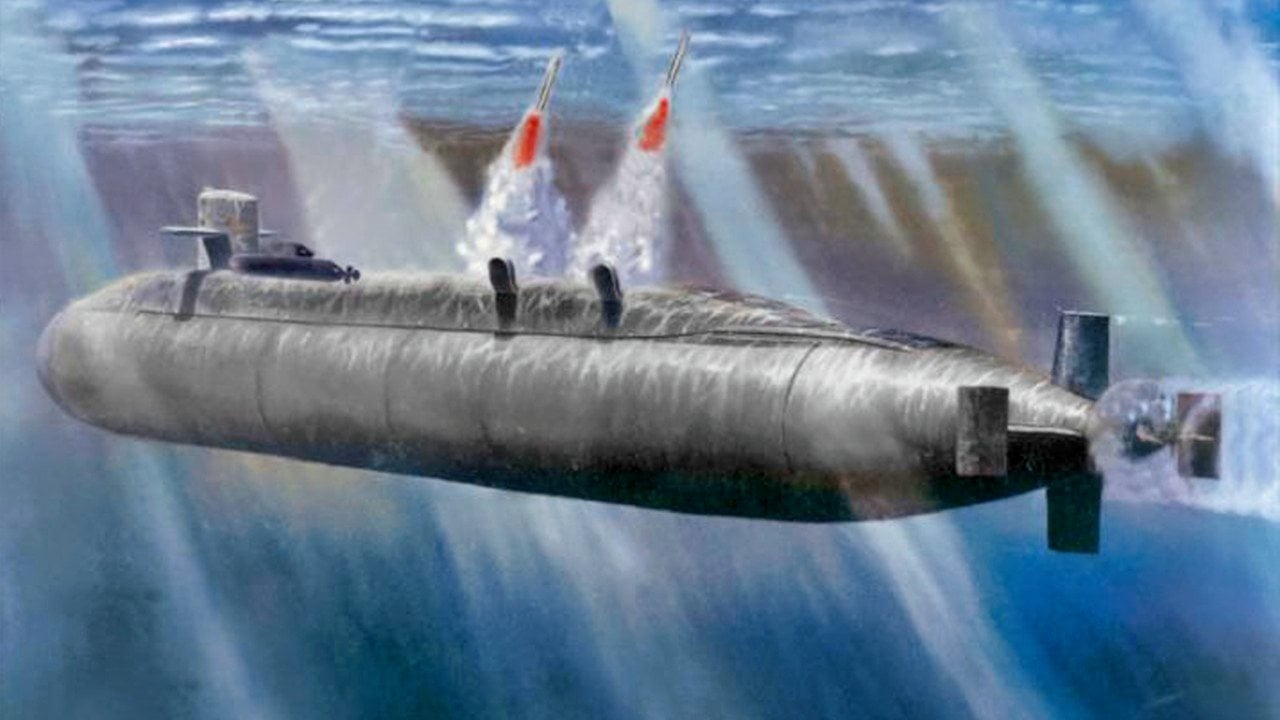
The four Ohio-class guided-missile submarines were converted in the mid-2000s to carry up to 154 Tomahawk land-attack cruise missiles apiece, using the space once occupied by Trident ballistic missiles.
Collectively, they provide 616 vertical launch cells, a massive and stealthy undersea magazine that has been used in combat and contingency operations for nearly two decades. Their retirement schedule, which originally planned to see all four subs retired by 2028, removes hundreds of ready-to-fire Tomahawks from the U.S. undersea force.
The Navy’s Disappearing Tomahawk Capabilities
What makes this loss uniquely damaging is that the Navy has spent the 2000s and 2010s relying on these SSGNs as its primary means of delivering extremely large, covert missile salvos at the outset of a conflict.
A single Ohio SSGN can bring more Tomahawks to bear than an entire surface action group, and it can do so while remaining hidden.
No other submarine in the fleet has comparable missile capacity.
As a result, when all four retire, the United States will lose an unmatched ability to generate surprise, high-volume, long-range strikes from beneath the sea.

The Ohio-class guided-missile submarine USS Florida (SSGN 728) departs Naval Submarine Base Kings Bay. Florida will perform routine operations while at sea. (U.S. Navy photo by Mass Communication Specialist 1st Class James Kimber/Released)
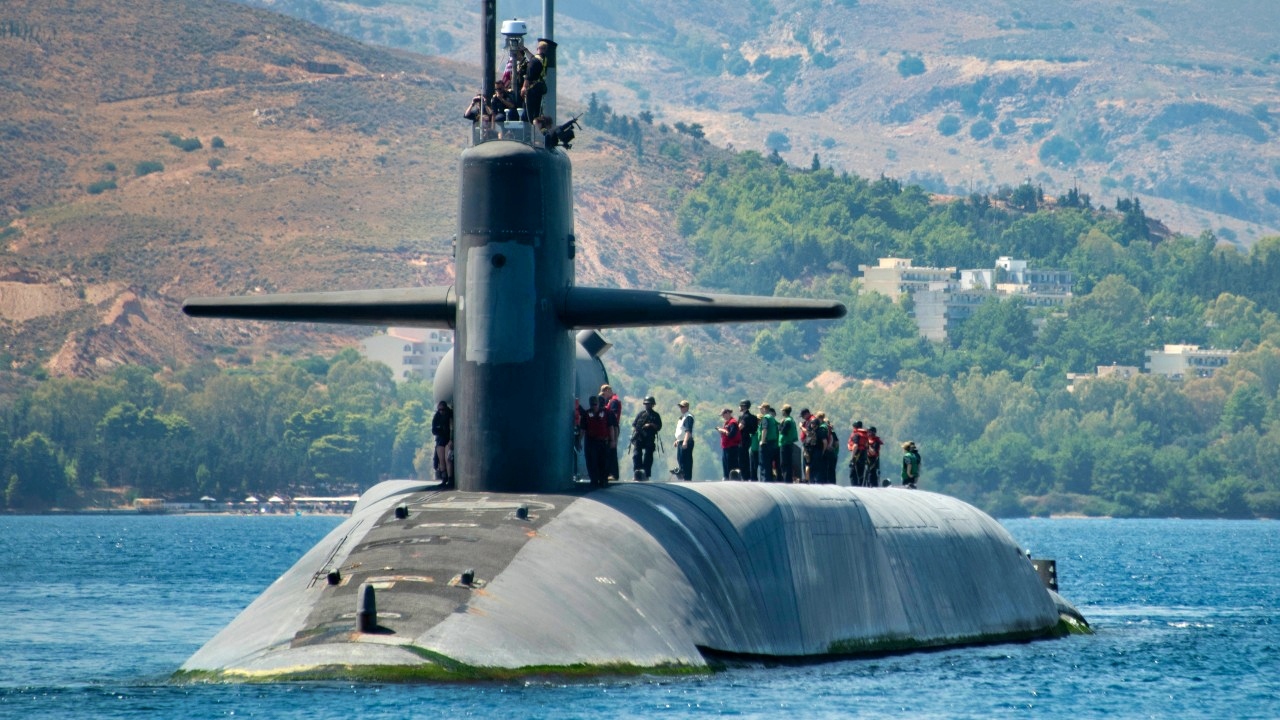
190907-N-UR565-0660NAVAL SUPPORT ACTIVITY SOUDA BAY, Greece (Sept. 7, 2019) The Ohio-class cruise missile submarine USS Florida (SSGN 728) arrives in Souda Bay, Greece, for a scheduled port visit, Sept. 7, 2019. NSA Souda Bay is an operational ashore base that enables U.S., allied, and partner nation forces to be where they are needed and when they are needed to ensure security and stability in Europe, Africa, and Southwest Asia. (Photo by Joel Diller/Released)
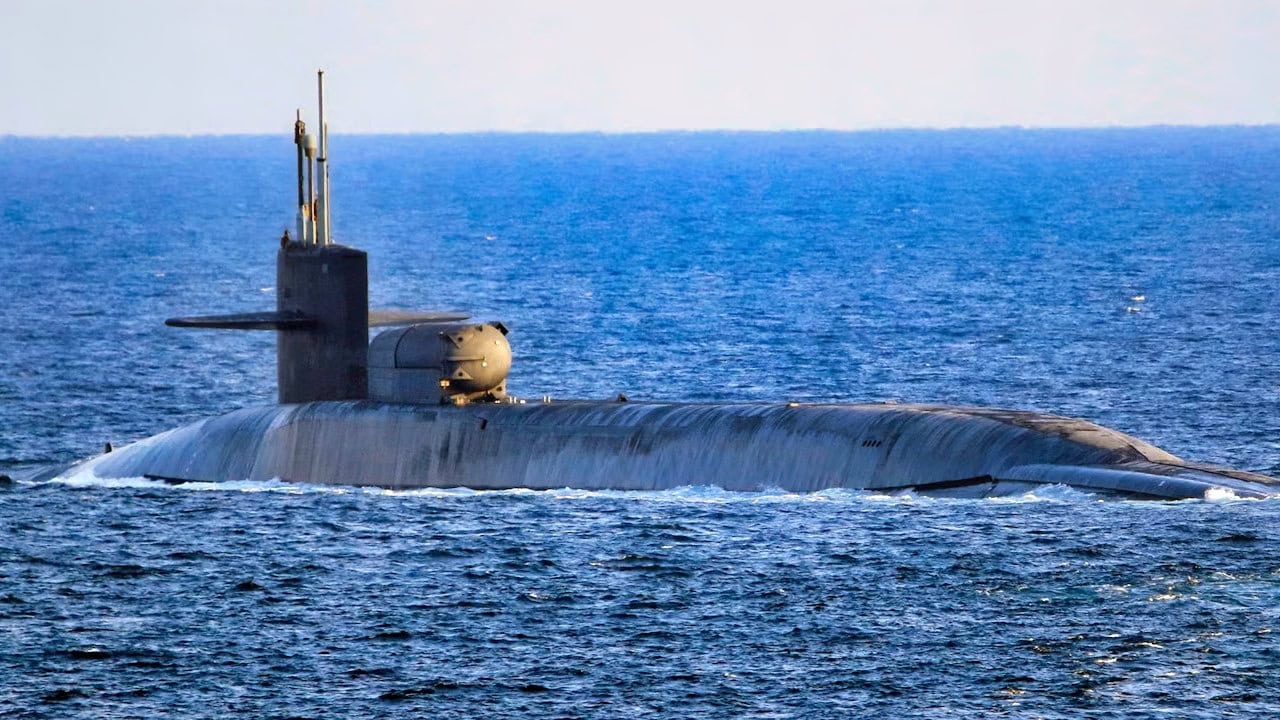
Ohio-Class SSGN Submarine U.S. Navy.
Thankfully, however, it looks as if the timeline for deactivating these assets is being delayed as the Navy recognizes the importance of its SSGNs.
The situation is made more complicated by the surface fleet’s simultaneous retirement of the Ticonderoga-class cruisers.
These ships, each with 122 VLS cells, are retiring while new Arleigh Burke Flight III destroyers provide only 96 cells each.
Senior Navy leaders have openly acknowledged that the retirement of both the cruisers and the SSGNs will remove significant capacity from the fleet, even though they argue that the current VLS inventory is sufficient for the existing Tomahawk stockpile.
Many experts disagree, noting that the declining surface VLS space limits the Navy’s cruise missile capacity almost exclusively to submarines. The surface fleet also must reserve a large share of its VLS cells for air and missile defense, leaving fewer available for long-range strike in a high-end conflict.
Why the Virginia Block V Cannot Replace the Ohio-class
The Navy’s long-stated mitigation strategy centers on procuring Virginia-class Block V attack submarines fitted with the Virginia Payload Module (VPM). This 80-foot hull section adds four large payload tubes that can carry a total of 28 additional Tomahawks, raising the submarine’s strike loadout to about 40 missiles.
On paper, then, a force of Block V boats could collectively replace the lost capacity of the SSGNs.
In practice, however, the arithmetic and the industrial base both fall short. Replacing 154 missiles per retiring SSGN would require nearly four Virginia Block V submarines just to equal the strike power of a single Ohio, and the submarine industrial base is currently delivering only about 1.1 to 1.2 Virginia-class submarines per year.
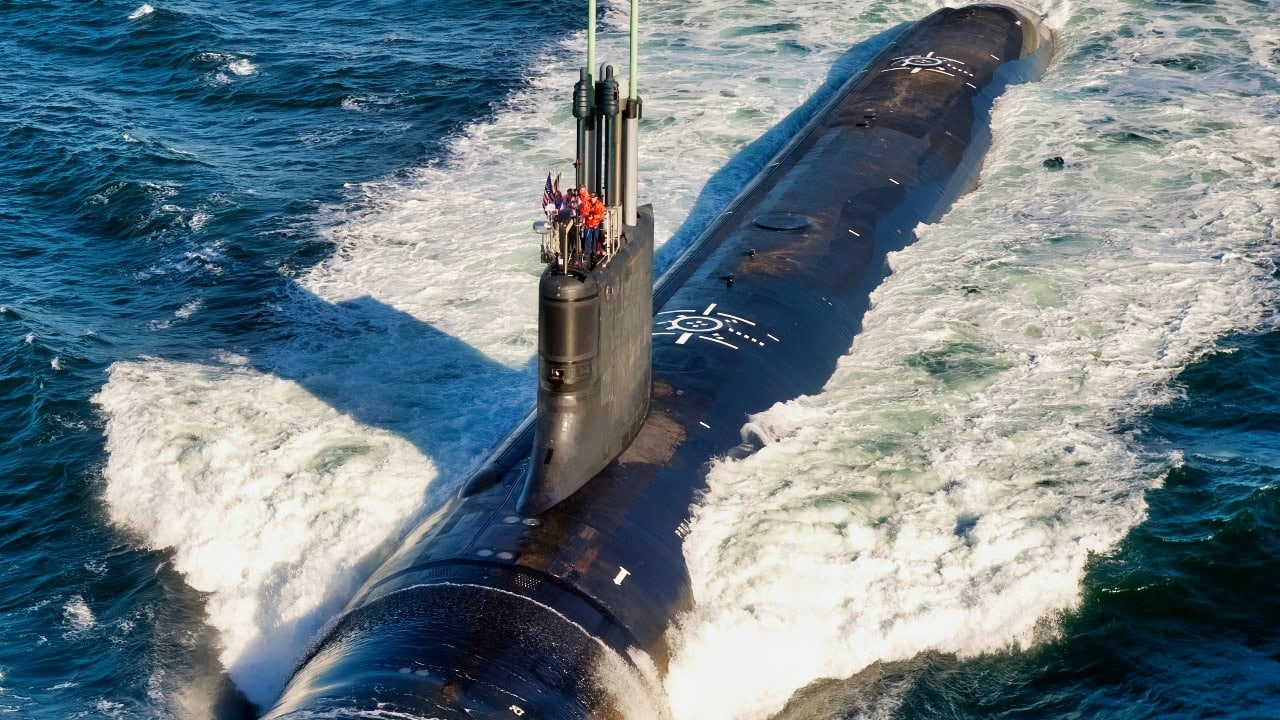
Virginia-Class Submarine.
According to GAO, the Navy is far behind the plan for two boats per year, and even further from the 2.33 boats per year needed to support U.S. requirements while also meeting AUKUS commitments to Australia in the 2030s.
These production delays stem from long-recognized problems. Workforce shortages, gaps in supplier capacity, and the massive pressure placed on shipyards by the simultaneous construction of Virginia-class attack submarines and Columbia-class ballistic-missile submarines.
Indeed, the Columbia-class program has experienced its own delays with its lead boat now projected to be delivered 12 to 16 months late, which in turn consumes more industrial resources and indirectly slows Virginia-class production.
The next-generation SSN(X), which the Navy once hoped to field in the 2030s, has slipped into the 2040s, ensuring that Block V Virginias remain the only viable missile barge option for at least the next decade.
Living With a Short-Term Capability Gap
Several new capabilities are entering service, but none fully offset the sheer volume of missiles that the SSGNs provide.
The Maritime Strike Tomahawk (MST), an anti-ship variant with updated seeker technology, achieved early operational capability in late FY2025 and continues toward wider deployment, supported by a Navy authorization to procure 837 new seekers. This significantly strengthens the Navy’s ability to conduct long-range anti-ship warfare using existing VLS cells, but it does not solve the underlying shortage of available cells. mission demands.
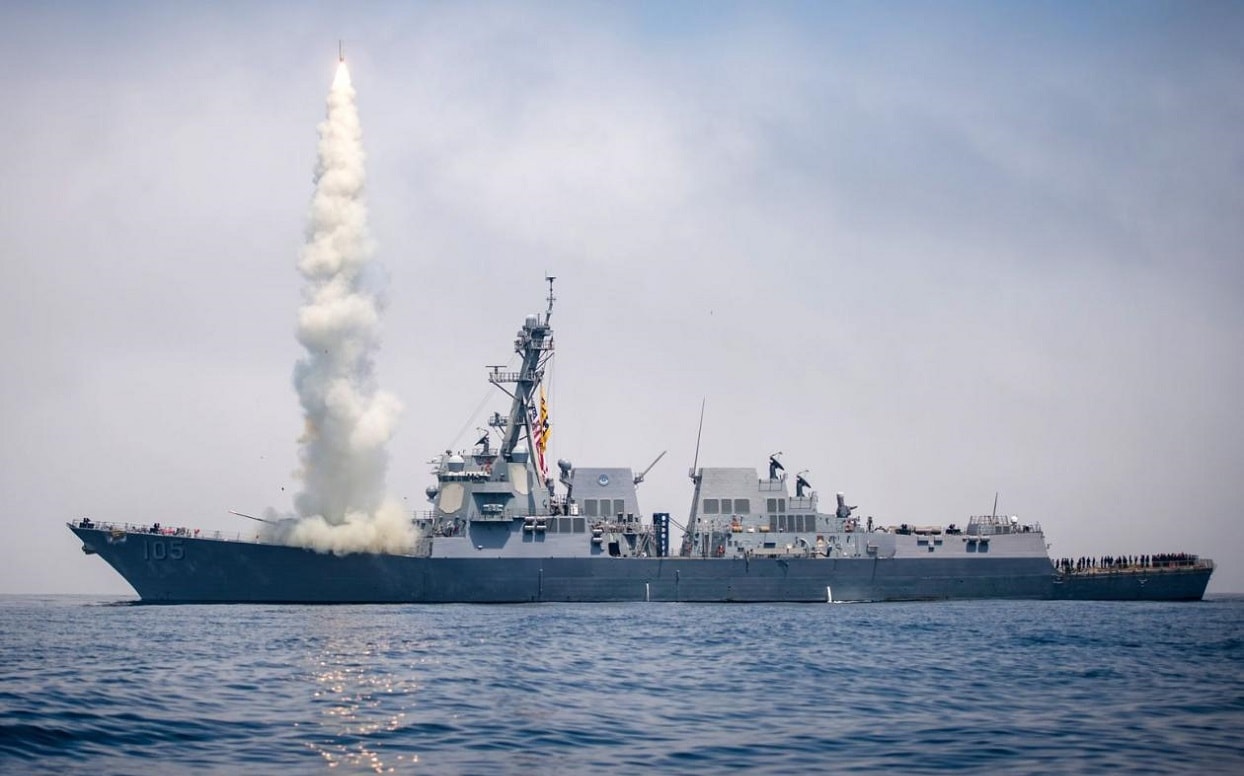
Tomahawk Cruise Missile. Image Credit: US Navy.
The result is a temporary but strategically real decline in available long-range strike firepower at sea. The steepest part of the trough begins as the SSGNs leave service in the second half of the 2020s and lasts through the early 2030s, until a critical mass of Block V submarines, surface-ship missile upgrades, and unmanned adjunct magazines enters service.
The Navy will still be able to mass fires by combining submarines, destroyers, aircraft, and land-based nodes such as the Army’s Mid-Range Capability launchers, but it will have fewer ways to execute large, stealthy, opening-salvo strikes from underwater.
That change alters operational planning, risk calculations, and force posture in any high-end conflict, particularly one in the Indo-Pacific where rapid, early, distributed strikes are central to U.S. strategy.
About the Author: Isaac Seitz
Isaac Seitz, a Defense Columnist, graduated from Patrick Henry College’s Strategic Intelligence and National Security program. He has also studied Russian at Middlebury Language Schools and has worked as an intelligence Analyst in the private sector.