Summary and Key Points: Isaac Seitz — defense columnist, Patrick Henry College Strategic Intelligence and National Security graduate, and private-sector intelligence analyst — delivers a rigorous psychological and strategic autopsy of Napoleon Bonaparte‘s fatal leadership flaws.
-Seitz traces how the confidence that powered Napoleon’s early Italian campaigns and the decisive Battle of Austerlitz gradually hardened into an ego that rejected dissenting counsel from his marshals, produced the self-defeating Continental System economic blockade against Britain, and drove the disastrous decision to install brother Joseph Bonaparte on the Spanish throne — triggering years of guerrilla warfare that bled French military resources.
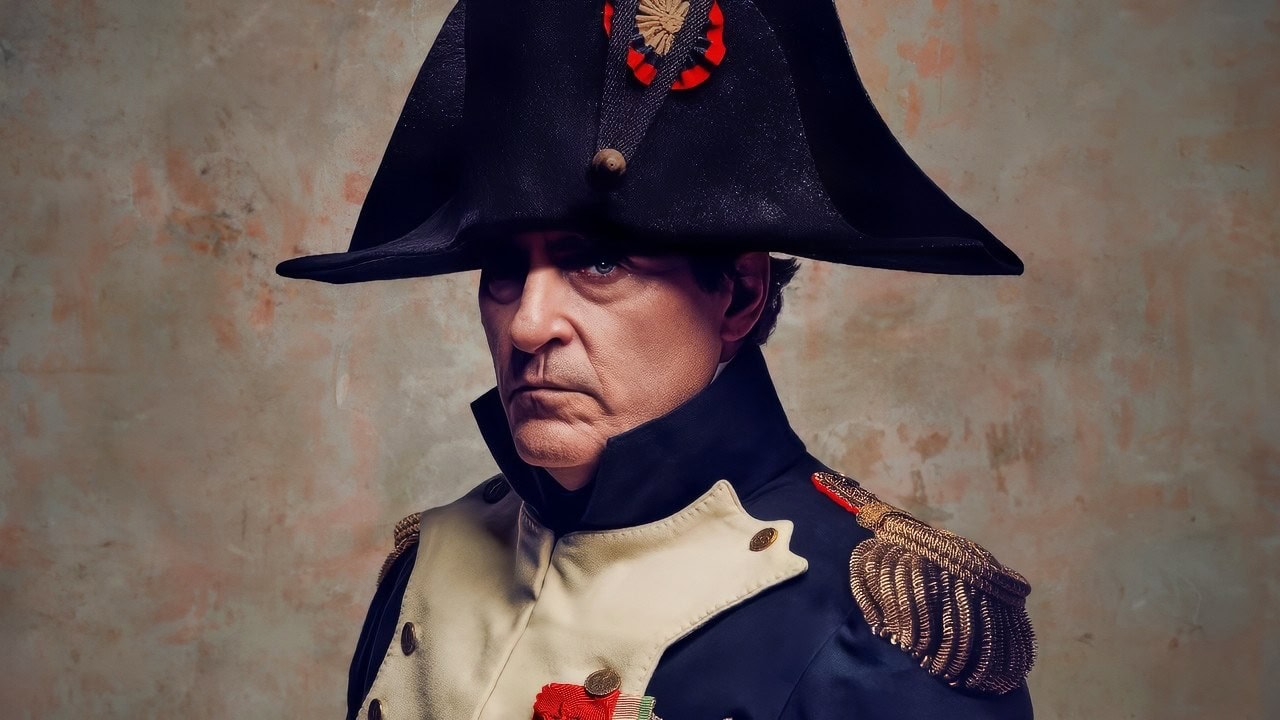
Napoleon Movie Poster Image. Image Credit: Industry Handout.

Napoleon with the Crown. Image Credit: Creative Commons.
-Drawing on Napoleon’s own words and the historical record across Spain, Russia, and the collapsing French Empire, Seitz argues that the Emperor’s self-mythologizing through state-controlled press and Caesarian imagery created a feedback loop of unchallenged authority that made strategic correction psychologically impossible.
Napoleon Quote of the Day and Why He Failed
“I have fought sixty battles, and I have learned nothing which I did not know at the beginning.” – Napoleon Bonaparte
Napoleon was a brilliant general and tactician. His ability to read and understand the battlefield, combined with his absolute confidence, allowed him to humiliate the dominant powers in Europe multiple times over and establish his empire.
However, that confidence was a double-edged sword. While it often helped him in battle, his confidence—or more accurately, his ego—sometimes clouded his judgment and led him to make fatal mistakes.
A Figure Larger than Life
In the early part of his career, Napoleon’s remarkable confidence acted as a powerful asset. His early campaigns in Italy and his decisive victory at Austerlitz displayed both audacity and strategic brilliance.
His self-belief inspired his troops and often intimidated his enemies. However, as Napoleon’s reputation grew, so too did his reliance on this sense of personal infallibility. He began to trust his instincts above all else, sometimes even above the weight of evidence or expert advice.
Over time, this confidence hardened into an ego that increasingly prevented him from considering dissenting viewpoints or imagining that he might be wrong. In earlier years, he had been willing to debate strategies with his marshals and officers, but after years of triumph, Napoleon became less receptive to counsel. This transition from bold strategist to autocratic commander undermined the flexibility that had characterized his greatest successes.
Napoleon’s ego is also vividly reflected in the scale of his ambitions for Europe. His desire to reshape the continent was not only political but deeply personal. He came to view himself as a world-historical figure destined to reorder European society, law, and governance.
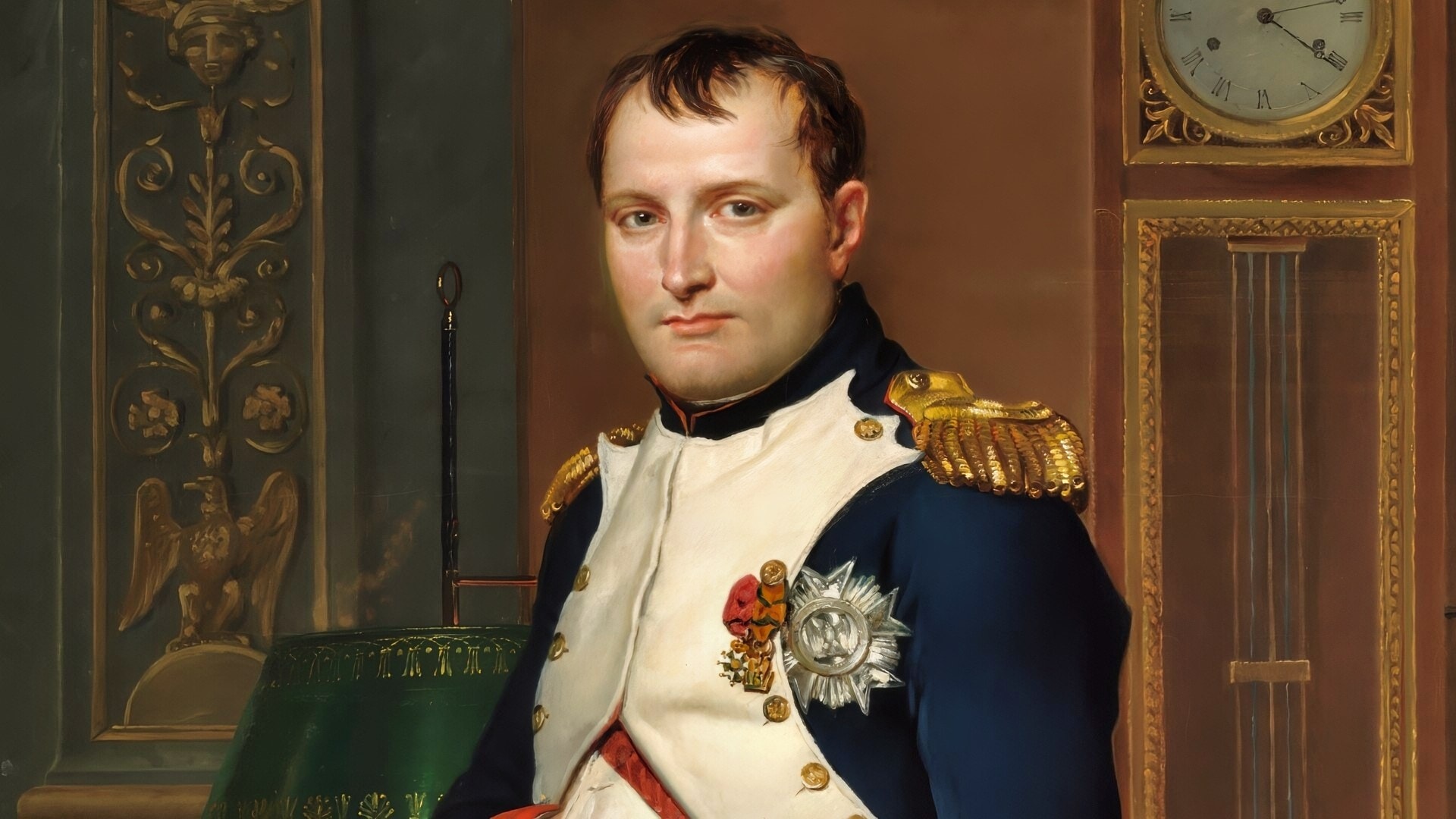
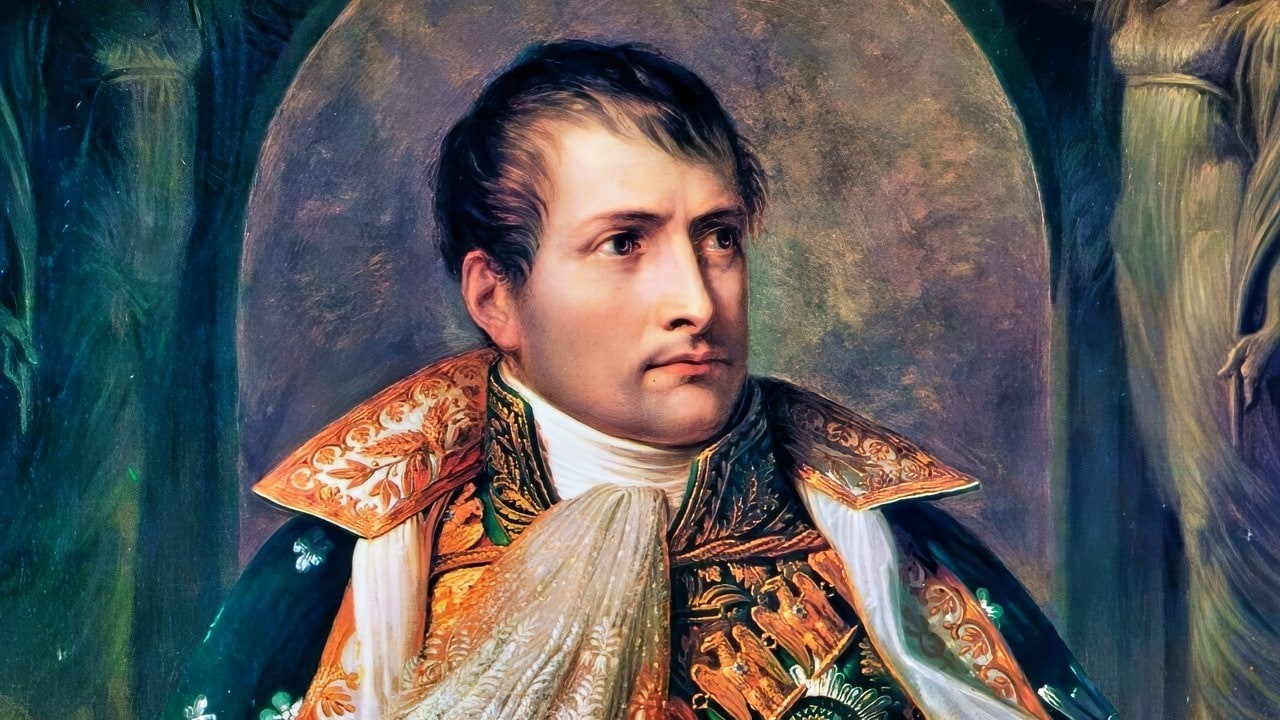
Napoleon Painting Creative Commons Image
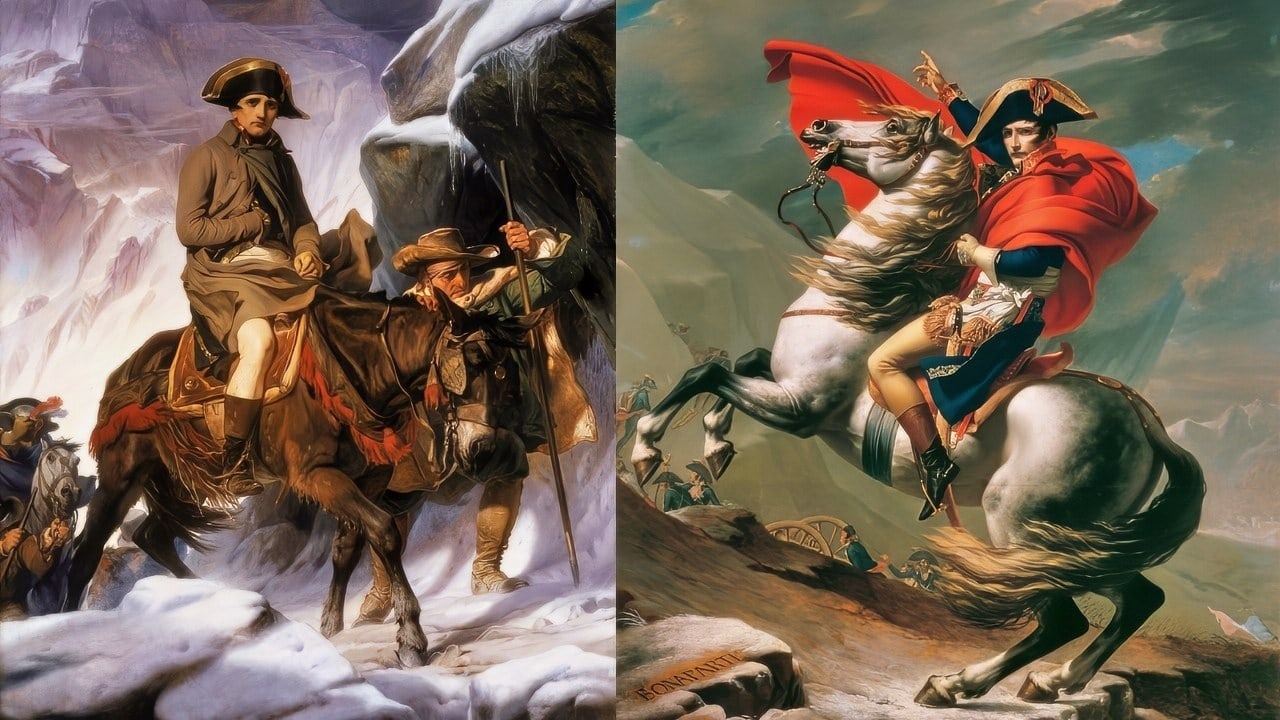
Napoleon Quote of The Day Two Looks. Image Credit: Creative Commons.
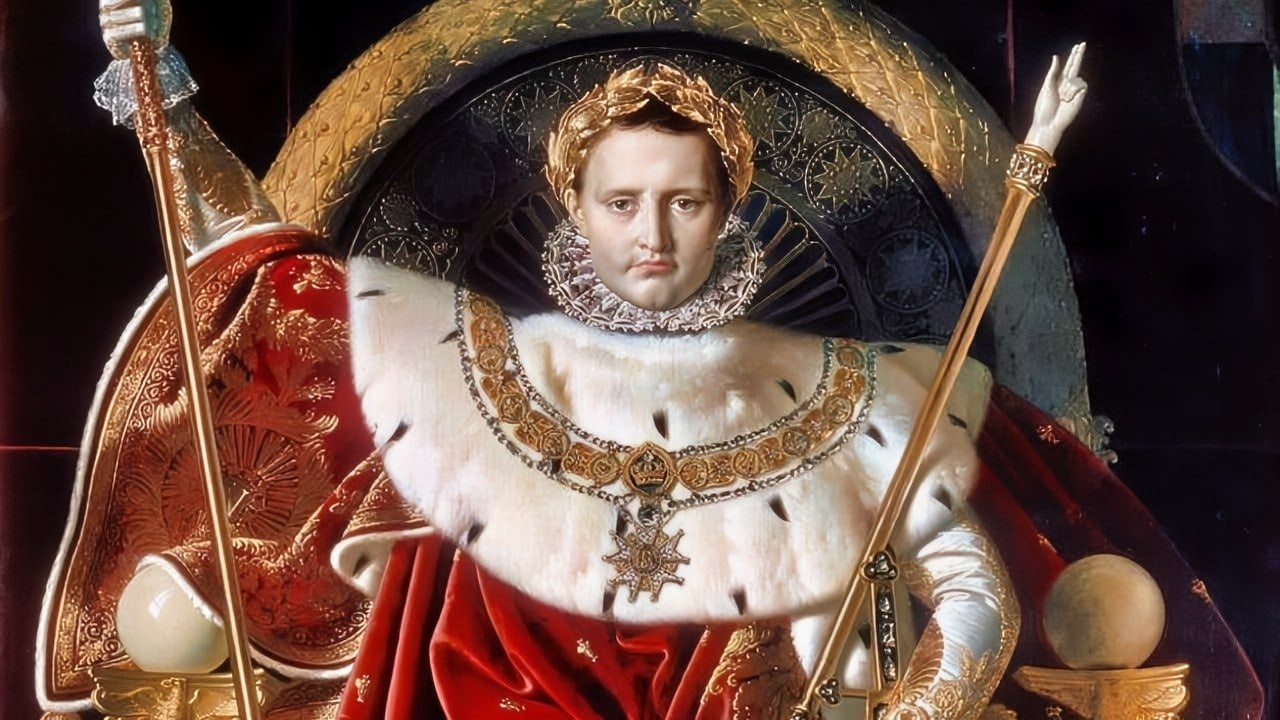
Napoleon the Emperor. Image Credit: Creative Commons.
This sense of destiny contributed to his tendency to overextend the French Empire. The clearest example was the Continental System, his massive economic blockade against Britain. Napoleon believed that starving Britain of European trade would force its submission and end the long-running rivalry between the two powers.
Yet the policy proved impractical and economically damaging. Britain’s global trading network allowed it to weather the blockade, while the nations forced to comply, such as France itself, suffered severe economic strain.
Realistically, Napoleon had little capacity to enforce such an ambitious scheme across the diverse and often unwilling states of Europe, but his ego made him cling to the idea long after its weaknesses were evident. Instead of adjusting his policy, he doubled down, convinced that his vision could not fail—simply because it was his.
When Self-Confidence Destroys One’s Judgment
Napoleon’s ego bled through to many of his political policies as well. As Emperor, he increasingly insisted on controlling even minor administrative details. His government, though efficient in some respects, became dependent on his personal supervision.
This inability to delegate placed immense strain on the state. When Napoleon was absent, as he often was during prolonged military campaigns, the government struggled to function effectively, a weakness that became more pronounced as the Empire expanded.
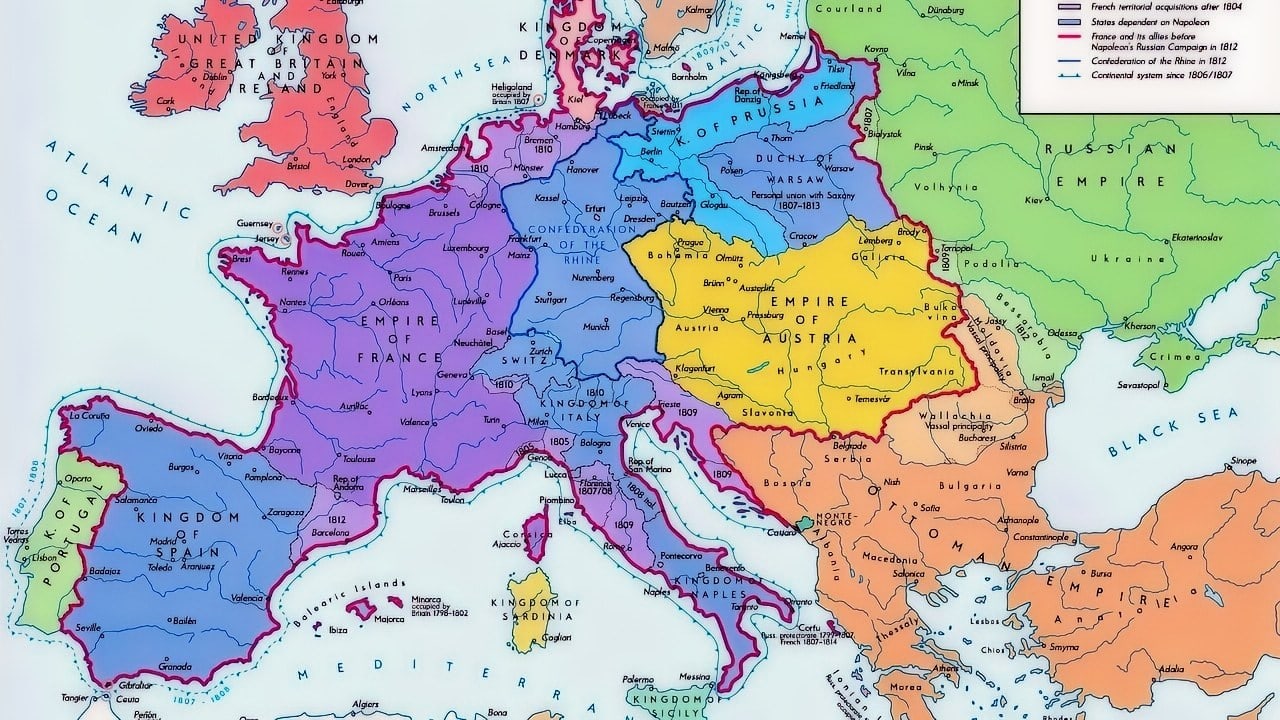
Map of Napoleon’s Empire. Image Credit: Creative Commons.
He often placed his family members on European thrones, convinced that his bloodline alone would guarantee stable rule. This decision had mixed results. Some of his relatives lacked political skill, while others lacked popular legitimacy.
In Spain, for example, his attempt to install his brother Joseph triggered widespread rebellion and guerrilla warfare that tied down French forces for years. Rather than strengthening French oversight, these dynastic experiments strained military resources and deepened resentment toward French rule. Napoleon’s confidence in his family’s ability, regardless of their experience or suitability, revealed a blind spot in his judgment created by his inflated sense of personal authority.
The Impossible Myth of Napoleon
Napoleon’s self-mythologizing further fueled his shortcomings. He carefully crafted a public image of himself as a new Caesar through paintings, state-sponsored writing, and control of the press. By shaping how the public saw him, he also shaped how he saw himself. Over time, he came to believe in the legend he had created, convincing himself that he was uniquely suited to direct the destiny of nations.
This belief diminished his capacity for self-critique and strategic humility. He increasingly interpreted setbacks not as warnings but as temporary obstacles, reinforcing his conviction that history favored him.
This self-image contributed to his tendency to refuse course correction. Whether in Spain, in Russia, or in his economic policies, Napoleon clung to decisions long after their failure became apparent. For him, retreat or compromise seemed like an admission of defeat incompatible with his heroic self-conception. Ironically, this rigidity led to far greater defeats than any strategic withdrawal might have caused. By consistently pushing forward, he drove France into deeper conflict and isolation until the Empire’s collapse became inevitable.
The Myth Outgrows the Man
Finally, Napoleon’s ego isolated him from the constructive criticism that could have preserved his power. In the early years of his rise, he thrived on debate and intellectual engagement. But once he became Emperor, surrounded by flatterers and subordinates conditioned to obey, he lost access to the honest advice crucial for sound leadership. Many of his most skilled marshals ceased challenging him, and those who continued to offer frank counsel risked his anger.
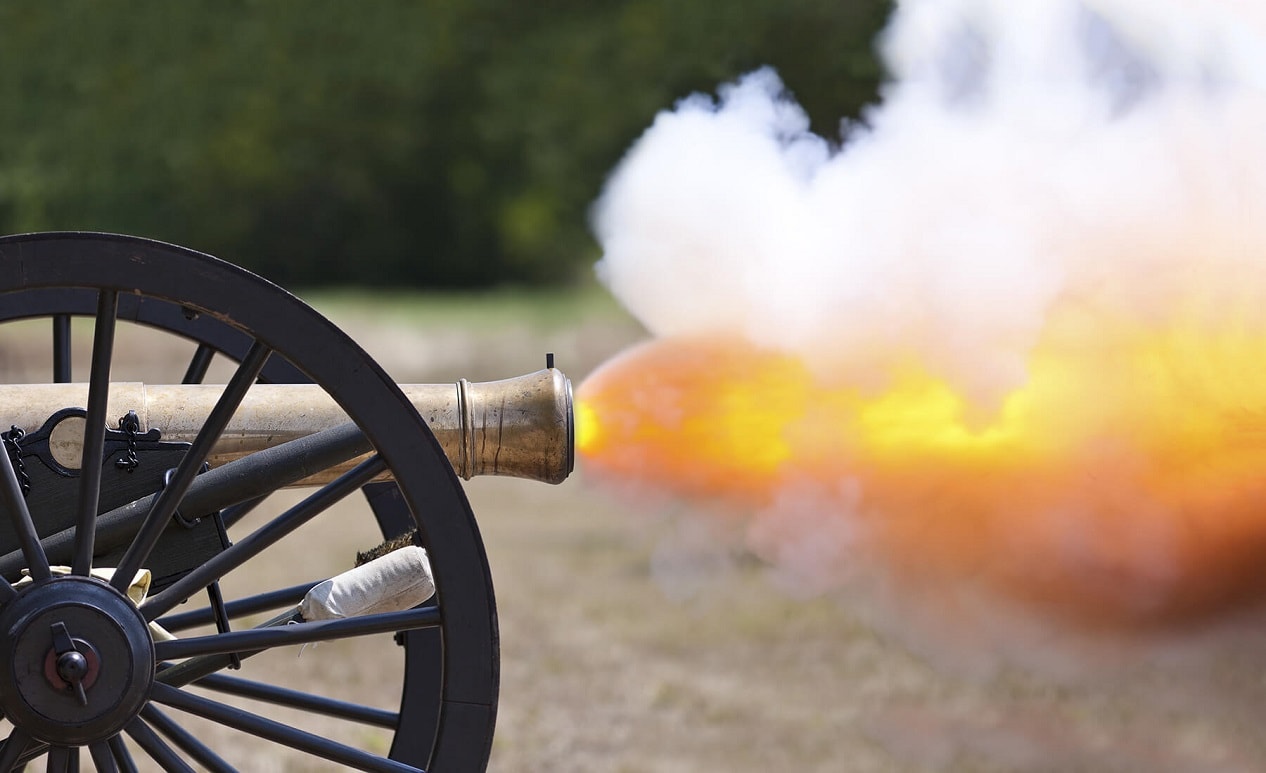
Cannon Firing. Image Credit: Creative Commons.
This isolation created a feedback loop in which Napoleon’s ego fed on unchallenged authority, and the absence of corrective voices allowed his errors to grow in scale and consequence.
In the end, Napoleon was defeated not solely by external forces, but by the internal pressures of his own character. His ego endowed him with extraordinary ambition and confidence, enabling many of his most remarkable achievements.
Yet it also encouraged overextension, rigid decision-making, poor delegation, and unrealistic self-assurance. His inability to compromise, adjust course, or recognize the limits of his power ensured that the same personality traits that made him great also made his downfall inevitable.
Napoleon’s legacy thus offers a powerful lesson on the dangers of unchecked ambition: even the greatest leaders can be undone by the very qualities that bring them success.
About the Author: Isaac Seitz
Isaac Seitz, a Defense Columnist, graduated from Patrick Henry College’s Strategic Intelligence and National Security program. He has also studied Russian at Middlebury Language Schools and has worked as an intelligence Analyst in the private sector.