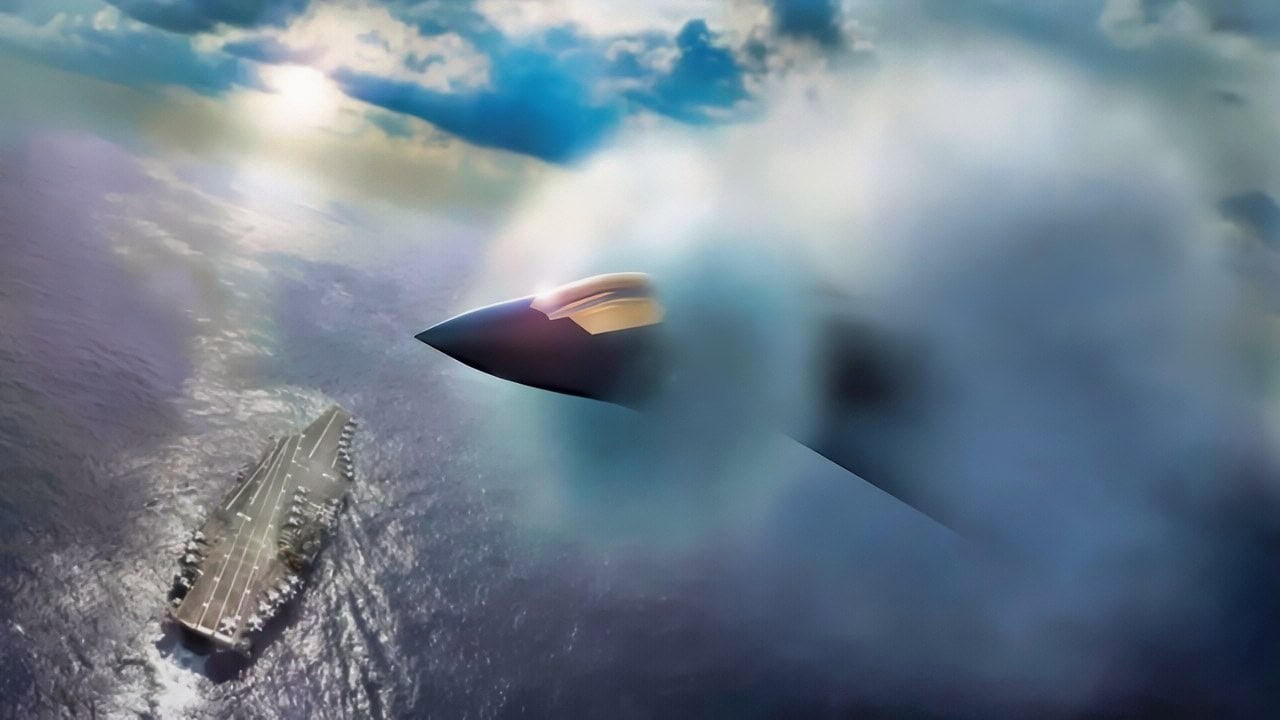
The F-47 NGAD Gets $5 Billion in the Defense Budget — The Navy’s F/A-XX Gets $140 Million With $72 Million Tied to an Uncertain Reconciliation Bill
MANILA – During the current conflict in Iran, a US Navy (USN) task force has been flying combat missions day after day against Tehran’s armed forces.
In the process, they have destroyed 90 percent of the Iranian Navy.
But those Navy fighter pilots are flying a 20th-century design, a 4th-generation fighter, from the carrier in a 21st-century world.
In the case of the People’s Republic of China (PRC), those 6th-generation planes are already in the prototype evaluation phase.
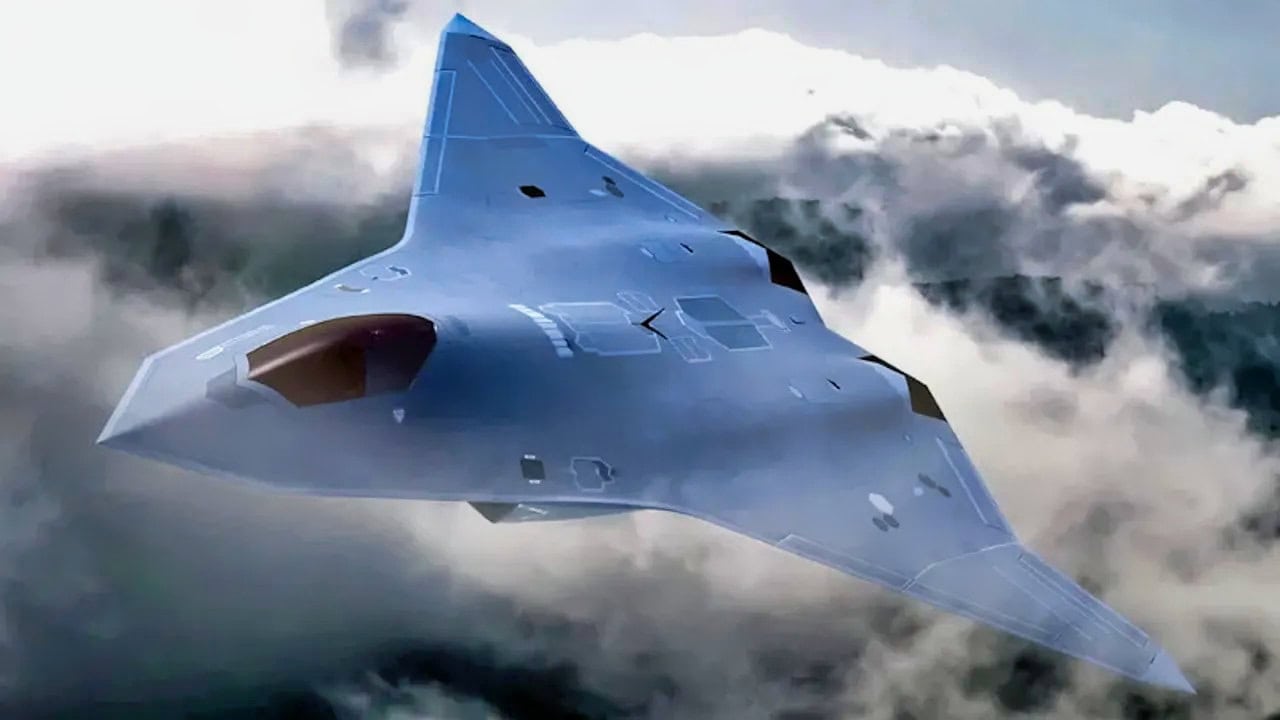
F/A-XX. Image Credit: Creative Commons.
This has more than one defense policy expert asking when a 6th-generation carrier fighter might be available.
But the answer is increasingly “no one really knows,” which is not exactly doing wonders for morale within the naval aviation community.
A colleague and good friend, now retired from the US Navy (USN), recently recalled the halcyon days of the 1980s.
This was the era of the Reagan defense buildup, when the lure of military service had a distinctly positive ring.
“I had volunteered to join the Navy in the mid-1980s – one of those young men who was inspired by the whole Top Gun generation of people in their late teens and 20s – those deciding the best move was to serve their country,” was what he remembered from that time. “However, there were so many people signing up that I had to wait a year for a slot in the officer’s training program to open up. That’s how fast the Navy was growing back then.”
Looking back at that time and the situation with the Navy in general and naval aviation in particular, it would be easy to conclude that those events must have occurred in some other, parallel universe.
Enlistments reached new lows during the previous Biden Administration, and the naval aviation force is now a fraction of its size then.
“Operation Desert Storm [in 1991] was carried out with six aircraft carriers,” he pointed out. “Today we are trying to take out Iran with only two carriers being available most of the time. It seems the more the Navy is being asked to do, the less it is provided with in order to accomplish its mission.”
What makes the situation worse is that many understand that, while the USS Gerald Ford is the newest, largest, and most advanced carrier in the fleet, the main point-defense fighter aircraft is the 4th-generation aircraft mentioned above: the FA-18E/F Super Hornet.
This is an aircraft with an original design dating back more than half a century, back when it was the Northrop YF-17 and was participating in the Lightweight Fighter competition.
F/A-XX: A Secondary Priority at Best
Like the US Air Force’s (USAF) F-47 program, the USN has its own 6th-generation fighter program, the F/A-XX.
Little is known about the project except that the selection of Boeing to design and build the F-47 has created a bit of a conundrum for any decision on the Navy’s next fighter.
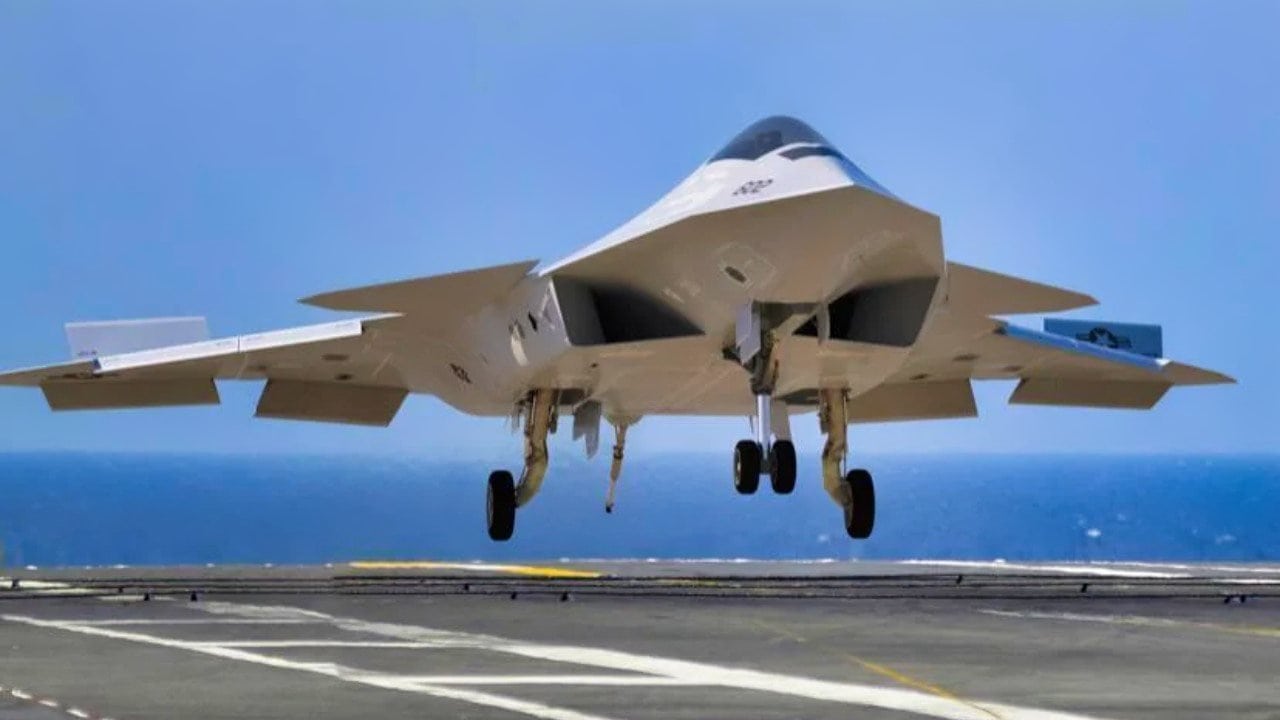
F/A-XX. Image Credit: Creative Commons.
In early March 2025, Lockheed Martin (LM) announced it was no longer in the running for the F/A-XX.
Then, within three weeks, it was announced that the USAF F-47 project had been awarded to Boeing, a contract many had expected LM to receive.
This left Northrop Grumman (NG) and Boeing as the last two firms left to bid on the Navy aircraft project.
But it has been considered more problematic than ever for Boeing to design 6th-generation fighters for both branches of the armed services.
The Navy has made it clear it does not want a navalized version of a USAF aircraft, and it wants to avoid falling into the F-35 “trap”, which means the two aircraft need to be designed by different companies.
With regard to NG, the company is already engaged in the production of the B-21 Raider next-generation bomber.
They originally planned to build 100 of these aircraft, but there are now calls to more than double that number.
But the lack of enough manufacturing capacity for this program has even generated discussion about the need for a second production line.
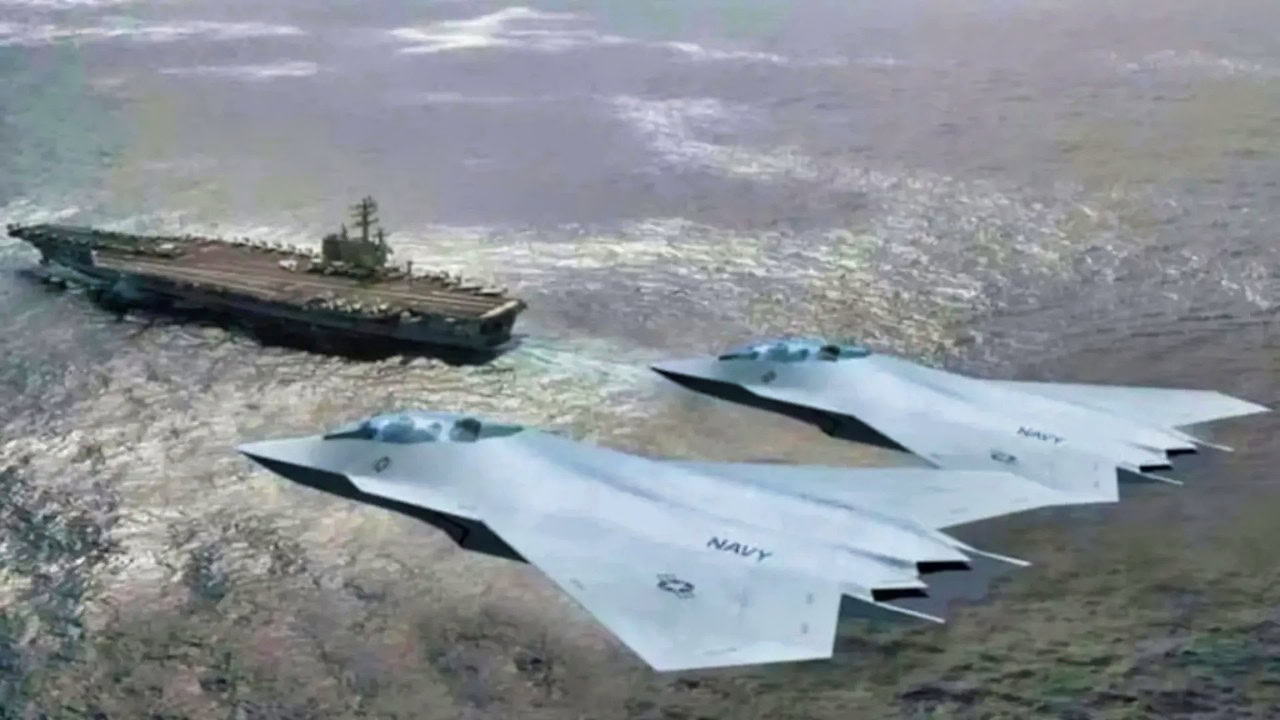
F/A-XX Fighter for US Navy. Navy graphic mockup.
This would seem to preclude any plans to hand over the F/A-XX program to this firm, as well.
Budget Aenemia
This leaves no clear path forward for when and where the F/A-XX will eventually be designed and built. And to make matters worse, the latest budgetary numbers for the two stealth fighter projects make the Navy fighter effort the poorest of the poor cousins of the F-47.
The defense budget request from the Donald J. Trump White House includes around $5 billion for the F-47 development, but only $140 million for the Navy’s next-generation aircraft.
Budget documents also indicate that, in addition to widely disparate funding levels for the USAF and USN programs, there are different funding streams for the two.
F-47 funding will be sourced entirely from baseline discretionary spending.
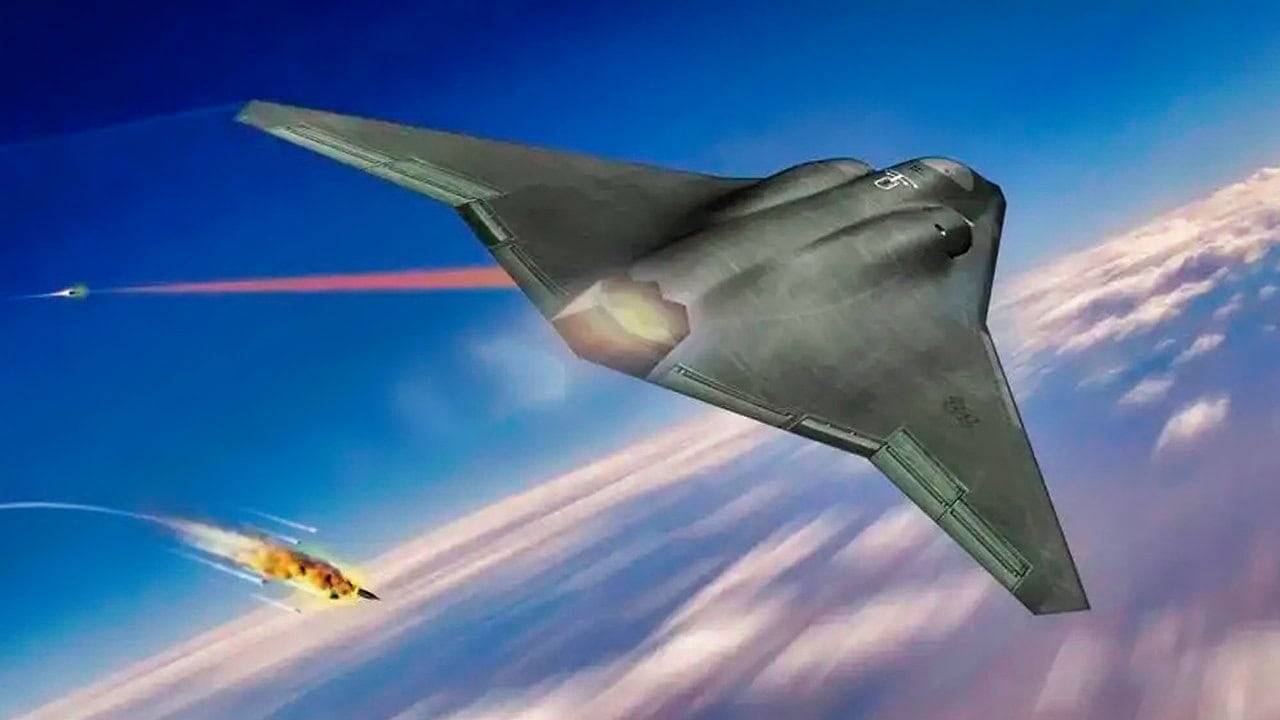
(ILLUSTRATION) — A Northrop Grumman illustration depicts a notional sixth-generation fighter in action.
In contrast, $72 million of the F/A-XX funding will be tied to a proposed reconciliation bill.
Not only has support for the Navy effort from Congress been uneven in recent years, but there have also been increasing demands for information on the program’s future plans.
US lawmakers have requested details of the USN acquisition strategy, spending guidelines, and a timeline for awarding the manufacturing and development contract.
They are also asking for an accompanying program plan for the aircraft’s initial deployment and then reaching initial operating capacity.
There was a time when a contract for a next-generation Navy aircraft produced two competing proposed designs: one from a team of two contractors and another from a team of three contractors – a total of 5 prime airframe contractors – any one of which could have designed and built a fighter aircraft on its own.
Today, that kind of capacity to develop major new weapon systems seems like a distant memory.
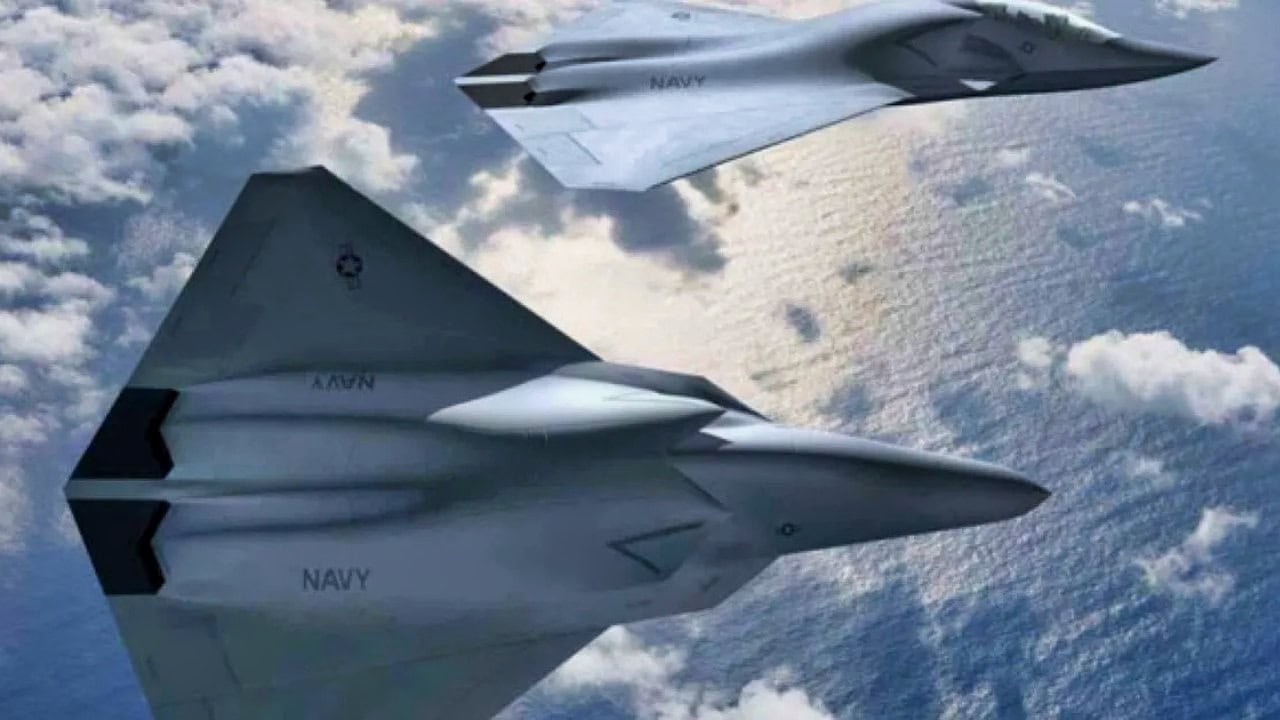
F/A-XX Fighter. Image Credit: Boeing.
“The national security pundits and the industrial efficiency advocates out there will preen endlessly about the synergisms and other benefits provided by this consolidation of the defense sector,” said a colleague who had retired from industry only a few years ago. “But what has occurred is more like a cannibalization instead.”
“We used to have over three million people directly employed in our largest defense firms. Now – in spite of the years of mergers and acquisitions – the handful of primes left now employ only 1.1 million. This is less than a third than during the 1980s. Small wonder that there are concerns about industry today being able to handle all the challenges being thrust upon it.”
About the Author: Reuben F. Johnson
Reuben F. Johnson has thirty-six years of experience analyzing and reporting on foreign weapons systems, defense technologies, and international arms export policy. Johnson is the Director of Research at the Casimir Pulaski Foundation. He is also a survivor of the Russian invasion of Ukraine in February 2022. He worked for years in the American defense industry as a foreign technology analyst and later as a consultant for the U.S. Department of Defense, the Departments of the Navy and Air Force, and the governments of the United Kingdom and Australia. In 2022-2023, he won two awards in a row for his defense reporting. He holds a bachelor’s degree from DePauw University and a master’s degree from Miami University in Ohio, specializing in Soviet and Russian studies. He lives in Warsaw.