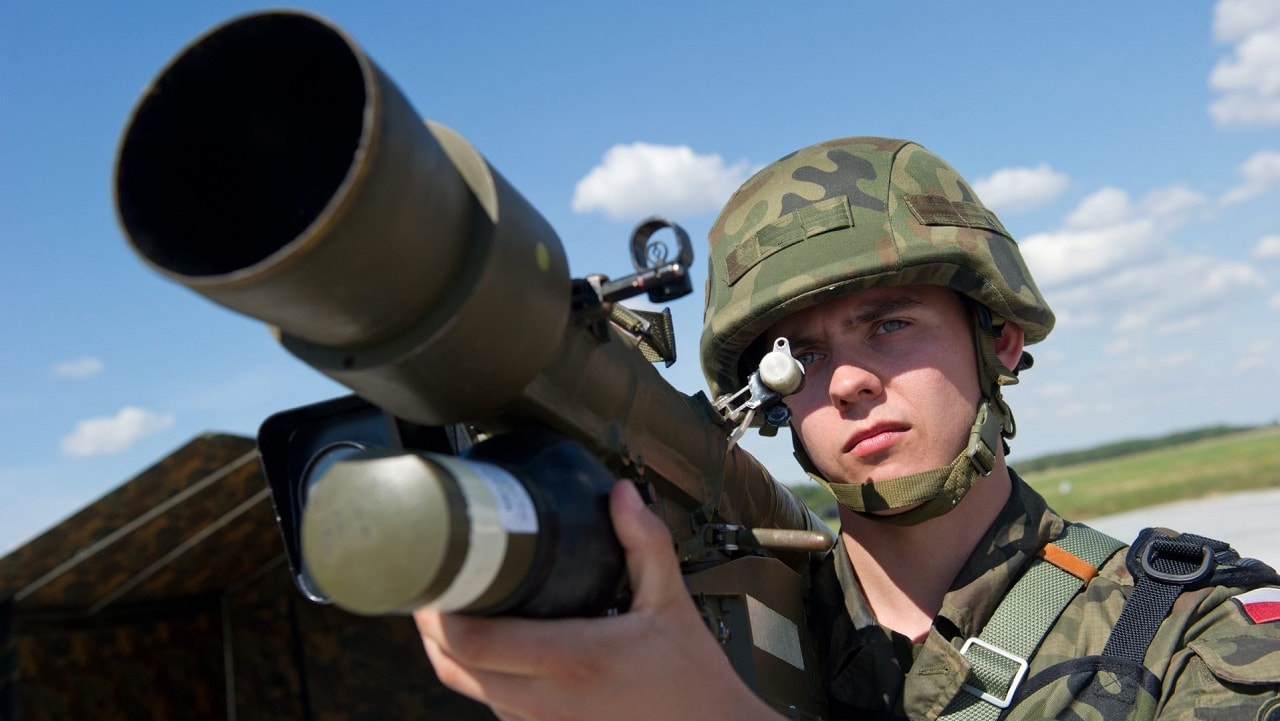
MAINILA – American intelligence agencies reportedly obtained information that China is preparing to provide Iran with a sizeable shipment of shoulder-fired Man-Portable Air Defense Systems (MANPADS). Another report from the same date, this time from the New York Times, states that the shipment may have already been sent.
The Times report stated that none of the intelligence officials they spoke to could say with complete certainty that these missiles were already on the way. But with more than one major news outlet reporting this development and employing the old maxim of “where there is smoke, there is fire” there is a high probability that the report is accurate to some extent or the other.
If true, this would be a first for Beijing.
Thus far, there is supposedly no evidence, according to the Times, “that any Chinese missiles have yet been used against American or Israeli forces during the conflict.”
If the missiles arrive, it would create more tensions with Washington and potentially force the US to respond.
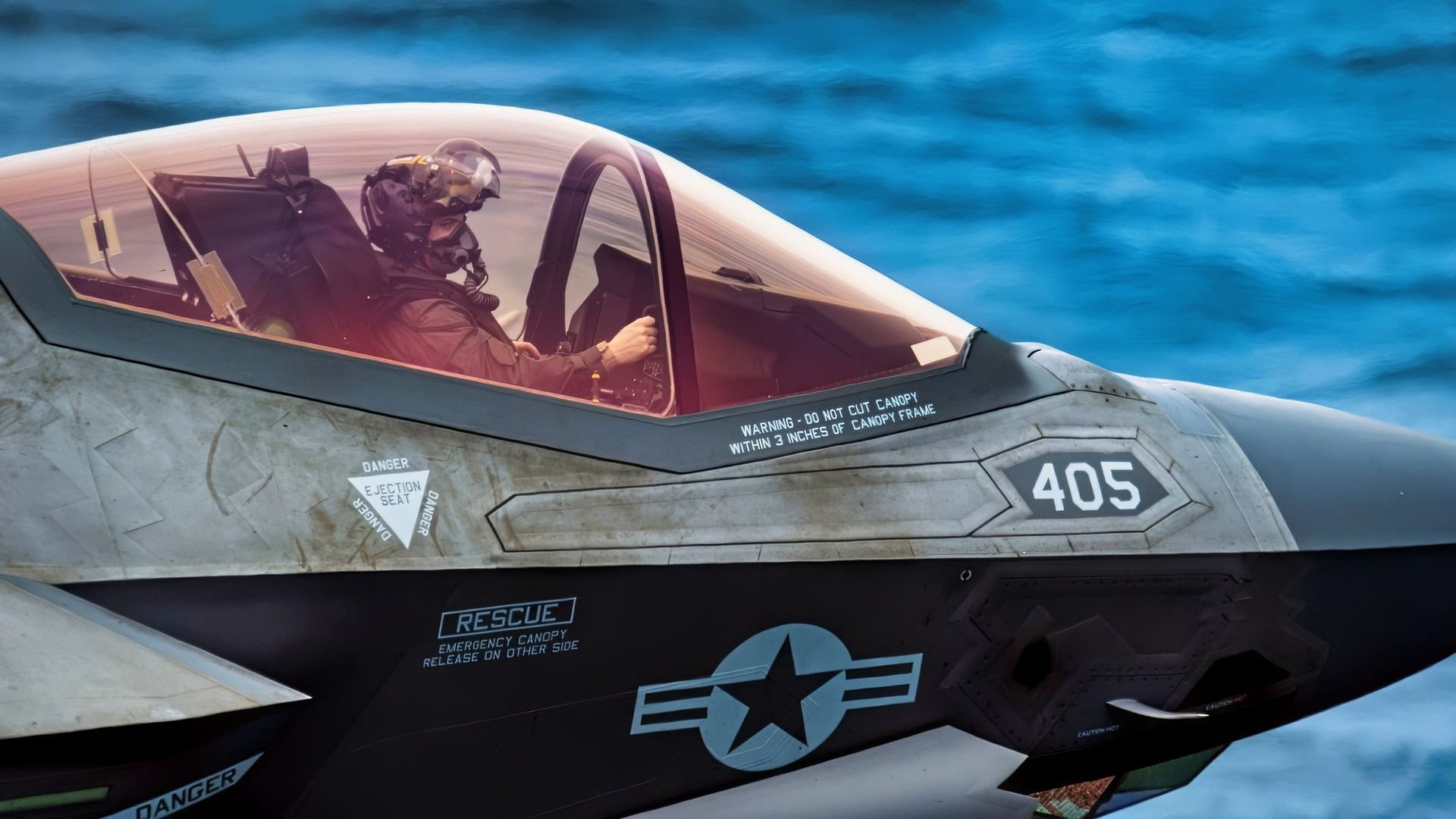
(Jan. 10, 2025) Lt. Cmdr. Joseph Anderson, of Severna Park, Md., waits for launch in an F-35C Lightning II, assigned to the “Warhawks” of Strike Fighter Squadron (VFA) 97, on the flight deck of the Nimitz-class aircraft carrier USS Carl Vinson (CVN 70), Jan. 10, 2025. Vinson, the flagship of Carrier Strike Group ONE, is underway conducting routine operations in the U.S. 7th Fleet area of operations. (U.S. Navy photo by Mass Communication Specialist 3rd Class Nate Jordan)
What appears to be taking place in Beijing behind the scenes, say experienced China-watchers, is the formulation of a detailed set of calculated steps.
These moves allow the PRC to be able to tell its Iranian friends and allies that it is doing its best to support the Islamic Republic in this conflict. But at the same time, the Chinese can deny taking an active part in the hostilities.
China is Involved – Anyway You Look at It: What the Experts Told Us
The US intelligence community has assessed that – protestations to the contrary – Beijing is already taking an active role in the conflict.
Among other steps to support Iran, the PRC is permitting some Chinese firms that are normally suppliers to the PLA “to ship chemicals, fuel, and components that can be used in military production to Iran for the war,” according to the Times report.
This raises another question about just which companies these might be, said a retired NATO-nation intelligence officer with many years of experience in collecting against and analyzing the PRC’s defense sector.
“There was a report in September of last year in the wake of the scandal involving charges of corruption in the Strategic Rocket Forces. There was a long investigation that supposedly looked at contracting practices and kickbacks in this branch of the PLA for almost a decade,” he said.
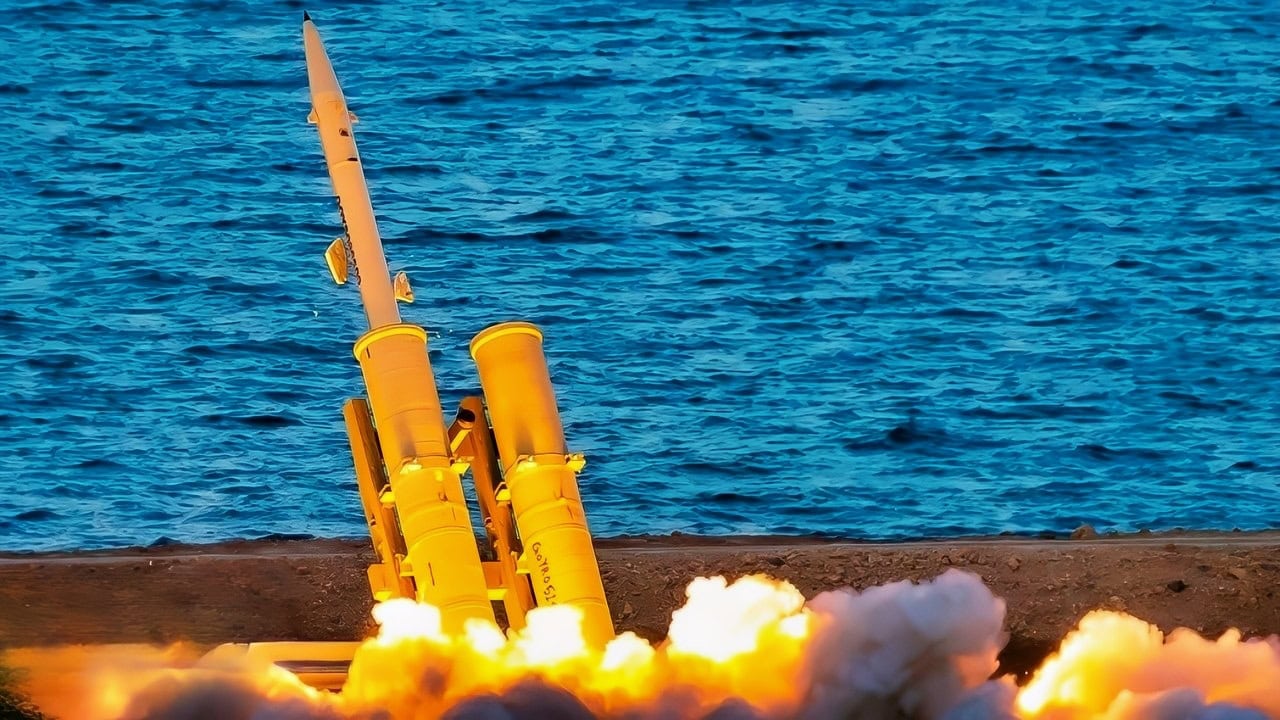
Iran Missiles. Image Credit: Creative Commons.
A report in the English-language South China Morning Post (SCMP) from last September stated the investigations covered the history of these contracts over the past nine years.
Between 28 August and 1 September 2025, the Rocket Force announced on the PLA’s military procurement network that it had officially banned 74 bid evaluation experts and 116 suppliers from government contracting.
“So, you have to wonder if any of these same companies could have been involved in these shipments, as some of them were subsequently barred from contracting with the Chinese military. This means they have lost their major customer and will be looking for any buyers they can find now,” he explained.
Iran is also reliant on the PRC for many of the components that are used in its missiles and drones, according to more than one intelligence source.
But Beijing traditionally states that these components, although essential to the manufacture of these weapons, are officially designated as “dual-use technology.”
This means they may be used to produce any number of non-military items, and there is no way to track where each individual circuit board, actuator, or fuel pump is used.
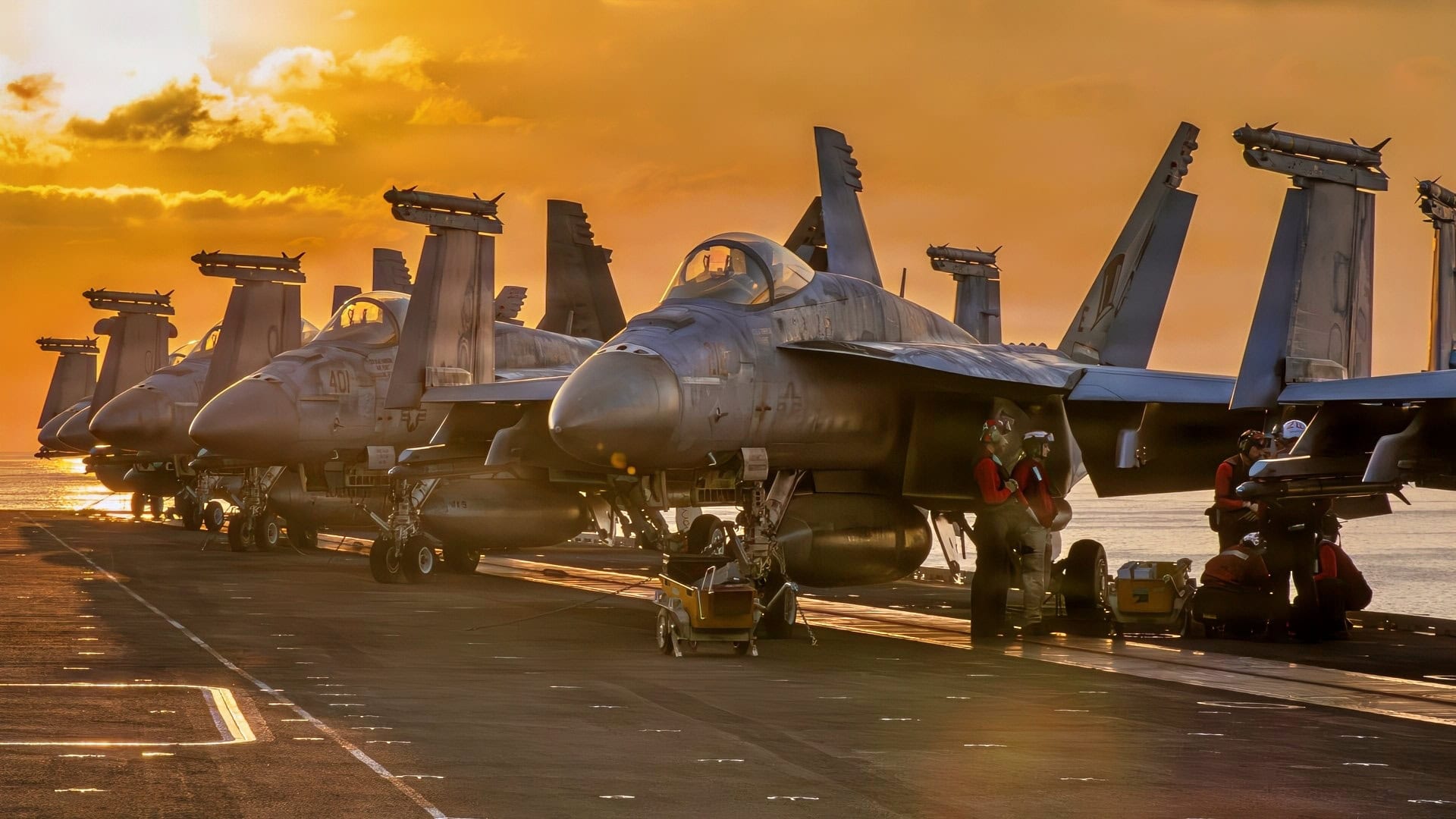
Aircraft is staged for flight operations on the flight deck of Nimitz-class aircraft carrier USS Abraham Lincoln (CVN 72) in support of Operation Epic Fury, Mar. 3, 2026. (U.S. Navy photo)
This activity also fits a pattern of how the PRC has continued to supply similar components and other assistance to Russia in its war against Ukraine.
Causing As Much Trouble as Possible
The type of missiles that the PRC shipped to Iran may say as much about the intentions involved as anything else. Iran’s major long-range air defense systems have been largely destroyed by US and Israeli airstrikes.
These systems are hard to disguise, difficult at times to relocate, and their radar emissions are almost like a targeting beacon to more advanced US and allied anti-radiation and air-to-surface weapons. So, supplying Iran with these kinds of hand-carried missiles that require no elaborate installation or vehicle-mounted firing unit could cause more trouble for allied airpower than a full-sized air defense battery, at a lower cost.
Recent reports are that Tehran has also been taking advantage of the US operating aircraft at lower-than-normal altitudes. This is a tactic that allowed the Iranian military to score a near hit and badly damage a US F-35 stealth fighter.
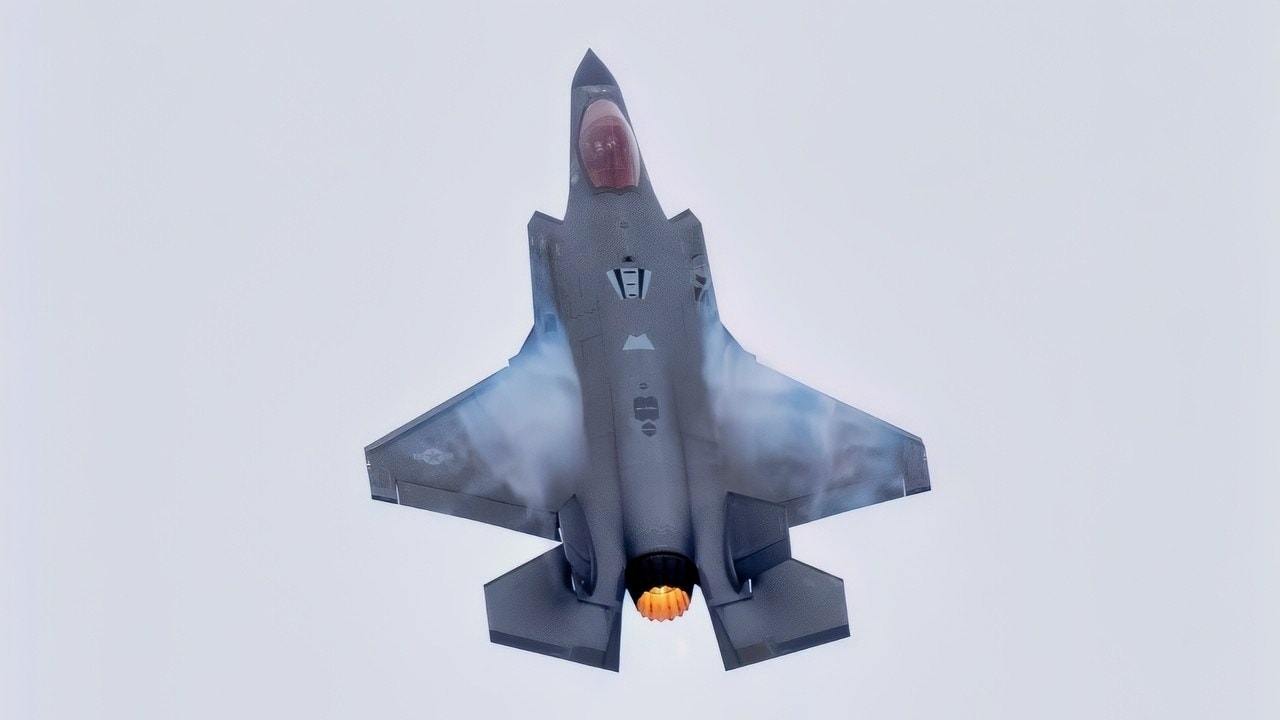
Maj. Kristin “BEO” Wolfe demonstrates the capabilities of the F-35A Lighting II, a single-seat, single-engine, all-weather stealth multirole fighter aircraft, during a practice flight with the F-35 Demonstration Team at Hill Air Force Base, Utah, Feb. 6, 2024. (U.S. Air Force photo by Senior Airman Jack Rodgers)
MANPADS missiles operate within a similar engagement envelope as the weapon that almost brought down an F-35, a low-altitude loitering munition known as the SA-67 that was developed by Iran several years ago.
The missiles allegedly being provided by the PRC would represent a very similar threat and could force the US and others to return to flying at higher altitudes, where weather conditions and other factors can be detrimental to combat operations.
Overall, the aid provided to Iran by the PRC has the same goal as that supplied by Russia – including assistance provided even before the war began. Both nations see an opportunity to increase the costs to Washington for continuing to stay in the conflict, as well as to raise questions about the wisdom of getting involved in the first place.
With a Trump-Xi summit coming soon and US midterm elections on the horizon, this creates dilemmas that the White House does not want on its “to-do list” in the weeks and months ahead.
About the Author: Reuben F. Johnson
Reuben F. Johnson has thirty-six years of experience analyzing and reporting on foreign weapons systems, defense technologies, and international arms export policy. Johnson is the Director of Research at the Casimir Pulaski Foundation. He is also a survivor of the Russian invasion of Ukraine in February 2022. He worked for years in the American defense industry as a foreign technology analyst and later as a consultant for the U.S. Department of Defense, the Departments of the Navy and Air Force, and the governments of the United Kingdom and Australia. In 2022-2023, he won two awards in a row for his defense reporting. He holds a bachelor’s degree from DePauw University and a master’s degree from Miami University in Ohio, specializing in Soviet and Russian studies. He lives in Warsaw.