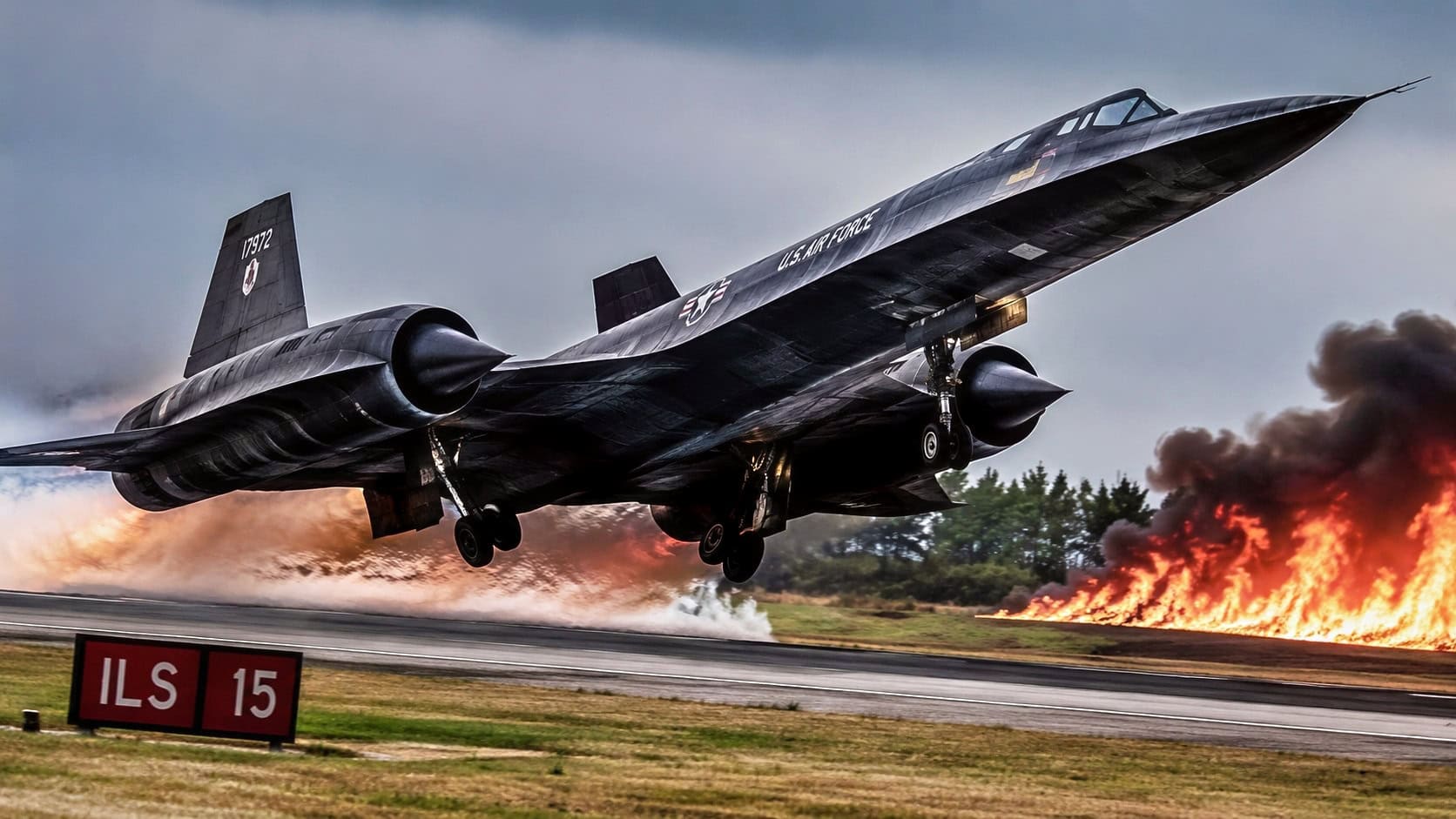
During what was supposed to be his final flight aboard the legendary SR-71 Blackbird, former Reconnaissance Systems Officer (RSO) Richard “Butch” Sheffield experienced the kind of emergency that sounds so extraordinary it couldn’t have possibly happened.
Indeed, had this incident occurred with any other aircraft than the SR-71, it would not have occurred. But the SR-71 was a special blend of barely controlled chaos.
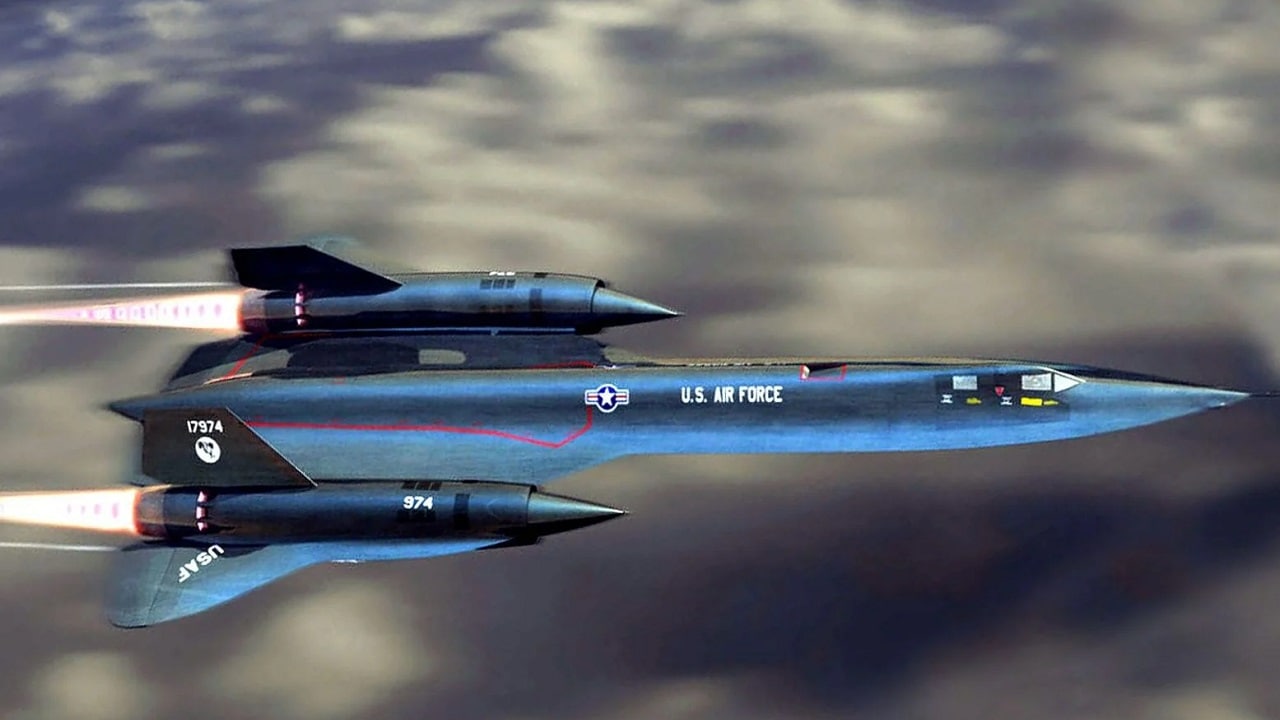
SR-71 Spy Plane. Image Credit: Creative Commons.
And when things went wrong with these birds–that flew faster than a speeding bullet, literally–things could go very wrong, very fast.
Shortly after takeoff, you see, one of the engines on Sheffield’s iconic SR-71 exploded. The crew shut the engine down and began routine emergency procedures.
Because the aircraft was carrying too much fuel to land safely, they initiated a fuel dump over Maryland.
No one expected that fairly standard emergency maneuver to have initiated an instant conflagration that burned 13 acres of the land below.
The crew landed safely.
For most aircraft, an engine explosion would be the end of the story.
Not for the SR-71 Blackbird, though. They set the state of Maryland on fire by accident. That’s because everything about the SR-71 was extreme.
Indeed, it operated on the very edge of engineering possibility. Blackbird was an aircraft built to fly so fast and so high that many of the normal rules governing aviation ceased to apply, as demonstrated by the fire in Maryland that its speeding fuel dump caused.
Kelly Johnson’s Titanium Masterpiece
The SR-71 emerged from the secretive Skunk Works division under the leadership of legendary aircraft designer Clarence “Kelly” Johnson, during the height of the Cold War.

SR-71 Blackbird at the Smithsonian 19FortyFive.com Photo
Its mission was simple in concept, but daunting in execution. An SR-71 would fly over hostile territory, gather intelligence, and do sat speeds and altitudes that made interception impossible.
The resulting aircraft measured 107 feet long, had a wingspan of 55 feet, and weighed more than 170,000 pounds when fully fueled.
Two Pratt & Whitney J58 engines generated more than 64,000 pounds of thrust in afterburner. The aircraft routinely cruised above 80,000 feet and could sustain speeds exceeding Mach 3 for extended periods.
NASA’s published specifications list a top speed of more than 2,200 miles per hour, though many former crew members have suggested the aircraft’s true performance envelope remained classified.
Some pilots reported reaching speeds approaching Mach 3.5 when circumstances required.
At those velocities, mind you, the Blackbird covered a mile every 1.6 seconds.
The Aircraft That Leaked Fuel on Purpose
One of the Blackbird’s most unusual characteristics was that it leaked fuel while sitting on the ground. That was not a manufacturing defect. The aircraft’s titanium skin expanded dramatically when heated by sustained Mach 3 flight.
Engineers intentionally designed gaps between sections of the airframe because the structure needed to expand several inches at its insane operational speed.
Thus, fuel often dripped from the aircraft before takeoff.
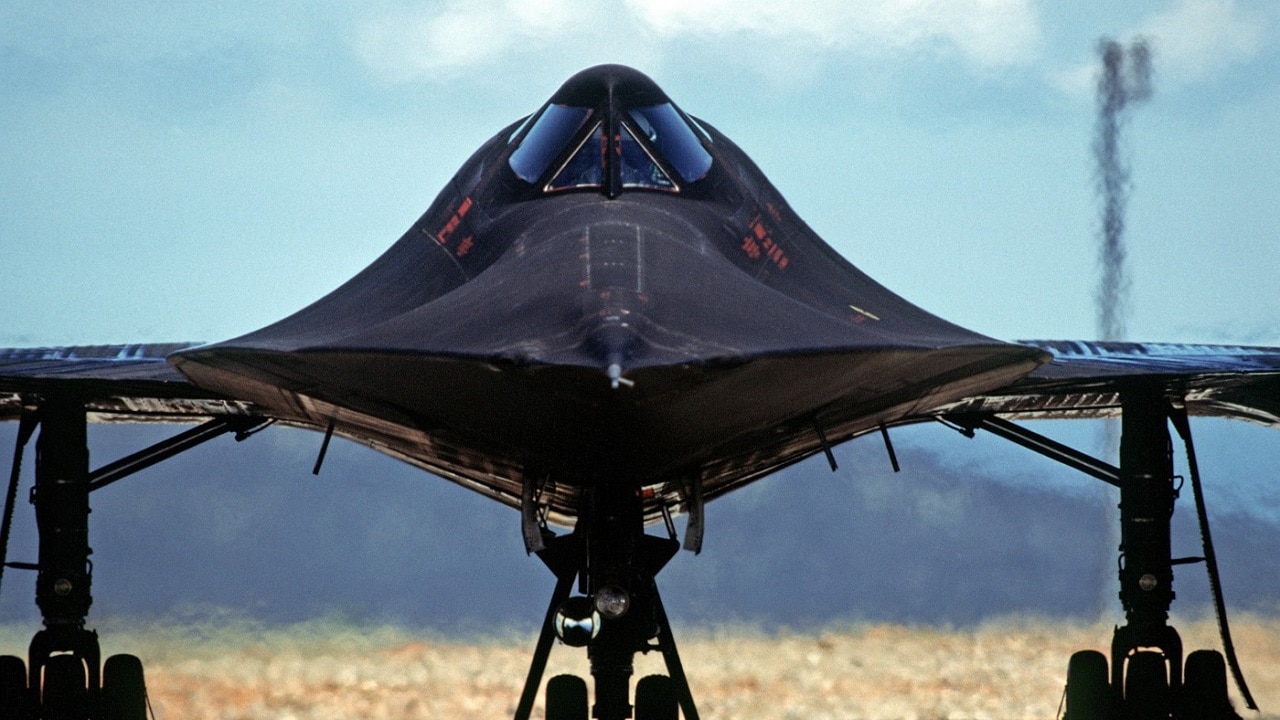
SR-71 Spy Plane. Image Credit: Creative Commons.
Only after the Blackbird accelerated to operational velocity and the titanium structure expanded would the fuel tanks properly seal.
The aircraft’s specialized JP-7 fuel served multiple purposes. Beyond propulsion, it served as a critical coolant for onboard systems subjected to significant aerodynamic heating.
JP-7 was extraordinarily difficult to ignite. The fuel was so stable that the aircraft required injections of triethylborane–a chemical that bursts into flame upon contact with air–to start its engines and ignite the afterburners.
The same fuel that routinely leaked onto runways failed to combust.
Yet, as the denizens of Maryland discovered, under the right conditions, dumping large quantities of fuel could still create a spectacular–and dangerous–light show on the ground below the SR-71.
The Engine That Became a Ramjet
SR-71’s most remarkable technological achievement was not its airframe.
It was the propulsion system. At takeoff, the Pratt & Whitney J58 operated like a conventional turbojet.
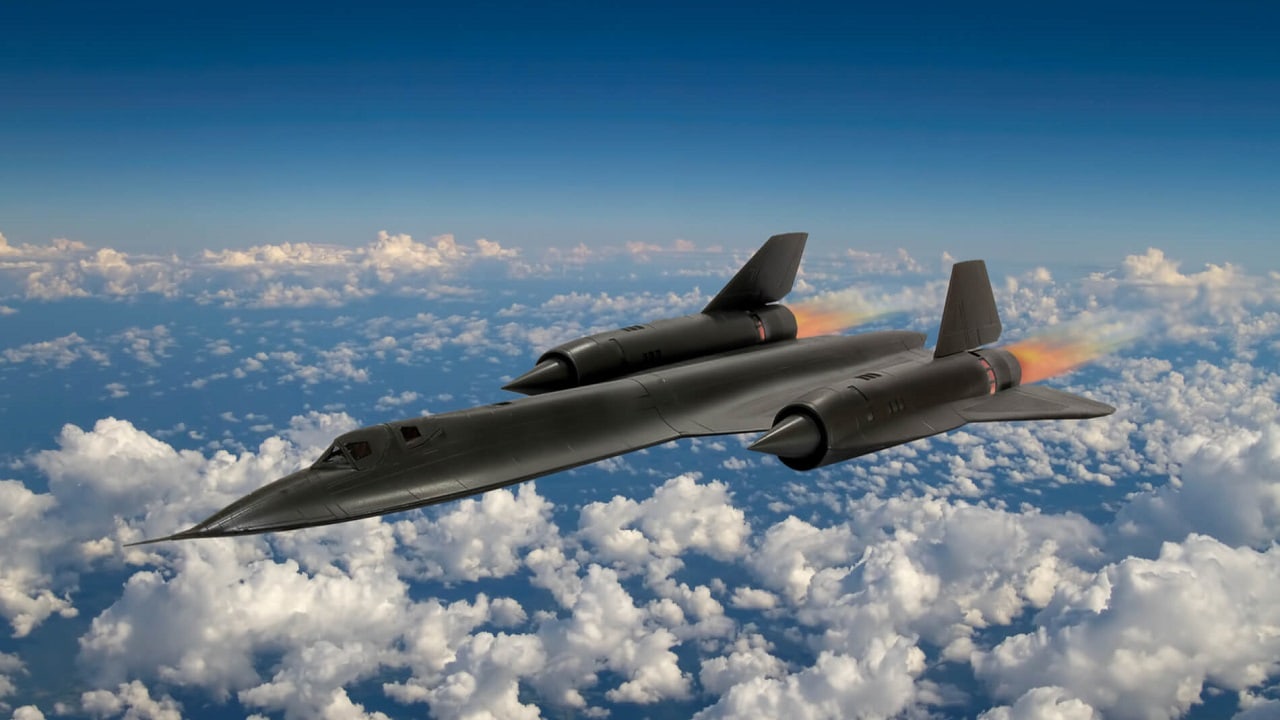
SR-71 Spy Plane. Image Credit: Creative Commons.
As the speed increased, however, the engine gradually transformed into something entirely different.
At Mach 3, most of the air entering the engine bypassed the compressor core.
Instead, specifically designed inlet spikes and bypass ducts redirected airflow around the engine into the afterburner section, where it generated thrust much like a ramjet.
In practical terms, the faster the aircraft flew, the more efficient the propulsion system became.
Most aircraft face increasing aerodynamic penalties at higher speeds.
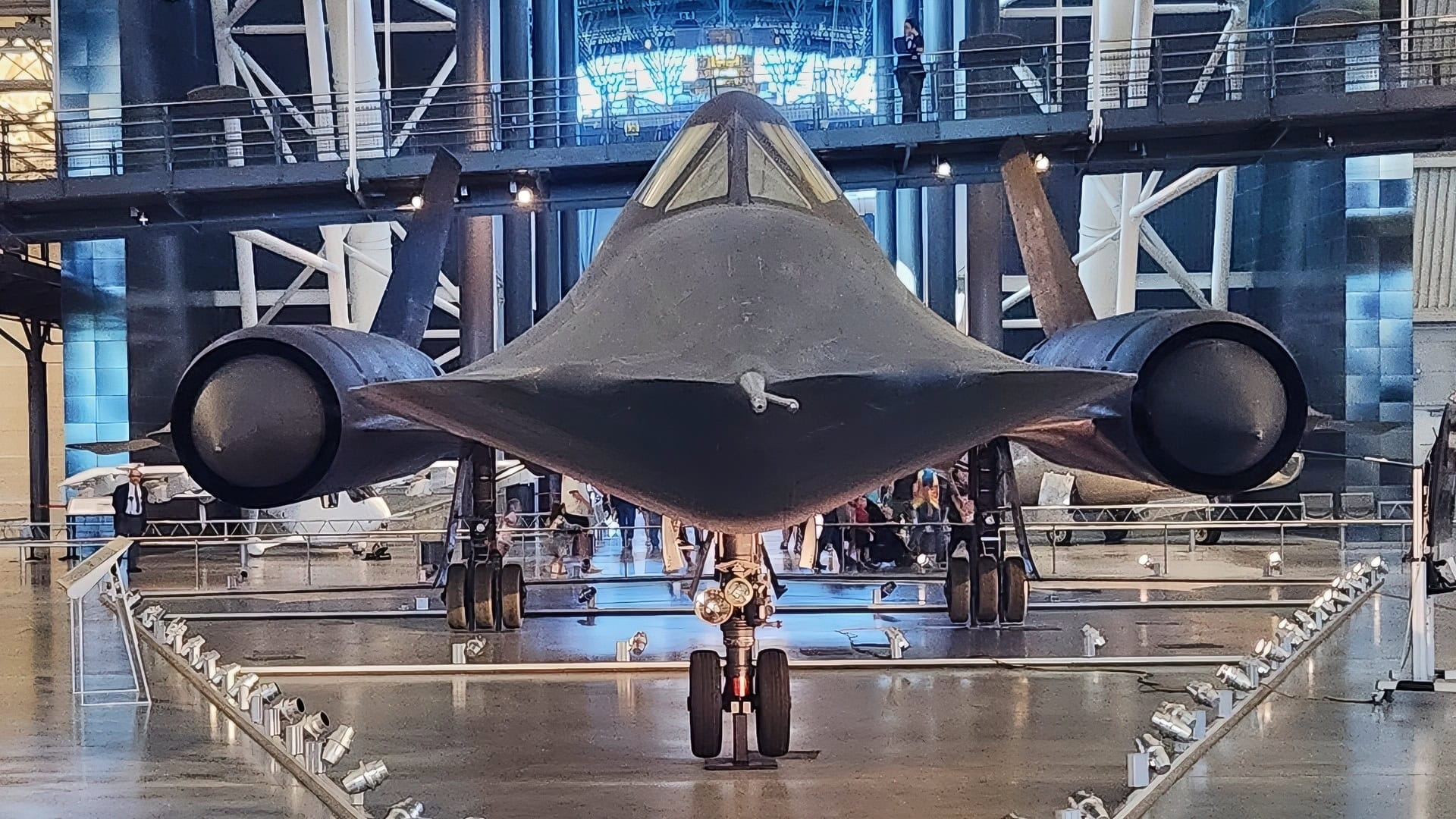
SR-71 At the Smithsonian. Image Credit: Creative Commons.
The Blackbird thrived on them. By cruise speed, the majority of the aircraft’s thrust originated from the inlet and bypass system rather than from the engine itself.
The aircraft was basically a hybrid turbojet-ramjet operating years ahead of its time.
Even today, aerospace engineers regard the J58 as one of the most sophisticated propulsion systems ever fielded.
The Missile-Armed Blackbird That Never Was
Meanwhile, the Air Force dreamed of creating a Blackbird capable of serving as a high-speed interceptor. That was the YF-12.
If the airframe could outrun virtually every threat on Earth, why not make it into an interceptor that could charge at any incoming threat and end that threat?
The YF-12 carried long-range air-to-air missiles that would destroy Soviet bombers before they reached North America.
Performance was astonishing on the YF-12. The aircraft shattered speed and altitude records while demonstrating capabilities unmatched by any interceptor of its era.
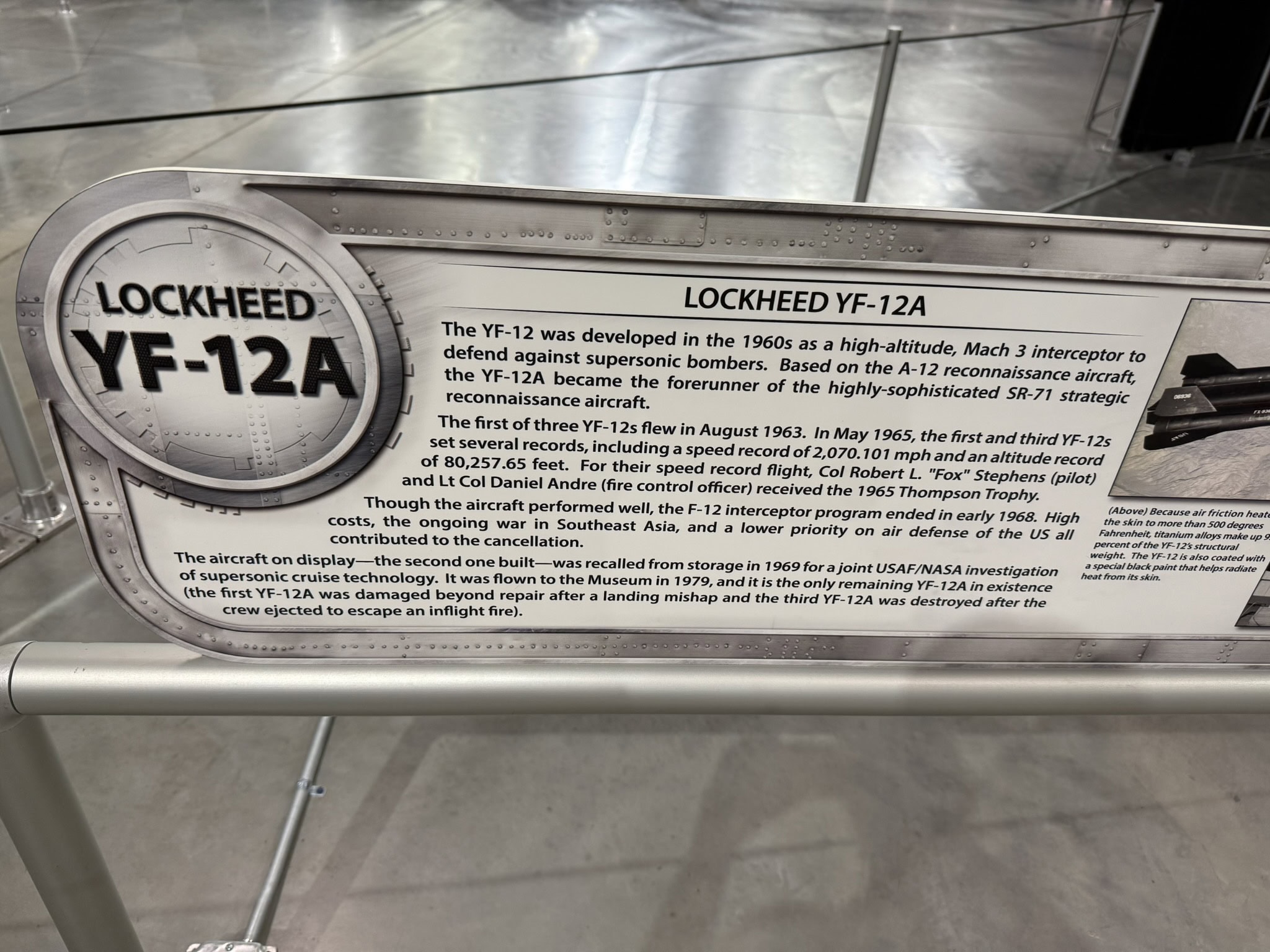
YF-12A. Image taken by Harry J. Kazianis at National Museum of the Air Force for 19FortyFive.com
Yet, fate intervened to kill the Air Force’s dream before it really ever took off.
Two of the three prototypes were eventually lost in accidents, shifting the Air Force’s budgetary priorities elsewhere.
The interceptor died before reaching operational service. Had it entered production, though, the YF-12 might have become one of the most formidable air-defense aircraft ever constructed.
America’s Ultimate Cold War Machine Burned Hot
The story of Richard Sheffield accidentally setting 13 acres of the bucolic Maryland countryside ablaze during an emergency fuel dump offers a glimpse into the paradoxical world of the SR-71 Blackbird.
Here was an aircraft whose fuel leaked by design. Its engines transformed themselves in flight. The titanium structure expanded as the plane accelerated to ungodly speeds.
Its crews operated well above 80,000 feet at those ghastly speeds–three times the speed of sound–yet it was still prone to emergencies.
And when those emergencies occurred, even a standard engine blowout, which all pilots can handle, had catastrophic effects. Nevertheless, the crew survived because the SR-71 could withstand conditions that would have destroyed any other aircraft.
More than 25 years after its retirement, the Blackbird remains one of the most extraordinary machines ever made. It is truly a Cold War masterpiece that still feels as though it arrived from the future.
About the Author: Brandon J. Weichert
Brandon J. Weichert is the Senior National Security Editor at 19FortyFive.com. He also manages The Weichert Brief on Substack. Weichert also hosts “National Security Talk” on Rumble. He is the author of four bestselling national security books, the most recent of which is A Disaster of Our Own Making: How the West Lost Ukraine (Encounter Books). Follow him via Twitter/X @WeTheBrandon.