
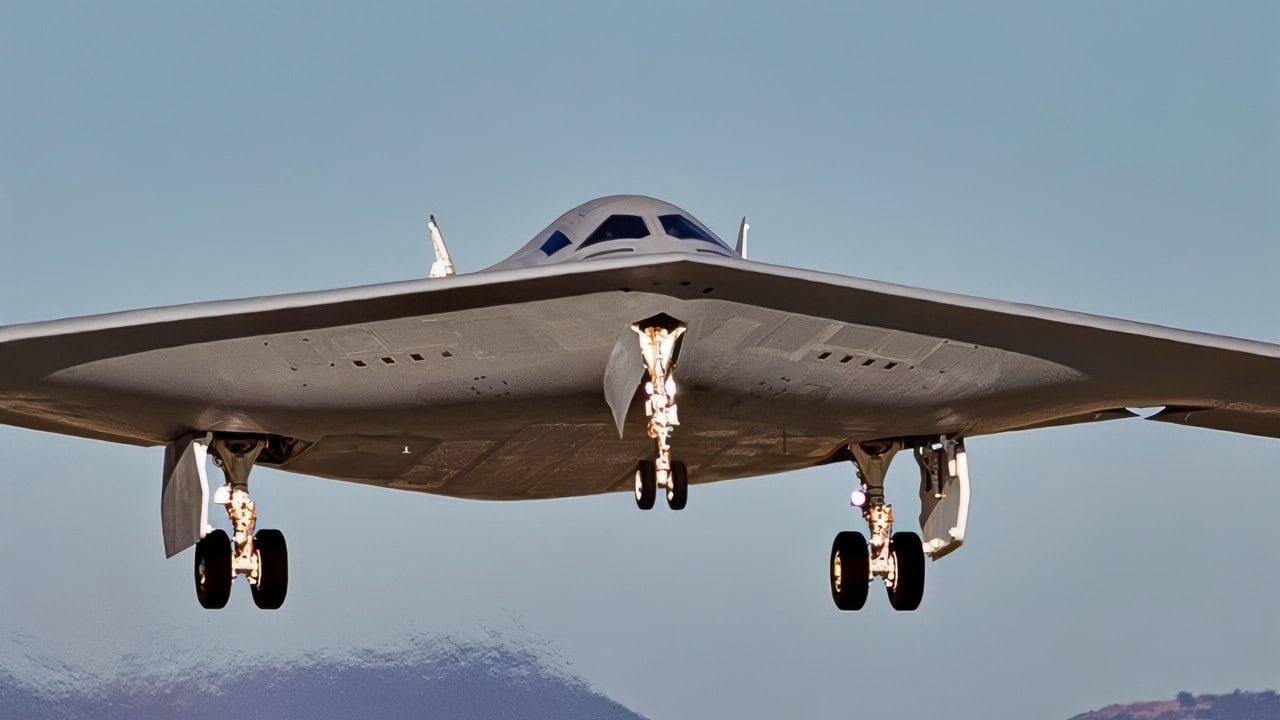
Summary and Key Points: The United States Air Force has formally accepted the first operational B-21 Raider facilities at Ellsworth Air Force Base in South Dakota, the opening projects in a roughly $2 billion modernization effort built around the new stealth bomber. The two completed buildings, a $161 million Low Observable Restoration Facility for maintaining radar-absorbing coatings and an $81 million Wash Rack and Maintenance Hangar, mark the program’s shift from flight testing toward operational fielding. Ellsworth will host the bomber’s first squadrons, a formal training unit, and a logistics hub, becoming the template for future B-21 bases as the Air Force works toward a fleet of at least 100 aircraft to replace the B-1B and B-2.
The B-21 Raider Gets a Home
The US Air Force has formally accepted the first operational B-21 Raider facilities at Ellsworth Air Force Base, marking the transition from development to deployment.
Two specialized maintenance facilities—the Low Observable Restoration Facility and the Wash Rack and Maintenance Hangar—have been completed, representing the first finished projects in a roughly $2 billion modernization effort designed to support the B-21.
The forthcoming B-21 is still in testing and low-rate production, but Ellsworth is becoming the first operational home of what should be the world’s leading stealth bomber.
Not Just a Hangar for B-21 Raider
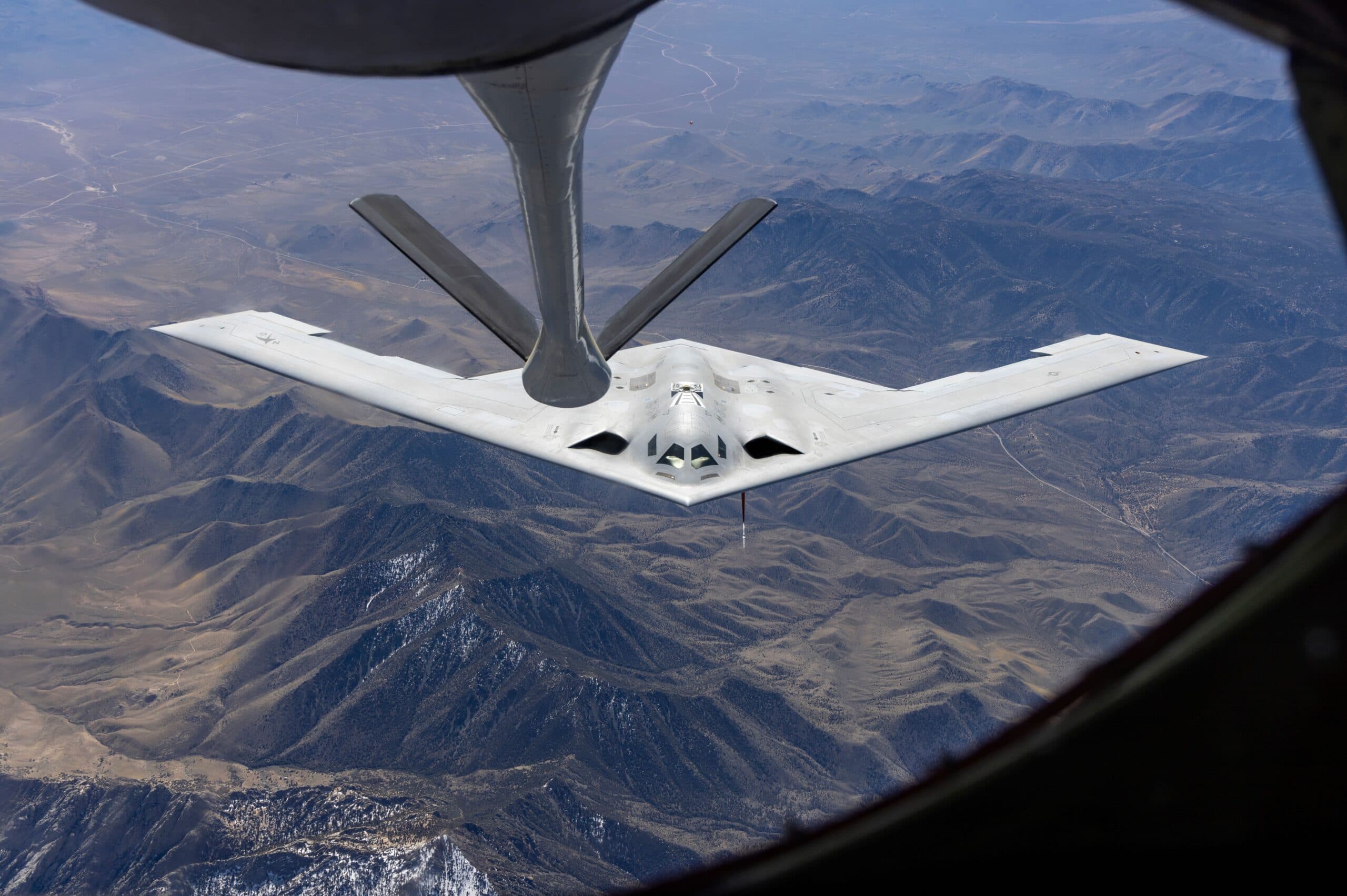
B-21 Raider. Image Credit: USAF.
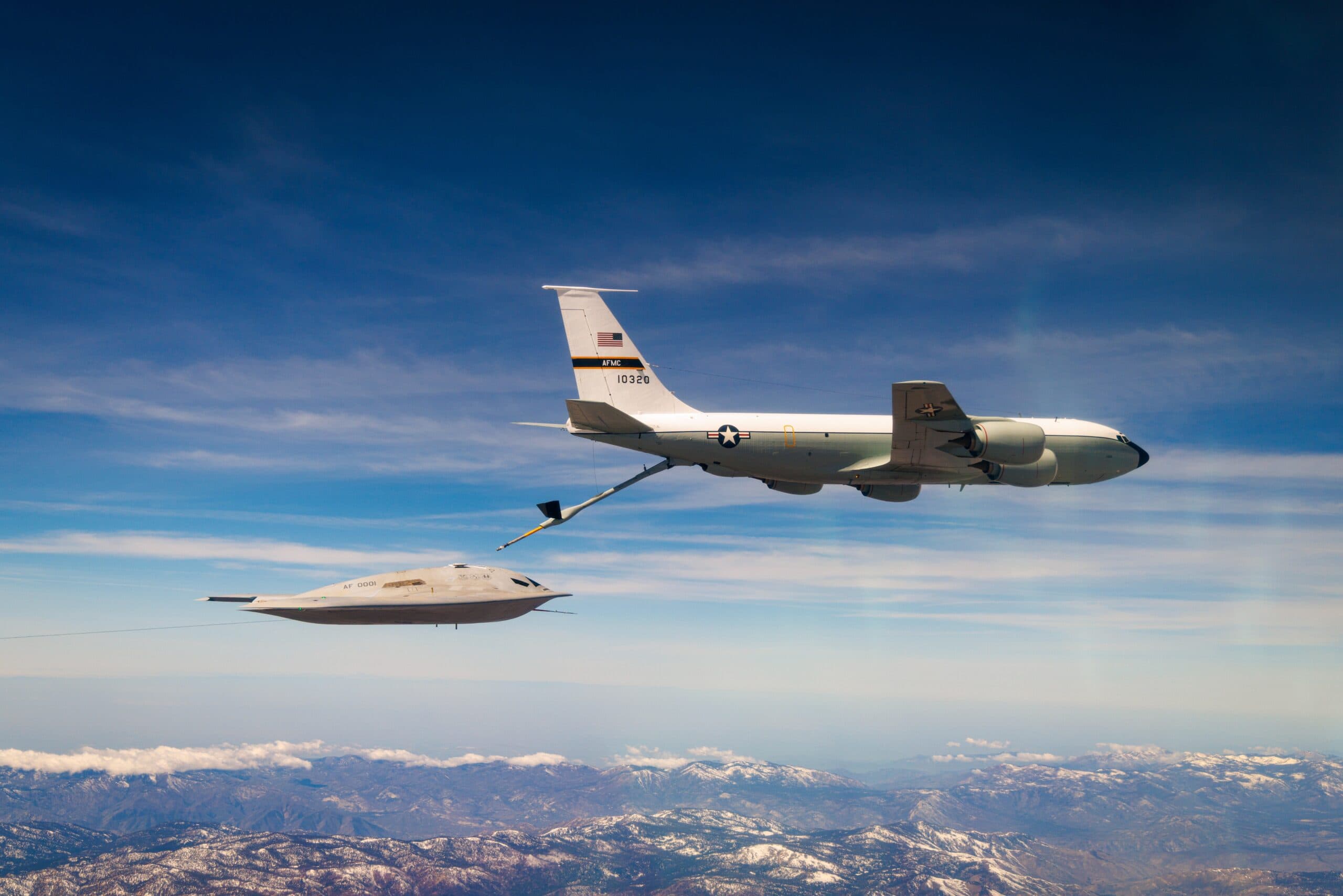
B-21 Raider Taking on Fuel. Image Credit: U.S. Air Force.
The newly completed hangars are not just new hangar openings.
They represent the shift from prototype testing to infrastructure buildout—which in turn leads to operational fielding. Every major aircraft requires an ecosystem, and the Air Force is now building out the ecosystem required to sustain B-21 operations. This marks a notable advancement beyond the test flight phase of the aircraft’s development.
Ellsworth will serve as the first operational base for the B-21. In the future, Ellsworth will feature a Formal Training Unit for aircrew and maintainer training, as well as a logistics hub.
Ellsworth will likely serve as the template for future B-21 bases, including Whiteman AFB and Dyess AFB. Regardless, Ellsworth is slated to become the blueprint for the entire Raider enterprise.
The New Hangars
The first new hangar, the Low Observable Restoration Facility, has a price tag of $161 million and will be used to inspect stealth coatings, repair radar-absorbing material, and maintain low-observable signatures.
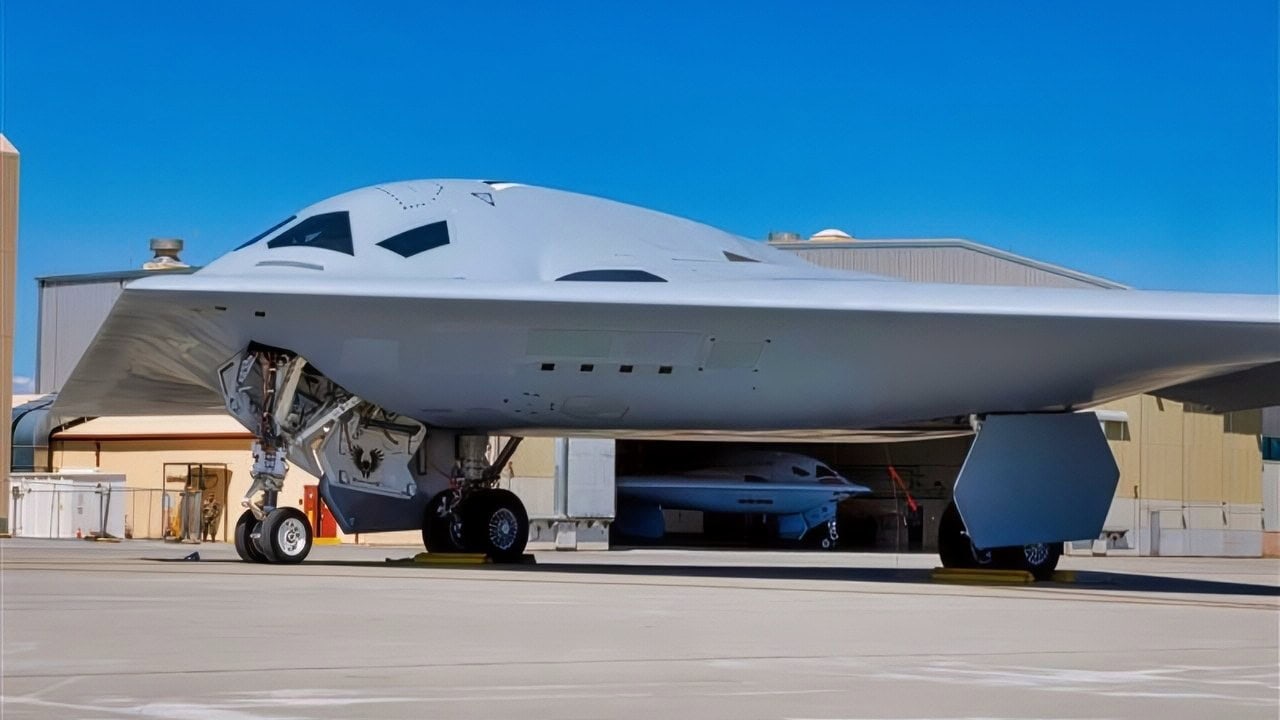
A second B-21 Raider, the world’s sixth-generation stealth bomber, test aircraft arrives at Edwards Air Force Base, Calif., Sept. 11, 2025. The addition of the second test aircraft expands mission systems and weapons integration testing, advancing the program toward operational readiness. (Courtesy photo)
The environment will be climate-controlled, and the facility should allow the Air Force to reduce B-21 maintenance time and improve aircraft availability. Stealth maintenance is an important aspect of stealth aircraft operations.
Modern stealth aircraft are not simply painted black; they feature radar-absorbing materials that require specialized coatings, controlled humidity, precision repairs, and contamination control.
The second new hangar is the Wash Rack and Maintenance Hangar, priced at $81 million.
This hangar is less glamorous—but still critical—serving to support inspections, servicing, routine maintenance, aircraft preparation, and sustainment. This hangar will help to keep the B-21 at a high readiness level.
Building the Infrastructure
The Air Force can’t simply buy B-21 stealth bombers; it needs an entire ecosystem to support the new aircraft. The ecosystem is extensive, including secure communications, classified mission planning facilities, specialized tooling, logistics chains, spare parts, secure IT networks, weapons storage, trained maintainers, and more. Without this infrastructure, sustained combat operations would be impossible.
And because the B-21 is so critical to the Air Force’s future plans, the related infrastructure is equally critical.
The B-21 is being designed to replace the B-1B Lancer and the B-2 Spirit, and will operate alongside the modernized B-52J Stratofortress.
The Air Force is expected to procure at least 100 B-21s to support Indo-Pacific operations. Considered a sixth-generation strategic bomber, the B-21 is expected to feature advanced stealth, open mission systems, and digital engineering.
The Air Force is expected to use the B-21 for long-range penetration and both conventional and nuclear missions. Designed for continual software upgrades, the B-21 is expected to be relevant for decades.
Why Now
The Air Force needs a new bomber because modern air defenses have rendered Cold War-era bombers less relevant.
Twenty-first-century integrated air-defense systems, with long-range radars, advanced surface-to-air missiles, and sensor fusion, are adept at detecting non-stealth aircraft and even aircraft with outdated stealth.
The B-21 is being specifically designed to penetrate modern, dense air defenses and to operate in highly contested environments, including against anti-access/area denial (A2/AD) systems.
The B-21’s mission, essentially, is to strike targets that legacy aircraft may struggle to access.
But the B-21 is not just a bomber; it’s a networked combat platform expected to integrate with the F-35, NGAD, CCAs, satellites, and more.
Rather than operating independently, the B-21 will likely serve as one node within a larger combat network. And before that happens, the Air Force needs to build out the B-21’s wider infrastructure.
About the Author: Harrison Kass
Harrison Kass is a writer and attorney focused on national security, technology, and political culture. His work has appeared in Tablet, City Journal, The Hill, The Spectator, and The Cipher Brief. He holds a JD from the University of Oregon and a master’s in Global & Joint Program Studies from NYU. More at harrisonkass.com.