‘No War, No Great General’: Teddy Roosevelt’s Brutal Warning on Leadership
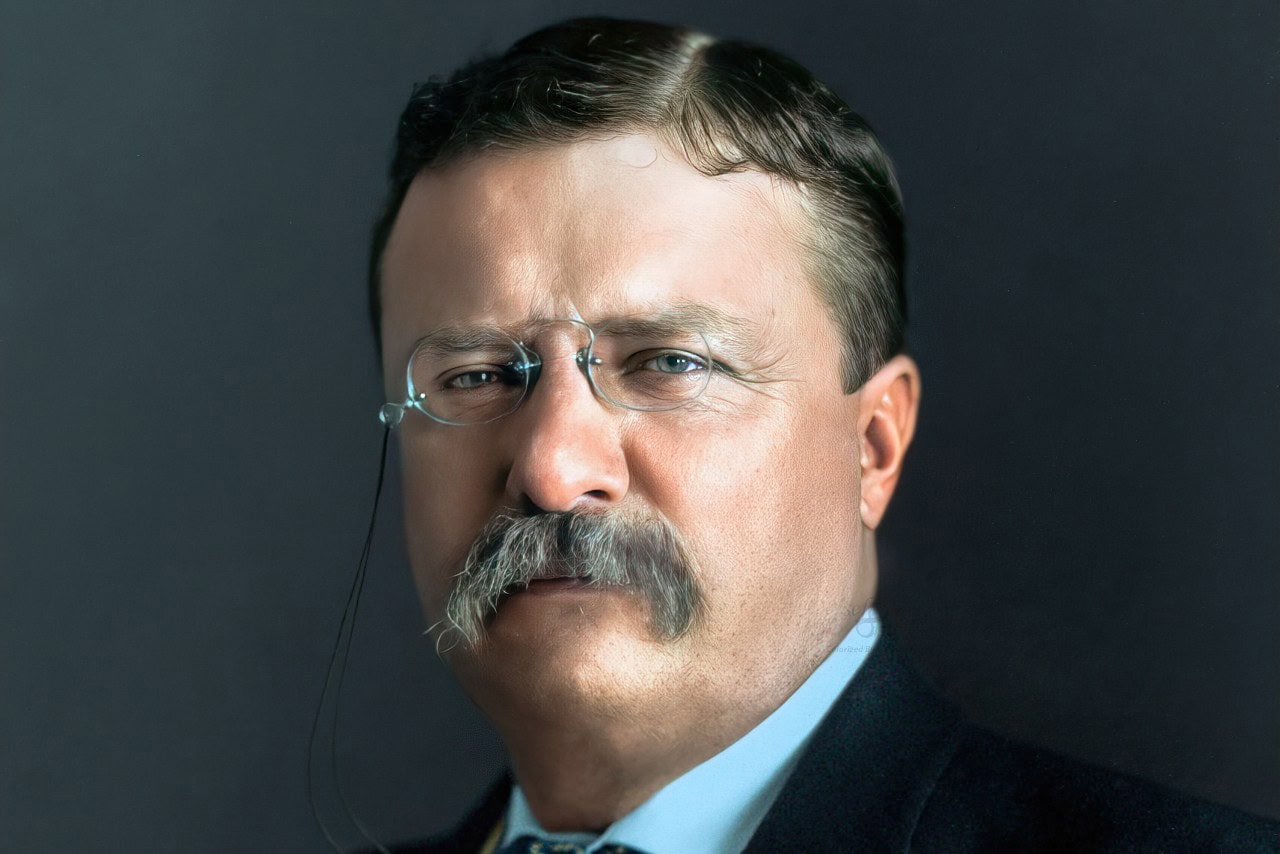
“If there is not the war, you don’t get the great general; if there is not a great occasion, you don’t get a great statesman; if Lincoln had lived in a time of peace, no one would have known his name.” – President Theodore Roosevelt.
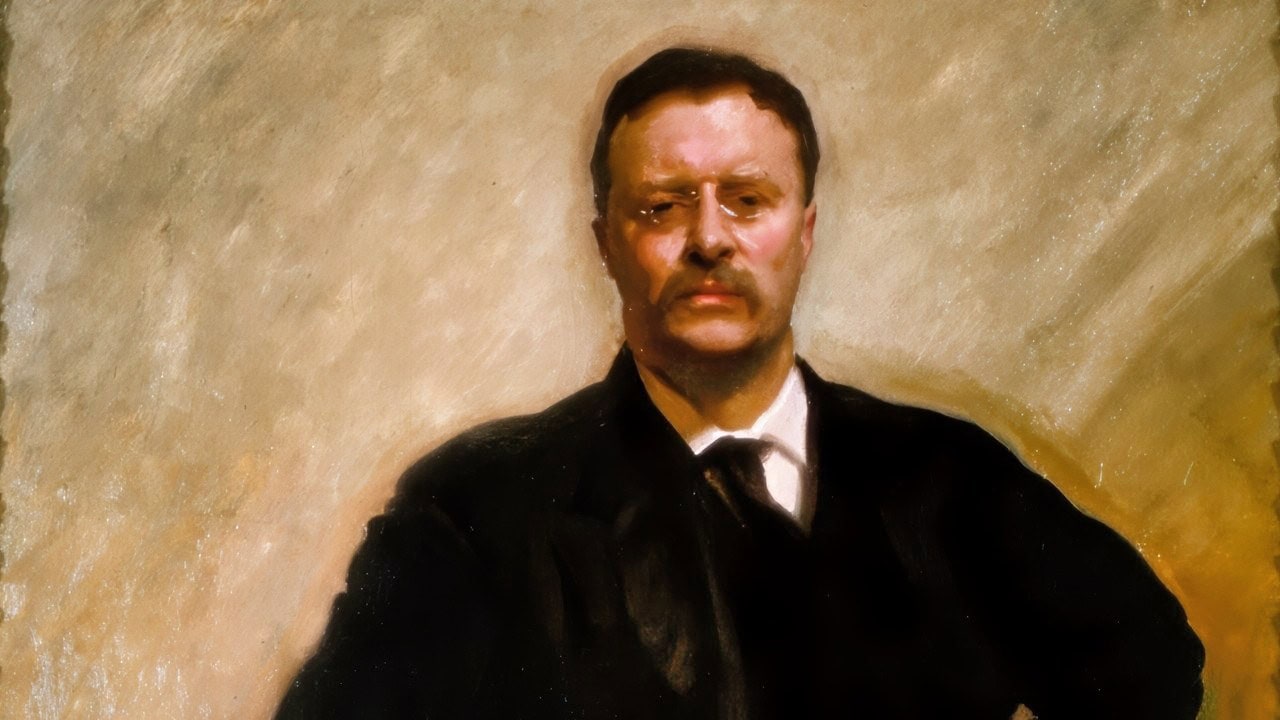
‘Speak softly and carry a big stick; you will go far.’ A Quote by Theodore Roosevelt.
Theodore Roosevelt was one of the most inspiring presidents in history.
He thought and acted on a larger-than-life scale and pushed the human experience to great heights. Roosevelt was much more than a pampered politician.
He was an explorer and war hero who overcame poor health as a youngster. Politics was a natural outgrowth for this born leader.
Theodore Roosevelt Takes a Page Out of Lincoln’s Book
President Abraham Lincoln was one of Roosevelt’s main heroes. Roosevelt saw something unique about Lincoln.
The leader who kept the union intact after the Civil War was more than just a president. The conflict forged Lincoln into a great man, and without leadership during warfare, he may not have achieved so much.
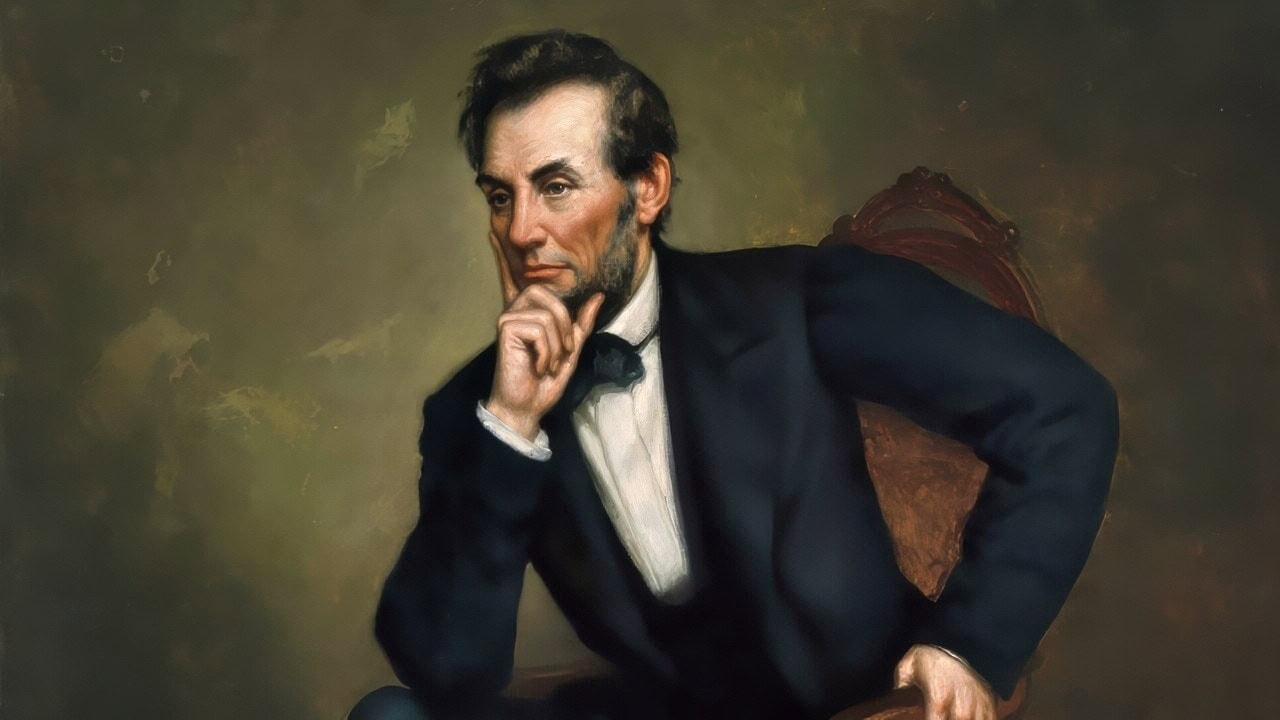
President Abraham Lincoln Painting. Image Credit: Creative Commons.
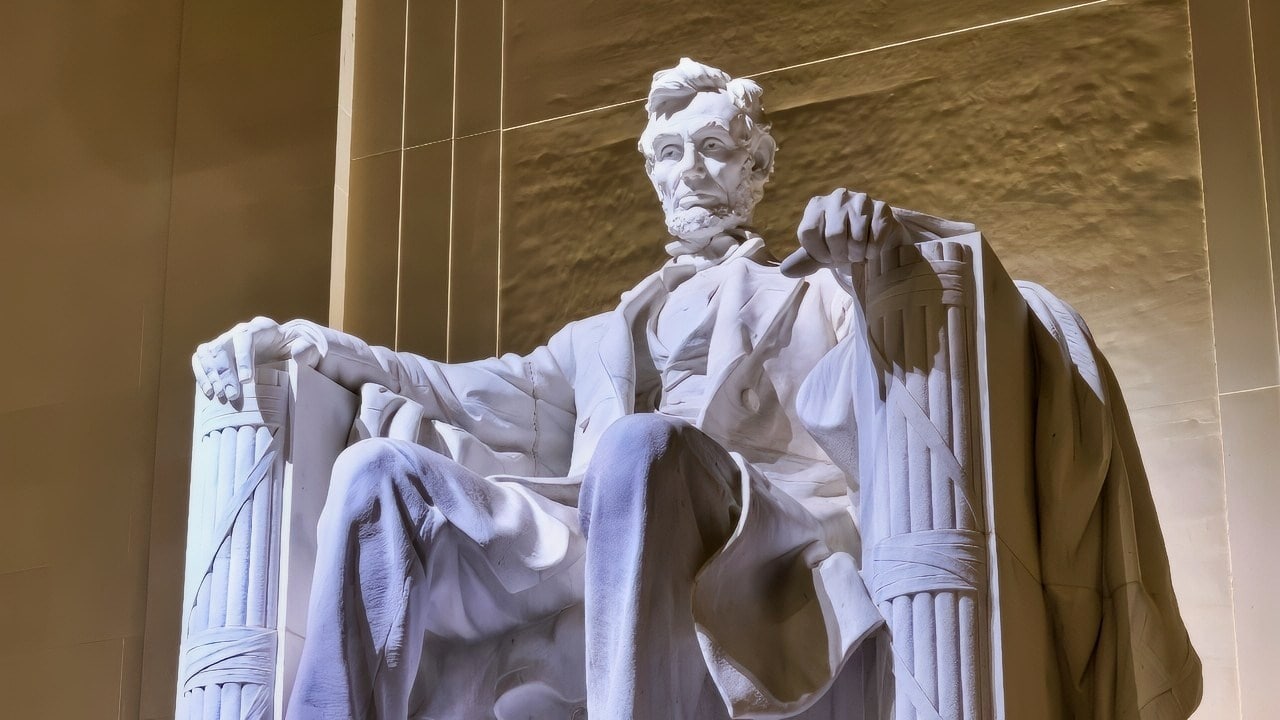
Statue of Abraham Lincoln at the Lincoln Memorial in Washington D.C. on June 12, 2024. The 170-ton statue, sculpted by Daniel Chester French (1850–1931) is located in the Lincoln Memorial on the National Mall. It was carved by the Piccirilli Brothers, assembled in 1920 and unveiled on May 30, 1922.
America’s Winston Churchill
Roosevelt, like Winston Churchill, was fascinated by warfare and knew that becoming a hero could cement his place in history.
But that would not be all. Roosevelt had the right kind of leadership ability and popularity that steered him into politics. He always led by example and even went on long runs with his presidential staff in the morning, in an age where jogging was unheard of.
Battlefield God
People serving under Roosevelt thought he was a god on the battlefield. They knew he would never get a scratch in warfare. Roosevelt believed he could show the public that he was not afraid of serving his country. A sterling war record would lead him into another realm of servitude – working as a statesman and peacemaker.
Greatness In His DNA
Roosevelt thought that he was destined for greatness and that war was just one step along his path to power. Like Lincoln, he overcame much diversity and has his share of triumphs and failures, but Roosevelt always managed to come out on top.
Valiant Service When the Chips Were Down
Theodore Roosevelt believed that Americans could respond to national emergencies with effective leadership. This drew him to Lincoln for inspiration. War was the proving ground, but achieving peace was Roosevelt’s main goal. Battlefield prowess was just one step of the journey. This would allow Roosevelt to guide the nation through hardships. Living through great historical events can forge character, bringing a man into greatness.
Remember the Maine, to Hell With Spain
Theodore Roosevelt was a “Rough Rider” during the Spanish-American War of 1898. “TR” believed that the Spanish were evil colonialists who must be punished. He was interested in Cuba’s emancipation in the 1890s.
TR was the assistant secretary of the Navy at the time. He wanted the United States to be prepared for war. When the battleship USS Maine was deployed to Havana, Cuba, Roosevelt would have the cause that he wanted to wage combat against the Spanish. The plight of the Maine still surprised TR. The ship was anchored in Havana for months without incident, then one day it exploded. The blast killed 262 American sailors.
Spain said it had no part in the tragedy, and a U.S. investigation revealed that the cause of the explosion was a sea mine. Sensational media coverage took over, and the people of the United States blamed Spain for the tragedy.
Roosevelt Saw His Opportunity
TR saw his opportunity for glory. He implored the Secretary of War to allow him to serve in the military. Roosevelt was allowed to resign as assistant secretary and raise a volunteer regiment. Theodore Roosevelt already had three years of reserve military experience as a captain and allowed war hero Leonard Wood to serve as the regiment’s colonel. Wood made TR a lieutenant colonel.
The Rough Riders Seized the Day
They both began assembling the First U.S. Volunteer Cavalry. There were over 23,000 applications from men to join. Wood and Roosevelt are presented with a splendid cast of characters.
“Roosevelt’s fame and personality turned him into the de facto leader of this rag-tag group of polo players, hunters, cowboys, Native Americans, and athletic college buddies. The regiment of ‘Roosevelt’s Rough Riders’ was born,” the National Park Service wrote.
A Winning Combination
The regiment soon went to Cuba and fought two major battles in 1898. The first was the Battle of Las Guasimas. The Rough Riders were courageous and gallant, and lost only seven killed and 34 wounded as they sent the Spanish on the run. Roosevelt was nearly injured, but bullets hitting trees only sent splinters at the Rough Rider.
TR figured a critical flanking maneuver was needed to finish off the Spaniards, and his men complied, winning the battle with ease. The Americans then wanted to take Santiago, where the Spanish fighters had retreated. They were to pursue the enemy through the San Juan Hills.
“The Battle of San Juan Heights was fought on July 1, which Roosevelt called ‘the great day of my life.’ He led a series of charges up Kettle Hill towards San Juan Heights on his horse, Texas, while the Rough Riders followed on foot. He rode up and down the hill, encouraging his men with the orders to ‘March!’ He killed one Spaniard with a revolver salvaged from the Maine. Other regiments continued alongside him, and the American flag was raised over San Juan Heights,” according to the National Park Service.
The Battlefield Was His Springboard
TR was elated, and his confidence only grew. The war was good to him as he rode toward fame and fortune. He became a household name, and his career reached new heights. Roosevelt’s nature was forged in battle, and he looked upon his Rough Rider duty with pride in his heart throughout his lifetime.
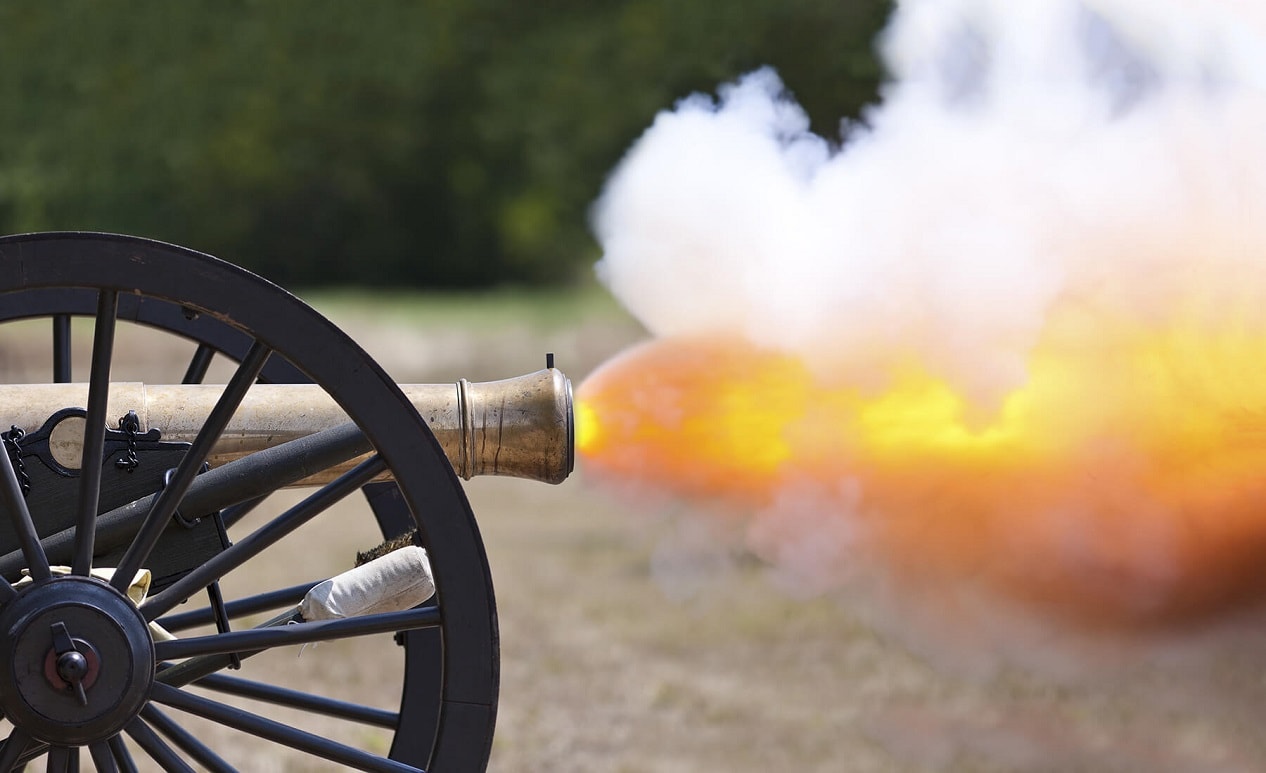
Cannon Firing. Image Credit: Creative Commons.

Civil War. Image: Creative Commons.
TR would later become an effective president and statesman, showing that military experience can produce a leader who exudes confidence and optimism throughout service to his country.
About the Author: Brent M. Eastwood
Author of now over 3,000 articles on defense issues, Brent M. Eastwood, PhD is the author of Don’t Turn Your Back On the World: a Conservative Foreign Policy and Humans, Machines, and Data: Future Trends in Warfare plus two other books. Brent was the founder and CEO of a tech firm that predicted world events using artificial intelligence. He served as a legislative fellow for US Senator Tim Scott and advised the senator on defense and foreign policy issues. He has taught at American University, George Washington University, and George Mason University. Brent is a former US Army Infantry officer. He can be followed on X @BMEastwood.