
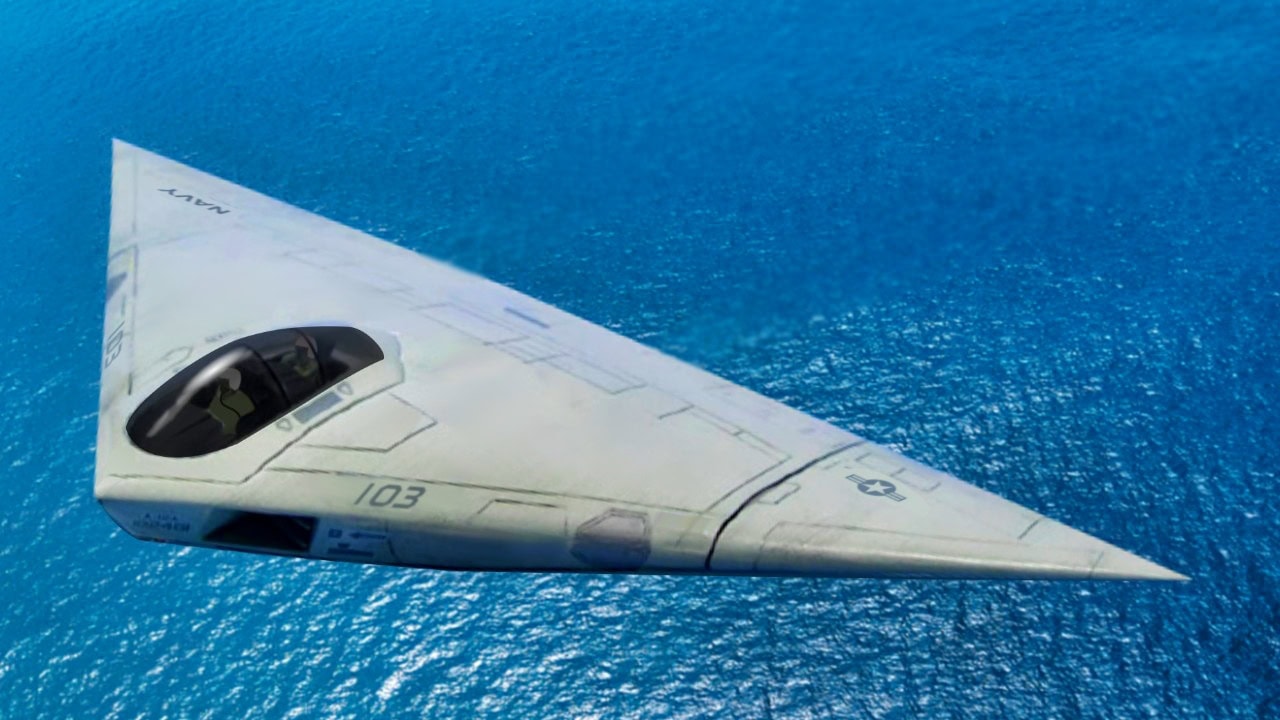
Summary and Key Points: The A-12 Avenger II was the U.S. Navy’s ambitious attempt to bring carrier-borne stealth to the frontline, but it famously stalled in the “Valley of Death” between blueprints and production.
-Plagued by massive cost overruns, an 18-month delay, and an airframe that was 8,000 pounds too heavy for carrier landings, the program was cancelled in 1991.
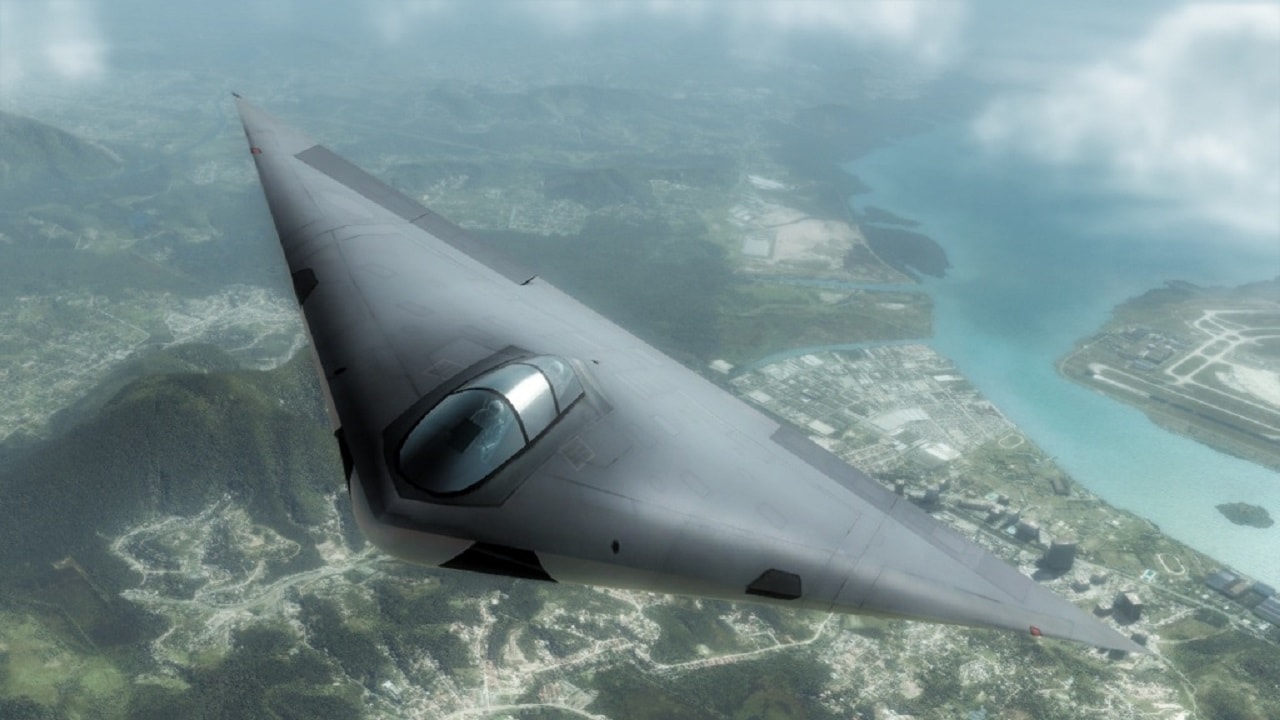
A-12 Avenger II. Image Credit: Creative Commons.
-Despite its failure to fly, the A-12’s flying-wing design paved the way for modern stealth drones like the MQ-25 Stingray.
-Ultimately, the decision to kill the “Flying Dorito” was a necessary pivot, sparing the taxpayer from an unproven platform that was never truly carrier-ready.
Was the A-12 Avenger II Stealth Bomber Cancelled Too Soon?
The US Navy was once way ahead of its time. The maritime branch wanted a new stealth carrier-based bomber that dated back to the 1980s. This flying-wing warplane, the A-12 Avenger II, was supposed to replace the A-6 Intruder by the 1990s.
This was a tough-luck program, though. There were numerous schedule slips and cost overruns due to technical challenges and engineering failures. The project was cancelled in 1991 by then Secretary of Defense Dick Cheney.
The Aircraft Had Stealthy DNA
This was a disappointment for those who wanted the Navy to be the vanguard in stealth flight. Still, the A-12 Avenger II later influenced the future X-47B demonstrator and the MQ-25 Stingray carrier-launched stealth drone tanker.
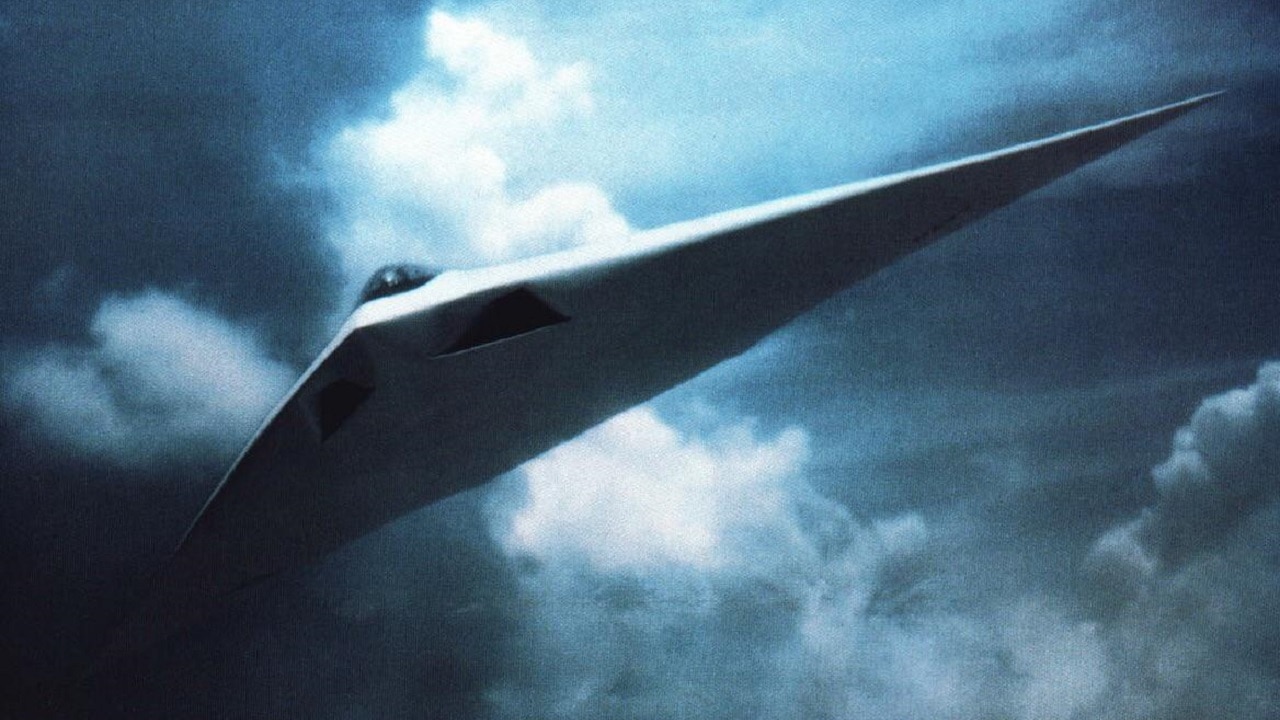
A-12 Avenger. Image Credit: Creative Commons.
The Navy’s Version of the B-2 Stealth Bomber
The stealthiness of the Navy bomber would be decisive in the 21st century. This radar-evading warbird was designed to foil enemy air defenses and fly deep into airspace to crush military targets and conduct decisive operations at will. The Navy was excited to have its own carrier-borne B-2 bomber, giving strike groups the kind of firepower that would be decisive.
Forged a Belief in Stealth Naval Aviation
The Navy now has the F-35C Lightning II stealth fighter, the MQ-25 Stingray, and a new stealth, next-generation fighter called F/A-XX, which is in the planning stages, awaiting the green light to be produced. But an early stealth bomber would have brought the fight to the enemy in unseen ways once it passed the defense acquisition “Valley of Death” phase between blueprints and serial production.
The Advanced Tactical Aircraft project spawned the A-12 Avenger II program in the early 1980s. This program called for a new fighter-bomber that would be survivable in the first 100 days of a fight, able to strike deep into enemy territory or sink ships if needed – all while flying stealthily.
Northrop Grumman already had the A-6 Intruder, but it was seen as an aging platform lacking stealth and not survivable against a modern foe with improved air defenses.
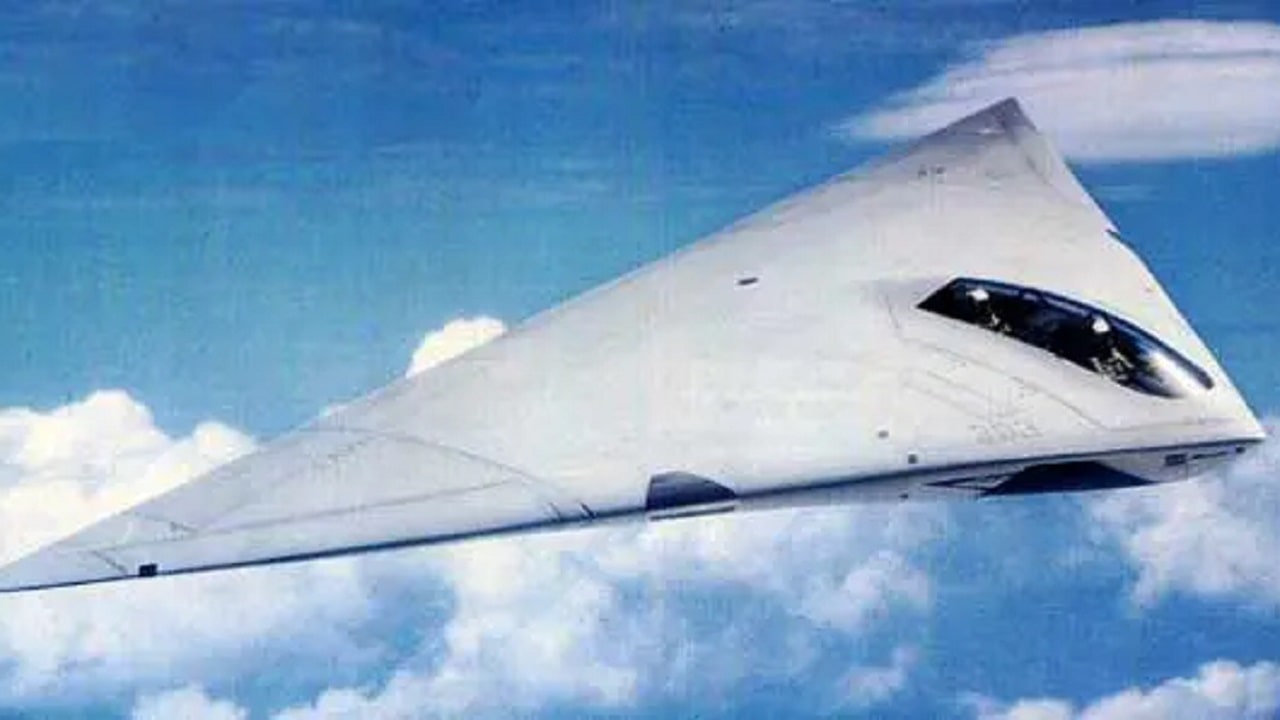
A-12 Avenger. Image Credit: Creative Commons.

A-12 Avenger diagram. Image Credit: Creative Commons.
Could the Design Be Key to the Program’s Survival
By 1988, the two defense contractors, McDonnell Douglas and General Dynamics, were awarded the contract. There were bright spots in some respects. The designers agreed on a flying-wing design to improve radar evasion.
Execution was a Disaster for A-12 Avenger II
This was the first time the Navy had attempted to make carrier-borne stealth flight a reality. The engineers had trouble with the airframe almost immediately. The project was problematic, and stealth was not assured due to the difficulty of executing it. The A-12 faced delays and cost overruns.
Too Heavy to Be Effective
Another problem was the warbird’s weight – over 8,000 pounds. This airplane was going to have difficulty landing and launching on a carrier. The speed and maneuverability would also be affected by extra mass.
18 Month Delay
The stealth coatings were difficult to apply, and the technology was not ready for full stealth. The defense bureaucracy did not want to blow the whistle on the A-12. They were overly optimistic and not honest in their assessments. The schedule creep and cost were immense. The program was 18 months behind its timeline, and $5 billion had already been invested in the project.
Not One Single Prototype for the Flying Dorito
The Navy never produced a flying prototype. This was seen as a major failure. When I served as a defense acquisition analyst for the RAND Corporation, I was taught about the A-12 Avenger II case study. My mentors considered it a cautionary tale about how not to conduct a major end-item production. This program needed to be cancelled, and it was not too early to do so. A stealth bomber that could take off and land on carriers was a good idea, but there were too many critical failures, and the program did not produce an airplane that was mostly still in separate components when it was cancelled.
The Geopolitical Environment Changed
Plus, the A-12 was a victim of the end of the Cold War. There were just not as many enemy targets to bomb when the Soviet Union broke apart. The Department of Defense believed that the A-12 was not a priority at a time of the “peace dividend,” when the US military would face reductions in force and fewer defense programs to fund.
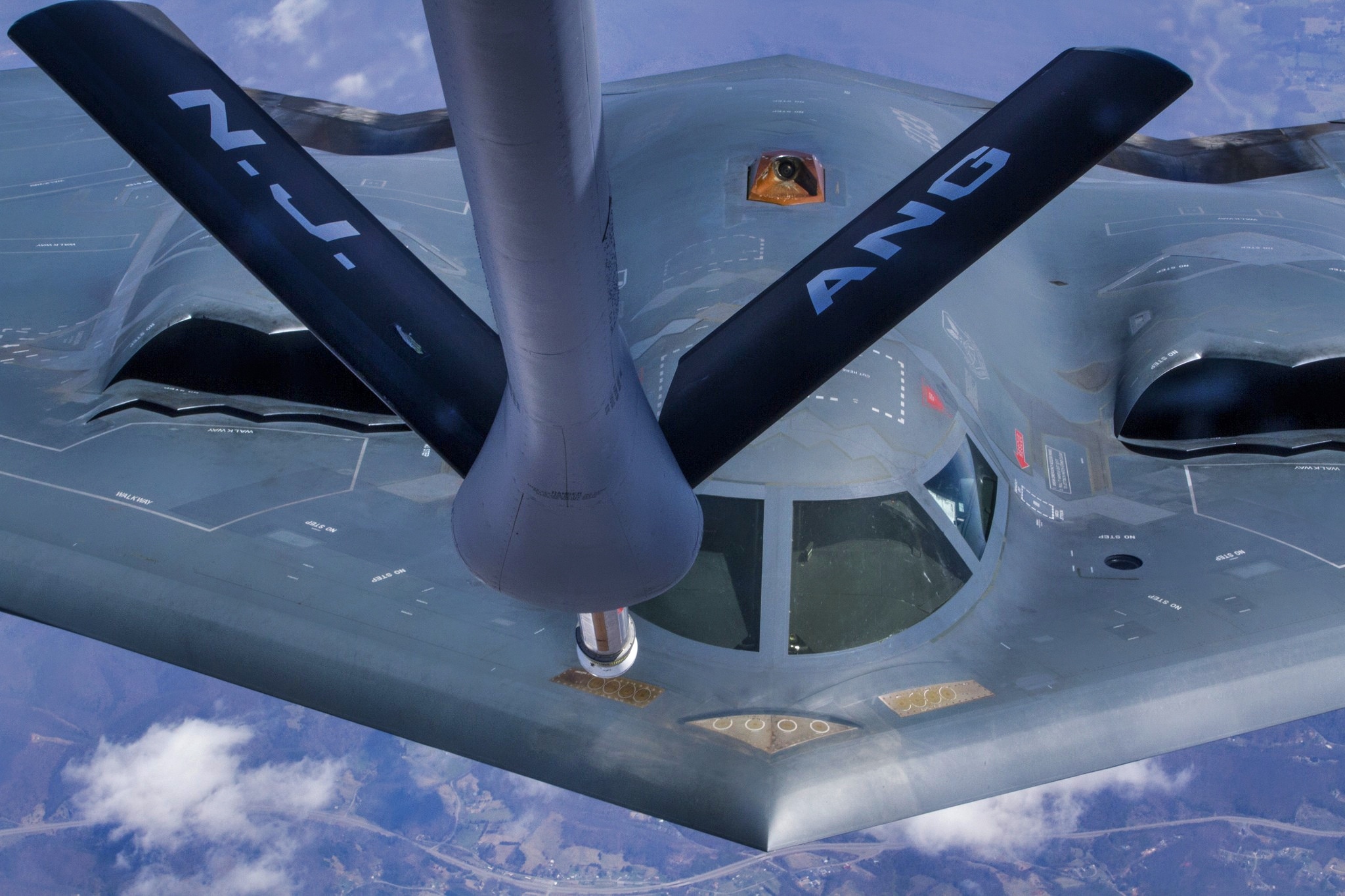
B-2 Spirit Stealth Bomber. Image Credit: Creative Commons.
Correct Decision Made to Cancel It
Cheney recognized that this program needed to be killed. The A-12 was not cancelled too early. The project was jinxed and was overly ambitious for the era. Too bad. The Navy could have used a stealth strike airplane to join its fleet. But the program’s negative aspects, costs, and delays were too much to overcome.
Sometimes it is better to give a project a quick death than to let it drag on indefinitely. This airplane was never going to fly. It was time to chalk it up as a lesson on how not to run a major acquisition program.
The A-12 will go down as a warning to defense contractors who do not deliver the goods. The US military is not a petri dish for failed engineering and design efforts. Results matter, and defense contractors can sometimes do a disservice to the American taxpayer. Cheney realized this and made the correct decision to kill it before more time and money were wasted.
About the Author: Dr. Brent M. Eastwood
Author of now over 3,000 articles on defense issues, Brent M. Eastwood, PhD is the author of Don’t Turn Your Back On the World: a Conservative Foreign Policy and Humans, Machines, and Data: Future Trends in Warfare plus two other books. Brent was the founder and CEO of a tech firm that predicted world events using artificial intelligence. He served as a legislative fellow for US Senator Tim Scott and advised the senator on defense and foreign policy issues. He has taught at American University, George Washington University, and George Mason University. Brent is a former US Army Infantry officer. He can be followed on X @BMEastwood.