
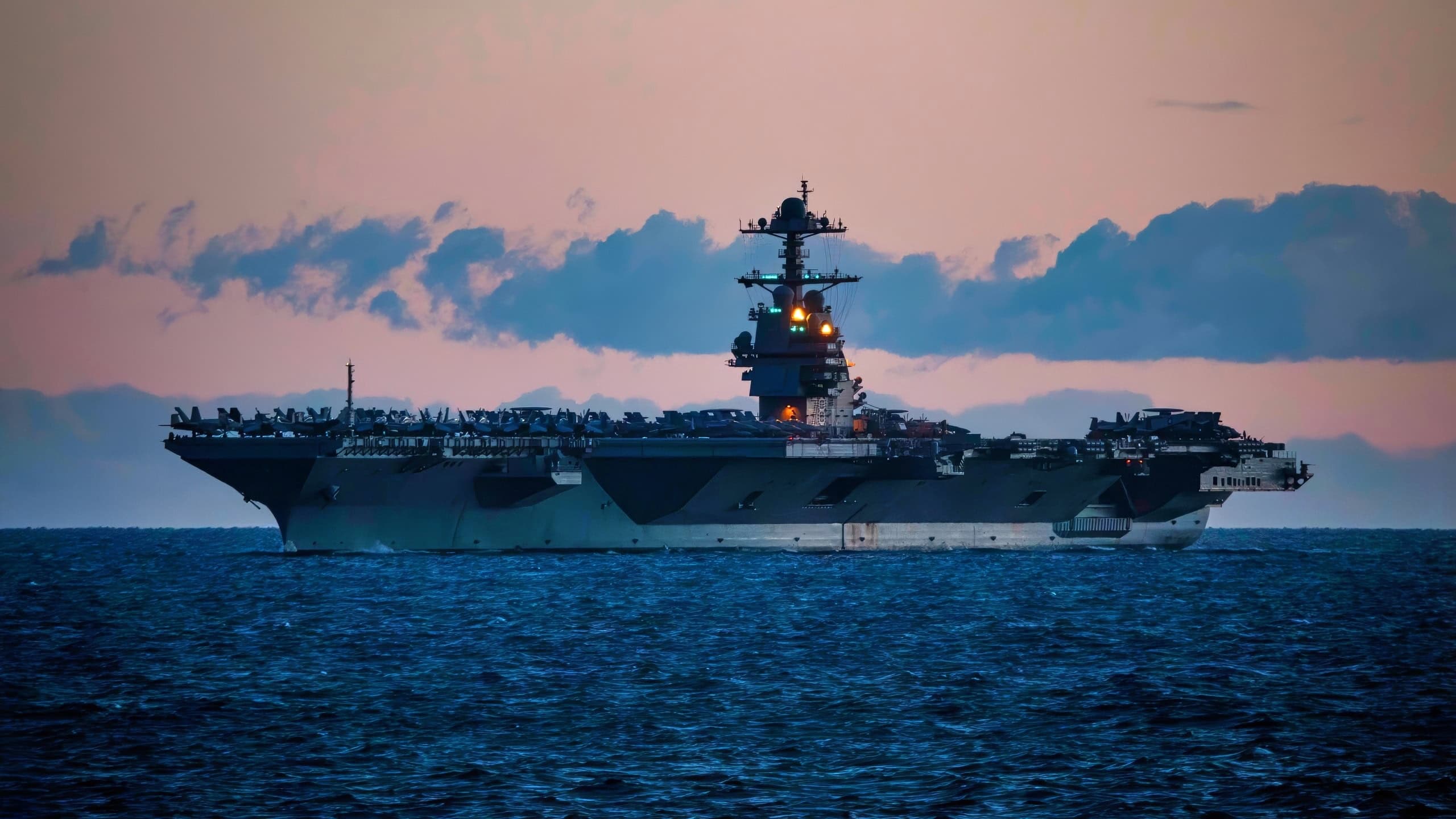
Iran: A War at the Wrong Time and Place:
As the war in Iran continues and analysts debate how long it will last and what the outcome might be, this conflict is reshaping the security landscape in MENA and beyond, shifting the global balance of power.
In simple terms, the decision by Israel and the United States to launch a bombing campaign against Iran has already influenced great power dynamics in other critical regions. Most importantly, it has changed the main lines of confrontation between the U.S. and the “Axis of Dictatorships”—China, Russia, Iran, and North Korea—an alliance of convenience determined to challenge the U.S. and democracies worldwide.
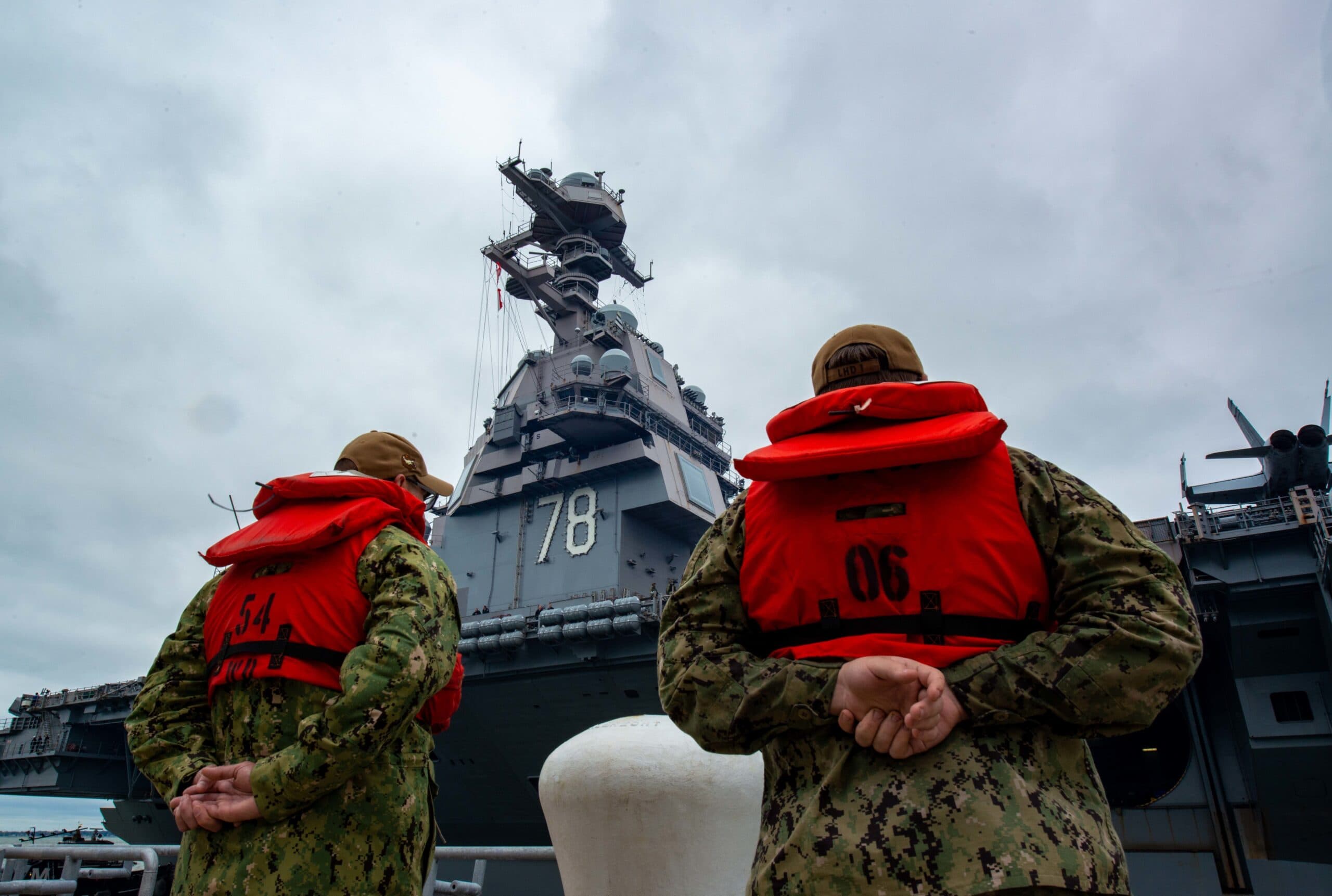
NORFOLK, Va. (Oct. 4, 2022) Sailors stand at parade rest as the first-in-class, Ford class aircraft carrier USS Gerald R. Ford (CVN 78) departs Naval Station Norfolk on its first deployment, Oct. 4, 2022. The Gerald R. Ford Carrier Strike Group (GRFCSG) is deployed in the Atlantic Ocean, conducting training and operations alongside NATO Allies and partners to enhance integration for future operations and demonstrate the U.S. Navy’s commitment to a peaceful, stable and conflict-free Atlantic region. (U.S. Navy photo by Mass Communication Specialist 3rd Class Thomas Boatright)
If the conflict continues to fester and expand, it could trigger a chain reaction in other theaters and ultimately lead to a wider system-transforming war.
The Wrong War at the Wrong Time
Statesmanship in world affairs requires identifying clear national interests and setting priorities for geostrategic goals. In 1951, General Omar Bradley criticized General Douglas MacArthur for wanting to expand the Korean War into China, saying it would be “the wrong war, at the wrong place, at the wrong time, and with the wrong enemy.”
Bradley and President Truman believed that escalating the conflict with communist China would divert resources from the main threat—the Soviet Union in Europe—and could even ignite World War III. While it’s possible to overanalyze historical comparisons, today’s U.S. campaign against Iran echoes Bradley’s criticism of MacArthur. Iran is undoubtedly a sworn enemy of the United States, but the current focus in the Middle East is shifting U.S. attention and resources away from securing the Western Hemisphere, the Indo-Pacific, and Europe—the three key regions outlined in the 2025 National Security Strategy.
America’s Own Strategy Ranks the Middle East Fourth
The NSS released by the Trump administration last fall ranks the Middle East fourth among U.S. priorities, behind the Western Hemisphere, Asia, and Europe. The NSS states that “the days in which the Middle East dominated American foreign policy in both long-term planning and day-to-day execution are thankfully over—not because the Middle East no longer matters, but because it is no longer the constant irritant, and potential source of imminent catastrophe, that it once was.”
Yet, today, it is precisely the Middle East that takes up an increasingly large share of U.S. military resources, narrowing the margin for error in other regions, especially in the Atlantic and Pacific, the two critical theaters.
The Body Count Metric Didn’t Work in Vietnam. It Won’t Work in Iran
This war contradicts earlier lessons from Vietnam and, more recently, from the Global War on Terror, risking the repetition of past mistakes. Wars are fought to achieve political objectives, and just as victory in the Vietnam War was not about the “body count metric,” the outcome in Iran will not be determined by how many boats and missile sites the U.S. military manages to destroy. At best, such metrics gauge Washington’s success in “mowing the grass,” i.e., setting back Iran’s military capabilities by several years.
Most importantly, rising energy prices caused by the Iran war have eased pressure on Russia by easing sanctions on its energy exports and providing Moscow with a financial windfall as oil prices rise. It also gives China extra time to train the People’s Liberation Army and expand its navy, with the first Fujian-class aircraft carrier already in production and making steady progress.
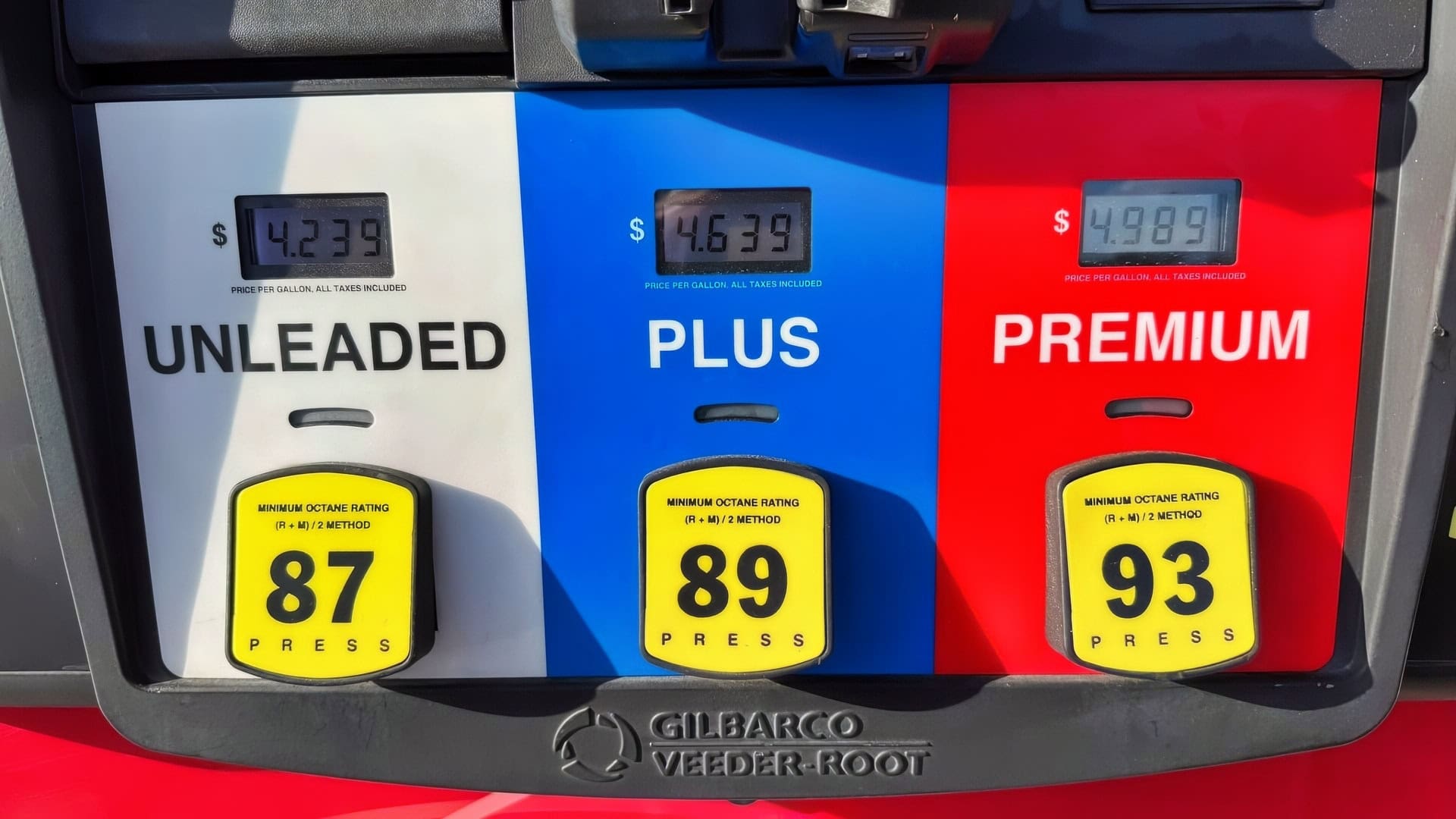
Gas Prices Outside of Walt Disney World. Taken by Harry J. Kazianis for 19FortyFive.com on 4/5/2026.
Four Regional Balances, Two Already Unraveling
Today, we face an increasingly unstable global security situation, with four key regional balances at play—two main ones in Europe and the Indo-Pacific, and two secondary ones in the Middle East and the Korean Peninsula. Europe and the Middle East are beginning to unravel as Russia’s invasion of Ukraine has shattered the last remnants of the rules and norms that Europe claims to still follow.
Meanwhile, the United States is now engaging Iran, potentially turning a simmering conflict into a protracted full-scale war. To keep up with the pace of the campaign, the Pentagon has had to pull AMD systems from other theaters, weakening deterrence there and giving Russia, China, and North Korea an opportunity to test U.S. security guarantees.
Wars in One Region Reshape Power Dynamics Everywhere
Even more concerning, this isn’t just a conflict in the Middle East because wars in one region affect other power dynamics and shape the global strategic environment.
Moscow continues to actively assist Iran, with reports that Russian targeting data has helped Iran’s missile strikes against U.S. forces. China remains Iran’s main economic partner and a source of technology. Both are closely monitoring the effectiveness of U.S. forces and weapons as they evaluate how the depletion of U.S. munitions might give them an advantage. After a period of relative calm, Chinese aerial activity around Taiwan has increased sharply since the Israeli and U.S. bombing campaign expanded in scope and intensity.
Russia is preparing for a spring offensive in Ukraine, counting on fewer U.S. missile interceptors Kyiv will get for its defenses. And as the Trump administration implements a total blockade of the Strait of Hormuz, this regional conflict is bound to generate a response from other powers that depend on Gulf oil.
The Atlantic and Pacific Will Decide America’s Future, Not the Middle East
Historically, the United States has been slow to enter global conflicts, suffering the fewest casualties and being best positioned to influence postwar political settlements. Over the past two decades, our strategists have seemed to overlook the costs of large-scale military operations, especially in secondary theaters. The future standing of the American Republic in the world will depend on its power position in the Atlantic and Pacific theaters, not in the Middle East.
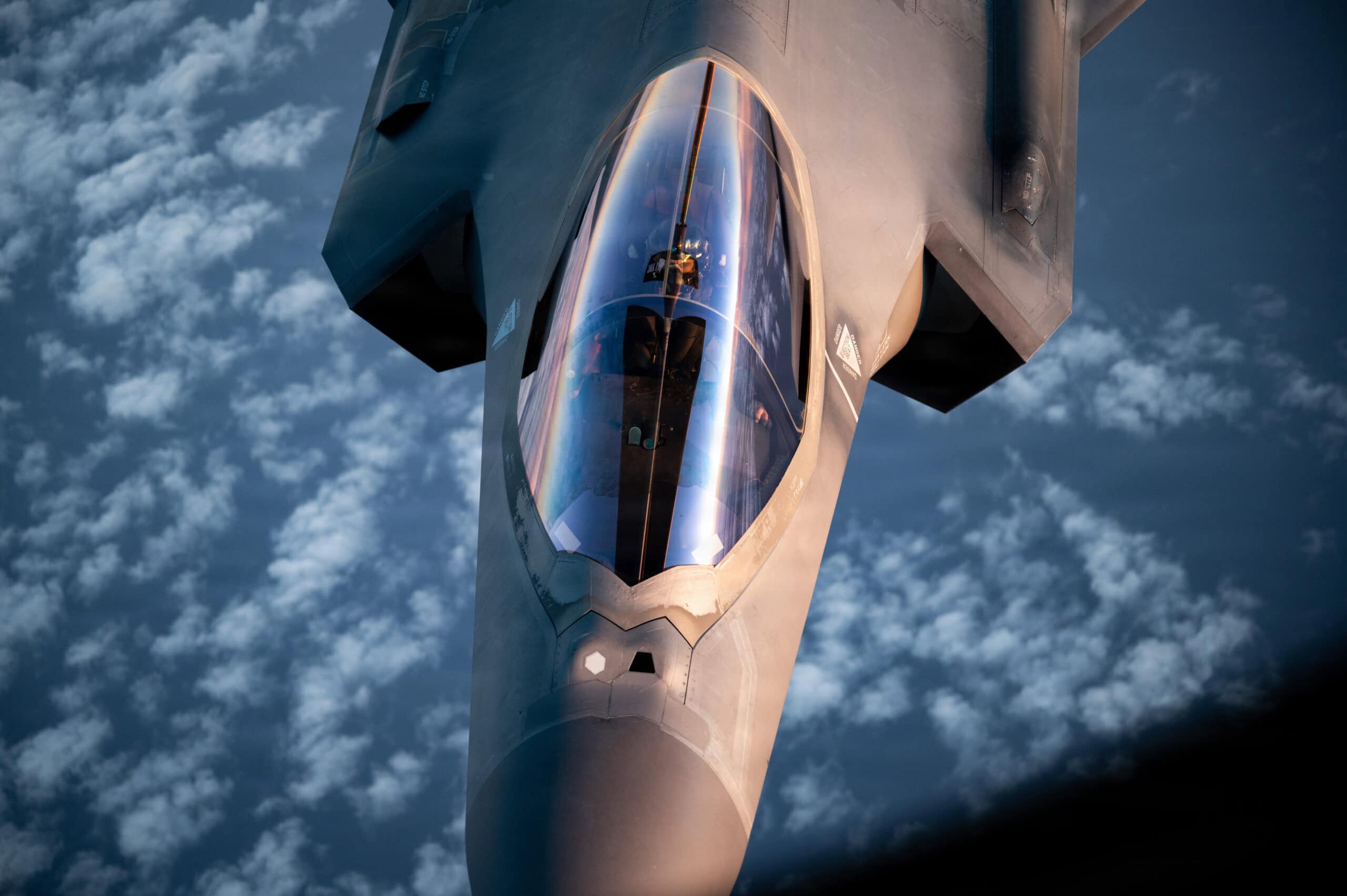
A U.S. Air Force KC-135 Stratotanker aircraft flies above a U.S. Air Force F-35A Lightning II aircraft during Operation Epic Fury in the U.S. Central Command area of responsibility April 5, 2026. (U.S. Air Force photo)
A viable national security strategy should focus on these theaters and carefully assess the resources the United States may need there to deter and, if necessary, defeat its main adversaries by prioritizing the military balance with Russia and China.
Unlike during the Cold War, when our leaders always asked not whether they had the power and resources to launch military action, but whether they should and what the potential consequences might be, since 9/11we have used the military against threats that often did not directly threaten vital U.S. interests.
It is true that Iran is a gangster state seeking regional dominance in the Middle East, but it is also true that without Russian and Chinese support, it will not succeed. Russia and China, aligned in their “no-limits partnership,” are America’s principal enemies; Iran plays a supporting role.
So, to paraphrase Omar Bradley, this war could perhaps be seen as a proxy war against the “right enemies,” but it is being waged at the wrong time and in the wrong theater.
A Secondary Front in a Primary Competition
The United States has once again been drawn into the Middle East to fight another regional conflict, just when peace was critically needed there. While significant, the region is ultimately part of the European theater, serving as a secondary front in the broader competition among great powers in the Atlantic and Pacific.
The United States’ ability to shape the future global security framework depends on maintaining deterrence in these two vital areas, while the primary goal in the Middle East should be to stabilize a region that has drained American resources during the two decades of the Global War on Terror.
Given Russia’s ongoing efforts to reconquer Eastern Europe and reassert influence on the continent, and China’s pursuit of dominance in the Indo-Pacific, Iran’s military capabilities—though substantial—did not pose a threat on par with those of Russia and China and should have been prioritized accordingly.
MORE – Nuclear Colossus: The U.S. Navy’s Aircraft Carriers are More Powerful Than Ever
About the Author: Dr. Andrew Michta
Andrew A. Michta is Professor of Strategic Studies at the Hamilton School at the University of Florida, a Nonresident Senior Fellow at the Atlantic Council in Washington, D.C., and a Visiting Fellow at the Hoover Institution at Stanford University. The views expressed here are his own.