
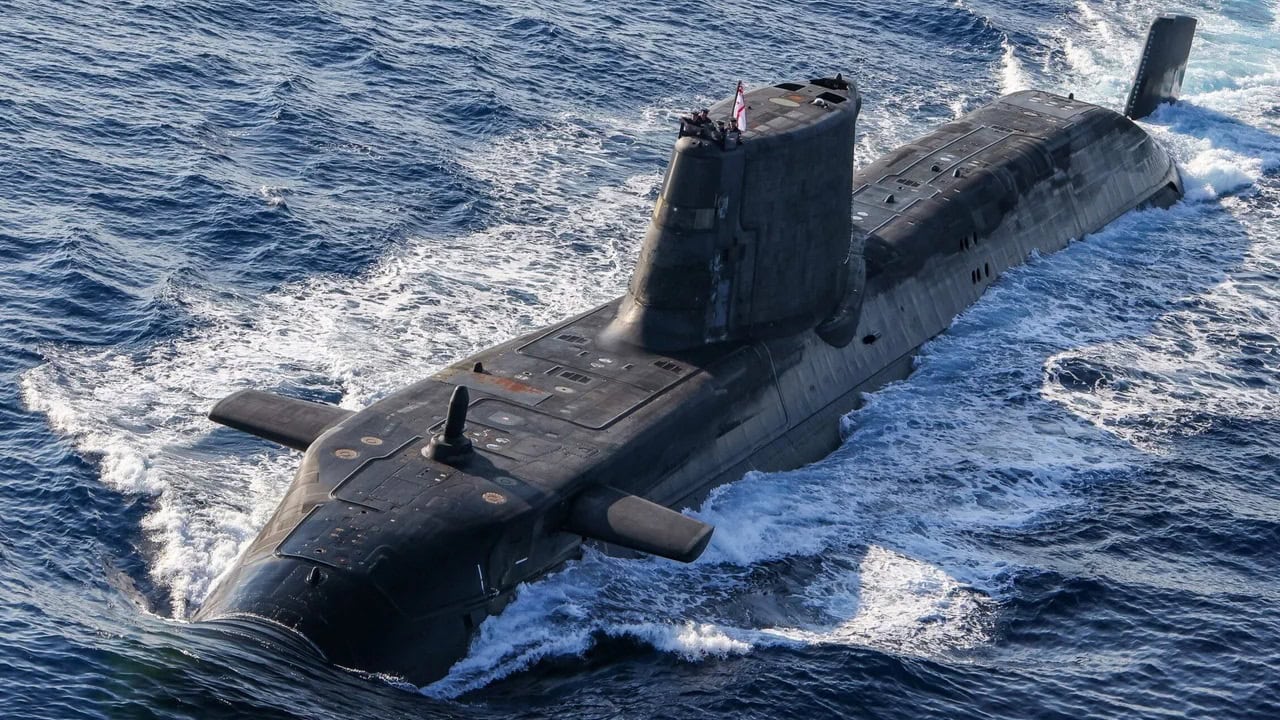
According to recent news from the UK, all five of its Astute-class nuclear attack submarines are currently stuck at port awaiting maintenance. This news came after years of reports warning the UK Ministry of Defense about the precarious state of the Royal Navy. The lack of these submarines is a huge blow to the island nation’s national security, which relies on the Astute-class to protect its undersea internet cables and ballistic missile submarines from threats, most notably from Russia. This development is the latest in a long line of humiliations for the Royal Navy, which has been in steady decline for the past several years.
Why London’s Nuclear Attack Submarines Are Out of Action
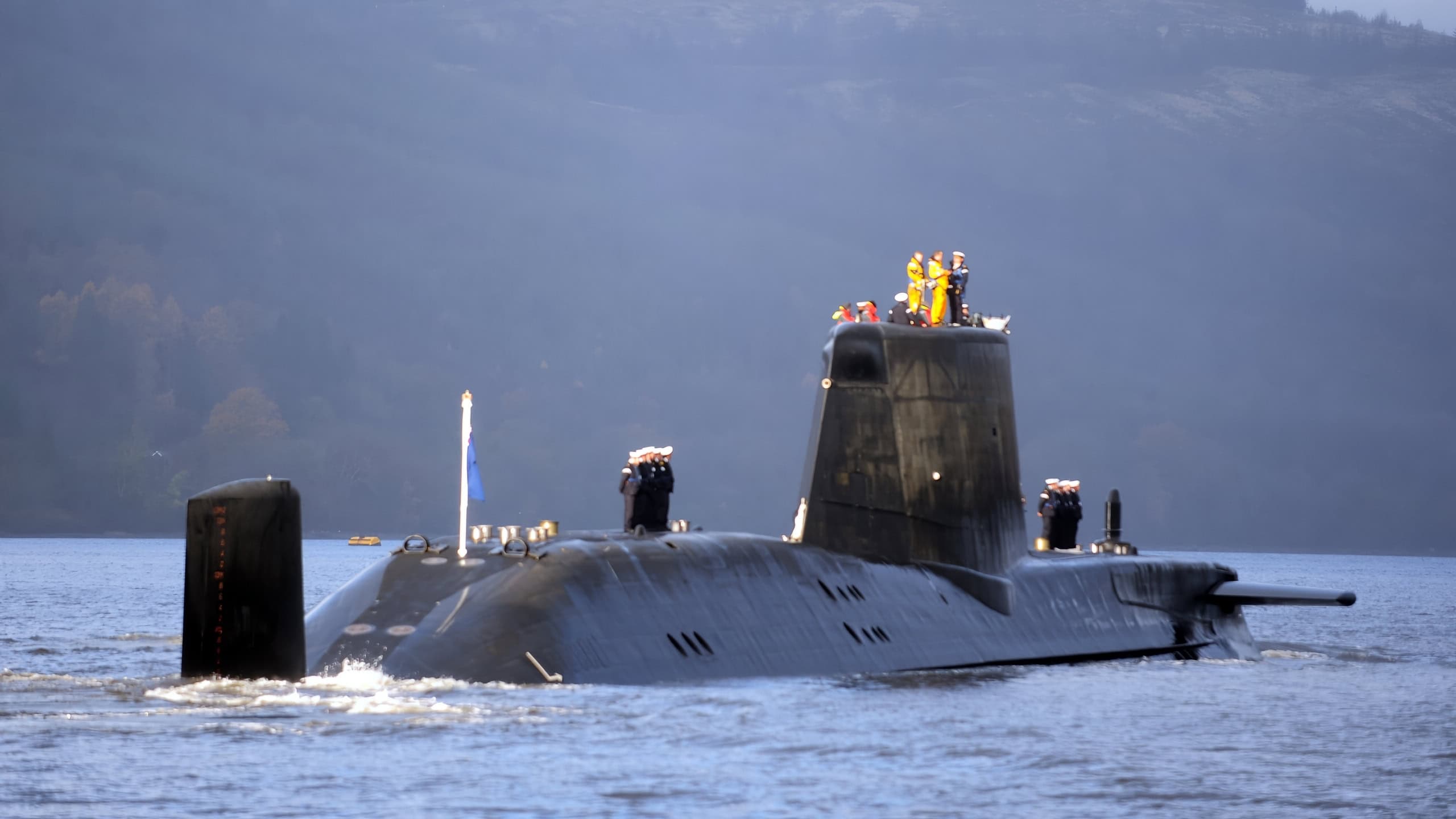
Astute-Class SSN Royal Navy
The sad state of London’s submarine forces was reported on Sunday, June 7th, noting that all five Astute-class submarines were stuck in port, awaiting maintenance and repairs. It had previously been reported that all ships were inactive, save for one: the HMS Anson.
Now, all five ships are currently inactive as the UK’s industrial base struggles to meet the country’s defensive needs.
As former British submarine captain Cdr. Ryan Ramsey explained: “There are only so many dry docks available… there’s limited availability of personnel with the skills needed to carry out the maintenance, and there are limited simulators to make sure that people are ready to go.” For years, the UK has operated on severely out-of-date infrastructure, resulting in crippling delays in maintenance and repair efforts.
These problems are not new for the Royal Navy. For more than a decade, the UK has struggled with maintenance delays, leaving only one submarine in the fleet at sea for an extended patrol. “So this is not unprecedented,” Ramsey continued.
“But it’s unprecedented in the fact that the number of submarines we have available to us now is so low, and the context is that Russia is increasing its activity and the world is less safe than it’s ever been.” The House of Commons Library has been ringing the alarm bells for many years about the shortage of skilled personnel at the UK’s shipyards and the lack of suitable space for maintenance work.
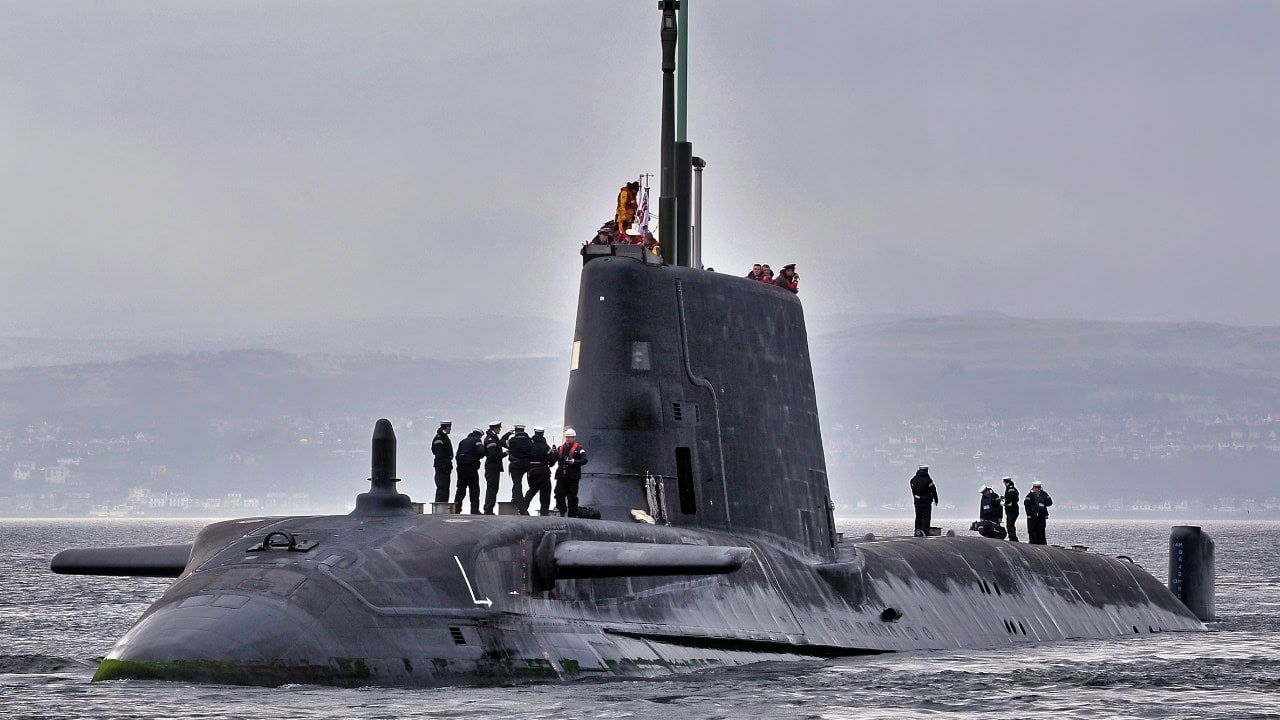
Astute-Class Submarine. Image Credit. Creative Commons.
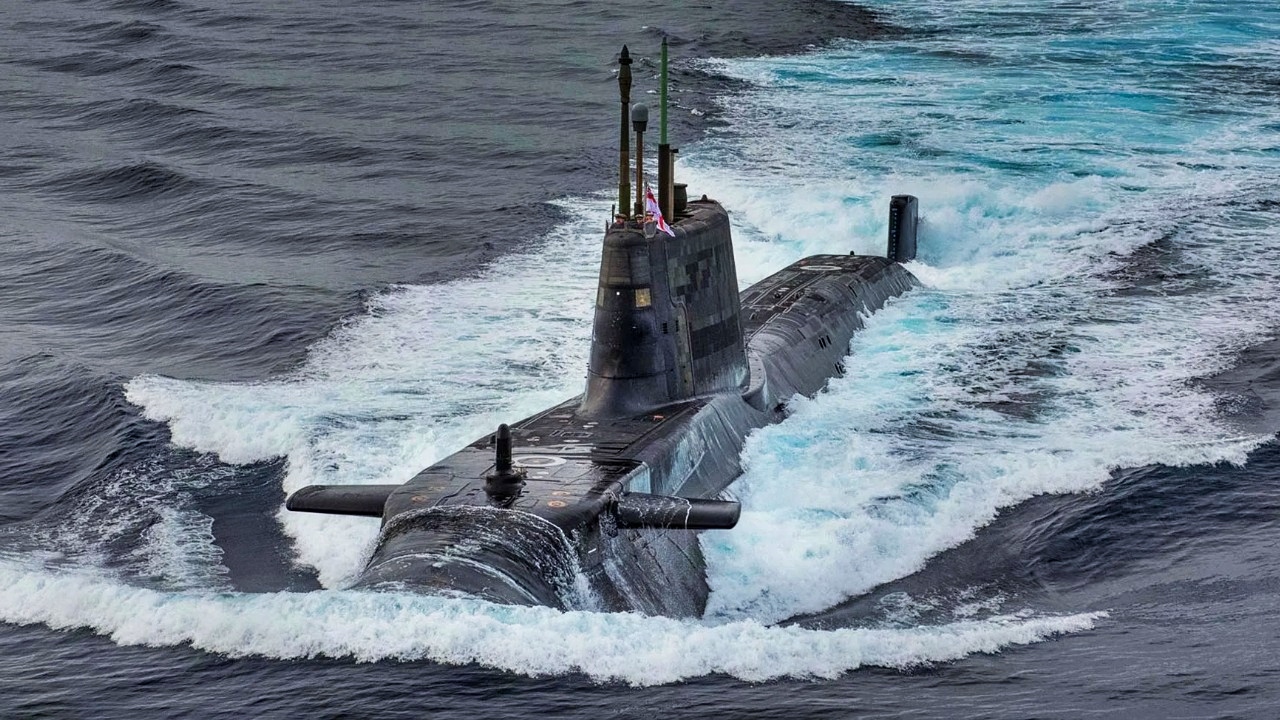
Astute-Class Royal Navy Submarine. Image Credit: Royal Navy.
Running out of Money: Business & Industrial Challenges for Astute-Class
The core issue is a lack of funding across the board for national security. Despite efforts to encourage the government under PM Keir Starmer to increase defense spending, the UK has been cautious about increasing spending, even as vital infrastructure continues to decay without modernization.
The government’s Defense Investment Plan (DIP) was supposed to outline the Ministry of Defense’s budget.
However, due to disagreements, the plan has been delayed, leaving critical sectors of the Royal Navy, particularly its shipyards, without significant funding.
As a result, John Healey, the former Secretary of Defense, resigned his post on Thursday, June 11, and blamed Starmer and the government for being unable and unwilling to “commit the resources that the nation needs to defend the country at this time of rising threats.”
In his public resignation letter, Healey said that without significant defense funding, he was “forced to make decisions that would reduce the readiness of our forces and increase the risk to personnel on operations, and could make our country less safe.”
Healey’s resignation and the current state of the Astute-class are two very grim signposts pointing to the depressing state that the UK Armed Forces now find themselves in.
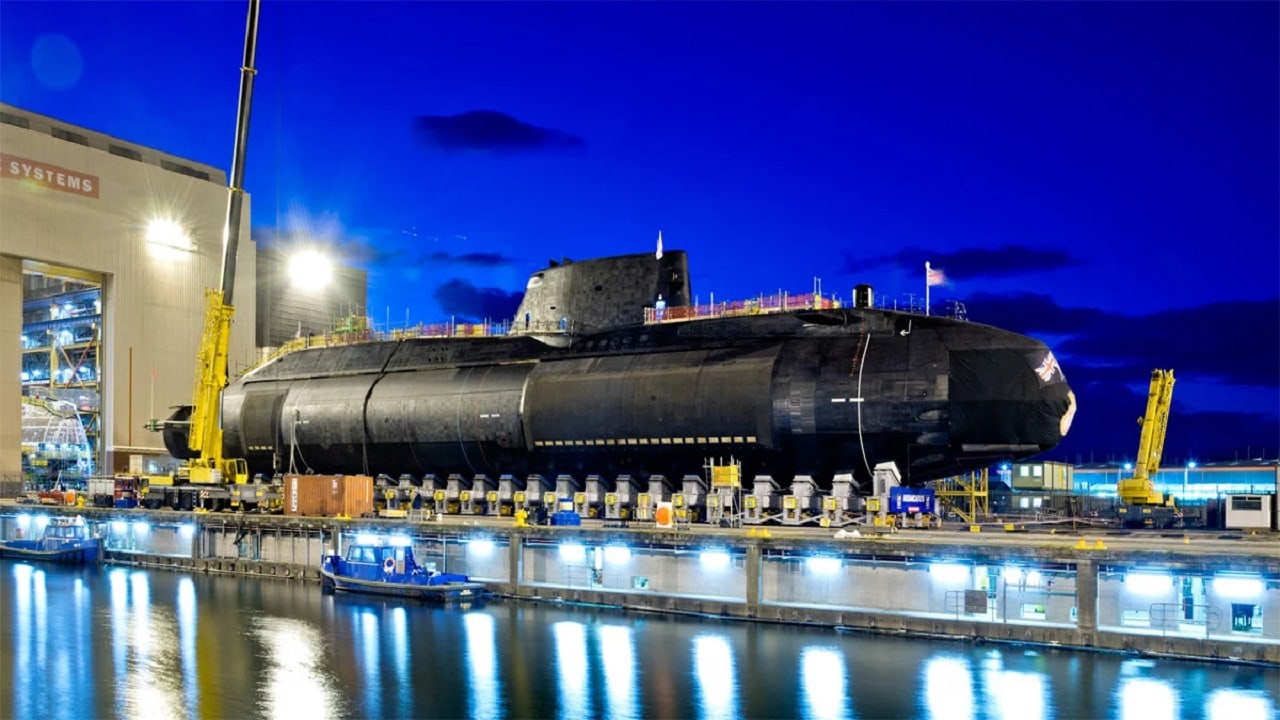
Astute-class Submarine. Image Credit: BAE Systems.
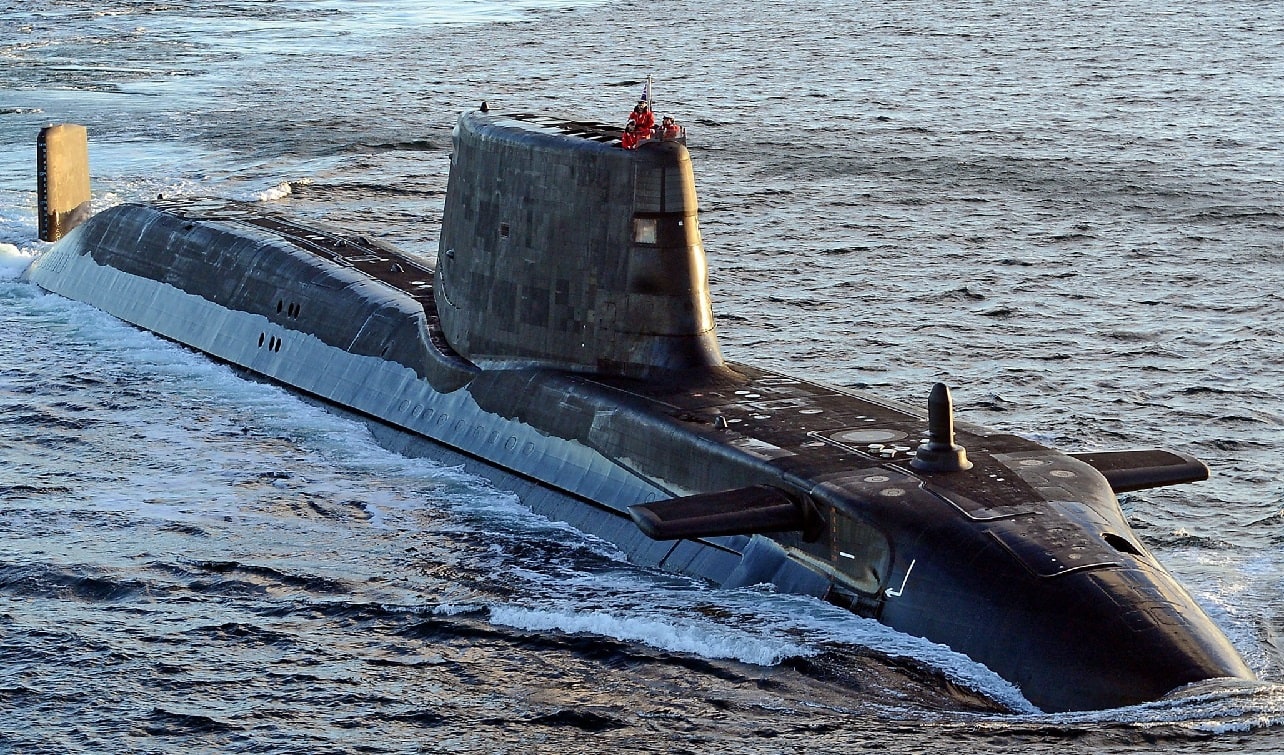
Astute class submarine HMS Ambush is pictured during sea trials near Scotland. Ambush, second of the nuclear powered attack submarines, was named in Barrow on 16 December 2010 and launched on 5 January 2011.
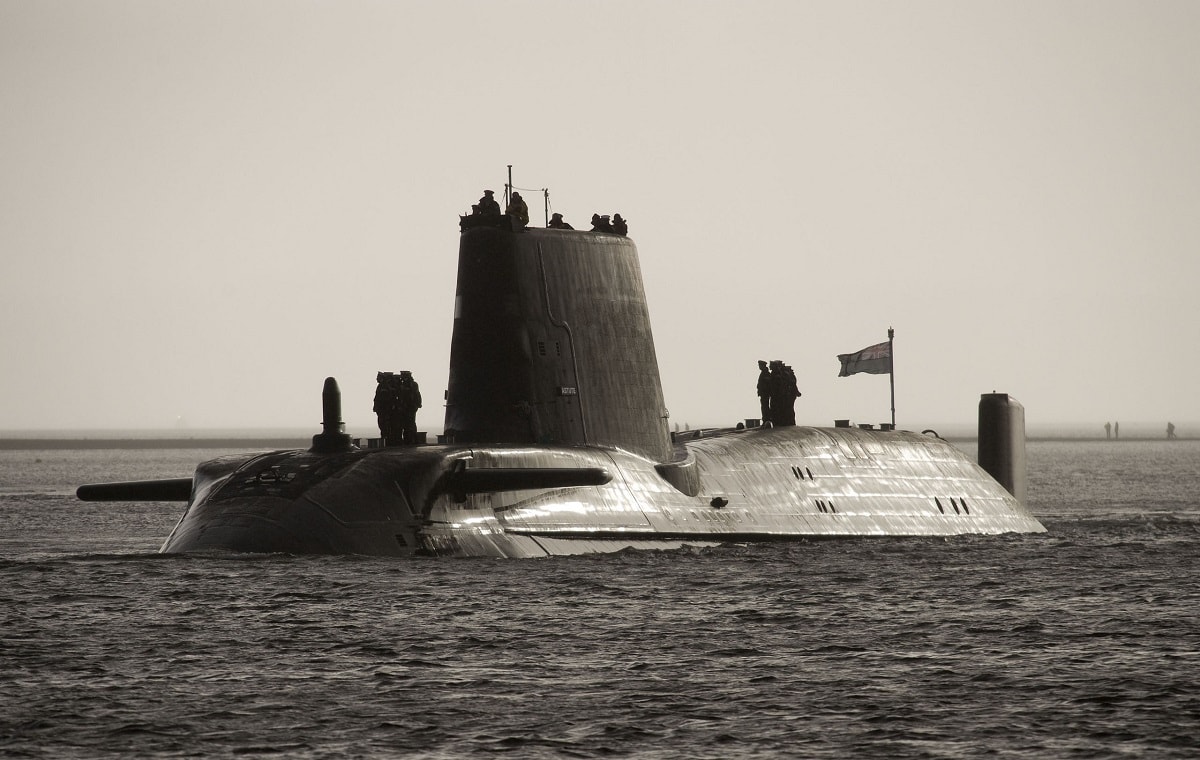
Image of Astute-class Submarine. Image Credit: Creative Commons.
Despite the government’s unwillingness to raise defense spending, the UK has been sounding the alarm on the threat posed by Russia. In recent comments, the British Chief of the Defense Staff, Sir Richard Knighton, warned that the Russians were probing the UK’s defenses and “raising the stakes.” “I’m very clear that this is the most dangerous time I have known in my working life.
The risks and threats to this country are greater than I have known since the Cold War,” he stated. The Astute-class submarines play a vital role in the nation’s defense, protecting the Royal Navy’s nuclear ballistic missile submarines and the nation’s undersea infrastructure.
Without these submarines, the UK faces an increased threat from Russian attacks and sabotage.
Dark Clouds on the Horizon
The UK is now facing a difficult choice. It can choose to maintain the current course at the expense of national security, or it can increase defense spending at the expense of welfare and social services.
As Nikita Podgornov, a Russian foreign affairs expert, put it, “John Healy left because Britain has no money. It is not that Starmer and the British elites did not support militarism and the expansion of all kinds of military budgets. It can either spend a huge amount of money on defense, or at least somehow keep the economy and social services afloat.” The UK currently spends around 24% of all government expenditure on welfare. It can either maintain this budget or cut it in favor of defense spending.
In short, the Astute-class submarines are among the many casualties in a much broader metaphorical conflict currently raging in London.
The government has limited funds. It can choose either to maintain its welfare state or increase defense spending. The UK cannot do both at the same time.
While the debate rages on, London’s nuclear attack submarines remain docked, waiting for repairs and unable to protect the nation’s shores. Everyone in London is aware of the problem and the threat posed by Russia, but no one seems able or willing to correct course.
About the Author: Isaac Seitz
Isaac Seitz, a Defense Columnist, graduated from Patrick Henry College’s Strategic Intelligence and National Security program. He has also studied Russian at Middlebury Language Schools and has worked as an intelligence Analyst in the private sector.