
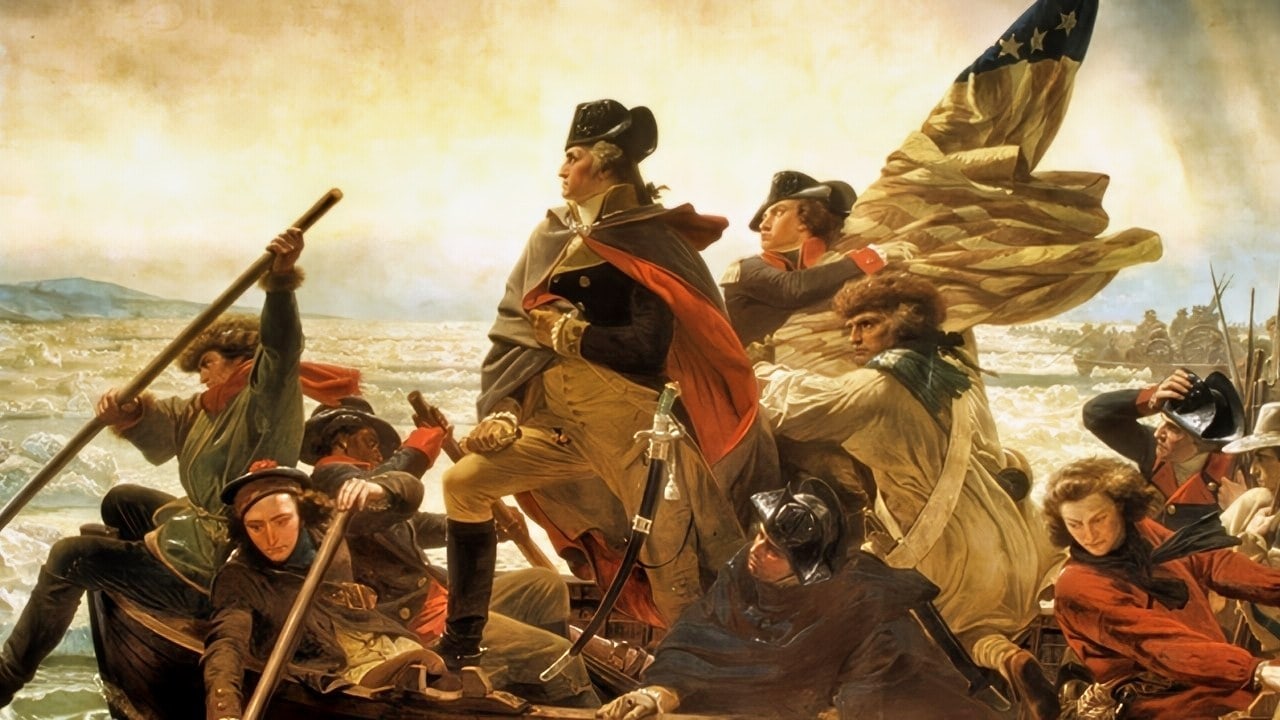
Quote of the Day from General and President George Washington Still Shapes America in 2026
“If we desire to secure peace, one of the most powerful instruments of our rising prosperity, it must be known that we are at all times ready for War.” – By George Washington
George Washington is one of the most important and influential figures in American history. He led the United States Army during the Revolutionary War and later became the first President of the U.S.
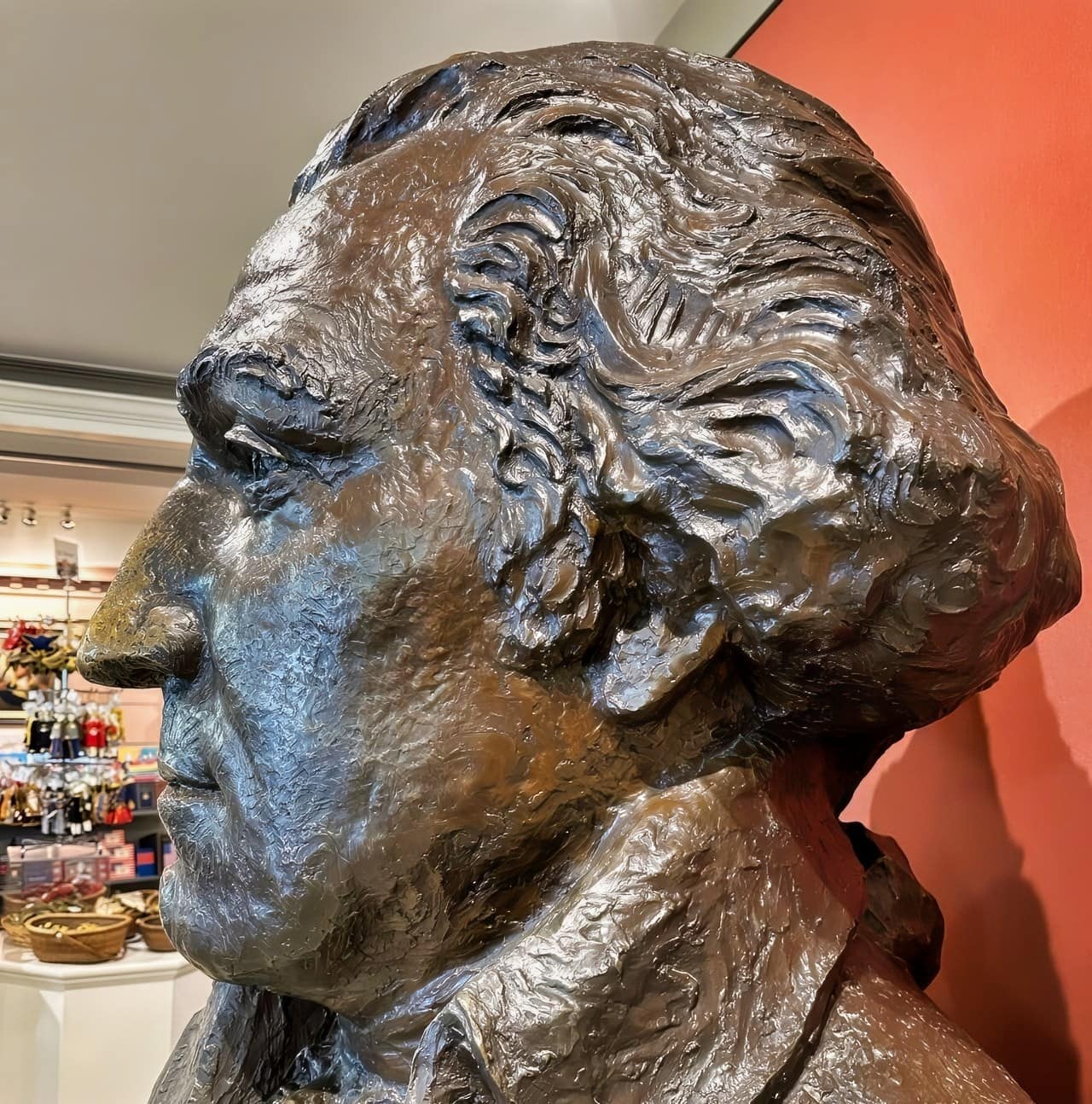
George Washington Bust at Mount Vernon. Image taken by Harry J. Kazianis for 19FortyFive back in 2022.
Despite this, Washington was a humble man. He never wanted all that power and responsibility; he only wanted to return home to Mount Vernon and resume a relatively normal life. However, when he was unanimously elected as President, he reluctantly assumed his post, seeing it as his duty to the general will of the people.
Washington, the War Hero
When the Continental Congress unanimously appointed him to lead the revolutionary forces in June 1775, Washington accepted with characteristic humility. He refused a salary for his service and instead requested only reimbursement for expenses, a gesture intended to show that his commitment stemmed from civic duty rather than personal ambition.
Throughout the Revolutionary War, Washington confronted immense obstacles. He commanded an underfunded, poorly supplied, and often inexperienced force while facing the British Empire, one of the strongest military powers of the era.
Washington endured strategic defeats, logistical nightmares, political turmoil within the Continental Congress, and the ongoing challenge of holding a fragile coalition of states together.
Yet despite these difficulties, Washington provided the consistent leadership necessary to sustain the revolutionary cause.
His perseverance during the winter at Valley Forge, his strategic patience when resources were scarce, and his willingness to adapt were as important as any battlefield victory.

George Washington Portrait. Image Credit: Creative Commons.
The ultimate triumph at Yorktown in 1781, supported by French naval power and American coordination, secured Washington’s place as a national hero. However, it was not victory on the battlefield that elevated him to near-mythic status; it was arguably his conduct at the war’s end.
In December 1783, Washington traveled to Annapolis to resign his commission to Congress. At a time when victorious generals throughout history had used their military power to seize political authority, Washington chose to relinquish command and return to private life at Mount Vernon.
This act stunned the world. Even King George III reportedly declared that if Washington gave up power voluntarily, he would be “the greatest man in the world.”
Returning to Normal Life
Washington hoped to retire permanently to private life, but the new nation found itself struggling under the weak, decentralized Articles of Confederation. Economic instability, conflicts between states, and the national government’s inability to enforce laws or raise revenue all signaled a fracturing system.
Many leaders feared that the revolution’s gains could be lost unless a stronger federal framework could be created. Washington initially resisted returning to public life, aware that his presence would draw attention and set expectations he was not eager to fulfill. Yet he also recognized the dangers facing the nation and gradually accepted that he could not refuse the call to serve.
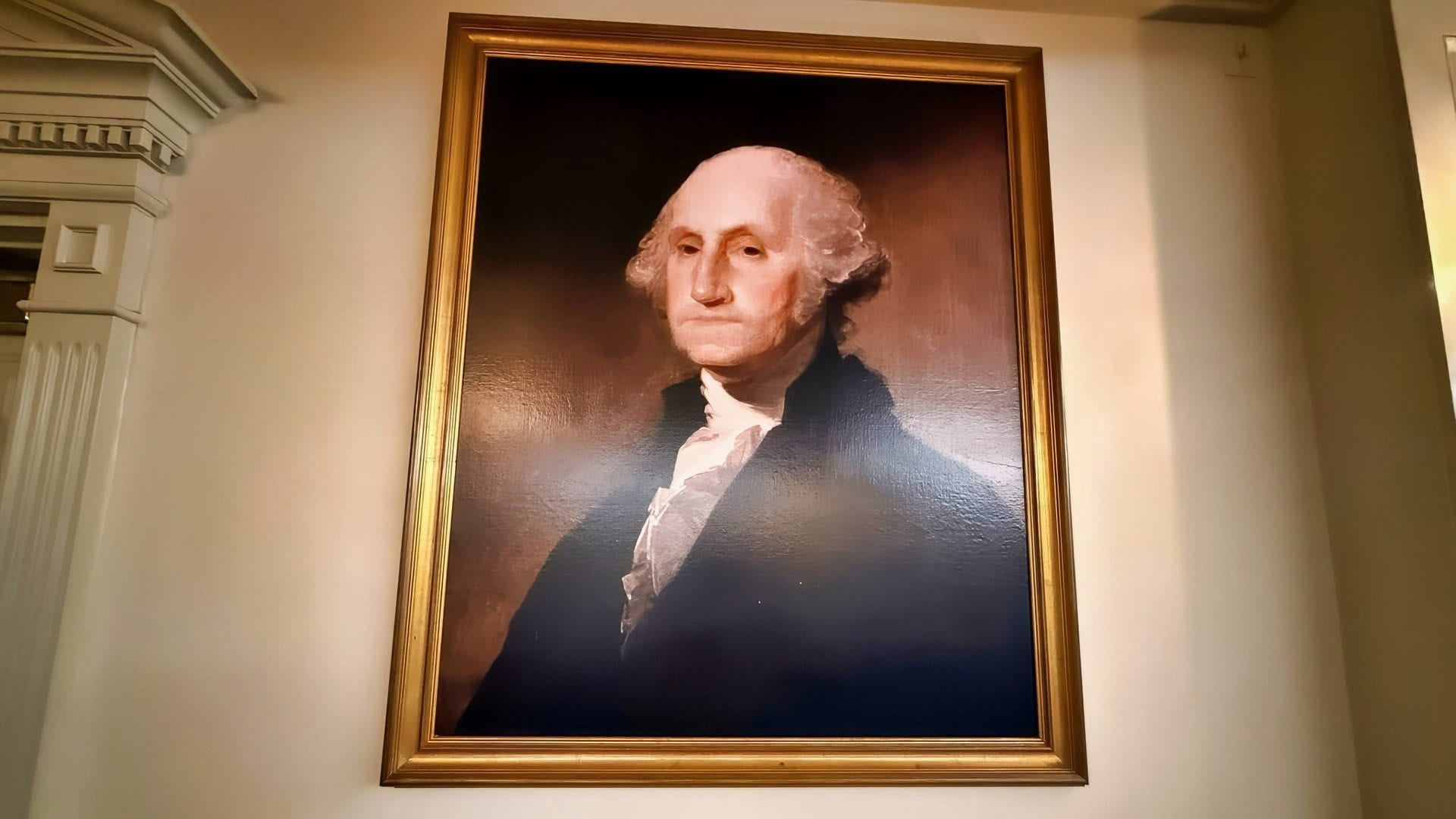
George Washington At Hall of Presidents at Walt Disney World. Image Taken by Harry J. Kazianis for 19FortyFive.com
When the Constitutional Convention convened in Philadelphia in 1787, Washington’s reputation as a man of integrity and moderation made him the natural choice to preside over the proceedings. He was unanimously elected president of the convention.
Although he spoke little during the debates, his role was crucial; his presence reassured delegates that the new Constitution would not be manipulated by self-serving interests. Many Americans later supported ratification of the Constitution because they trusted Washington to lead the government it created.
The First Presidential Election in U.S. History
Once the Constitution had been approved and the new federal government was prepared to operate, Washington was the unavoidable choice for the presidency. In the first presidential election of 1789, he received every electoral vote, a unanimous decision that has never been replicated.
Washington accepted the new responsibility reluctantly, fully aware that the office of the presidency was undefined and that every decision he made would carry long-lasting implications. His journey to New York City, the temporary capital, became a symbolic procession of national hope. Citizens lined the roads to greet him, offering not just admiration but a palpable sense of relief. The nation needed stability, and Washington embodied it.
Washington’s presidency required him to adapt to an entirely different form of leadership from his military role. As a general, he issued commands within a clear hierarchical structure.
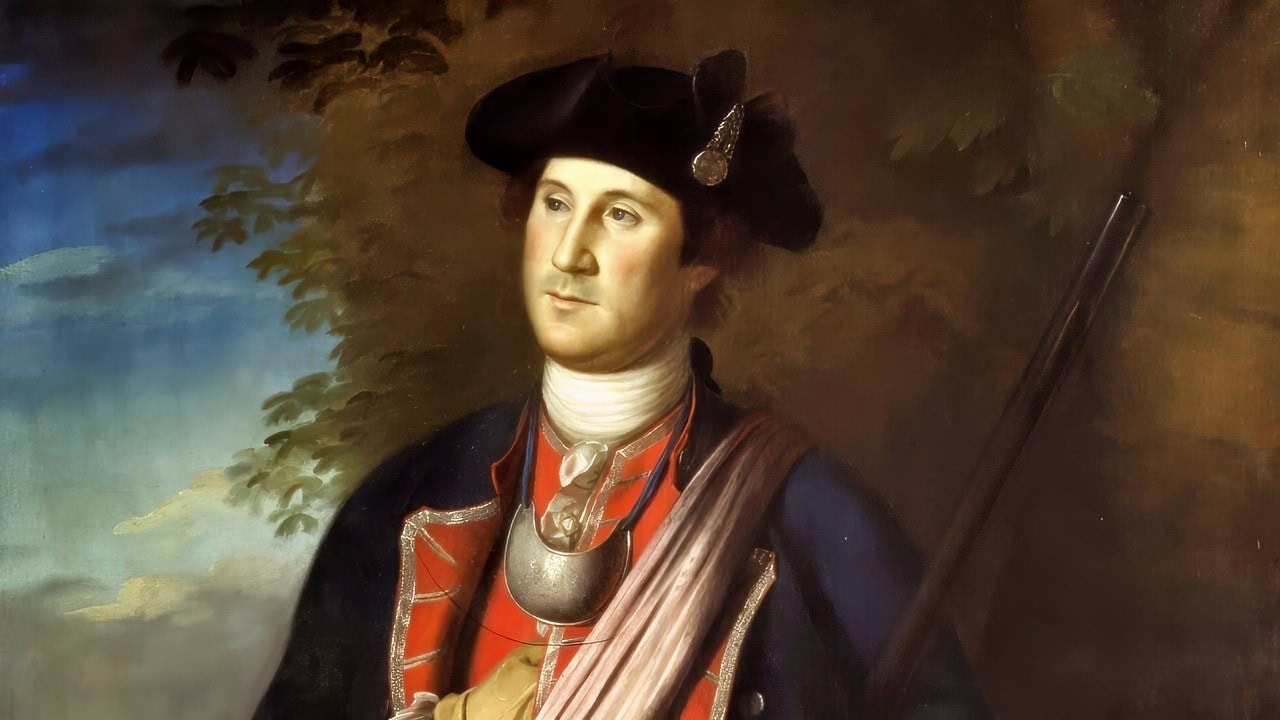
General George Washington Portrait. Image Credit: Creative Commons.
As president, he operated within a system of separated powers, with Congress, the courts, state governments, and public opinion all influencing outcomes. The Constitution outlined the executive branch’s duties only briefly, leaving Washington to define the practical workings of the presidency largely on his own. He approached this task with deliberate caution, aware that any misstep might establish a poor precedent.
Leading by Example
One of his earliest accomplishments was forming a presidential cabinet, an institution not mentioned in the Constitution but essential for effective administration. Washington chose talented and often ideologically opposed figures, such as Thomas Jefferson and Alexander Hamilton, believing that a diversity of viewpoints would strengthen the young government.
His careful selection of advisors was an extension of the strategic thinking he had developed as a military commander, but now applied to political governance.

Monticello Thomas Jefferson Original Image. Image by Christian D. Orr/19FortyFive
Washington’s presidency also required him to navigate emerging political factions, an aspect of governance that he found deeply troubling. As Jefferson and Hamilton grew increasingly opposed on issues such as the national bank, federal authority, and foreign alliances, Washington attempted to remain above the fray.
He feared that factionalism would divide the republic, and his eventual Farewell Address warned the nation of the dangers of partisan conflict, foreign entanglements, and regional division.
MORE – Iran Claims to Hit U.S. Navy Aircraft Carrier
About the Author: Isaac Seitz
Isaac Seitz, a Defense Columnist, graduated from Patrick Henry College’s Strategic Intelligence and National Security program. He has also studied Russian at Middlebury Language Schools and has worked as an intelligence Analyst in the private sector.