

The Iowa-Class Battleship Will Never Leave Museum Duty: Back in August of 2025, I toured the Battleship Iowa Museum in San Pedro, California. Going aboard this vessel was a childhood dream of mine, and I was excited to finally make the trip to see her. You can see many of the photos I took in this article.
I walked away impressed, grateful, and a little sad, if I can be rather blunt.
No one who steps aboard USS Iowa fails to feel the ship’s weight, history, and brute force.
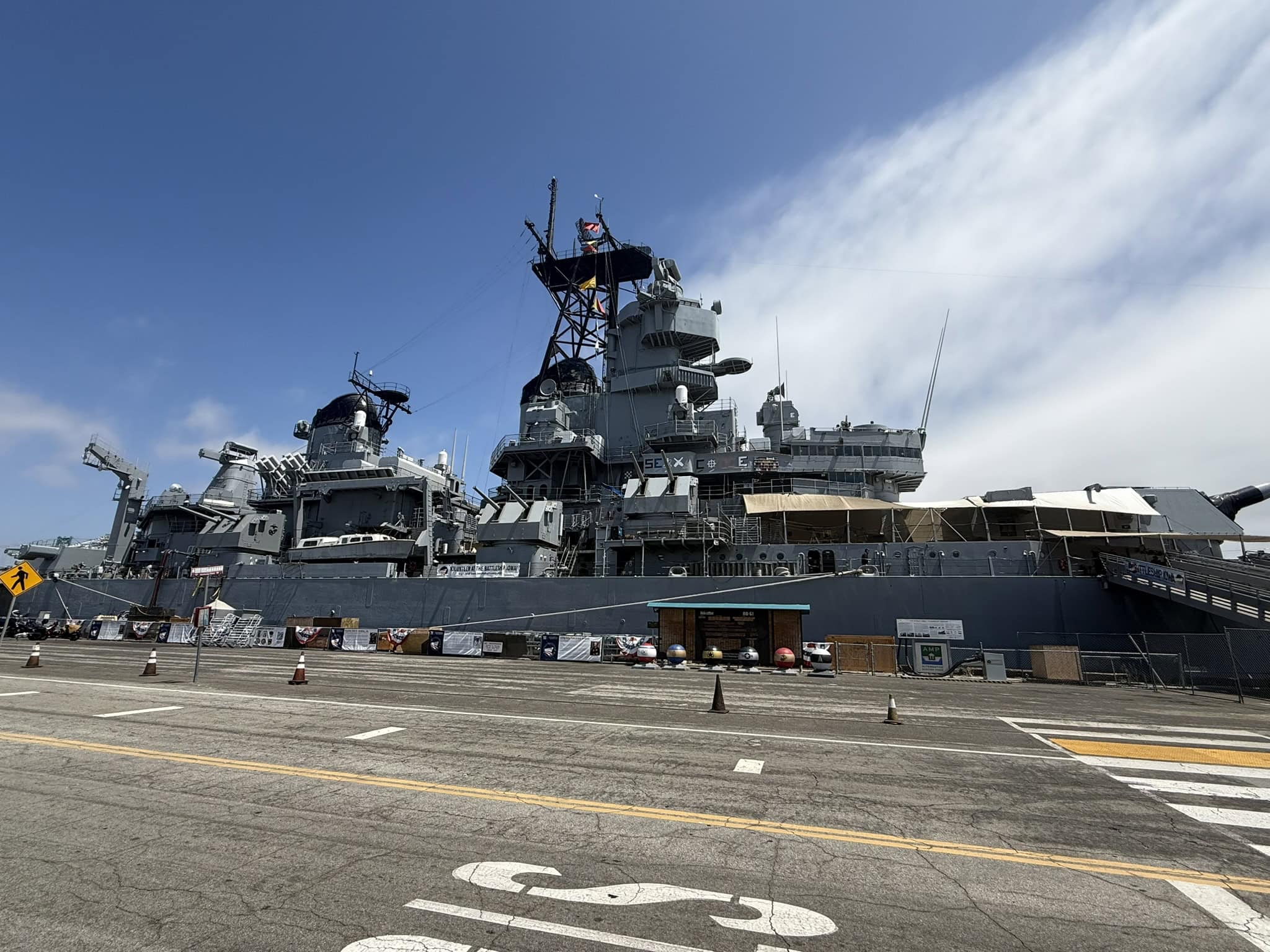
USS Iowa Battleship visit by Harry J. Kazianis for 19FortyFive.com. Taken back on August 15, 2025.
You don’t stand near those 16-inch guns and shrug. I used to dream about them panning over old Jane’s Fighting Ships books at my local library back in Rhode Island.
You feel a nation’s old steel confidence in every inch of the hull.
USS Iowa: In Rough Shape
Still, one truth hit me almost at once. She was not in the best shape.
Parts of the ship looked tired.
The wood underfoot looked rough.
Age showed through the skin of the old battlewagon. None of this reflected poorly on the museum crew, who were very kind to me.
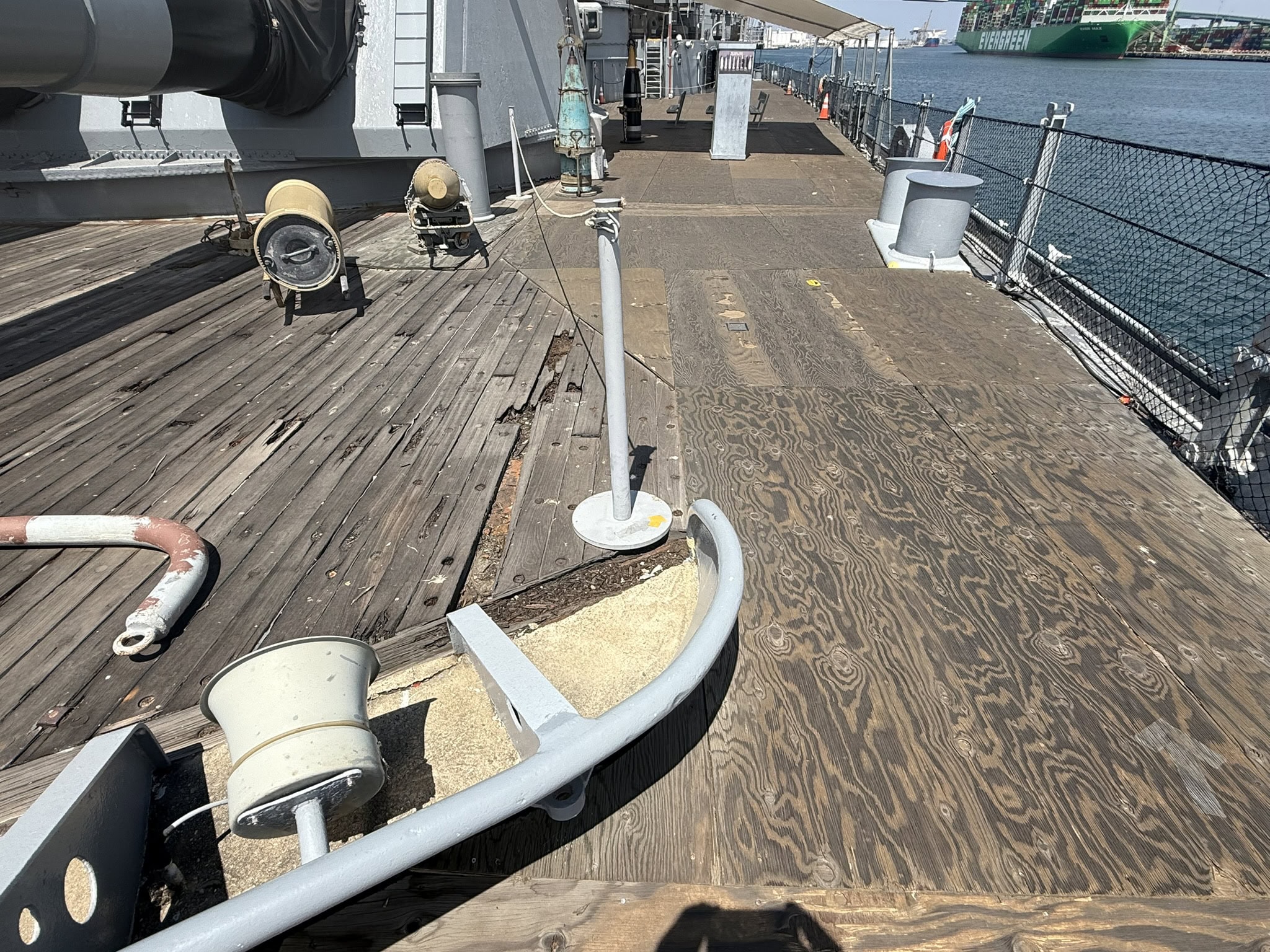
USS Iowa Battleship visit by Harry J. Kazianis for 19FortyFive.com. Taken back in August 15, 2025.
Quite the opposite. The people who keep Iowa alive fight an uphill battle against time, salt air, corrosion, and the brutal cost of preserving an 887-foot warship.
The museum itself has said the decks were in “terrible condition” and chose to prioritize hull work because a deteriorated hull poses a greater danger to the ship’s future. The museum laid out the choice in plain English. In earlier preservation updates, the organization also described corrosion and pitting along the wind-and-water line, including areas with more than a quarter inch of material loss. Their own hull-preservation reports spell out the problem.
Walking those decks drove home a larger point. The Iowa-class battleships were among the finest warships the United States ever built. They also belonged to a different age. And they should never come back to active service.
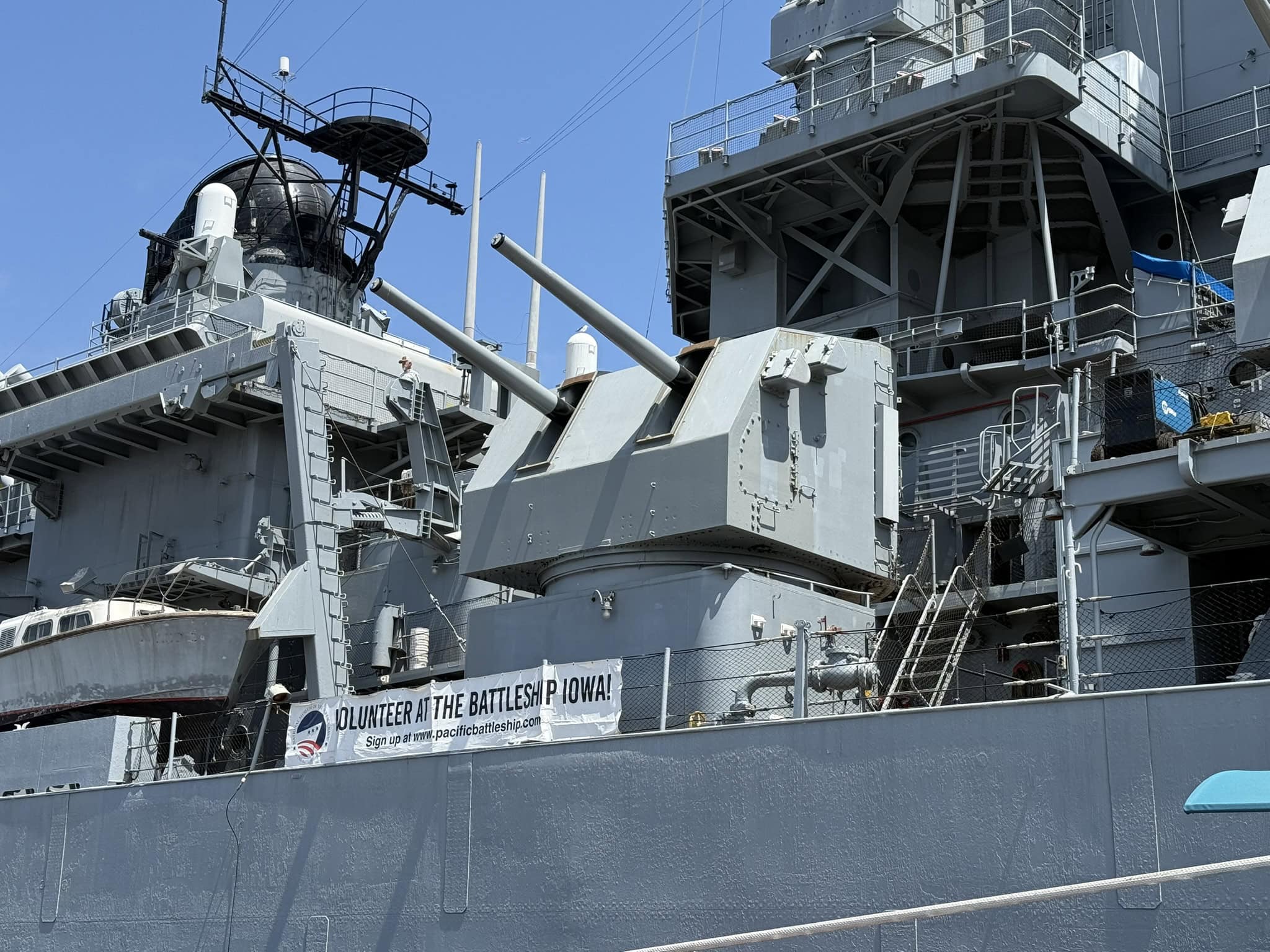
USS Iowa Battleship visit by Harry J. Kazianis for 19FortyFive.com. Taken back in August 15, 2025.
Their retirement did not come from one bad decision or one narrow budget drill. The Navy retired them because the strategic environment changed, the fleet changed, and the cost of keeping giant gun battleships in front-line service no longer made sense.
The Fast Battleship America Needed
The Iowa-class came from a simple wartime demand: build a battleship fast enough to run with carrier task forces and strong enough to hit like a sledgehammer.
The Navy got exactly what planners wanted. The class paired 33-knot speed with nine 16-inch/50-caliber guns and heavy armor in a hull large enough to dominate almost any surface fight afloat.
The four completed ships, Iowa, New Jersey, Missouri, and Wisconsin, entered service in 1943 and 1944. Naval History and Heritage Command notes USS Iowa entered service in February 1943, while USS Missouri entered service in June 1944 and later became the site of Japan’s formal surrender in Tokyo Bay. The Navy’s own history of the surrender ceremony records the event.
These ships arrived late enough in World War II to serve more as fast carrier escorts and shore-bombardment platforms than as classic line-of-battle dreadnoughts. Naval warfare had already turned in a new direction. Aircraft carriers had pushed the battleship off center stage.
Even so, the Iowas still mattered. They protected fast carriers, shelled enemy positions, and carried a mix of speed, armor, endurance, and gunfire no one else matched.
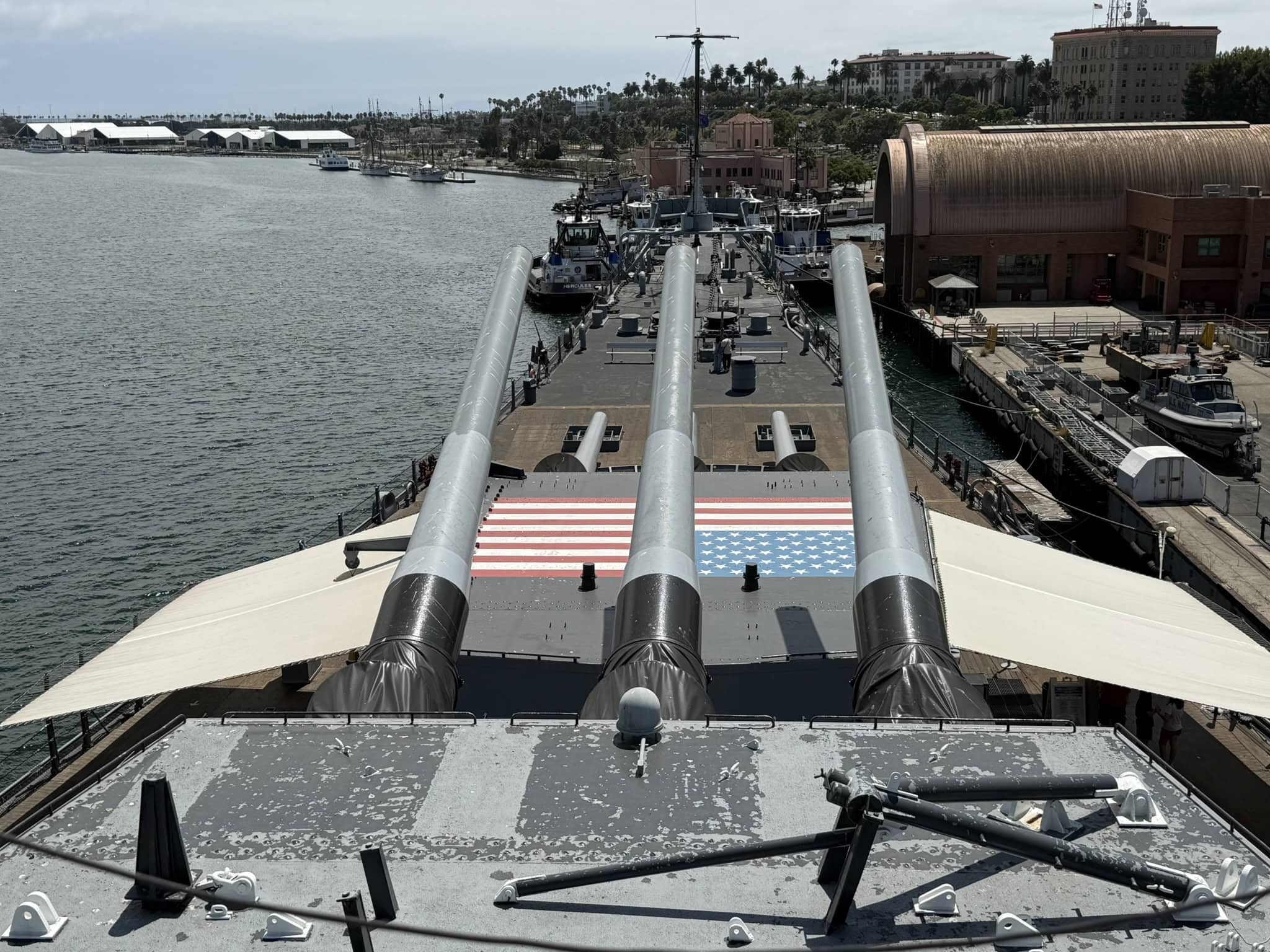
USS Iowa Battleship visit by Harry J. Kazianis for 19FortyFive.com. Taken back on August 15, 2025.
Their service did not end with World War II. USS Iowa returned for the Korean War and bombarded targets along the Korean coast. Naval History and Heritage Command’s history of the ship places her in combat off the coast of Korea, striking targets around Songjin, Hungnam, and Kojo. USS New Jersey became the only battleship recalled for Vietnam, where she fired on targets ashore in 1968. The Navy’s history of USS New Jersey states outright that she was the only battleship recalled to duty during the war.
Iowa-Class: Why Washington Brought the Big Guns Back
The class got one more life during the Reagan defense buildup. The logic made sense in Cold War terms. The United States wanted a larger fleet, more visible sea power, and more strike options against the Soviet Union. Naval History and Heritage Command’s centennial monograph points to the 600-ship push and the recommissioning of the four Iowa-class battleships as part of the greater effort. The official history captures the strategic backdrop.
The Reagan-era rebuild did not drag the ships out of mothballs unchanged. The Navy gave them a hybrid loadout for a missile age. Each battleship kept the 16-inch guns and gained Tomahawk land-attack missiles, Harpoon anti-ship missiles, and Phalanx close-in weapons systems. Parts of these systems are still on the USS Iowa today, you can see the images below.
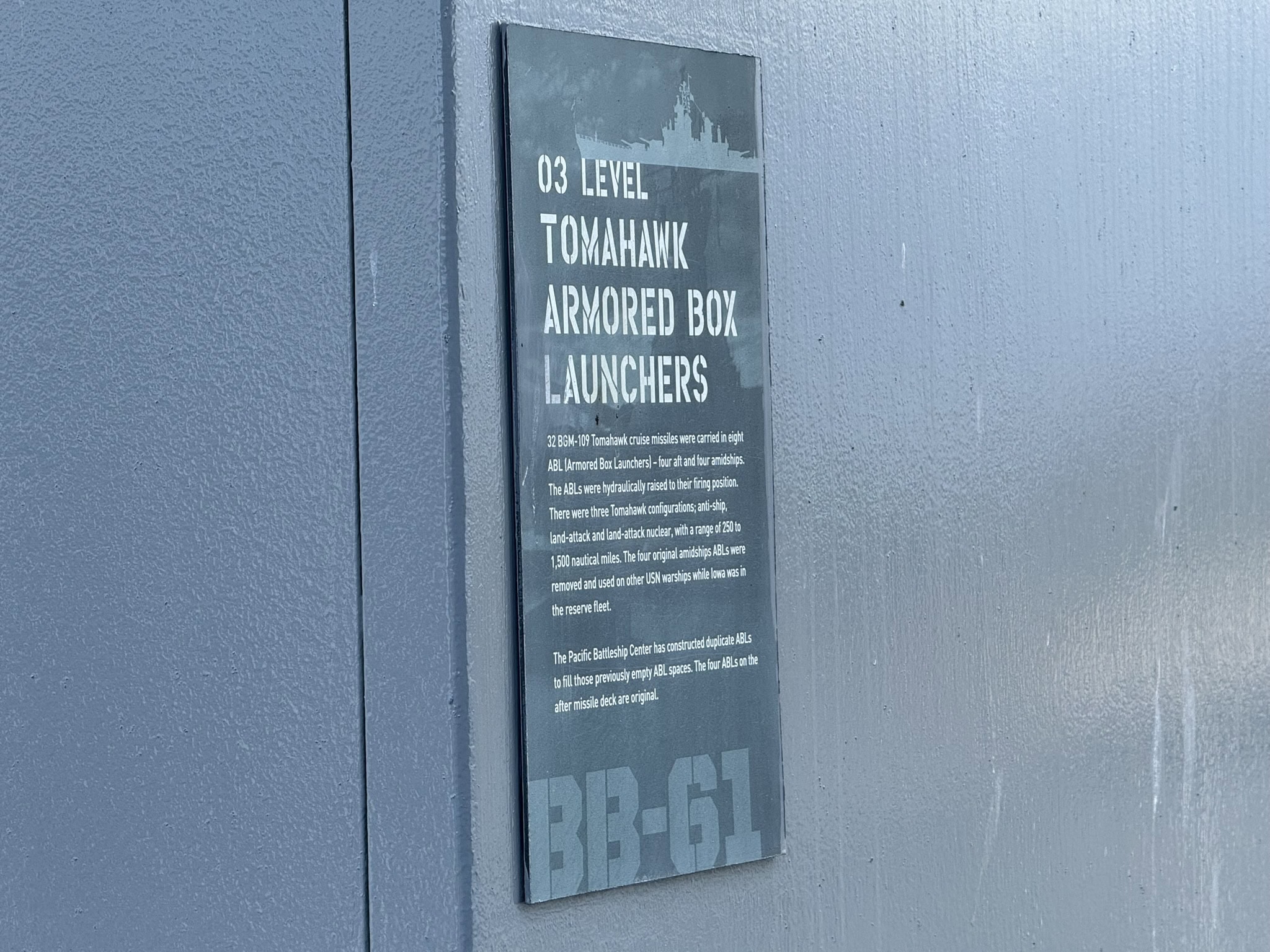
Tomahawk Box on USS Iowa. 19FortyFive.com Image.
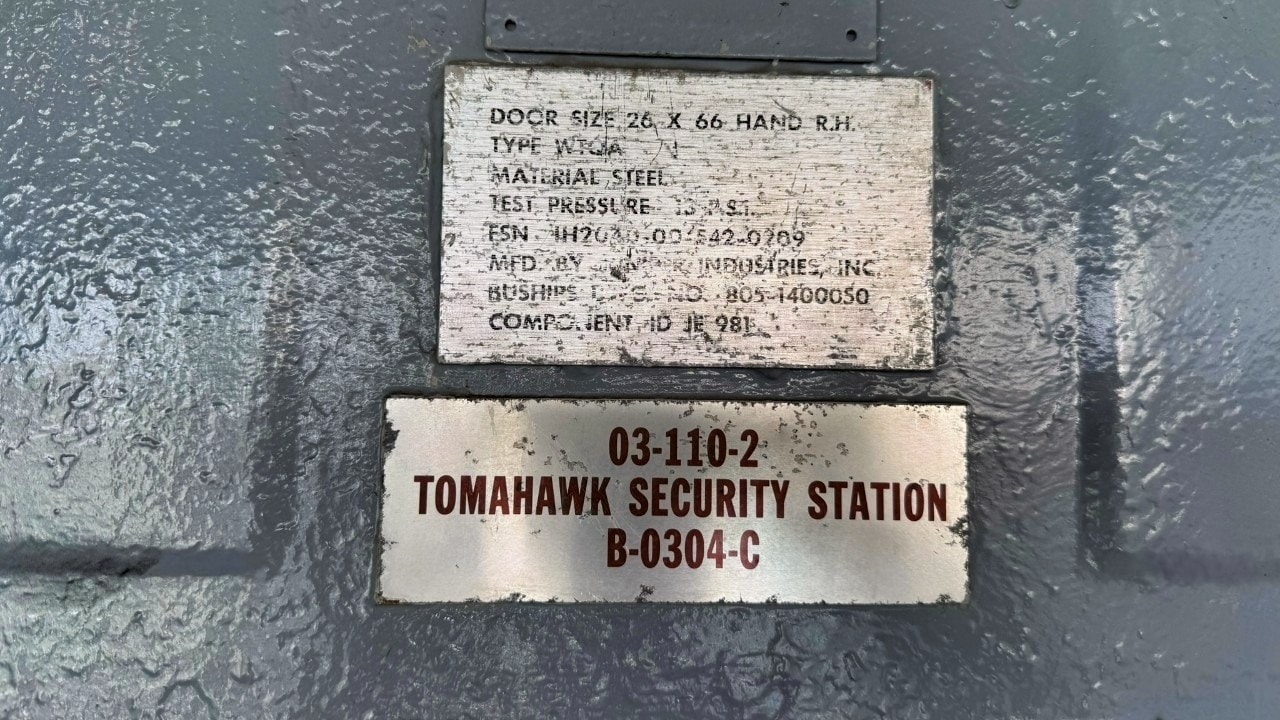
Battleship USS Iowa Tomahawk Missile Container. Taken by Harry J. Kazianis for 19FortyFive.com abord USS Iowa.
A 1999 GAO review noted that during the 1980s, the Navy spent about $1.7 billion to modernize and reactivate all four ships.GAO’s review of naval surface fire support laid out those numbers. In other words, the Navy bought more than nostalgia. The service bought floating strike platforms with huge magazines, heavy armor, and enormous psychological value.
And the old battlewagons still produced combat power. USS Missouri and USS Wisconsin fired Tomahawks and 16-inch guns during Operation Desert Storm. Naval History and Heritage Command’s Desert Storm material on Missouri and its Gulf War material on Wisconsin show both ships still had fight left at the start of the 1990s.
Why the Navy Retired Them Anyway
So if the ships still had punch, why did the Navy walk away?
Why not bring them back, as so many experts, including yours truly, have asked for?
Let me start with the simplest answer: the Cold War ended.
Once the Soviet Union fell apart, the political and budget case for keeping giant battleships in commission weakened fast. The same post-Cold War drawdown hit the Iowas, too. USS Iowa left service in October 1990. USS New Jersey followed in February 1991.
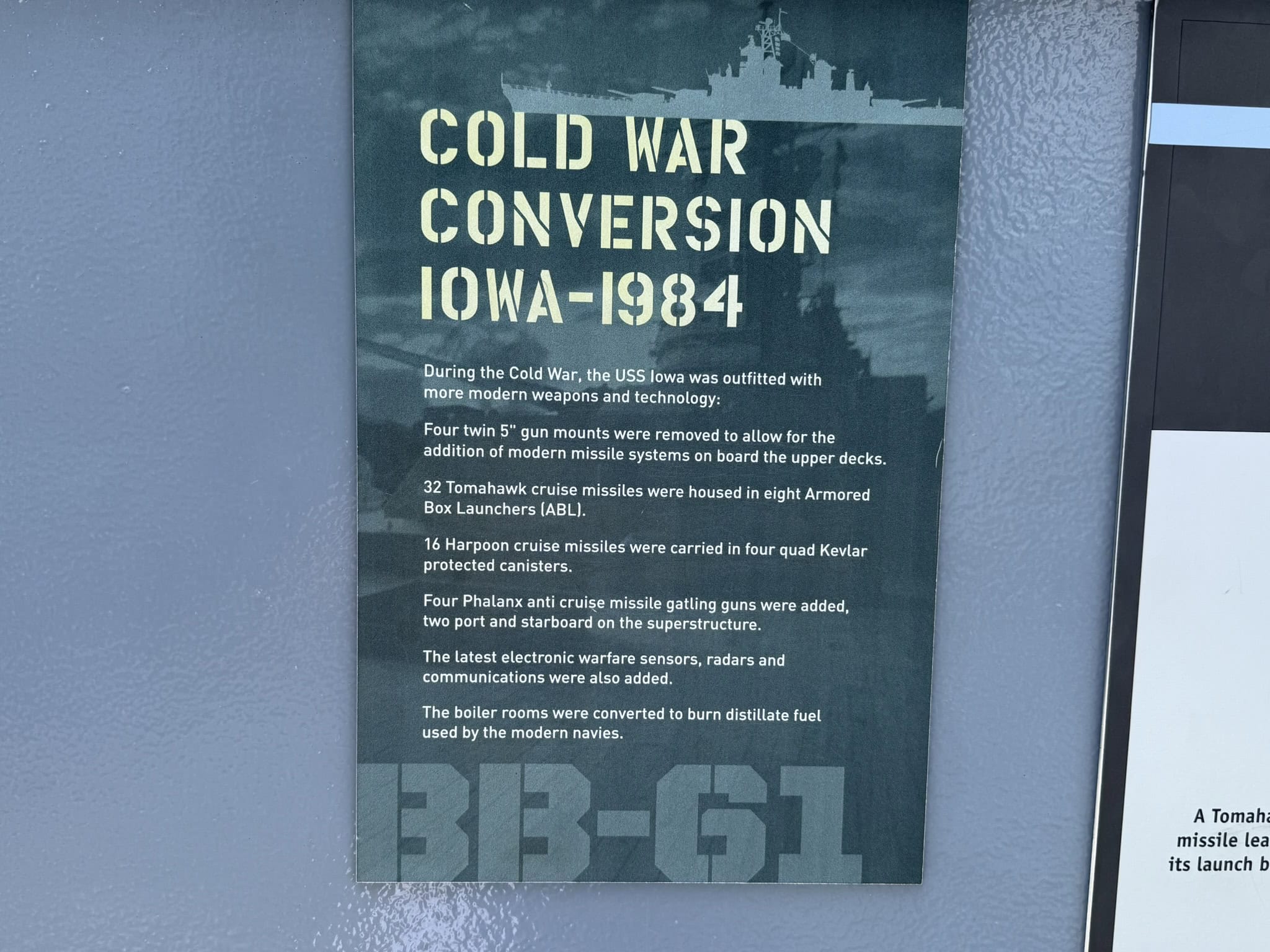
USS Iowa Battleship visit by Harry J. Kazianis for 19FortyFive.com. Taken back in August 15, 2025.
USS Wisconsin left in September 1991. USS Missouri, the last active American battleship, left in March 1992. Naval History and Heritage Command’s ship histories and anniversary notices track those final dates. For Iowa, for New Jersey, for Wisconsin, and for Missouri, the record sits in plain view.
Budget pressure tells only part of the story. The deeper problem sat in the design itself. The Iowas were magnificent 1940s battleships with 1980s missile add-ons. They were not clean-sheet late-Cold War surface combatants built for modern fleet air defense, integrated network warfare, or efficient peacetime operations.
Their steam plants were old. Their crews were large. Their upkeep costs were punishing. Their modernization path grew messy and expensive.
GAO said as much in 2004 and again in 2005. In one review, GAO wrote the Navy opposed reactivation for several reasons, including manpower requirements and the modernization needed to integrate the battleships into the modern fleet. GAO’s 2004 review on naval surface fire support laid out the position.
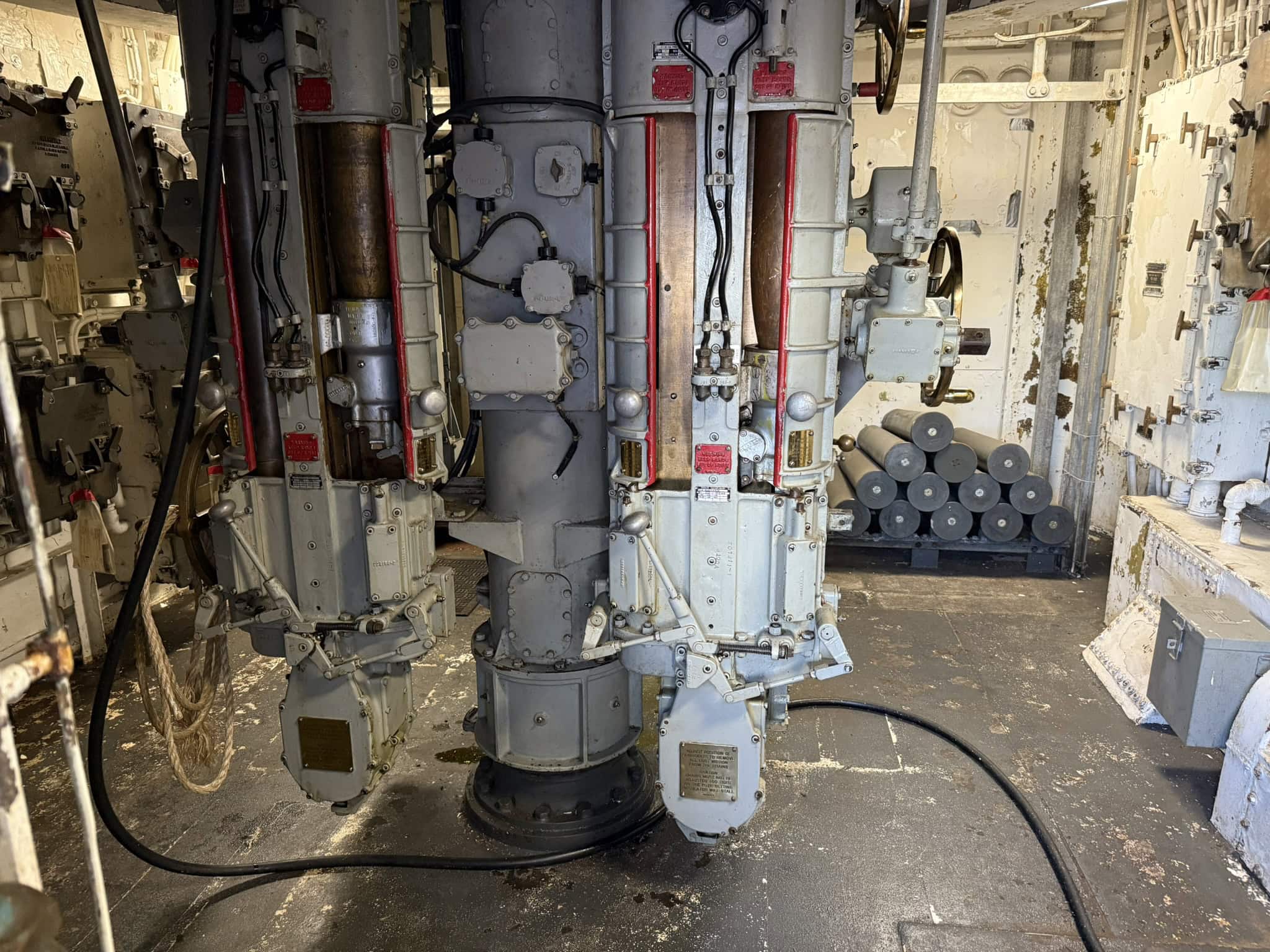
USS Iowa interior. 19FortyFive.com image.
In a follow-on review, GAO reported Defense Department officials did not view battleship reactivation as cost-effective and said the ships were expensive to operate, manpower intensive, and armed with munitions lacking accuracy by modern standards. GAO’s 2005 battleship report drove the point home.
The Range Issue
The range problem mattered too. The 16-inch gun packed a fearsome, destructive force. No one disputes its impact. Yet the gun’s range and accuracy fit a different era. GAO noted the battleships’ 16-inch guns reached 24 nautical miles. The same 2004 GAO review recorded the figure.
In World War II, Korea, Vietnam, and even the Gulf War, such a range brought real value for naval gunfire support. In a missile-heavy age packed with better coastal defenses, anti-ship weapons, submarines, mines, and aircraft, pushing a battleship close enough to shore to exploit those guns carried far more risk.
The Navy also had other tools. Carrier aviation struck farther. Attack submarines hunted quietly and launched land-attack missiles. Aegis destroyers and cruisers fit modern fleet architecture better than a reactivated armored giant built around big guns.
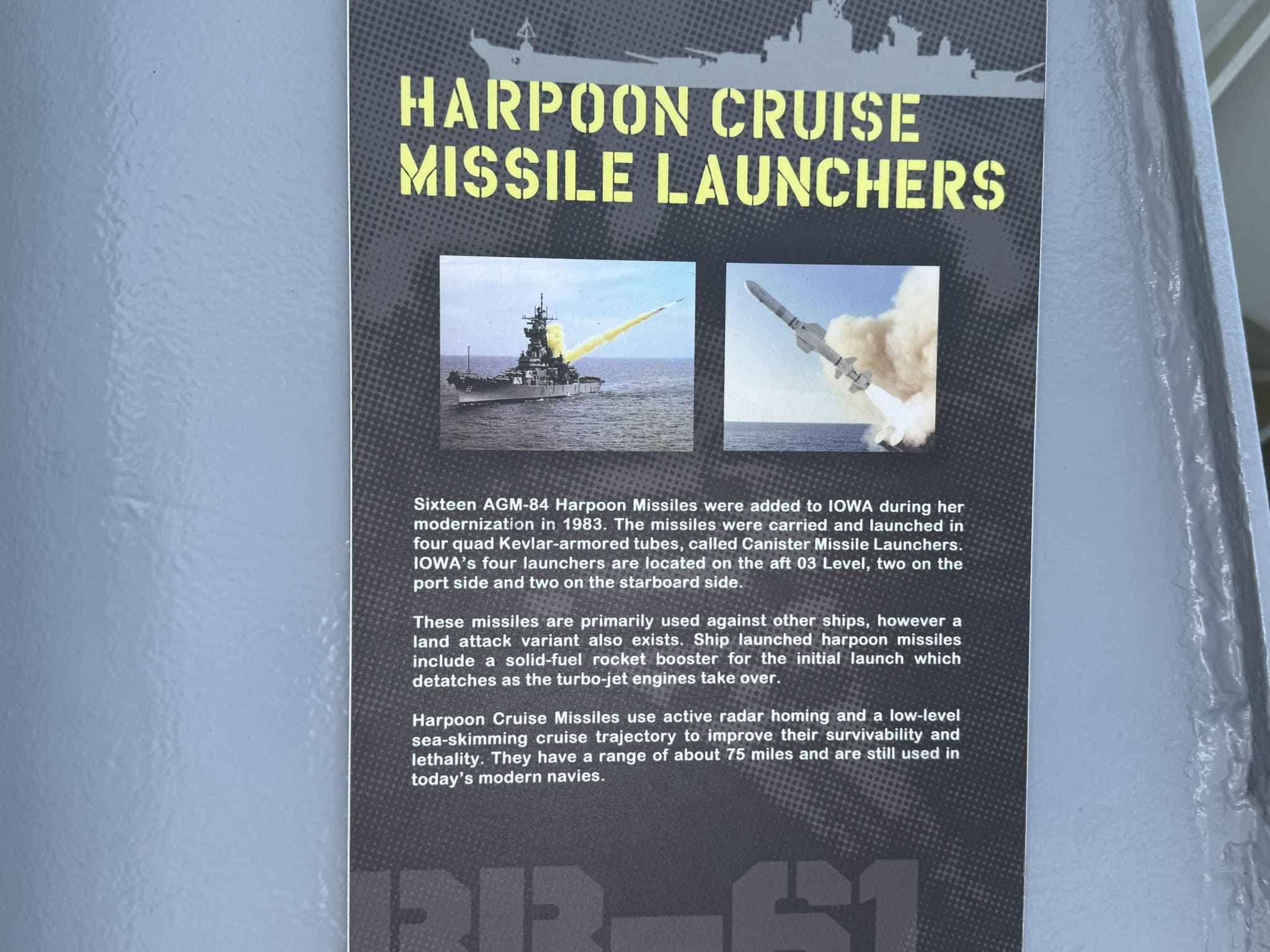
USS Iowa Battleship visit by Harry J. Kazianis for 19FortyFive.com. Taken back in August 15, 2025.
None of those systems copied the battleship’s exact mix of armor and shell weight. Still, fleet planners did not need an exact copy. They needed platforms suited to the wars and budgets at hand.
The Retirement Debate Refused to Die
Retirement did not end the argument. Congress worried, with good reason, that the Navy had dumped unique naval gunfire support without a true replacement in hand.
A 2005 GAO report explained lawmakers in 1996 ordered at least two Iowa-class ships restored to the naval vessel register until the Navy certified an equal or greater replacement capability. GAO’s summary of the battleship debate covers the fight in detail.
Iowa and Wisconsin stayed in reserve for years after leaving active service because many in Congress and the Marine Corps did not trust promises about future naval surface fire support.
Frankly, Congress had a point. The Navy spent years searching for a replacement answer. Extended-range rounds for 5-inch guns slipped. New destroyer plans have changed. Fire-support concepts moved around.
GAO warned in 2004 that replacement naval surface fire support had been delayed, and the cost and schedule for reactivating or modernizing the battleships had not been fully developed.The warning came straight from GAO.
So while I think the Navy made the correct broad call on retirement, I also think the service never fully replaced what an Iowa-class ship brought to a close-in fight. The Trump-class battleship is coming, maybe, but it might cost $20 billion for the first hull to be built. That’s more than a Ford-class aircraft carrier. Gulp.
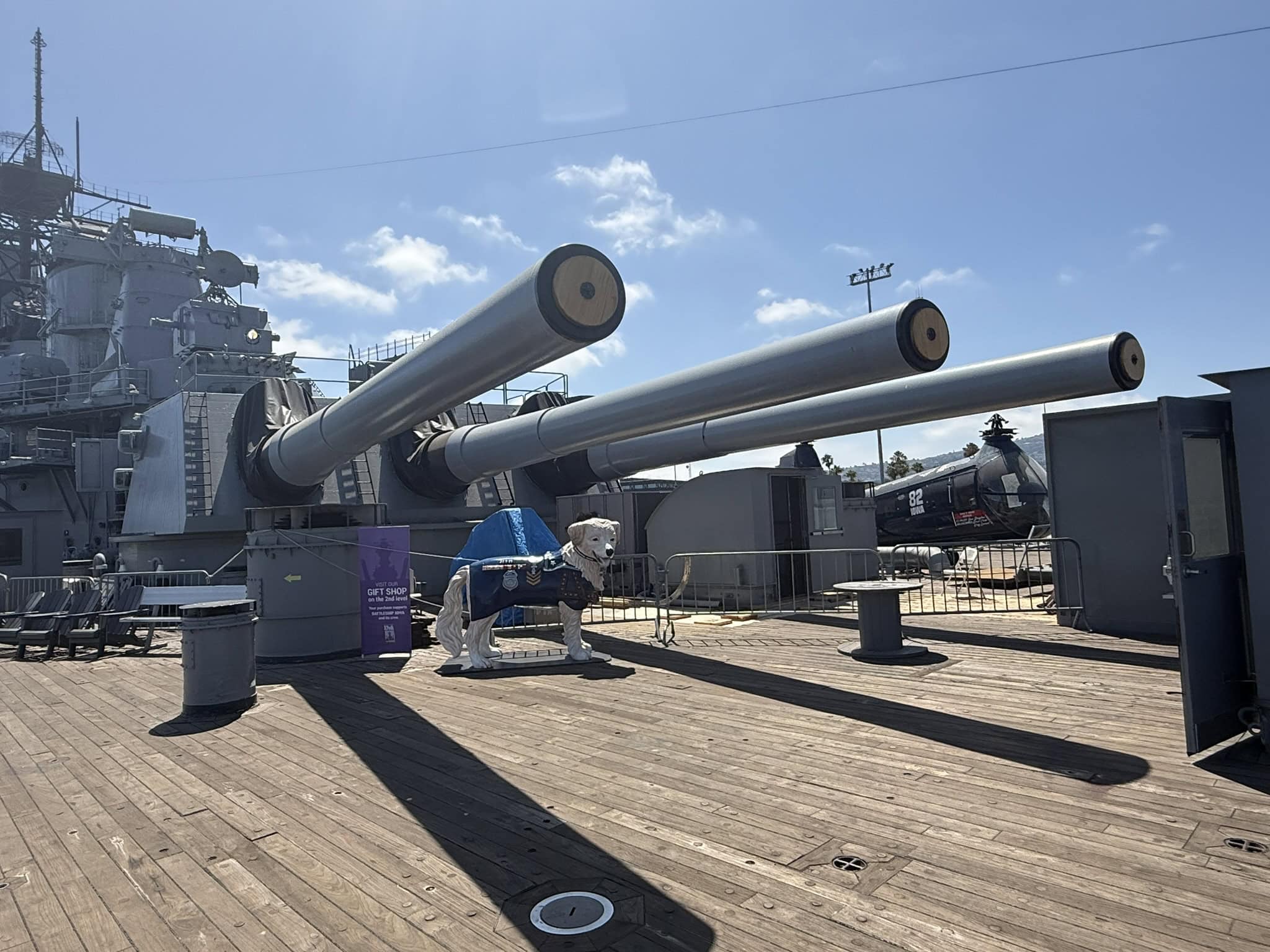
USS Iowa Battleship visit by Harry J. Kazianis for 19FortyFive.com. Taken back in August 15, 2025.
What My Tour of USS Iowa Drove Home
Back to San Pedro.
When I toured USS Iowa in July 2025, I did not see a failed ship. I saw a ship built for a mission, a time, and an industrial base America no longer owns in full. I saw a warship so large, armored, and labor-intensive that museum preservation becomes a rolling campaign against decay.
The museum crew has been candid about the problem. One update said the decks were in terrible condition and described a forced choice between deck work and hull work. Another detailed corrosion damage, deep pitting, and the constant struggle along the hull’s wind-and-water line. The deck update and the hull update read like some sort of preservation triage.
A front-line navy faces the same logic, only with higher stakes. If a museum fights so hard to preserve one stripped-down ship tied to a pier, picture the cost, crew burden, training load, industrial support, and modernization bill tied to keeping a whole class combat-ready in a missile age.
You start to see why romance lost the argument.
None of this reduces the class’s greatness. The Iowas served in World War II, Korea, Vietnam, and the Gulf War. They escorted carriers, shelled coastlines, launched missiles, and carried American power from the Pacific to the Persian Gulf. Few warships in history built a résumé like theirs.
Yet the same story also explains retirement. The Navy did not retire the Iowas because they lacked glory. The Navy retired them because glory does not pay for crews, repairs, modernization, ammunition development, and survivable employment in a changing threat picture.
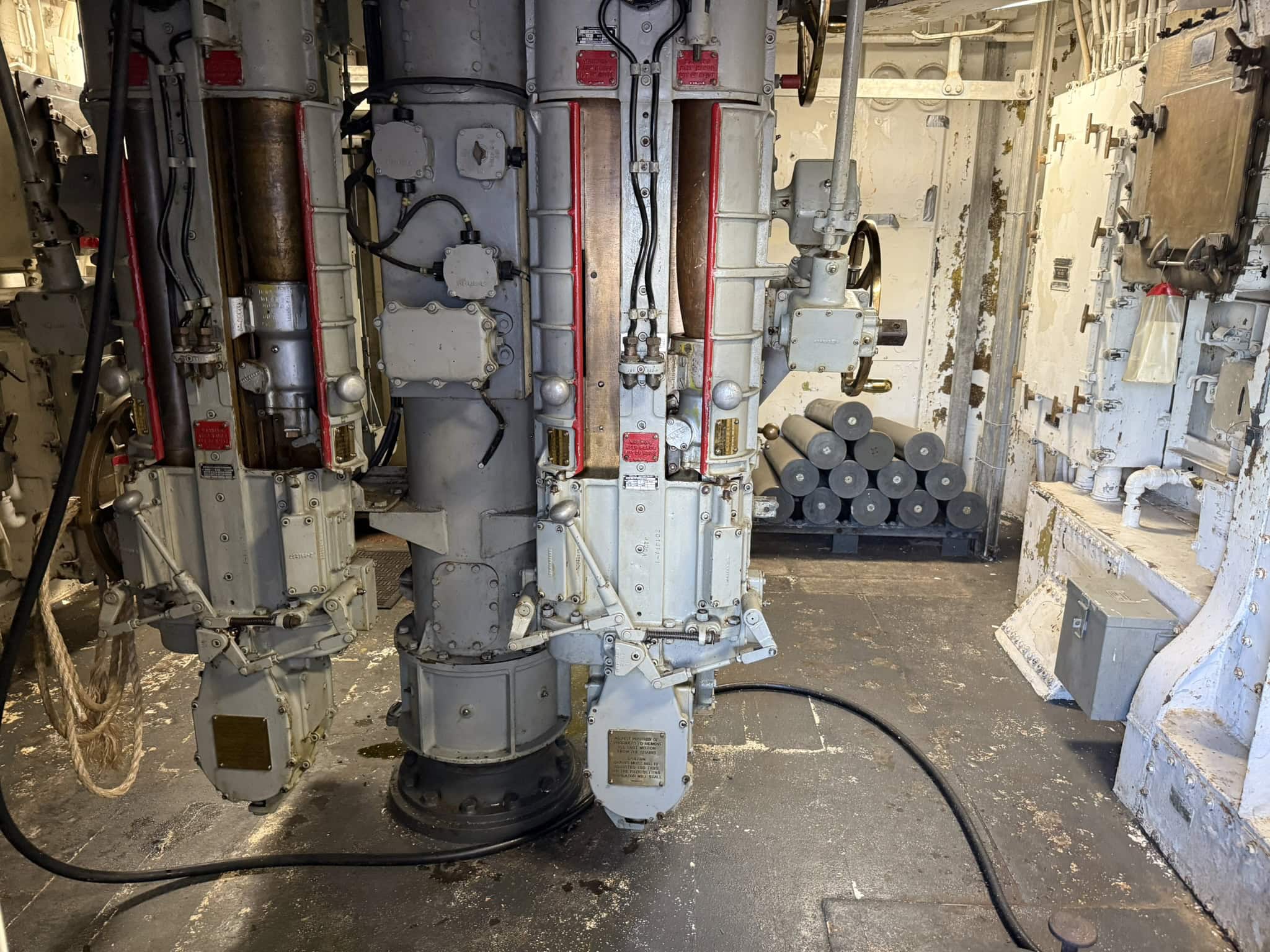
USS Iowa Battleship visit by Harry J. Kazianis for 19FortyFive.com. Taken back in August 15, 2025.
The Real Lesson From the Last American Battleships
The lesson of the Iowa class cuts both ways. At least for me.
On one side, the class shows what American shipbuilding once produced when Washington wanted the biggest hammer afloat. On the other, the class warns against confusing emotional attachment with sound force design. A warship belongs in the fleet because the fleet needs the ship, not because the ship once carried history on its back.
I left USS Iowa with admiration, not nostalgia. America should preserve those ships. America should teach its history. America should respect the men who served aboard them. But America should also tell the truth. The Iowa-class battleships were retired for hard reasons: post-Cold War cuts, old machinery, large crews, expensive upkeep, limited modernization paths, and a naval battlefield no longer built around giant guns.
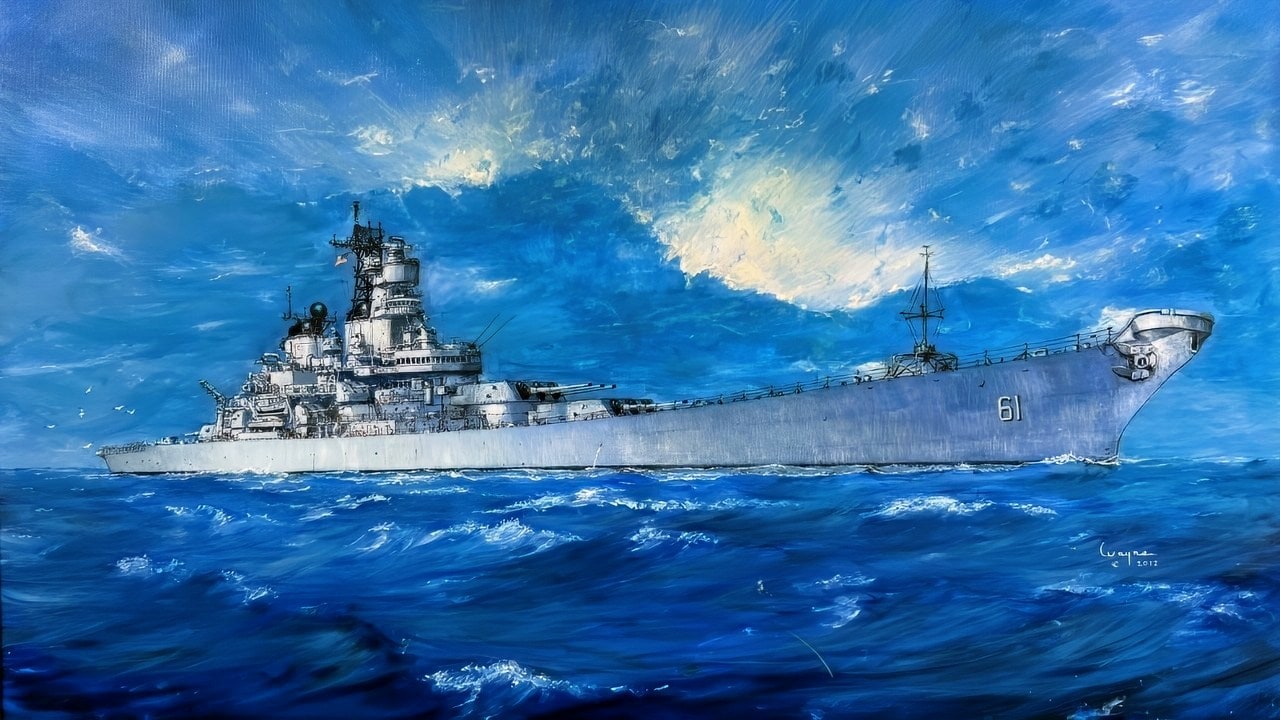
Image taken by Harry J. Kazianis aboard the USS Iowa on August 15, 2025. Image is of a painting of the USS Iowa of the Iowa-Class. USS New Jersey is also a Iowa-Class battleship.
Their final decades proved both parts of the story. They still hit hard. They still looked imposing. They still filled a niche no destroyer has fully replaced. Yet the broader age of the battleship had ended, and no amount of love for old steel was going to reverse the fact.
Standing on USS Iowa in California last summer, I felt both sides of the truth at once. I saw a legend. I also saw why the legend had reached the end of the line.
No, the Iowa-class comeback debate is done. I was wrong.
Bonus: Photo Essay of My Time on the USS Iowa Last Summer
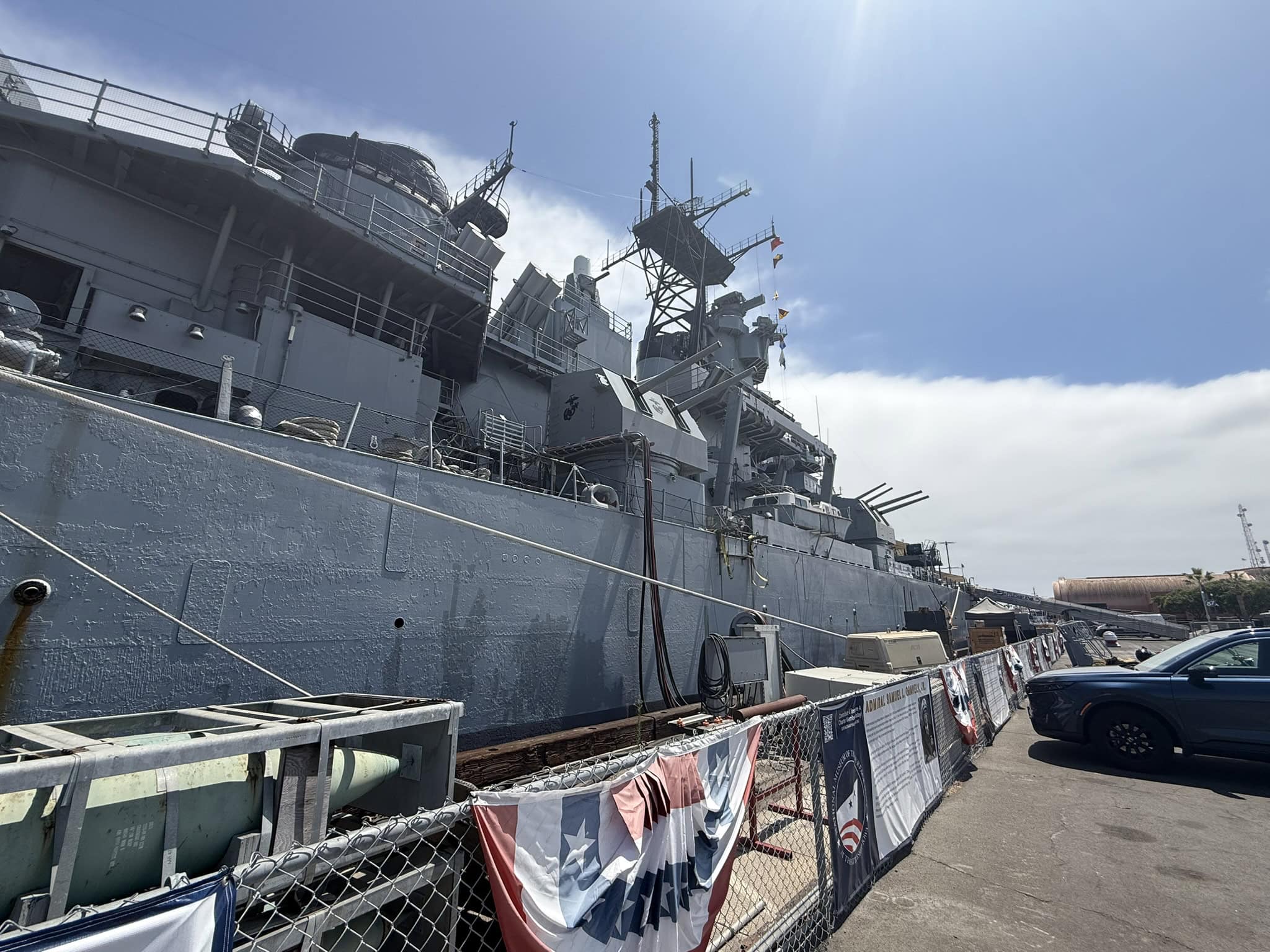
USS Iowa Visit by Harry Kazianis of 19FortyFive.com
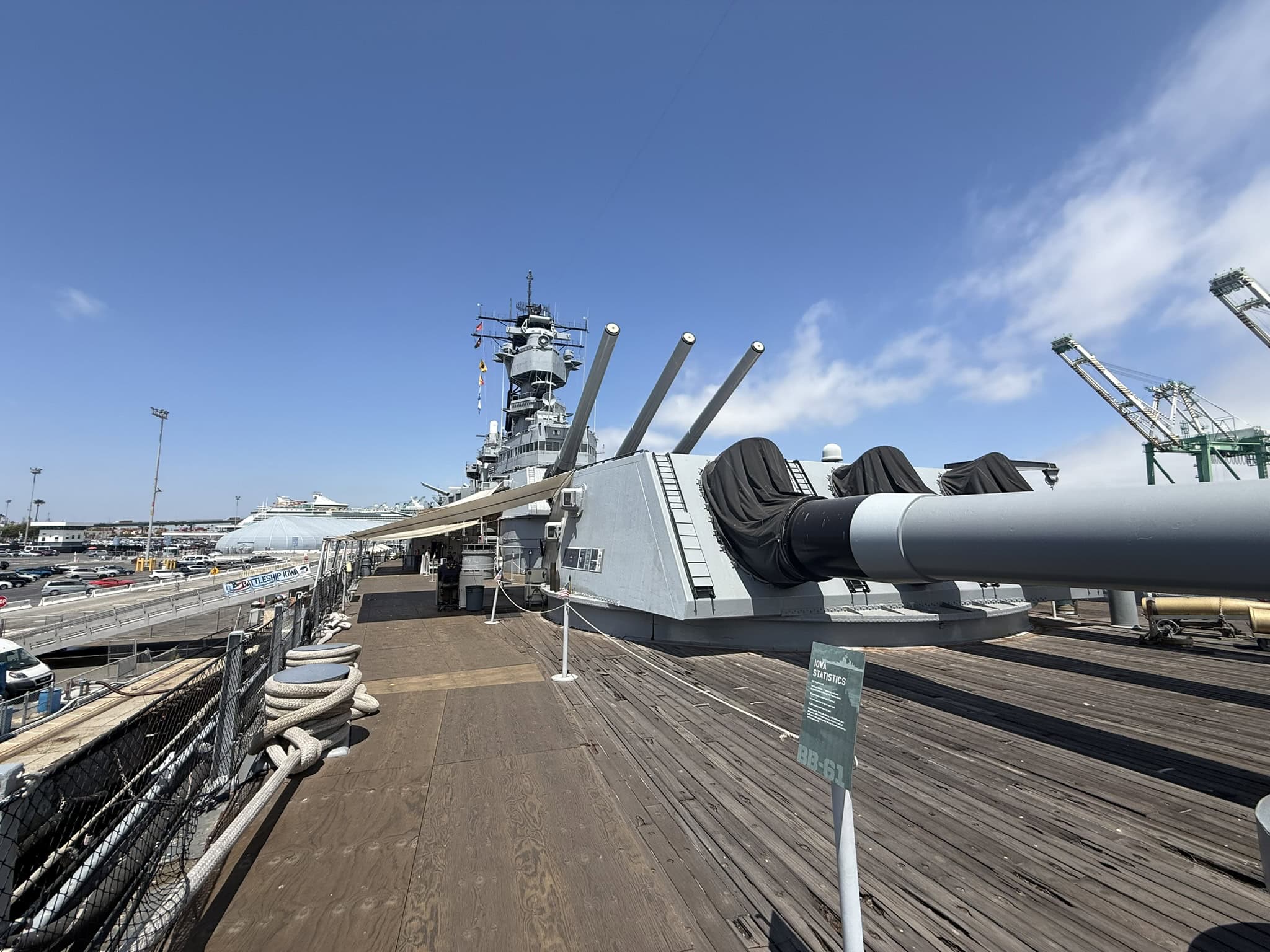
USS Iowa Visit by Harry Kazianis of 19FortyFive.com
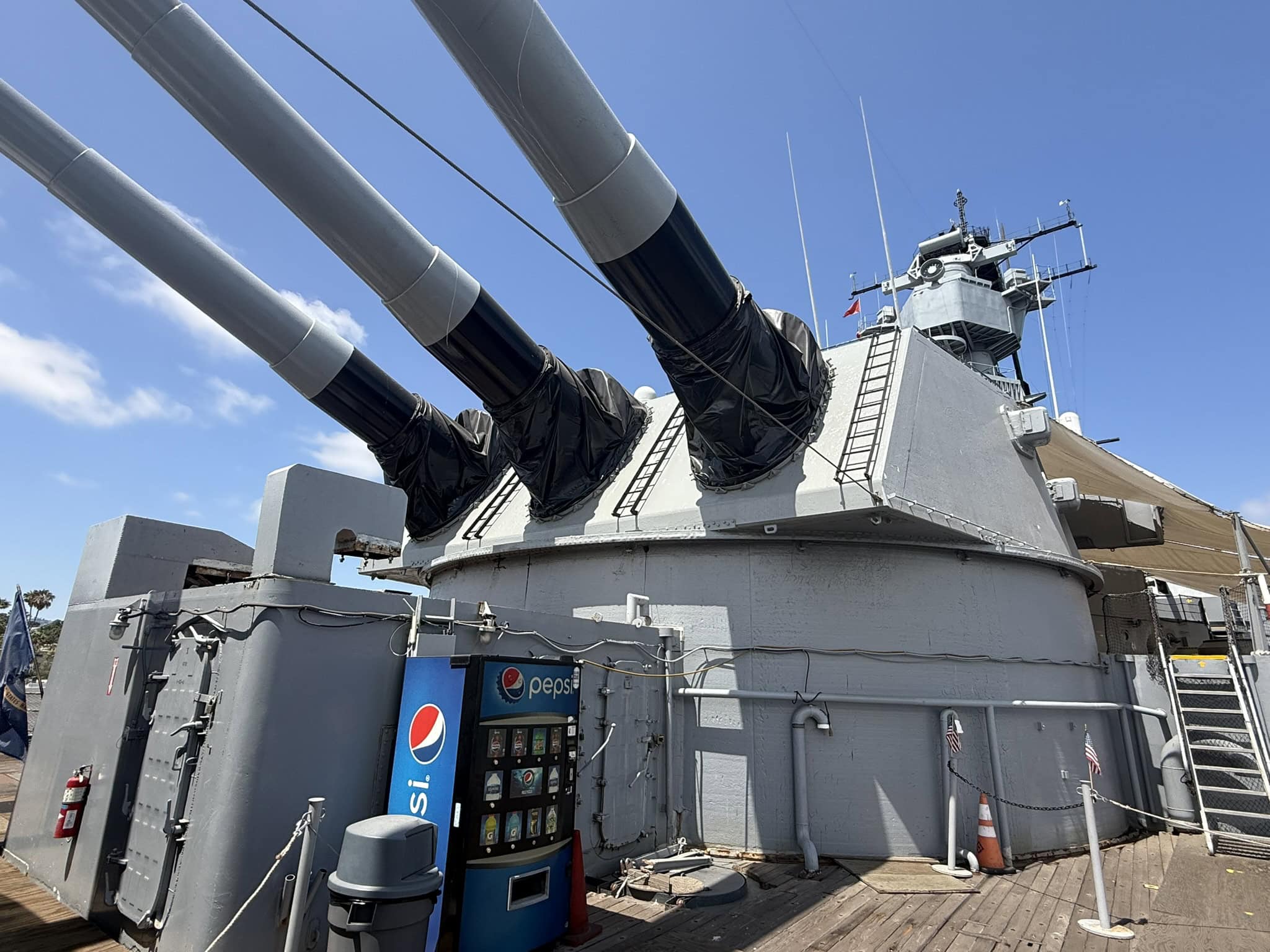
USS Iowa Visit by Harry Kazianis of 19FortyFive.com
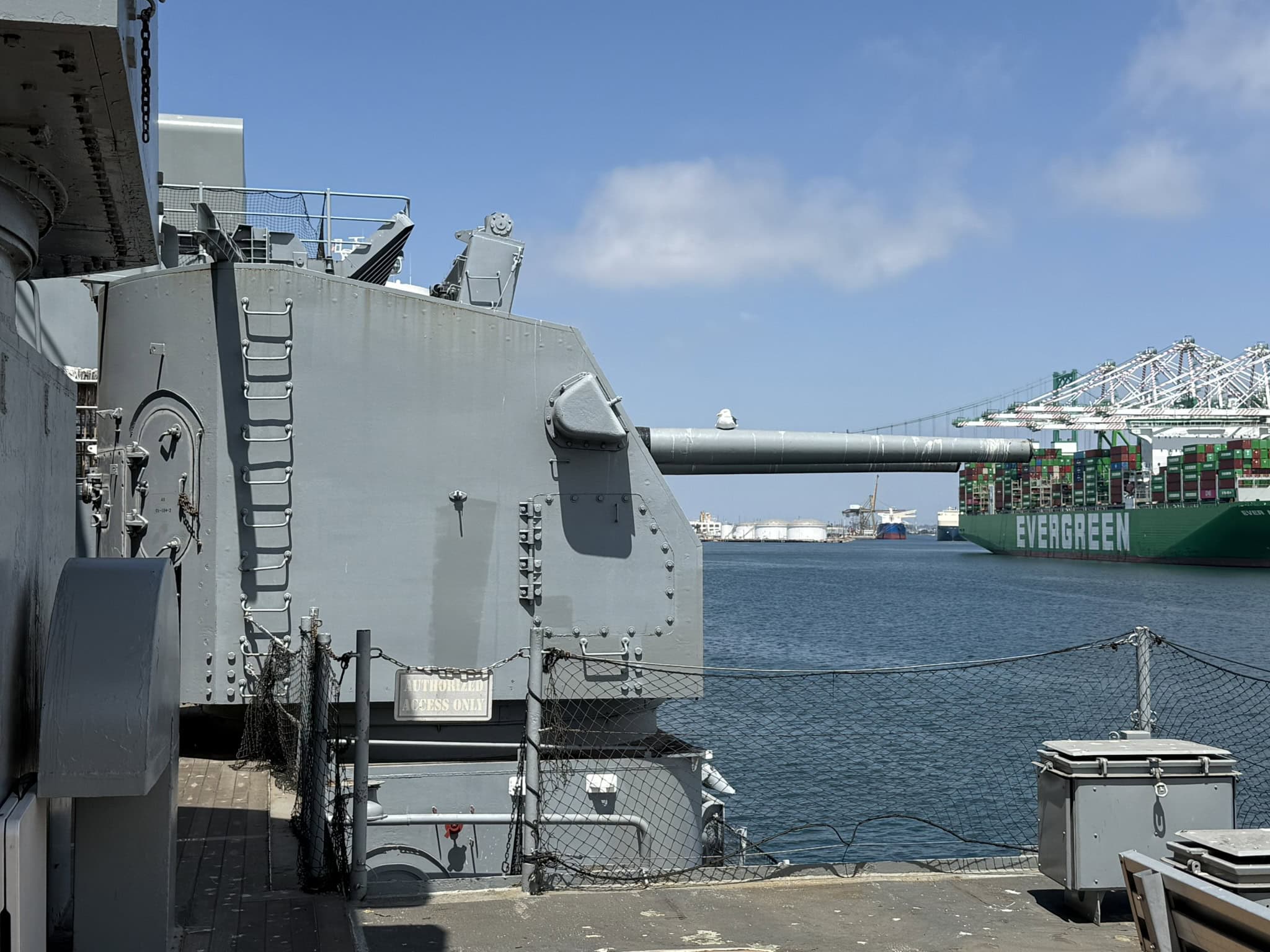
USS Iowa Visit by Harry Kazianis of 19FortyFive.com
About the Author: Harry J. Kazianis
Harry J. Kazianis (@Grecianformula) was the former Senior Director of National Security Affairs at the Center for the National Interest (CFTNI), a foreign policy think tank founded by Richard Nixon based in Washington, DC. Harry has over a decade of experience in think tanks and national security publishing. His ideas have been published in the NY Times, The Washington Post, The Wall Street Journal, CNN, and many other outlets worldwide. He has held positions at CSIS, the Heritage Foundation, the University of Nottingham, and several other institutions related to national security research and studies. He is the former Executive Editor of the National Interest and the Diplomat. He holds a Master’s degree focusing on international affairs from Harvard University. Kazianis is Editor-In-Chief of 19FortyFive.

