
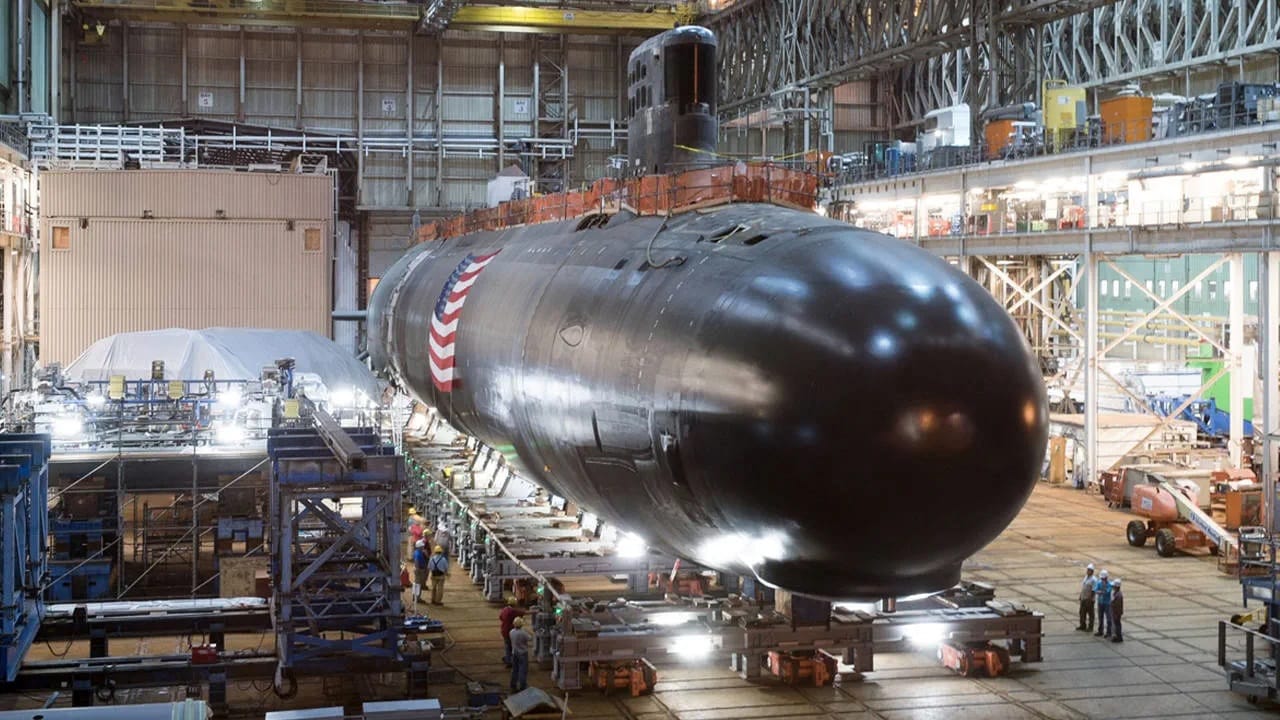
The SSN(X) Delays Only Hurt the U.S. Navy: If I had to make an educated guess, there is a chart inside the Pentagon that nobody outside the building wants to see. It plots American attack submarine numbers against Chinese attack submarine numbers across the next twenty years. The American line bends downward through the early 2030s as Los Angeles-class boats retire faster than Virginia-class hulls can replace them. The Chinese line bends upward, accelerating after 2028 as the Type 095 enters serial production at Huludao. The lines cross sometime in the early 2030s. Then they keep diverging.
That chart is the strategic problem that the Next-Generation Attack Submarine — designated SSN(X) by the Navy — was conceived to solve.
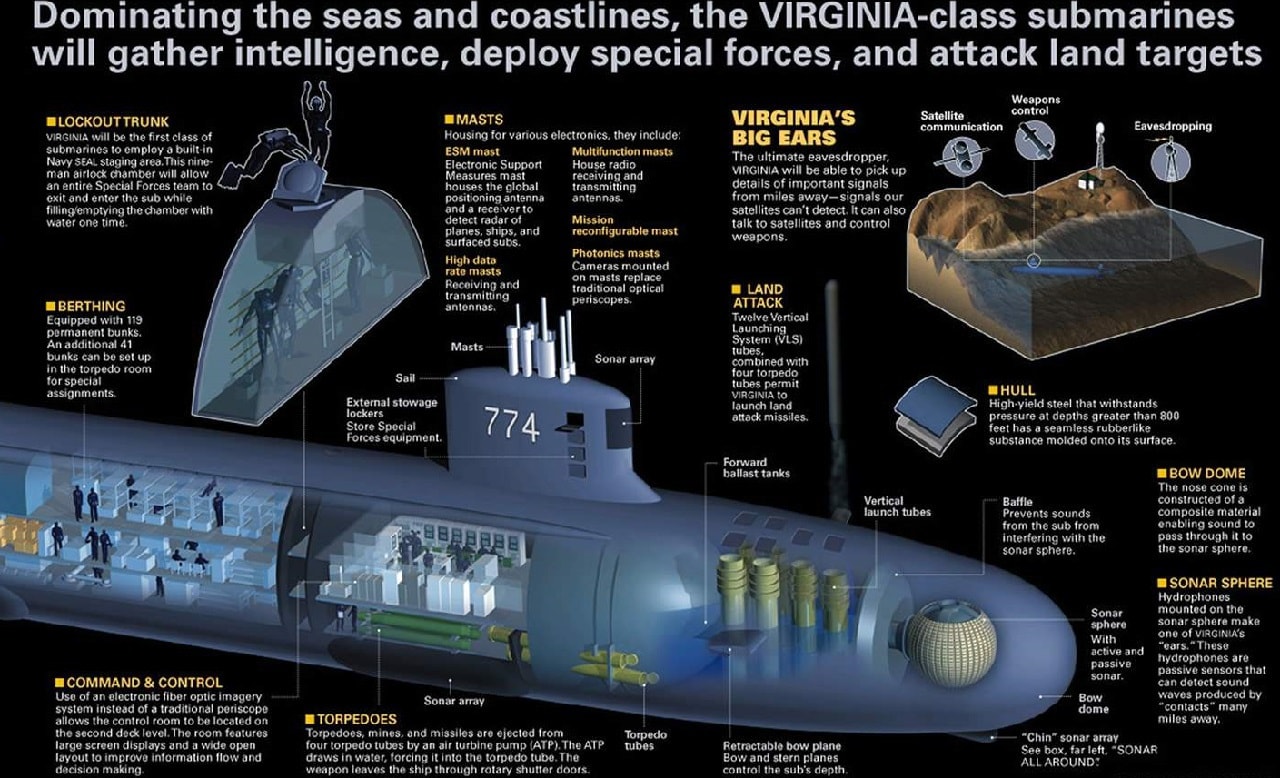
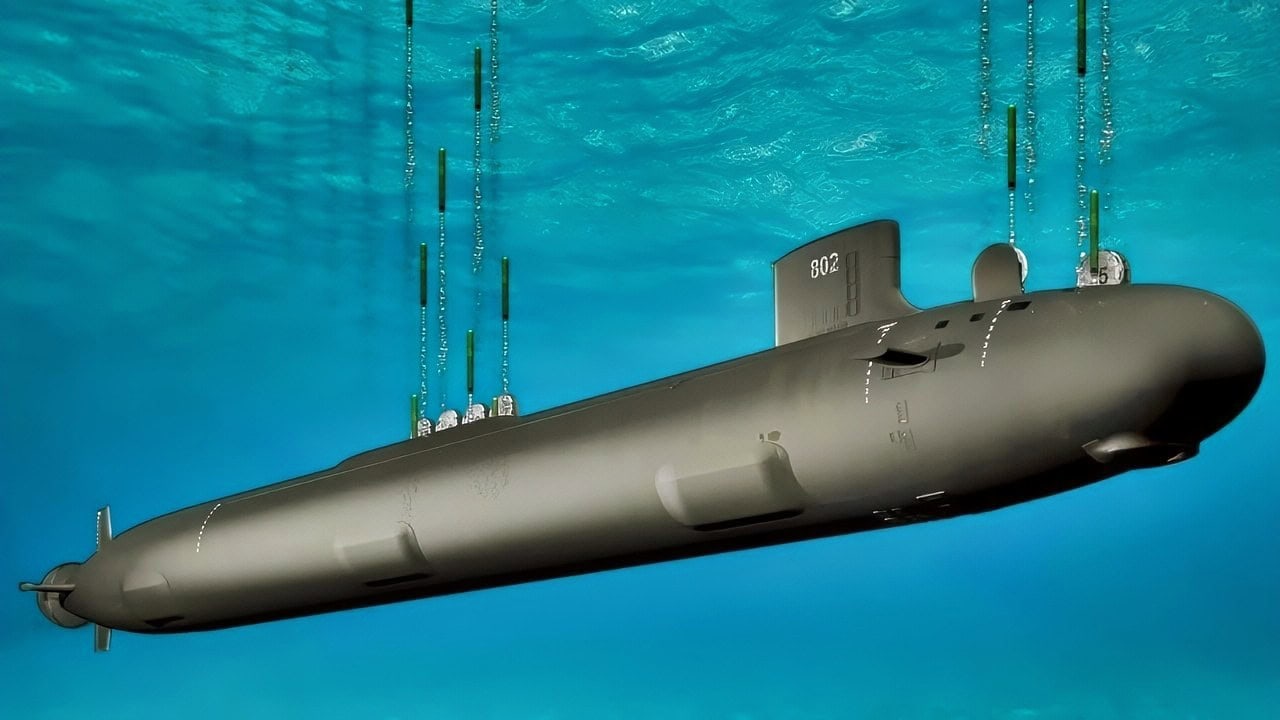
Image of Virginia-class Submarine features. Image Credit: Creative Commons.
It is also the strategic problem that SSN(X), as currently funded and scheduled, will not actually solve. The first boat will not be procured until fiscal year 2040, delivered until the late 2040s, and available in meaningful numbers until well into the 2050s.
By then, the chart will have done what the chart will have done.
This is the story of how the United States Navy ended up here, why fixing it has proven so hard, and why the boat that nobody is currently building is more important than any of the ones currently in the yards.
As one current Senior Pentagon official put it bluntly on the SSN(X) program: “This is one mistake we can’t afford to make.”
The Three-Boat Mistake: Seawolf-Class Has a Lesson for SSN(X)
To understand why SSN(X) matters, you have to start with the program that made it necessary.
In 1989, the Navy intended to build 29 Seawolf-class attack submarines — the SSN-21 design conceived in the late 1980s as the most capable nuclear attack boat ever to put to sea. Quieter than anything the Soviets could field. Faster. Deeper diving. Heavily armed with eight 26-inch torpedo tubes and 50 weapons in the room. Designed from the keel up to dominate the undersea environment in a North Atlantic shooting war that everyone in 1989 still expected to fight.
The Navy got three.
USS Seawolf (SSN-21), USS Connecticut (SSN-22), and USS Jimmy Carter (SSN-23) were the only Seawolf-class boats ever built. The collapse of the Soviet Union killed the requirement. The roughly $3 billion per-hull cost in 1990s dollars killed the political will. The peace dividend killed the program.
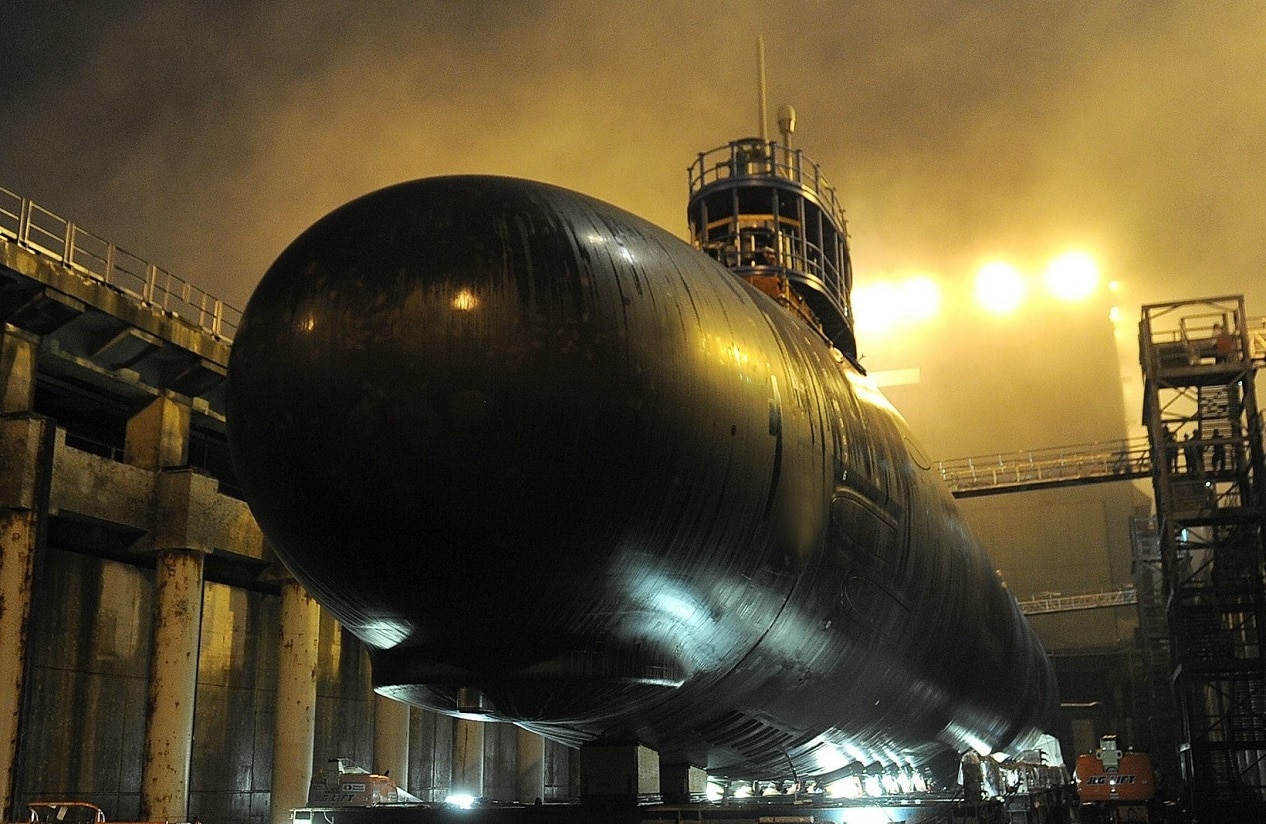
Image of US Navy Attack Submarine Under Construction. Image Credit: Creative Commons.
The 26 Seawolf-class submarines that were never built are 26 boats that would, in 2026, be roughly mid-life — quieter and more capable than anything else in the American fleet, all of them carrying the strategic load the Navy is now begging the Virginia-class to absorb.
That decision was rational at the time it was made. The cost of that rationality is what the Navy is paying in 2026 — and what SSN(X) was conceived to repay.
The Los Angeles-Class Retirement Cliff
The second piece of the math is the boat the Seawolf was supposed to replace.
The Los Angeles-class — 62 attack submarines built between 1972 and 1996 — has carried the American undersea force for forty years.
The earliest boats commissioned during the Ford administration. The last one, USS Cheyenne (SSN-773), commissioned during Bill Clinton’s second term. Each Los Angeles-class boat is powered by a single S6G nuclear reactor with a core service life of roughly 30 to 35 years before the boat must either undergo a multi-year, multi-hundred-million-dollar refueling or be retired.
The Navy has been retiring rather than refueling.
The most recent Los Angeles-class retirement is USS Helena (SSN-725), decommissioned on July 25, 2025 — an event documented in the January 26, 2026 CRS report on the Virginia-class program. By the late 2030s, every Los Angeles-class boat will have aged out. Most are going earlier than original projections because the Navy has cancelled mid-life refuelings to save money in tight shipbuilding budgets.

PACIFIC OCEAN (Dec. 17, 2025) – Los Angeles-class fast-attack submarine USS Annapolis (SSN 760) steams forward off the coast of Guam during a photo exercise, Dec. 17, 2025. Assigned to Commander, Submarine Squadron 15 at Polaris Point, Naval Base Guam, Annapolis is one of five fast-attack submarines forward-deployed in the Pacific. Renowned for their unparalleled speed, endurance, stealth, and mobility, fast-attack submarines serve as the backbone of the Navy’s submarine force, ensuring readiness and agility in safeguarding maritime interests around the world. (U.S. Navy photo by Lt. James Caliva)
The Los Angeles-class is retiring faster than the Virginia-class is being delivered. The fleet count goes down before the new construction can bring it back up. The current attack submarine total stands at 47 boats against a stated requirement of 66. The gap is not narrowing. It is widening.
Why The Virginia-Class Is Not The Answer
The Virginia-class was supposed to be the bridge.
Designed in the 1990s as a deliberate compromise between Seawolf capability and Los Angeles affordability, the Virginia-class is an excellent submarine. Quieter than a Los Angeles. Faster. Equipped with twelve vertical launch tubes for Tomahawk cruise missiles in the Block II and Block III variants, expanded substantially with the Virginia Payload Module carrying additional Tomahawks in Block V and follow-on hulls. Built around a life-of-the-ship reactor core that requires no mid-life refueling.
The first Virginia-class boat, USS Virginia (SSN-774), commissioned in 2004. As of fiscal year 2025, 41 hulls have been procured. The planned procurement rate has been two boats per year since FY2011. The unit cost at that production rate is roughly $5 billion. The Block V boats with the Virginia Payload Module run somewhat higher.
The actual delivery rate is the problem.
Per the most recent Congressional Research Service assessment, the Virginia-class production rate has never reached 2.0 boats per year — and since 2022 has been limited to roughly 1.1 to 1.2 boats per year. The Navy and industry are publicly committed to raising the rate to 2.0 boats per year by 2028, and subsequently to 2.33 boats per year. Those targets exist on the briefing slides. The shipyards are not hitting them. Connecticut Rep. Joe Courtney, who has spent more time on the submarine industrial base than any member of Congress, has warned about the funding shortfall for years.
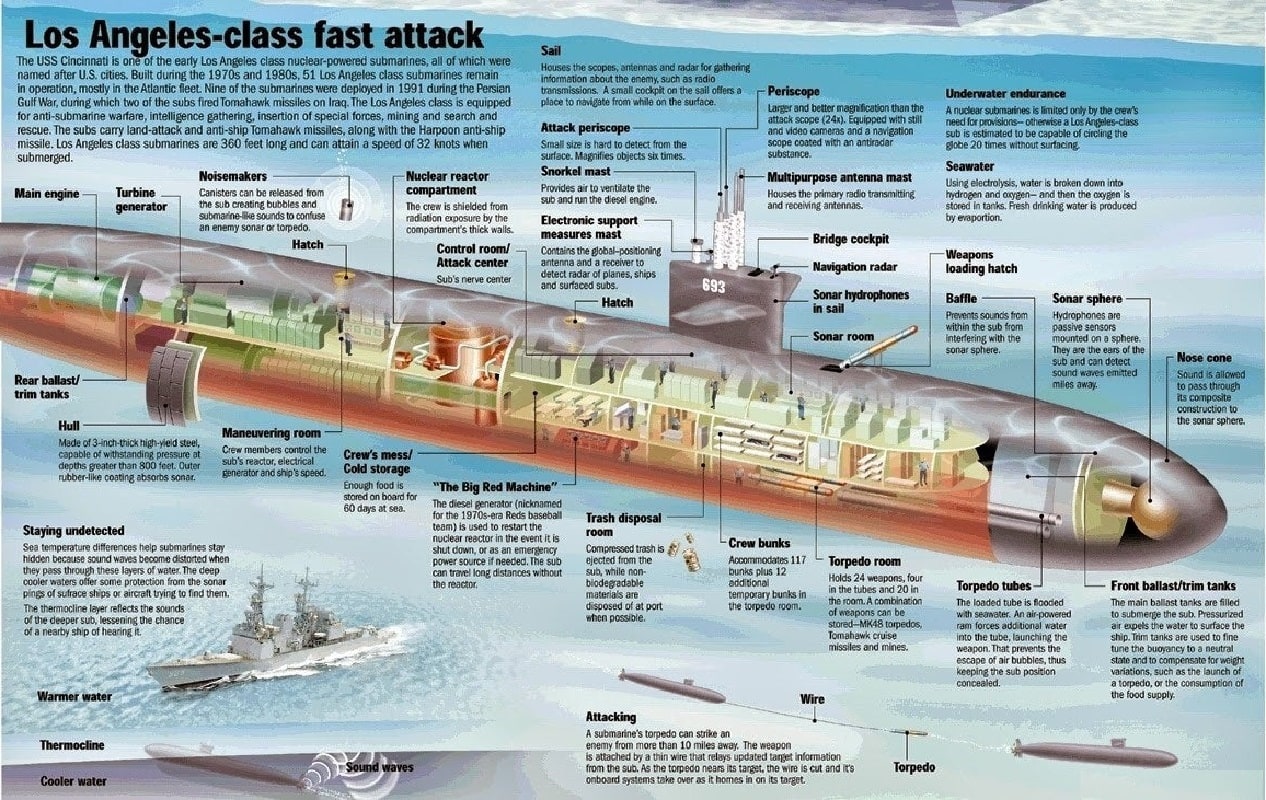
Los Angeles-Class diagram. Image Credit: US Navy.
The deeper problem with the Virginia-class is one that almost nobody discusses publicly: the early Virginia-class hulls are themselves about to start aging.
USS Virginia commissioned in 2004. By the early 2030s — roughly the same window in which the Los Angeles-class will be largely gone — the earliest Virginia-class boats will be approaching 30 years of service. The life-of-the-ship reactor core eliminates mid-life refueling, but it does not eliminate hull stress, electronics obsolescence, sensor obsolescence, or the cumulative wear that any nuclear submarine accumulates after three decades of operations. Block I and Block II Virginia-class boats were built before the addition of the Virginia Payload Module, before modern combat system upgrades, before the acoustic improvements integrated into Block III and Block V. They will be capable boats. They will not be 2040s-era frontline boats.
The Virginia-class is the workhorse for now. It is not the workhorse for 2045.
The boat that is supposed to be the workhorse for 2045 is SSN(X). It does not exist yet.
What The Navy Wants From SSN(X)
The official Navy framing of SSN(X) is concise and ambitious.
According to the July 2025 CRS In Focus report on the program, SSN(X) is being designed “to counter the growing threat posed by adversaries in strategic competition for undersea supremacy.” The boat is supposed to provide “greater speed, increased horizontal [i.e., torpedo room] payload capacity, improved signatures, flexibility to adapt to future threats, and higher operational availability.” It will “conduct full spectrum undersea warfare and be able to employ and coordinate with a larger contingent of remote autonomous systems (RAS) and sensors as a force multiplier.”
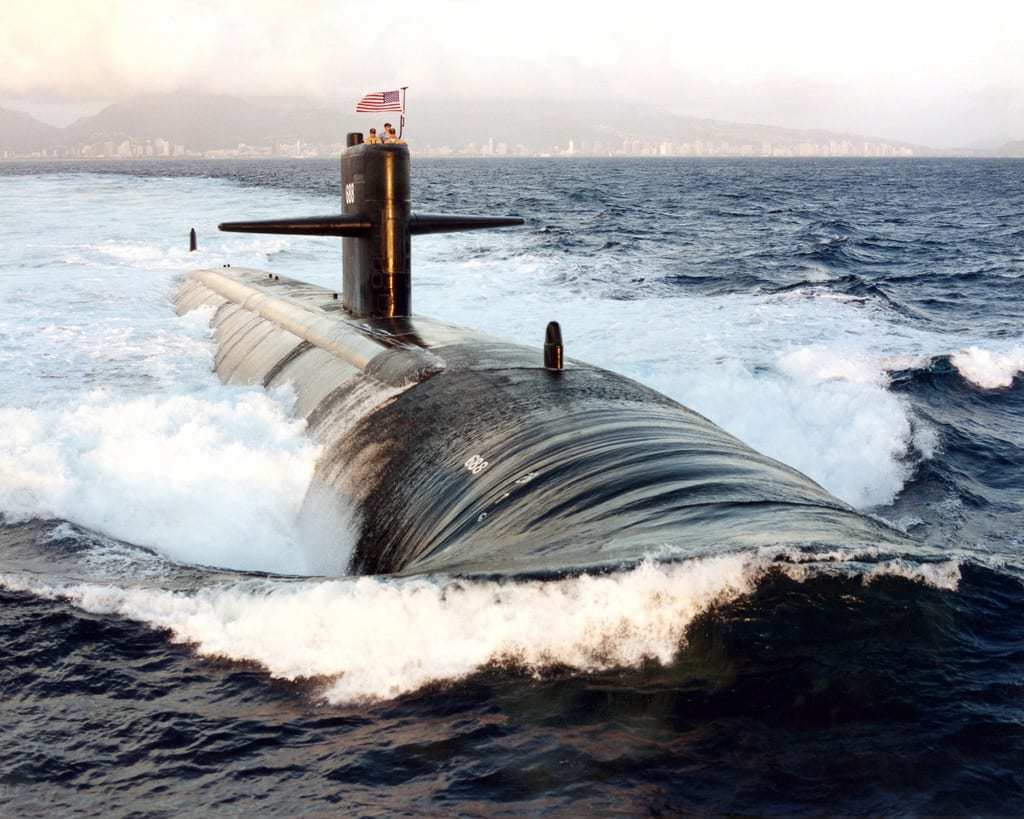
Starboard bow view of the US Navy (USN) LOS ANGELES CLASS: Attack Submarine, USS LOS ANGELES (SSN 688) underway off the coast of Oahu, Hawaii (HI).
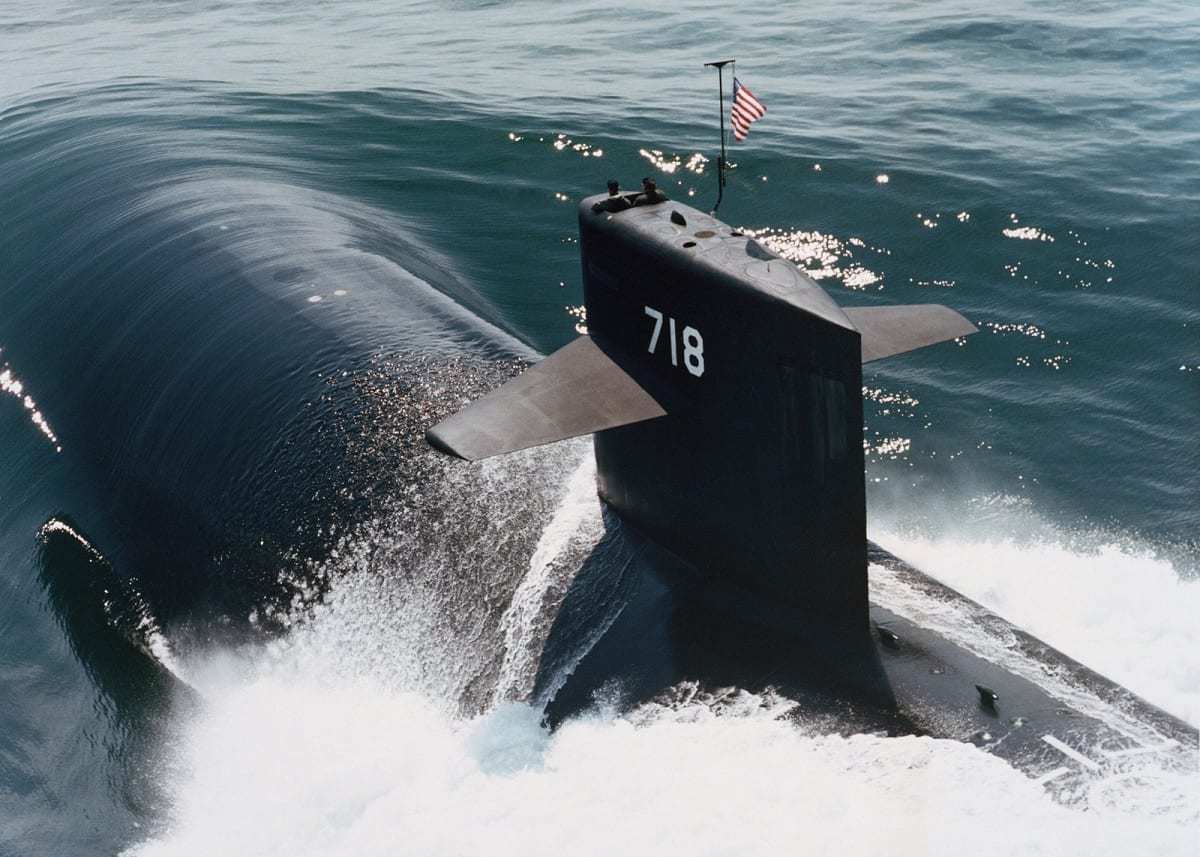
Aerial port quarter view of the sail area of the Los Angeles class nuclear-powered attack submarine USS HONOLULU (SSN 718). The submarine is underway during sea trials.
In design philosophy terms, the Navy describes SSN(X) as combining three things: the stealth of the Virginia-class, the speed of the Seawolf-class, and the flexibility and operational durability of the Columbia-class ballistic missile boat.
The phrase used is “apex predator.” The Navy wants a boat that recovers the high-end capability the Seawolf-class was killed before delivering, that integrates the unmanned undersea vehicle networks that are increasingly central to the future of undersea warfare, and that can dominate the operational environment against the next generation of Chinese and Russian boats.
The CBO assesses SSN(X)’s submerged displacement at approximately 10,100 tons — about 11 percent larger than the Seawolf-class and substantially larger than the Virginia-class. That displacement provides hull volume for a larger torpedo room, more vertical-launch capacity, more sensor real estate, and the power generation required to integrate next-generation acoustic and non-acoustic signature reduction. Earlier reporting from Warrior Maven noted that the design will likely emphasize cross-domain undersea data networking — solving a problem that has limited American submarine operations for decades — as one of its core technological breakthroughs.
That is what the Navy wants. The cost and the schedule are where the trouble starts.
The Cost Problem
The Navy’s official estimate for SSN(X)’s average procurement cost, per the January 2025 CBO assessment, is $7.1 billion per hull in constant FY2024 dollars. CBO’s own estimate runs higher: $8.7 billion per hull, roughly 23 percent above the Navy’s number.
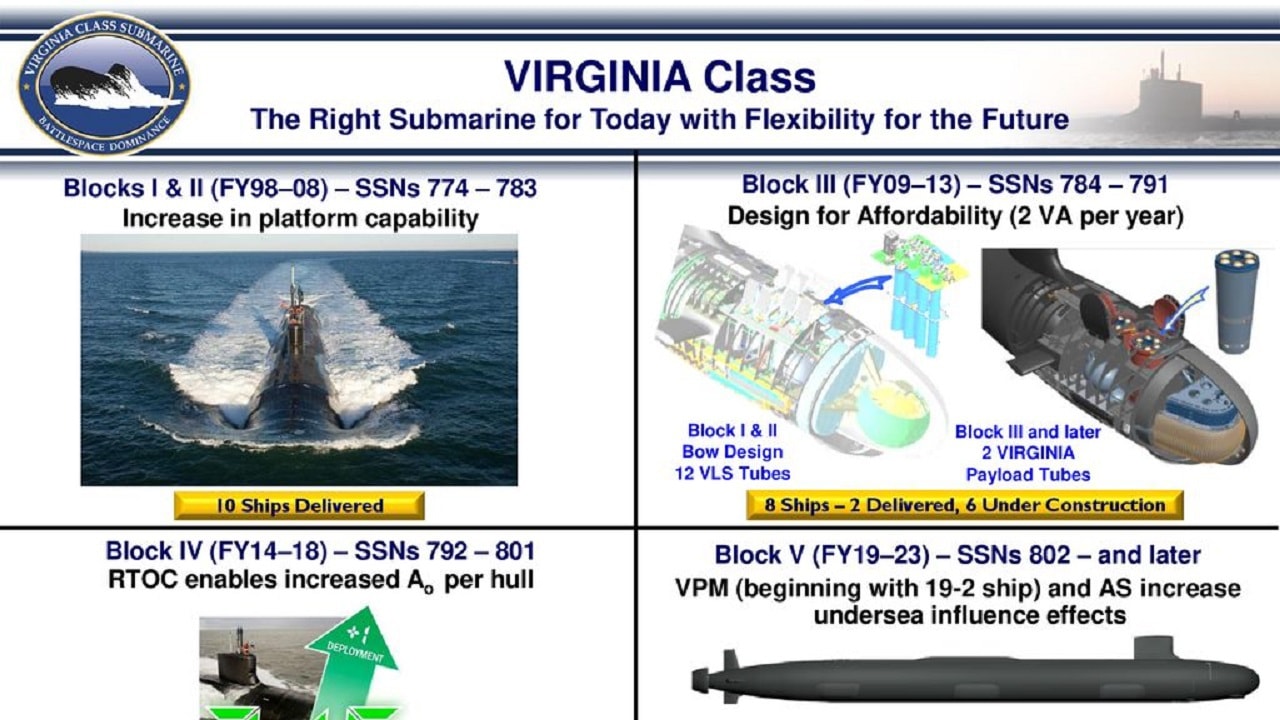
(FY98–08) – SSNs 774 – 783. Block III (FY09–13) – SSNs 784 – 791. Increase in platform capability. Design for Affordability (2 VA per year) Block I & II Bow Design. 12 VLS Tubes. Block III and later 2 VIRGINIA Payload Tubes. 10 Ships Delivered. 8 Ships – 2 Delivered, 6 Under Construction. Block IV (FY14–18) – SSNs 792 – 801. Block V (FY19–23) – SSNs 802 – and later. RTOC enables increased Ao per hull. VPM (beginning with 19-2 ship) and AS increase undersea influence effects. 10 Ships – 5 Under Construction, 5 Under Contract. In Design Phase, FY19 Construction Start. 16.
For context: that puts SSN(X) at somewhere between 1.4 and 1.7 times the per-hull cost of a current Block V Virginia. The Navy is essentially proposing to build a submarine roughly the size of a Seawolf at substantially more than Seawolf-era cost — and Seawolf-era cost is what killed the Seawolf-class.
The cost question is what made Congress hesitant to commit fully to the program. Among the unresolved issues identified in the July 2025 CRS report: whether the Navy has accurately identified SSN(X)’s required capabilities, whether the Navy’s cost estimate or the CBO’s higher estimate is more accurate, and what the impact of SSN(X) procurement will be on funding for other Navy programs.
The Navy’s FY2026 budget submission requested $622.8 million in research and development funding for SSN(X). That is real money. It is not the kind of money that builds a submarine. It is the kind of money that keeps the design effort alive while Congress debates whether to commit to actual procurement a decade and a half from now.
The Schedule Problem
The schedule history is the part of the SSN(X) story that should make anyone who follows defense procurement uneasy.
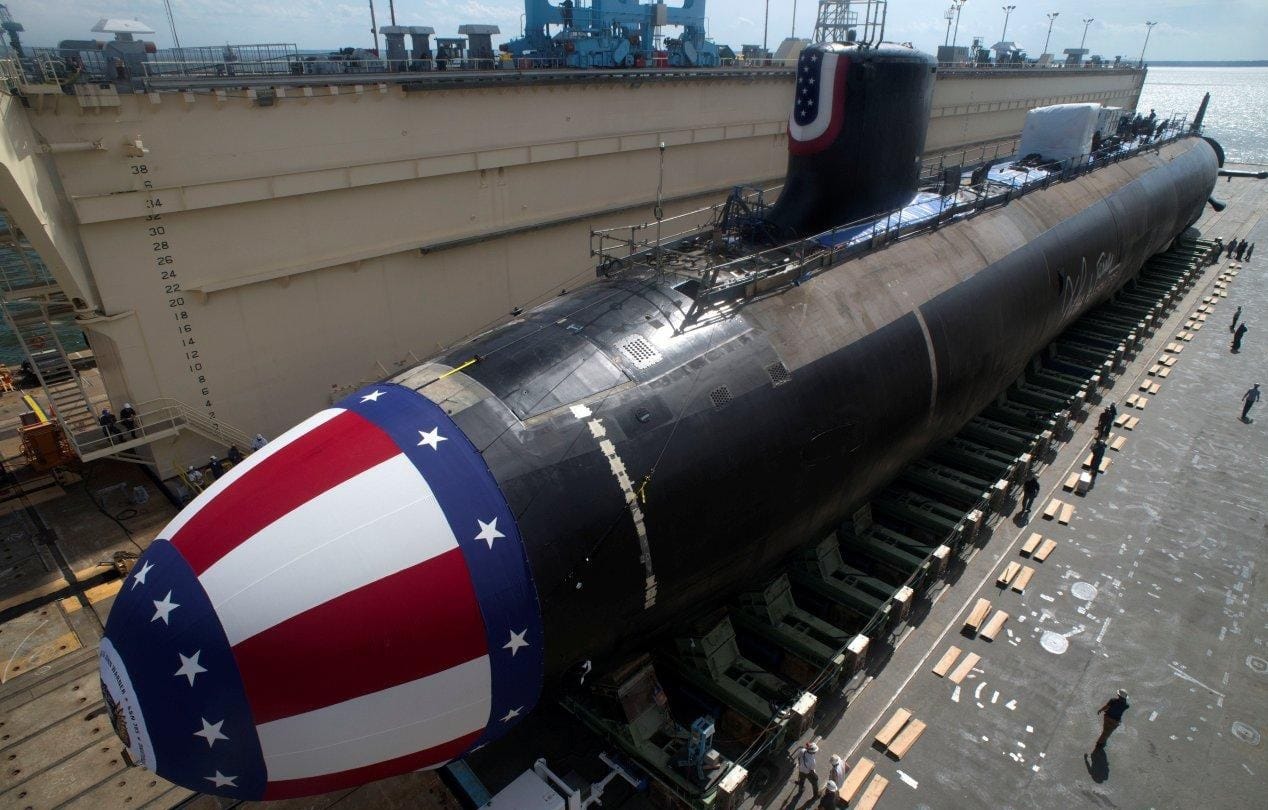
Image of Virginia-class Submarine. Image Credit: Creative Commons.
The original timeline called for procurement of the first SSN(X) hull in fiscal year 2031. That date was based on the Navy’s late-2010s assumption that the Virginia-class production line would conclude in the early 2030s and the SSN(X) line would pick up where Virginia-class left off, providing continuity for the submarine industrial base.
The 2031 date moved to fiscal year 2035 in subsequent budget submissions.
The 2035 date moved to fiscal year 2040 during the FY2025 budget process, with the Navy citing “limitations on the Navy’s total budget” as the formal justification. The FY2026 budget submission did not move the date back. SSN(X) procurement now begins in 2040.
That is roughly 14 years from now. It is also a 14-year gap from the original 2031 date — meaning that the boat that was supposed to replace the Virginia-class as the early Virginia-class hulls began aging out will not actually arrive until those hulls are well into their fourth decade of service.
The Navy itself has publicly acknowledged the problem. The FY2025 30-year shipbuilding plan states: “The delay of SSN(X) construction start from the mid-2030s to the early 2040s presents a significant challenge to the submarine design industrial base associated with the extended gap between the Columbia class and SSN(X) design programs, which the Navy will manage.”
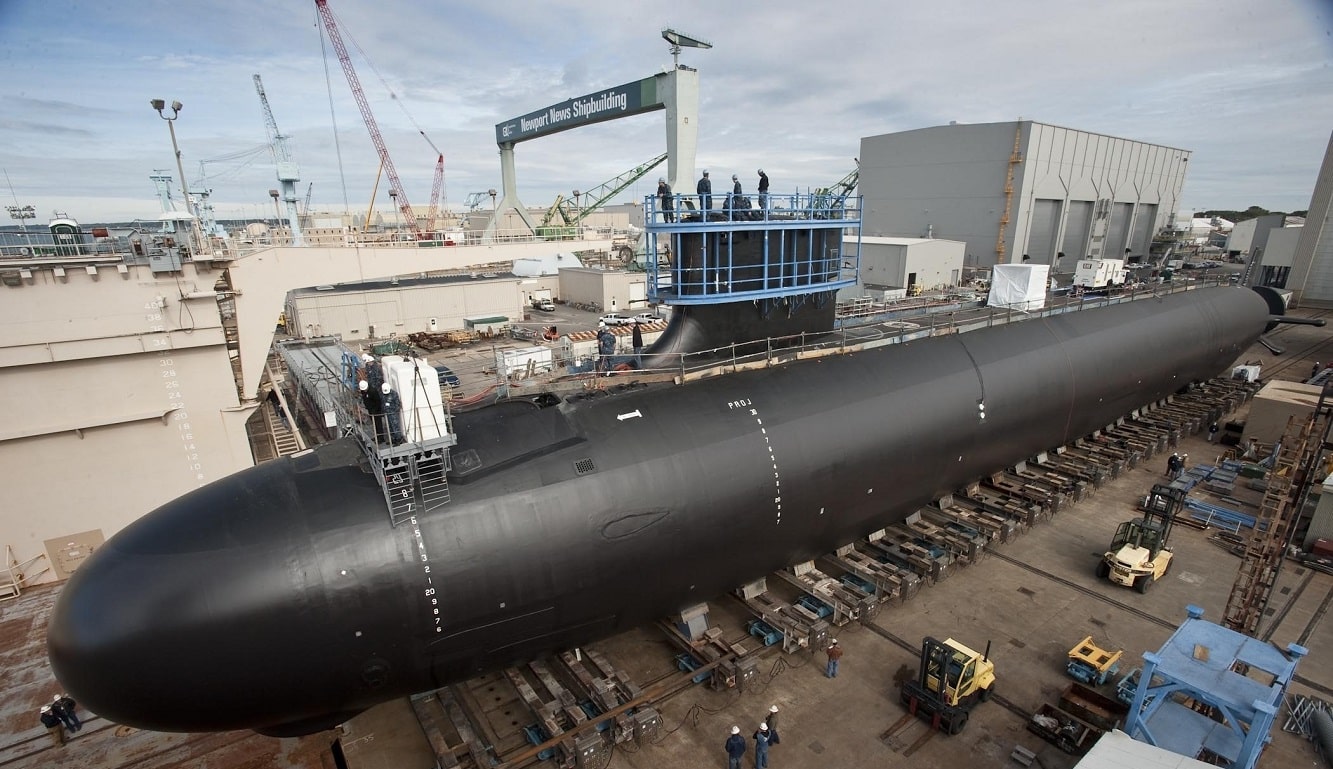
The Virginia-class attack submarine Minnesota (SSN 783) is under construction at Huntington Ingalls Newport News Shipbuilding. (U.S. Navy photo courtesy of Newport News Shipbuilding/Released)
The phrase “which the Navy will manage” is doing a lot of work in that sentence.
The Industrial Base Problem
Here is what “the Navy will manage” actually means in practice.
The American submarine design workforce is concentrated at General Dynamics Electric Boat in Connecticut, with supporting design work at HII Newport News in Virginia. These are not generic engineering teams. They are specialized workforces — naval architects, nuclear-rated systems engineers, acoustic signature specialists, weapons-integration teams — whose skills are built up over decades of continuous work on active submarine design programs.
When the Columbia-class ballistic missile submarine design effort wraps up in the late 2020s, those teams need a new program to work on. If SSN(X) detailed design does not start until the late 2030s, the gap between programs is roughly a decade. A decade is enough time for the design workforce to disperse — to retire, to leave for other industries, to lose the institutional knowledge that gets built up across years of continuous program work.
This is what the trade press has started calling the “shipyard doom loop“: once you let the workforce disperse, you cannot reconstitute it on demand. The next program suffers because the workforce that should have been ready to design it has gone elsewhere. The program slips further. Costs rise further. Confidence in the program erodes further. Future programs slip further still.
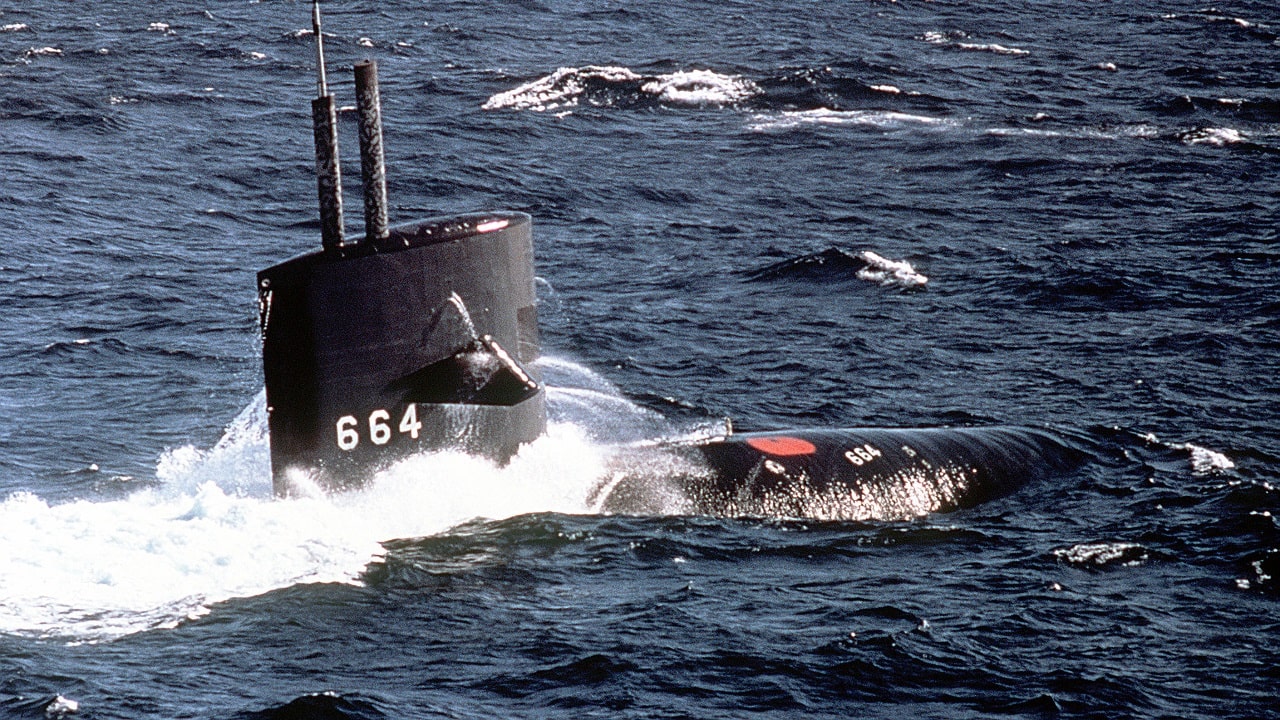
A starboard bow view of the nuclear-powered attack submarine USS SEA DEVIL (SSN-664) underway off the Virginia Capes.
The Navy’s $622.8 million annual R&D request is, in part, an attempt to keep the design teams busy enough to prevent the doom loop. Whether that funding level is sufficient to actually retain the workforce across a 14-year procurement gap is a question nobody at Electric Boat will answer on the record.
Why China and Russia Are Driving the Schedule the U.S. Navy Cannot Meet
While the United States is not building SSN(X), China and Russia are not standing still.
The Chinese People’s Liberation Army Navy is fielding the Type 093B Shang-class nuclear attack submarine in significant numbers and is in serial production with the Type 095 — a substantially quieter design that, by some assessments, approaches the acoustic performance of a Block III Virginia. INDOPACOM Commander Adm. Samuel Paparo has stated publicly that China is building submarines at a pace of roughly two boats for every 1.4 the United States manages to deliver. At current trajectories, the PLA Navy submarine fleet will exceed the U.S. attack submarine fleet in raw numbers within the next decade — if it has not done so already.
Russia, despite the broader economic and military strain of its prolonged war in Ukraine, has continued to invest in its Yasen-class (Project 885M Severodvinsk-class) attack submarine. The Yasen-class is, by Western intelligence assessments, acoustically competitive with frontline Virginia-class boats. Russia has fielded Severodvinsk, Kazan, Novosibirsk, and Krasnoyarsk; additional hulls are at varying stages of construction at Sevmash. The Yasen-M variant carries the Zircon hypersonic anti-ship missile, which fundamentally changes the calculus of carrier strike group operations within several hundred miles of any Russian-controlled waters.
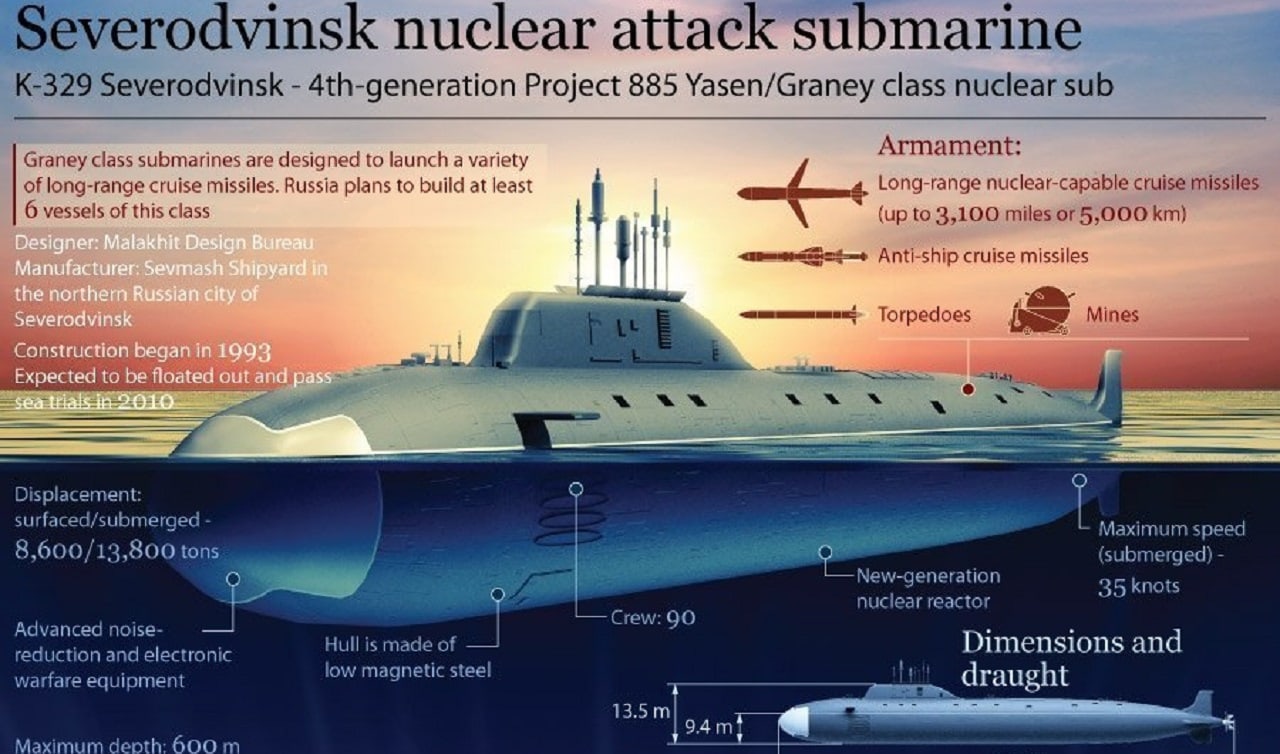
Yasen submarine diagram from Russian state media.
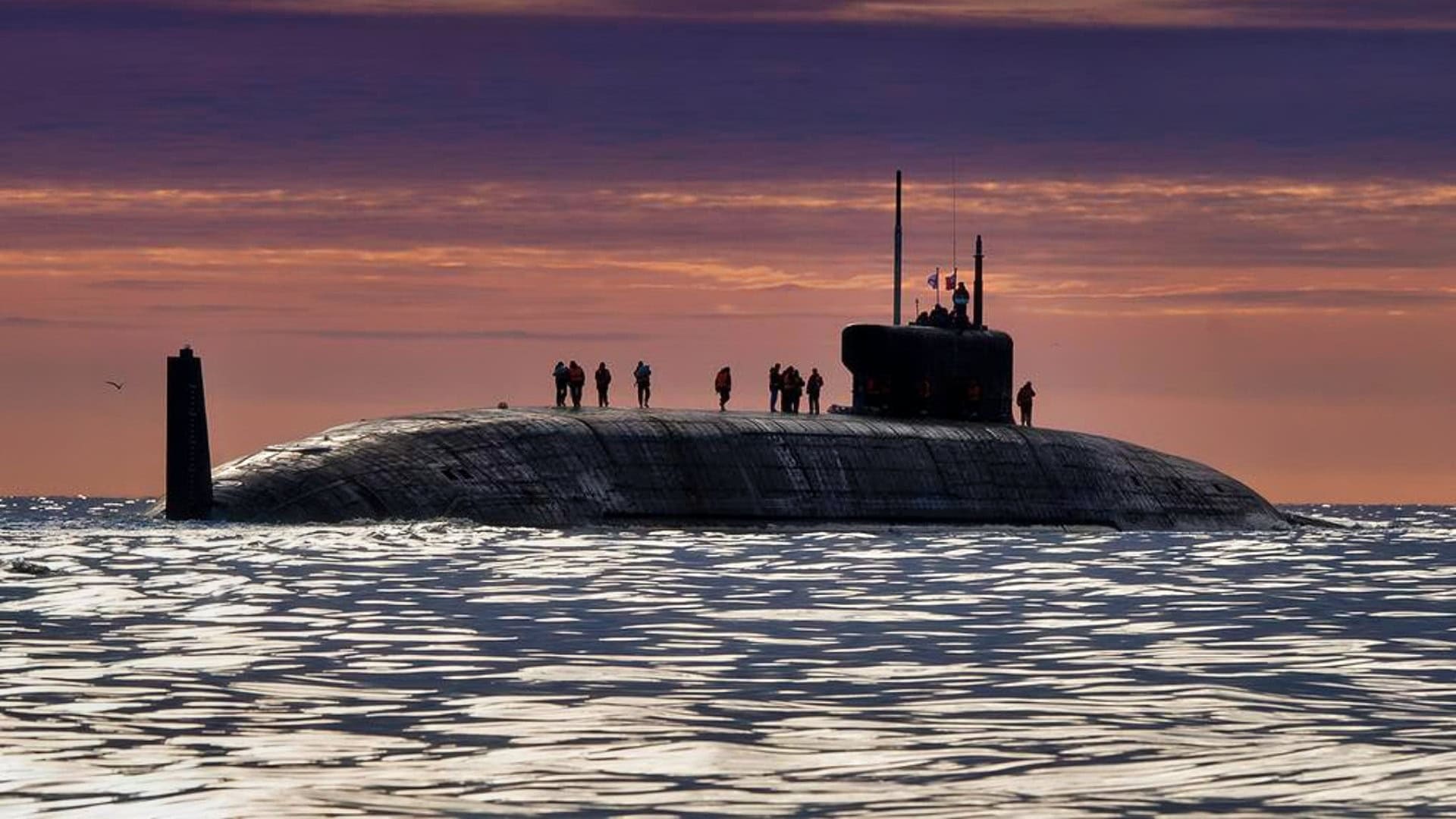
The Russian Navy is experiencing a resurgence, with new ships and submarines entering service despite ongoing challenges.
These are the boats SSN(X) was designed to dominate. SSN(X) is not expected to arrive until 2040 at the earliest. The boats it is supposed to dominate are arriving now.
The strategic gap that produced the original SSN(X) requirement is not closing. It is widening — and the schedule slip pushes the American response into a future in which the threat environment has had an additional 15 years to mature.
What Has To Happen
The Navy and Congress have a small number of available levers, and none of them is easy.
Move the SSN(X) procurement start date back from 2040 toward 2035. This requires sustained budget commitment in the late 2020s and early 2030s — billions of additional dollars per year, on top of the existing Virginia-class and Columbia-class procurement bills, the AUKUS Pillar 1 obligations to sell Virginia-class boats to Australia, and every other Navy shipbuilding requirement. It is politically painful. It is also the single most strategically important move available.
Maintain SSN(X) design workforce continuity. This is the cheaper of the two near-term moves and the one most achievable within current budget constraints. Sustained R&D funding at higher levels than the current $622.8 million per year — closer to $1 billion to $1.5 billion annually through the early 2030s — would keep the design teams intact through the gap between Columbia and SSN(X). It would not deliver a hull. It would preserve the option to deliver a hull when the procurement budget catches up.
Columbia-Class SSBN USN. Image Credit: Creative Commons.
Build a Virginia-class Block VII or Block VIII as the bridge. If SSN(X) genuinely cannot arrive until 2040, the Navy will need a more capable Virginia-class derivative to fill the operational gap in the 2030s. An extended-VPM Block VII with improved acoustic signature and additional payload capacity is technically achievable on the existing Virginia-class hull form. It is not a Seawolf-class equivalent. It is better than nothing.
Accept that the SSN(X) hull might not be the right answer. This is the unspoken option. The Navy’s cost estimate is $7.1 billion per hull. The CBO’s is $8.7 billion. If the higher estimate proves correct, building SSN(X) at a meaningful scale becomes essentially impossible within any plausible Navy shipbuilding budget. The fallback would be a smaller, more affordable next-generation design — something between the Virginia-class and the SSN(X) as currently envisioned. That conversation has not happened publicly. It is the conversation that will probably need to happen privately if the cost trajectory does not improve.
The Boat That Has To Arrive
The United States has 47 attack submarines. It needs 66. The Los Angeles-class is retiring. The Seawolf-class numbered three. The Virginia-class is being built at 1.2 boats a year against a target of 2.33. The early Virginia-class hulls themselves will start aging in the 2030s.
The next-generation boat that solves all of those problems — that recovers the Seawolf’s high-end capability, that anchors the American undersea force through the 2050s, that integrates the unmanned undersea vehicle networks that are the future of submarine warfare — is SSN(X).
It will not be procured until 2040. It will not deliver until the late 2040s. It will not be available at a meaningful scale until the early to mid-2050s.
China’s Type 095 production line is running now. Russia’s Yasen-class is fielding now. The undersea environment SSN(X) is being designed to dominate will look very different in 2050 than the Navy currently expects.
If the United States Navy gets SSN(X) right — on schedule, on cost, in numbers — the boat will be the most capable nuclear attack submarine ever built, and it will recover the strategic margin the Seawolf truncation gave away in 1995.
If the Navy does not get SSN(X) right, the late 2040s will arrive with an American submarine fleet that is older than the Chinese fleet, smaller than the Chinese fleet, and operating in waters where the qualitative edge that has defined American undersea dominance since 1945 will have, finally, been ceded.
The boat that nobody is currently building is, by a wide margin, the most important warship the United States Navy is going to need. The fight for SSN(X) is about whether that need is met.
About the Author: Harry J. Kazianis
Harry J. Kazianis (@Grecianformula) was the former Senior Director of National Security Affairs at the Center for the National Interest (CFTNI), a foreign policy think tank founded by Richard Nixon based in Washington, DC. Harry has over a decade of experience in think tanks and national security publishing. His ideas have been published in the NY Times, The Washington Post, The Wall Street Journal, CNN, and many other outlets worldwide. He has held positions at CSIS, the Heritage Foundation, the University of Nottingham, and several other institutions related to national security research and studies. He is the former Executive Editor of the National Interest and the Diplomat. He holds a Master’s degree focusing on international affairs from Harvard University. Kazianis is Editor-In-Chief of 19FortyFive.

