
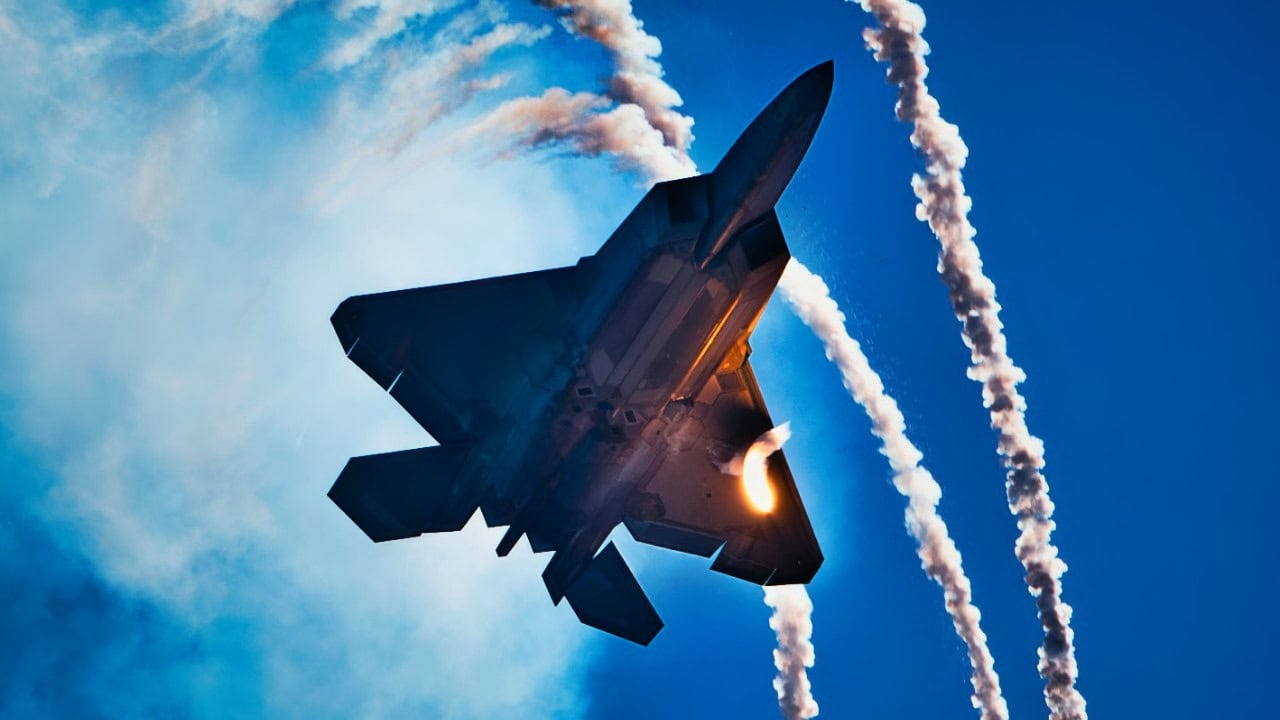
The 5 Biggest Air Forces on Earth by Total Military Aircraft: A Raw-Numbers Look at Who Flies the Most Planes, and Why America Wins This One – By raw count, the biggest navy on earth flies the Chinese flag, and so does the biggest army. Count warships by the hull, and China comes first; count soldiers by the head, and China comes first again. Air power is the one place where the pattern breaks. By total military aircraft, the United States is not merely first; it leads by a margin no other category in this comparison approaches, operating close to a quarter of every military aircraft flying anywhere on the planet, more than the next three nations combined. The reason is structural. Counting every fixed-wing and rotary platform across four services, the Air Force, Navy, Army, and Marine Corps, no other country fields that breadth, and even this crude raw count, the kind that flatters bloated paper fleets, still leaves America alone at the top.
What the count does not measure is whether those aircraft can fly when they are needed, and that gap matters more in the air than anywhere else.
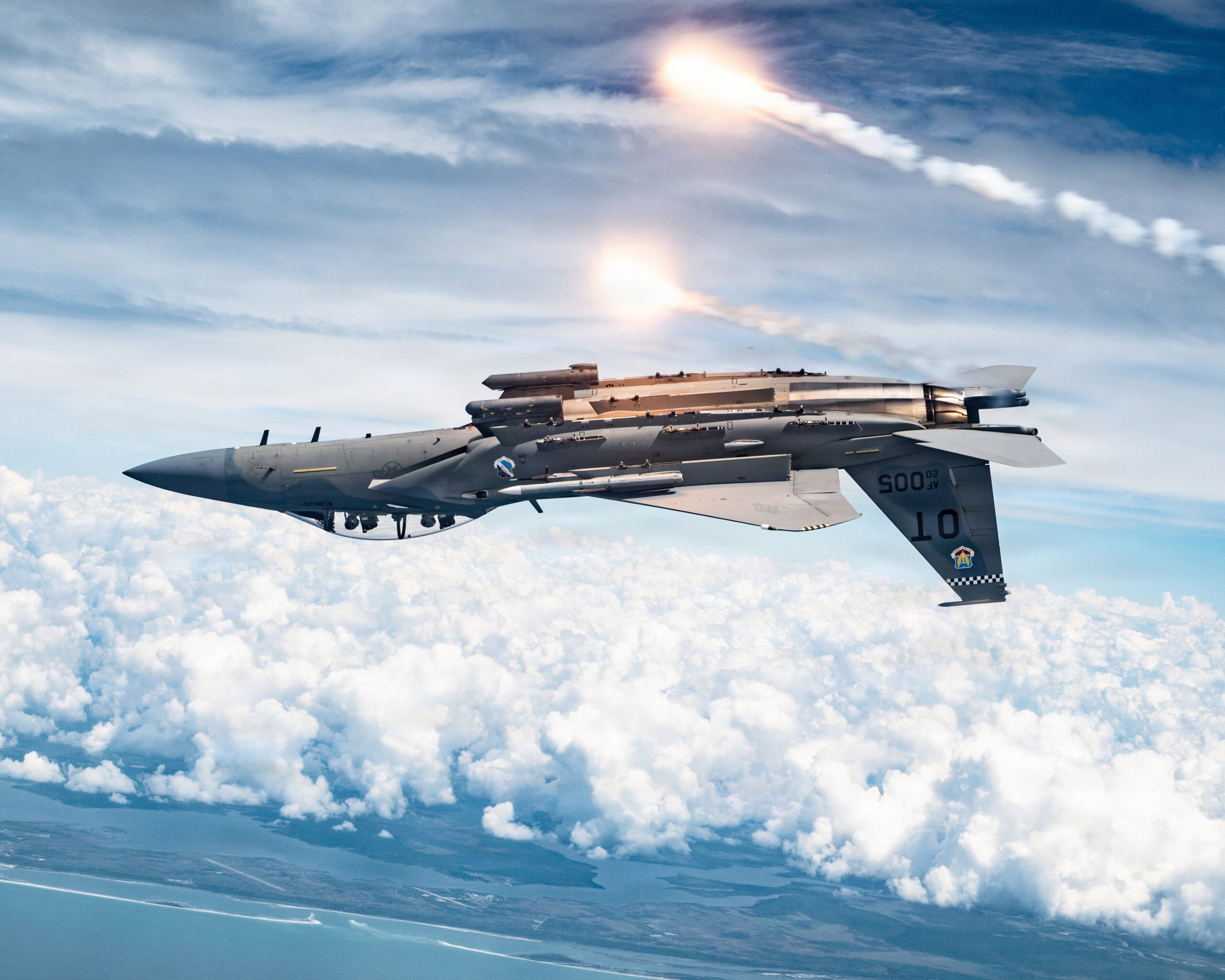
A U.S. Air Force F-15EX Eagle II assigned to Eglin Air Force Base, Florida, releases flares over the Gulf Coast, April 3, 2026. The 96th Test Wing and 53rd Wing perform developmental and operational test series on the platform including next-generation survivability, radars, sensors and networking capabilities. (U.S. Air Force photo by Tech Sgt Thomas Barley)
How This Ranking Counts Aircraft, and Why the Raw Number Misleads
The method must be stated plainly before the list, because the choice of what to count determines the order. And I ordered it in a way to be unconventional and make us all put our thinking caps on.
No. Hate. Mail. Please. Thanks.
This ranking uses total military aircraft, every fixed-wing and rotary-wing platform in service across all branches of a country’s armed forces, fighters, bombers, transports, tankers, trainers, surveillance planes, and helicopters, each counted once regardless of type, age, or mission.
It is the most literal reading of “biggest air force,” and it is also the most generous, because it makes no distinction between a frontline stealth fighter and a fifty-year-old trainer parked at the edge of a runway. The headline figures here draw principally on the 2026 World Air Forces directory published by FlightGlobal, using Cirium fleet data, which counts just over 52,200 in-service military aircraft across 161 nations, supplemented by figures from the International Institute for Strategic Studies and national sources. Where raw counts come from open-source trackers such as Global Firepower and the World Directory of Modern Military Aircraft, they are cited as the source of the counts, not treated as authorities.
One caveat runs through every entry and deserves to be stated at the outset. FlightGlobal itself notes that it lists aircraft as active in an accounting sense rather than a readiness sense, which means a fleet total can include airframes that are technically on the books but would struggle to fly a combat sortie. That distinction cuts unevenly across countries.
The United States keeps retired aircraft in the desert at Davis-Monthan and does not count them in its active total, while other air forces leave aging jets parked at airbases where satellite-watching analysts add them to the inventory.
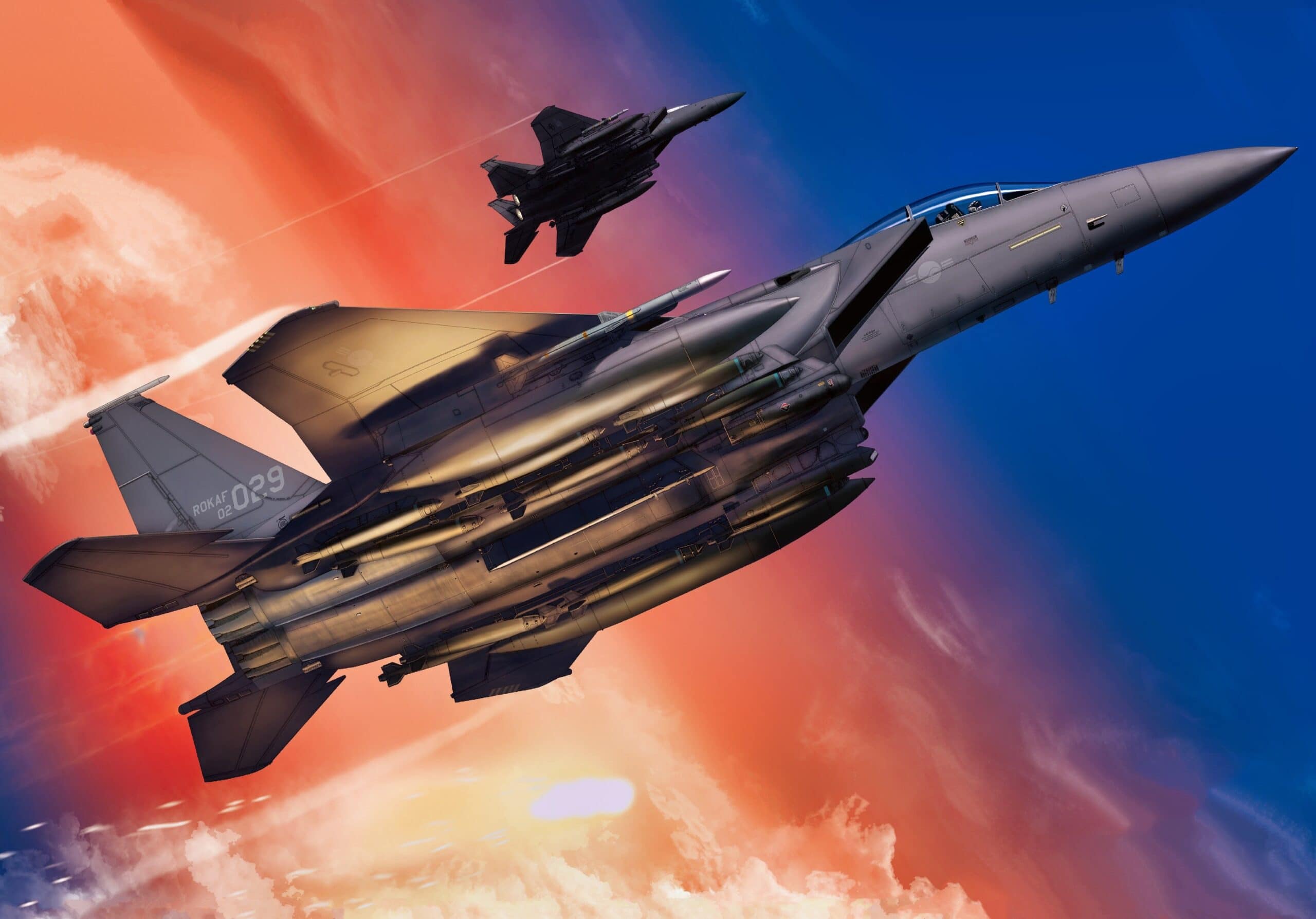
F-15 Fighter Artist Rendition.
So a raw count rewards the country that counts most liberally, and it says nothing about pilots, flight hours, spare parts, munitions, or whether the airframe has a working engine. Aircraft count, like hull count and troop count, measures scale and nothing else.
With that fixed in mind, here are the five largest air arms in the world by total military aircraft, counting down from five to one.
Number 5: South Korea’s Republic of Korea Air Force
South Korea takes the fifth slot with roughly 1,540 total military aircraft, about 3% of the global fleet, a remarkably large air arm for a country its size, and a direct product of living next to North Korea. The Republic of Korea Air Force is one of the most fighter-heavy forces in the world relative to population, built around a core of F-15K Slam Eagles and upgraded F-16 variants, with the inventory weighted toward combat aircraft rather than the sprawling support and rotary fleets that pad out larger totals.
What makes South Korea more than a numbers entry is the modernization underway. The ROKAF has taken delivery of an initial 40 F-35A stealth fighters and has ordered 20 more. In March 2026, it rolled out the first production KF-21 Boramae, a domestically built 4.5-generation fighter with a reduced radar cross-section and an indigenous AESA radar, with 40 due by 2028 and a planned fleet of 120 by 2032.
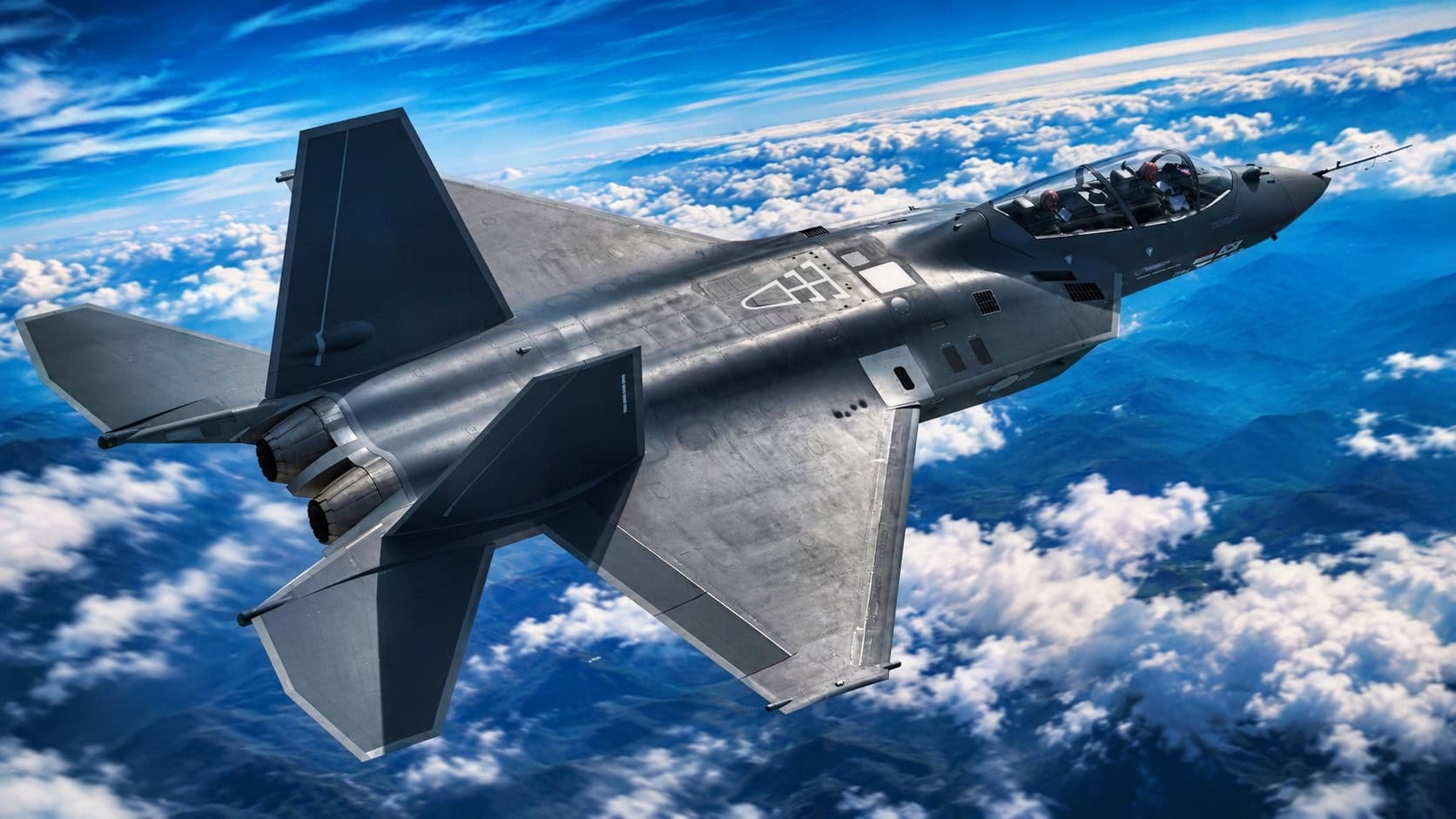
KF-21 ROK Fighter Jet. Image Credit: Creative Commons but Enhanced with Banana Nano.
The KF-21 matters strategically because South Korea controls its own supply chain for the aircraft, which means it can upgrade and sustain the fleet without waiting on foreign approval, an advantage few regional air forces have. Seoul has also tied its 2026 defense budget to drones and AI systems intended to pair with the KF-21 and F-35. South Korea sits fifth on raw aircraft count, but unlike the obsolete-heavy fleets further down the global list, most of what it flies is modern and combat-relevant, which is the distinction this ranking is built to surface.
Number 4: India’s Indian Air Force
India holds fourth place with roughly 2,180 to 2,300 total military aircraft, depending on the source, around a 4% share of the global fleet, and the largest air arm in the world outside the top three. The bulk of the fleet is with the Indian Air Force, supported by smaller naval and army aviation branches, and the fleet is among the most heterogeneous anywhere, flying Russian, French, Anglo-French, and indigenous types at the same time.
That diversity is the defining feature of Indian air power, and it cuts both ways. According to the IISS Military Balance analysis of Indian fighter procurement, the Russian-origin Su-30MKI is the most numerous type at around 261 aircraft, alongside 36 French Rafales as the most capable, aging Mirage 2000 and MiG-29 fleets, SEPECAT Jaguars, and the growing indigenous HAL Tejas, which is replacing the last of the Soviet-era MiG-21s retired in 2025.
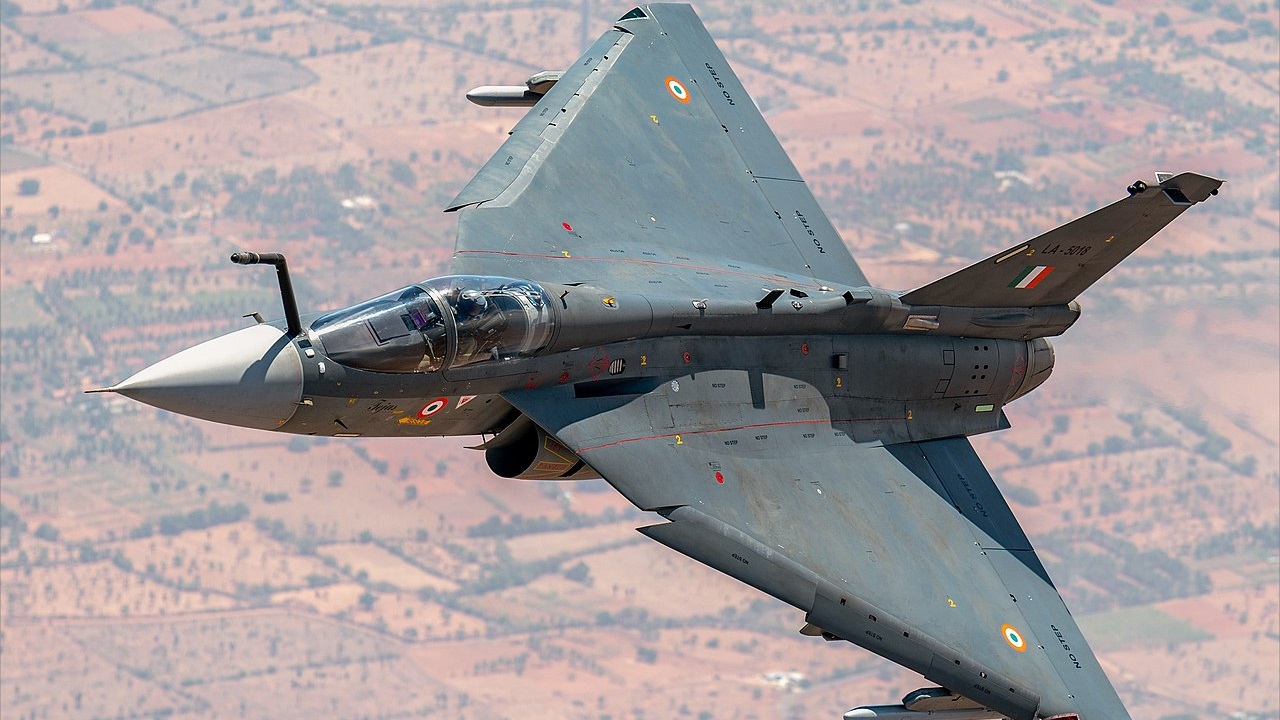
HAL Tejas (LA-5018) of Squadron 18 Flying Bullets doing air maneuver.
Flying jets from multiple supplier nations means no single country can ground the fleet by withholding parts, but it also forces India to run parallel supply chains, training pipelines, and maintenance regimes for every type, and the IAF is down to roughly 29 fighter squadrons against a sanctioned strength of 42, a gap driven by retiring old jets faster than new ones arrive. India is the world’s largest arms importer and is pushing hard to build more at home under its self-reliance initiative, with the Tejas Mark 1A, an expanded Rafale buy, and an indigenous fifth-generation program in development. The IAF’s two standing missions, deterring Pakistan to the west and China along the Himalayan frontier, keep it large, and its investment in transport and tanker aircraft gives it more reach than most of the forces below it on the list.
Number 3: China’s People’s Liberation Army Air Force
China ranks third in total military aircraft, with roughly 3,500, a figure that trails Russia on the raw count but leads it in the measure that matters most: fighters. China operates around 1,440 fighter and interceptor aircraft, more than Russia and second only to the United States, which means its frontline combat fleet is far larger than its third-place total would suggest. The aircraft fly across the People’s Liberation Army Air Force, the PLA Naval Air Force, and army aviation, with the PLAAF operating the majority.
China’s air force is improving fastest, and its trajectory is what sets it apart from every fleet below it. Its military modernization, documented in the Pentagon’s annual report to Congress, has produced the world’s second-largest fifth-generation fleet.
The Chengdu J-20 stealth fighter has passed 300 aircraft in service, with production estimated at roughly 100 a year, and the Shenyang J-35 carrier-capable stealth fighter is maturing, with around 300 reportedly produced and roughly 250 expected to be operational, a total that is often not even folded into the headline fleet count.
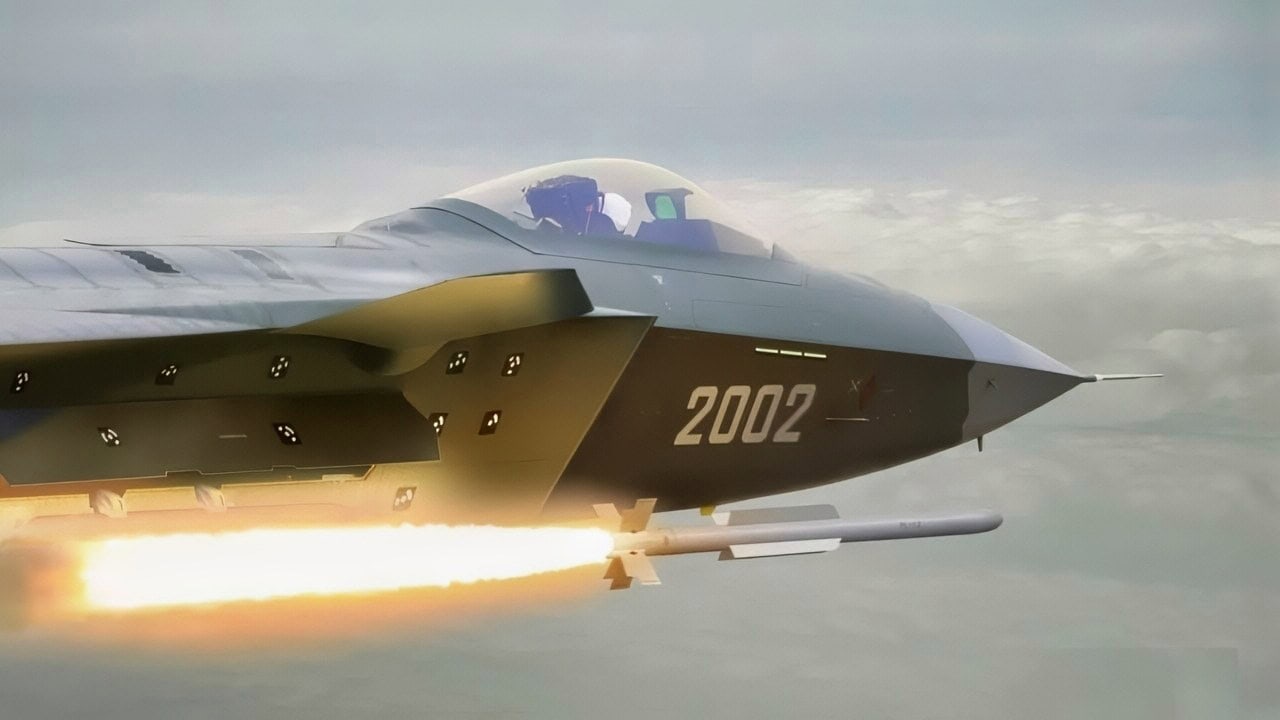
J-20 Mighty Dragon Stealth Fighter
The IISS has tracked the J-20 fielding climbing well past the 187 F-22s the United States built, and China now produces J-10C and J-16 multirole fighters that RUSI’s Justin Bronk assesses already outperform their Russian Su-35S equivalents on key metrics such as radar and long-range missiles.
The familiar shortcomings remain: no major combat experience since 1979, an officer corps that has not fought a war, and a logistics base less proven than its hardware. The trajectory, though, runs in one direction: China is closing the gap in quality while leading the field in fighter numbers.
Number 2: Russia’s Aerospace Forces
Russia ranks second in total military aircraft, with roughly 4,200 to 4,300 airframes on the raw count, the second-largest fleet on paper, with about 80% operated by the Aerospace Forces and 20% by Naval Aviation. The inventory includes genuinely capable types, the Su-35 multirole fighter, the Su-34 strike aircraft, the limited-production Su-57 stealth fighter, and the Tu-160 and Tu-95 strategic bombers, alongside a helicopter fleet of more than 1,500.
This is the entry where the paper count and the real fleet diverge most sharply, and getting it right is what separates honest analysis from a spreadsheet. The raw total is inflated by large numbers of older Soviet-era aircraft, and RUSI’s Justin Bronk has assessed Russia’s air power by discounting the aging MiG-29s, Su-24s, and Su-25s, leaving a more realistic fighting strength of roughly 545 to 560 fighters plus 110 to 115 bombers.
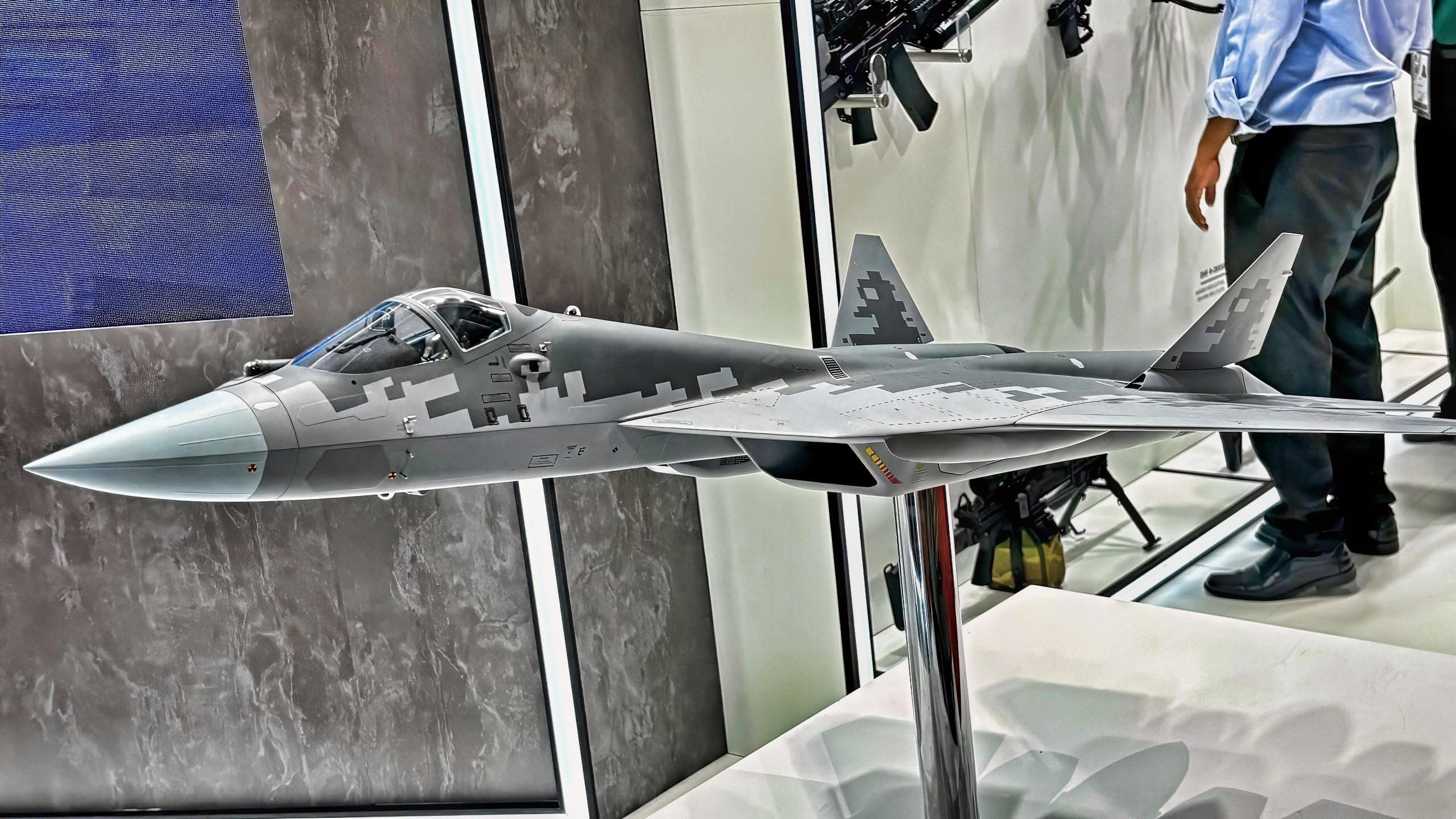
Model Su-57 Felon Fighter. Image taken by Reuben F. Johnson for 19FortyFive.com on 4/20/2026.
The more important and frequently missed point cuts the other way. Despite three and a half years of war and steady combat losses, Bronk’s data shows that deliveries of modern Russian types, the Su-35S, Su-34, Su-30SM2, and Su-57, have marginally outpaced the aircraft lost since 2022, so the modern core of the VKS has held and even grown slightly, even as Russia has failed to win air superiority over Ukraine and has leaned increasingly on standoff glide bombs and drones.
The fleet is numerically enormous and propped up by obsolete airframes, but the part of it that can actually fight is smaller, more modern, and more durable than the headline number or the simple decline narrative suggests. Russia’s overall fighter production, running at perhaps a few dozen new jets a year, is not enough to modernize the whole force, which is why the obsolete share keeps aging in place.
Number 1: The United States and Its Four Air Arms
The United States operates the largest military aircraft fleet in the world by a margin nothing else approaches, more than 13,000 aircraft across four services, roughly a quarter of every military aircraft in service anywhere on earth, and more than the next three countries combined.
The fleet is divided among the Air Force, with more than 5,000 aircraft; the Army, with more than 4,000, mostly helicopters; the Navy, with nearly 3,200 carrier-based and specialized aircraft; and the Marine Corps, with roughly 1,000. The Navy and Marine air arms alone would rank among the largest air forces on the planet.
This is the case where raw count and real capability point in the same direction, which is what makes the American number different from China’s hull lead or troop lead. The United States fields the world’s only fifth-generation fighter fleet at scale, with roughly 180 F-22 Raptors, the premier air superiority fighter, and an F-35 Lightning II fleet that has surpassed 630 aircraft across the Air Force, Navy, and Marines, out of more than 1,200 delivered globally.
It operates the only stealth bombers in service, the B-2 Spirit and the new B-21 Raider already in testing and early fielding, atop a continuously upgraded B-52 fleet. None of that scale is static or guaranteed, and the honest picture includes strain.
According to a USAF analysis report obtained by FlightGlobal, the Air Force’s combat-coded fighter inventory stands at roughly 1,271 jets in fiscal 2026, and the service says it needs to grow to 1,558 by 2035, a 22% increase it concedes will be hard to reach given the age of the fleet and limited production capacity.
The same report, detailed by The Aviationist, describes a tactical fighter force that has atrophied under years of underinvestment, with average aircraft ages at record highs even as F-35A and F-15EX deliveries continue. The United States also spends more on defense than any other country, with the Stockholm International Peace Research Institute putting its outlay near 997 billion dollars and the 2026 budget expected to top a trillion, funding the tankers, satellites, bases, and training that turn a large fleet into global reach. It is first on this list by raw count and first by capability, the only entry where those two measures agree.
Aerospace Questions: What Aircraft Counts Do and Do Not Show
Total aircraft is a starting point, not a verdict, and the gap between the count and real combat power is wider in the air than in almost any other category of military strength.
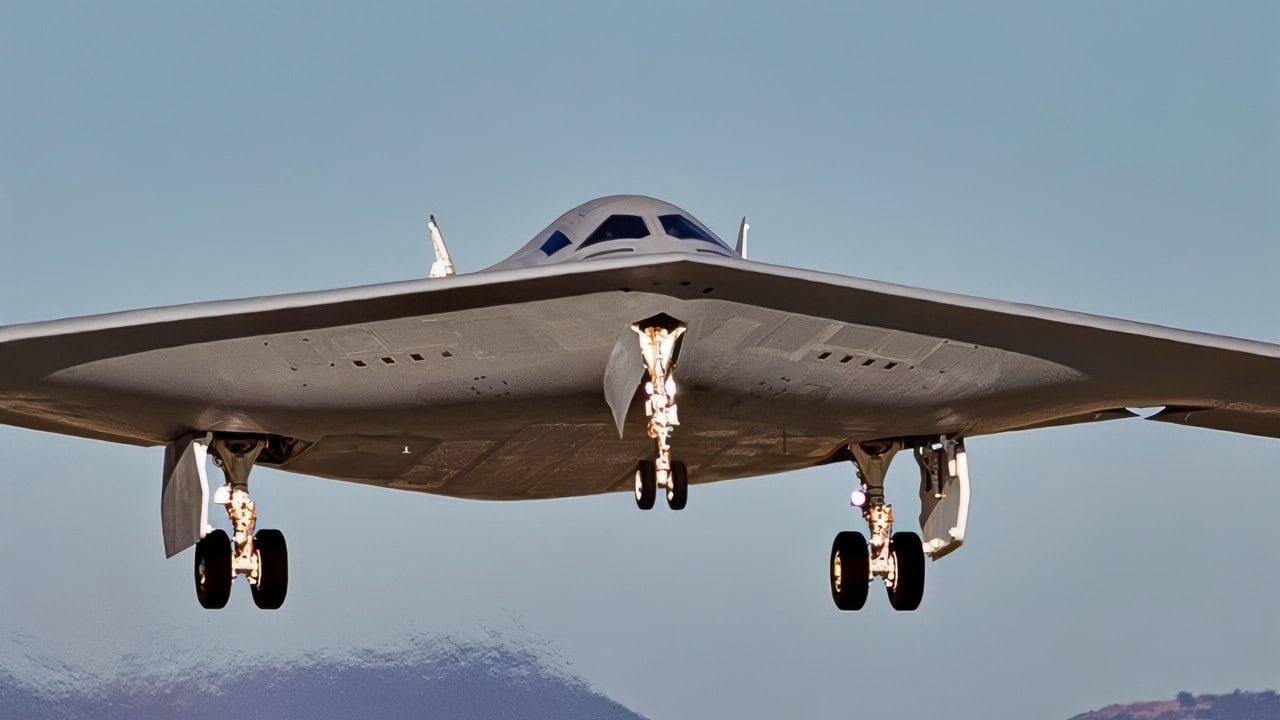
A second B-21 Raider test aircraft takes off, Sept. 11, from Palmdale, Calif., to join the Air Force’s flight test campaign at Edwards Air Force Base, Calif. The addition of the second test aircraft expands mission systems and weapons integration testing, advancing the program toward operational readiness. (Courtesy photo)
The clearest illustration sits just outside the top tier. North Korea ranks around twelfth in the world by total aircraft and fields several hundred fighters, more than many countries with larger overall fleets, but nearly all of them are obsolete MiG-21s, MiG-23s, and MiG-29s and Cold-War-era J-7s that would be outmatched by any modern integrated air defense, the same hollow-on-paper pattern that a coastal patrol fleet or a conscript army shows.
Several capable air forces sit just below the top five on raw count and would reorder the list under different rules: Pakistan at roughly 1,400 aircraft, Turkey at roughly 1,100, Egypt at roughly 1,090, and France at roughly 970, the last of which carries a nuclear deterrent and an expeditionary reach that its modest fleet size understates.
Smaller still, Israel operates only a few hundred airframes, yet is widely regarded as one of the most effective air forces in the world on the strength of its F-35I fleet and combat tempo.
What a raw aircraft count captures is the scale of a nation’s air arm and the breadth of services flying it. Whether those aircraft are modern, maintained, crewed by well-trained pilots, and backed by the munitions and logistics to sustain a fight, the factors that actually decide air wars are the parts no inventory total will ever show.
About the Author: Harry J. Kazianis
Harry J. Kazianis (@Grecianformula) was the former Senior Director of National Security Affairs at the Center for the National Interest (CFTNI), a foreign policy think tank founded by Richard Nixon based in Washington, DC. Harry has over a decade of experience in think tanks and national security publishing. His ideas have been published in the NY Times, The Washington Post, The Wall Street Journal, CNN, and many other outlets worldwide. He has held positions at CSIS, the Heritage Foundation, the University of Nottingham, and several other institutions related to national security research and studies. He is the former Executive Editor of the National Interest and the Diplomat. He holds a Master’s degree focusing on international affairs from Harvard University.

