Aerospace & Defense
A lit match dropped into a bucket of JP-7 went out. The fuel dissolved hose linings, demanded its own fleet of 56 modified KC-135Q...
Hi, what are you looking for?

A lit match dropped into a bucket of JP-7 went out. The fuel dissolved hose linings, demanded its own fleet of 56 modified KC-135Q...
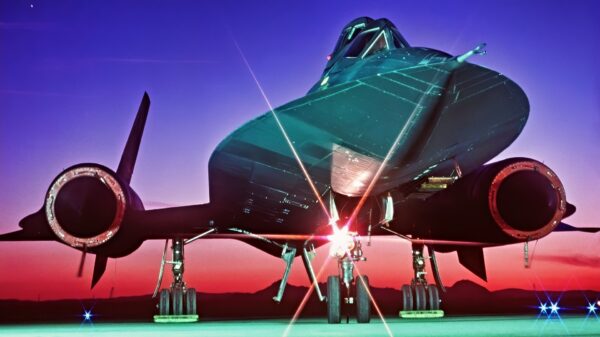
Its cavities may be packed with sand and water, its engines have sat for 30-plus years, and the spare parts were disposed of in...
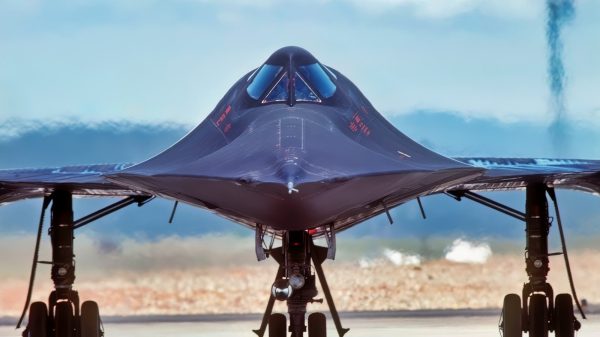
Tail number 844 flew the last SR-71 sortie anyone has flown, then went on a stand near the Armstrong Flight Research Center and stayed...
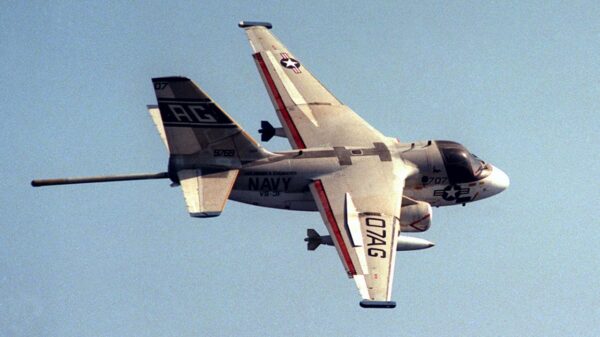

The S-3 Viking had ten hours of endurance, could make better than 500 mph at 25,000 feet, and carried a four-man crew with sonobuoys...
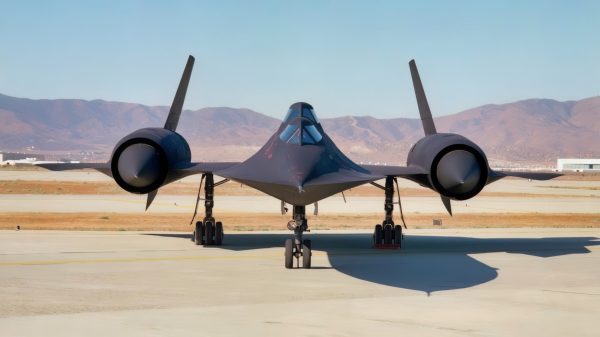
The Iowa-class battleships cost a fortune to revive for a few years of service. The Air Force buys new F-15s rather than pull Boneyard...
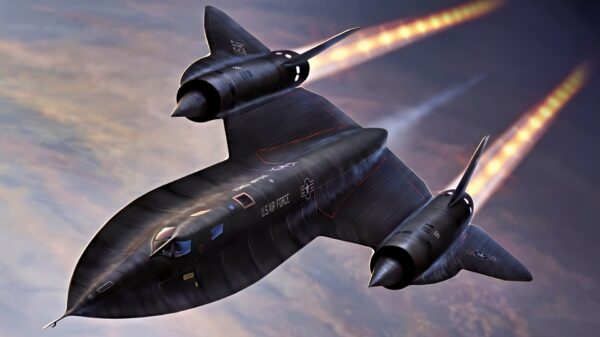
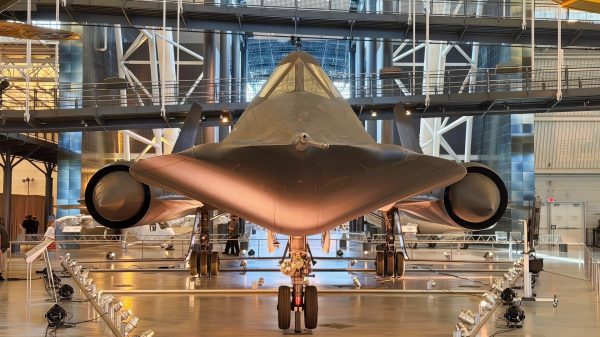
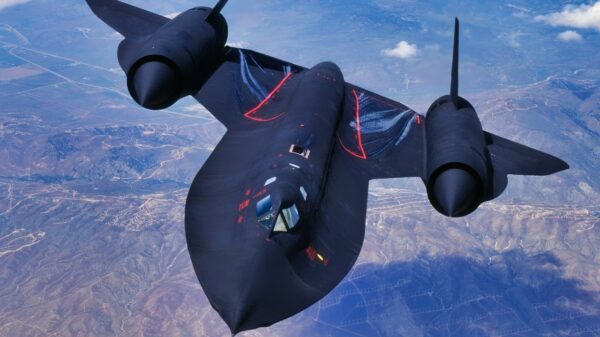
Reviving the SR-71 Blackbird means finding four J58 engines, replacing rodent-chewed wiring, building two JP-7 tankers and absorbing 300 maintenance hours per hour aloft....
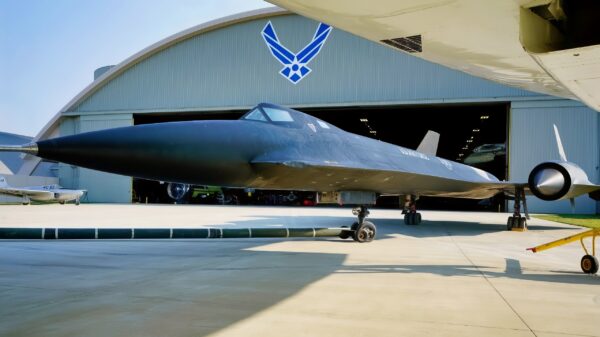

In February 1964 the White House announced a new interceptor called the A-11 so anyone spotting the sleek black jets would think fighter, not...
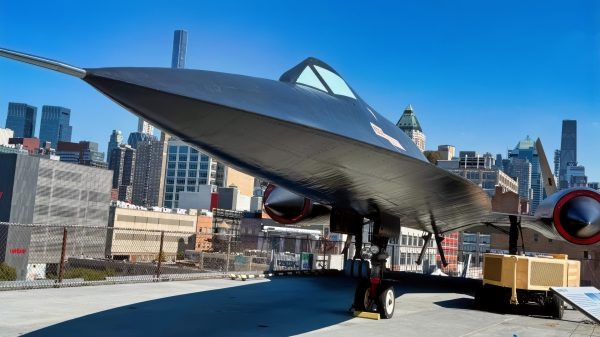
Kelly Johnson's idea was to turn the CIA's A-12 into a missile truck that could sit above 80,000 feet at three times the speed...
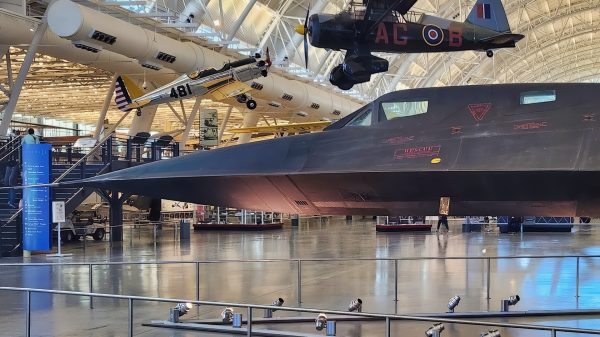
On May 15, 1972, Maj. Tom Pugh and Maj. Ronnie Rice were flying the SR-71 known as "Rapid Rabbit" at Mach 3.2 when both...

The silhouette fits a push Isaacman has made since his second day on the job last December, when he told employees he wanted an...