Aerospace & Defense
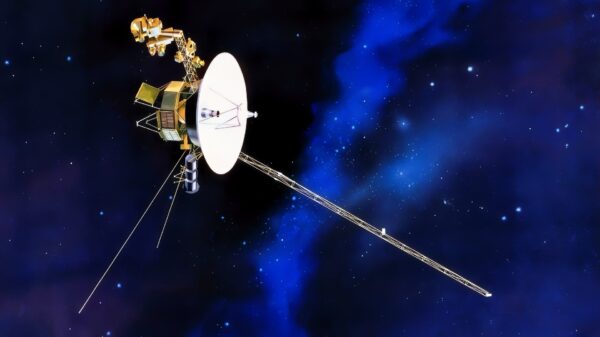
In 1977, NASA launched two spacecraft during an ultra-rare window of celestial mechanics that humanity would not experience again for roughly 175 years. The...
Hi, what are you looking for?

In 1977, NASA launched two spacecraft during an ultra-rare window of celestial mechanics that humanity would not experience again for roughly 175 years. The...
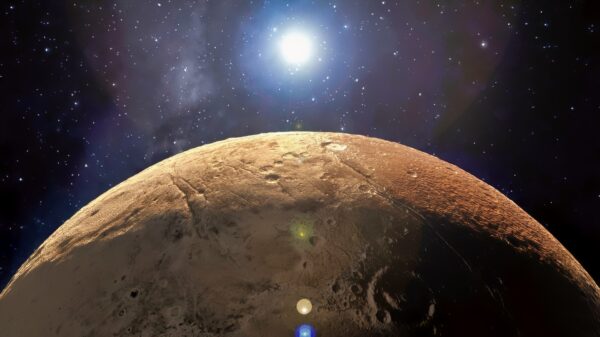
The vote was 424 hands in a half-empty hall on the assembly's last day, and the definition's third clause — cleared the neighborhood —...
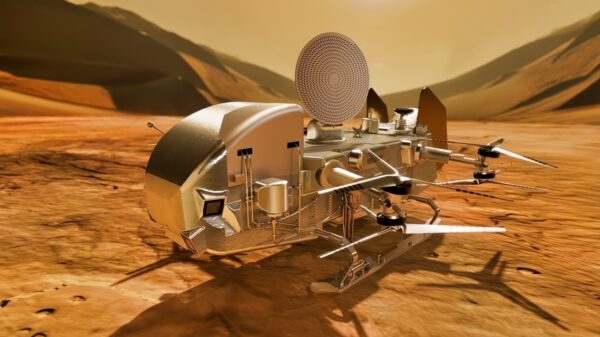
NASA's Dragonfly mission will send a nuclear-powered rotorcraft to Titan, Saturn's largest moon, where methane evaporates, methane clouds form, rain falls, rivers cut channels...
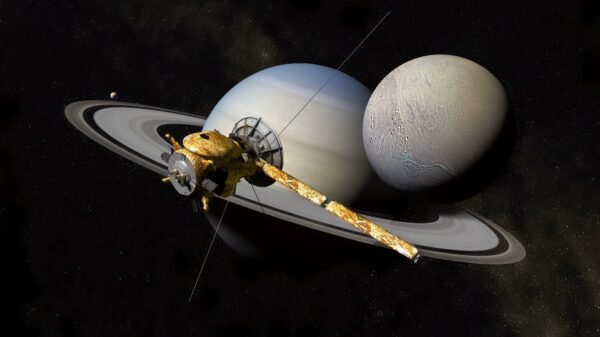
The probes rewrote Saturn's rings: possibly younger than the dinosaurs, raining an Olympic pool of ice into the planet every half hour, ten meters...
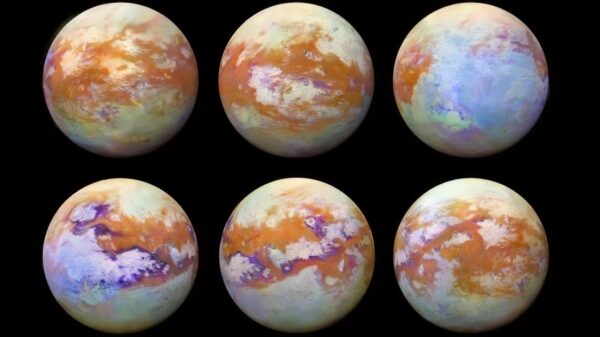
Saturn's moon Titan looks uncannily like Earth: clouds, rain, rivers, lakes, seas, coastlines, dunes, and seasons. Then you learn the rain is liquid methane,...
NASA is about to try something it has never attempted: instead of another six-wheeled rover, it will fly a car-sized, plutonium-powered drone across the...
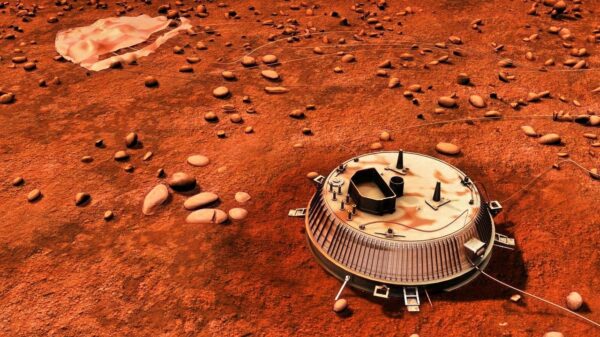
Most probes orbit worlds or fly past them. In January 2005, Europe's Huygens did something far rarer: it landed. Carried across the solar system...
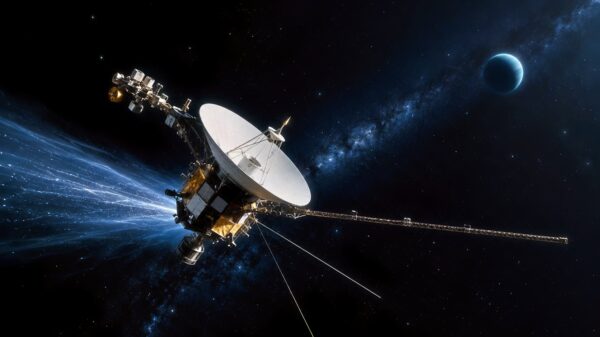
Voyager 2 is one of the greatest engineering achievements in history. Launched in 1977, it visited Jupiter, Saturn, Uranus, and Neptune before sailing on...
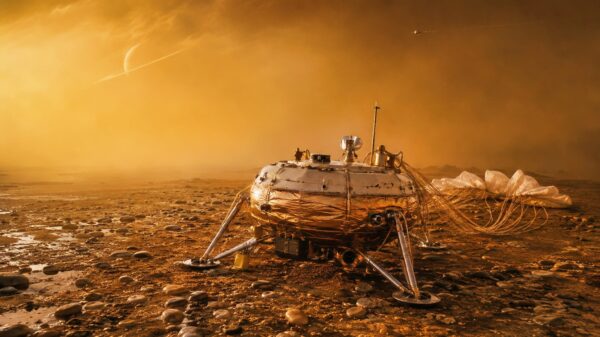
Humanity has landed in the outer solar system exactly once: on Saturn's moon Titan, in January 2005, when a European probe named Huygens parachuted...
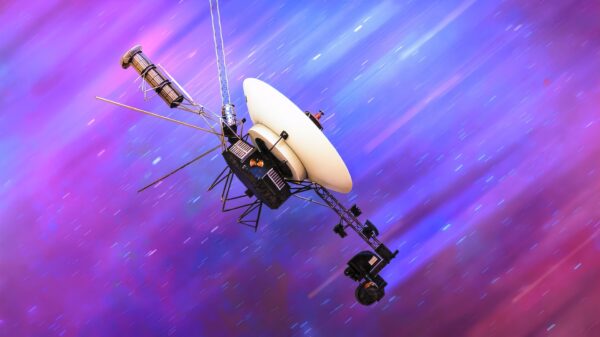
Once every 176 years, the four giant planets line up so a single spacecraft can slingshot from one to the next in a single...