
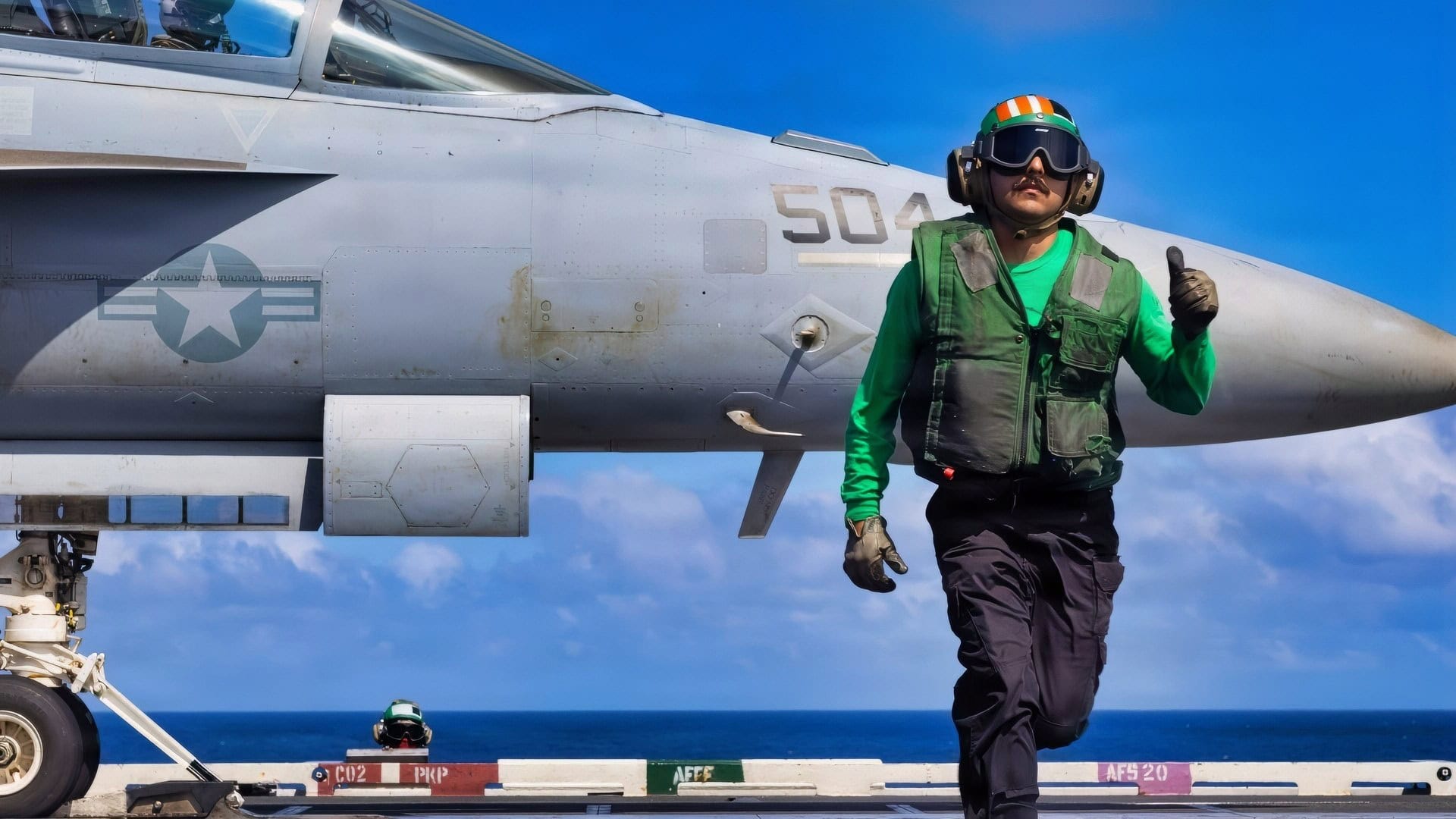
The 8 Great Powers That Will Shape Global Politics for Decades
The phrase of the year in international relations has been “sphere of influence.”
Driven by a purported desire to redirect American energy and attention to the Western Hemisphere, the US national security strategy emphasized that the United States should be dominant within its own neighborhood, implying that other great powers, such as Russia and China, are due a degree of deference within theirs.
However, Russia, China, and the United States are not the only players, nor are they the most important.
As we enter the second quarter of the 21st century, here is a list of eight great powers that will determine the course of international politics for the foreseeable future.
For context, see our 2025 list (a video version is above as well) to see what may or may not changed.
India
India has walked a long and uneven road to global prominence. The very size of the Indian population made it an important player in the immediate wake of independence, although a sclerotic economic system and a troublesome neighborhood created hard limitations on New Delhi’s power.
Nonetheless, India spearheaded anti-colonial sentiment and launched institutional alternatives to both the Soviet and Western principles of global order.
India also maintained a robust democratic culture, even amid periodic authoritarian backsliding during and after the Cold War.
Now, the moment feels like it belongs to India.
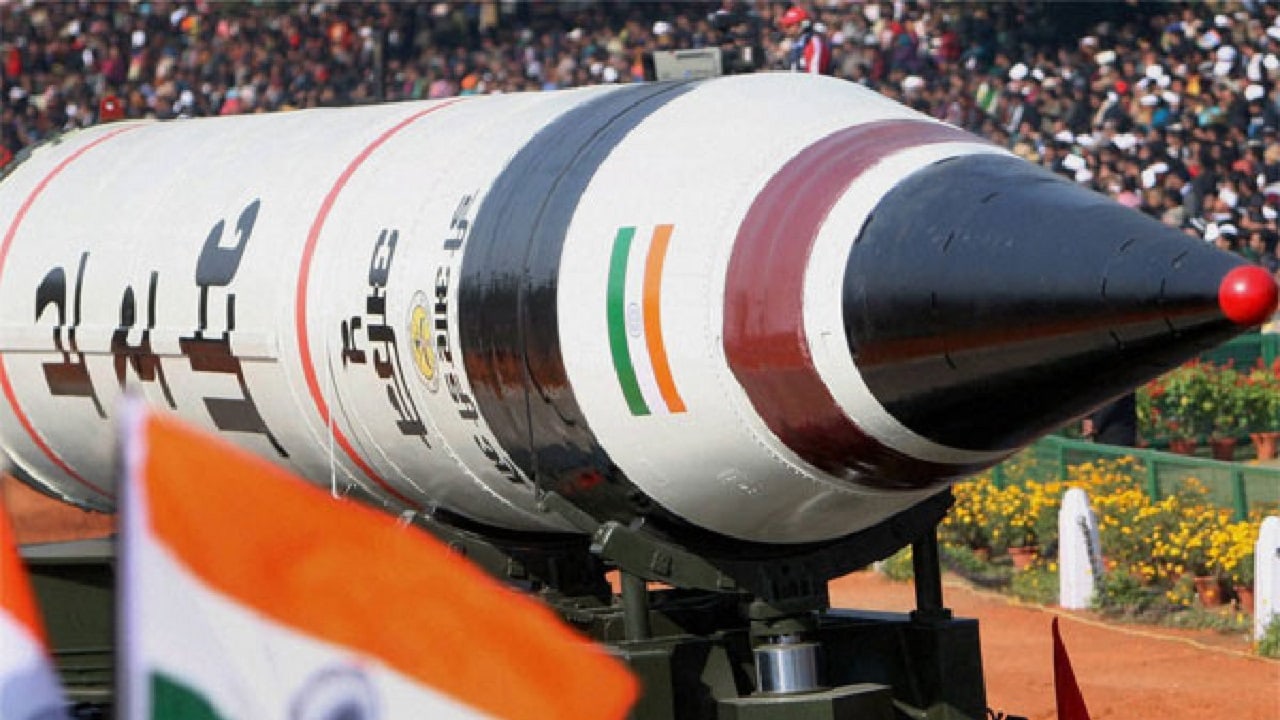
India’s nuclear weapons program is one of the world’s most advanced.
India finally passed China in total population in 2023, and does not suffer from the kinds of demographic problems that plague many of the other countries on this list.
New Delhi has carefully played the diplomatic game during the Russia-Ukraine War and has maintained good-enough relations with both Russia and the United States.
Careful diplomacy has also reduced tensions with China. India’s technological future appears promising, with a large cadre of well-educated and entrepreneurially minded workers.
Landmines remain; Trump’s ascension has strained relations with the US even with the conclusion of a new trade agreement. Nevertheless, India is in a strong position as we pass the quarter mark of the 21st century.
Japan
For decades, Japan’s position among the world’s great powers has been controversial, largely because of Tokyo’s relatively small defense posture in the wake of the Second World War.
The Cold War witnessed the substantial expansion of Japan’s economic and financial power under the aegis of Tokyo’s alliance with the United States. Japanese firms reached the very edges of the technological frontier and transformed patterns of trade across the Global North.
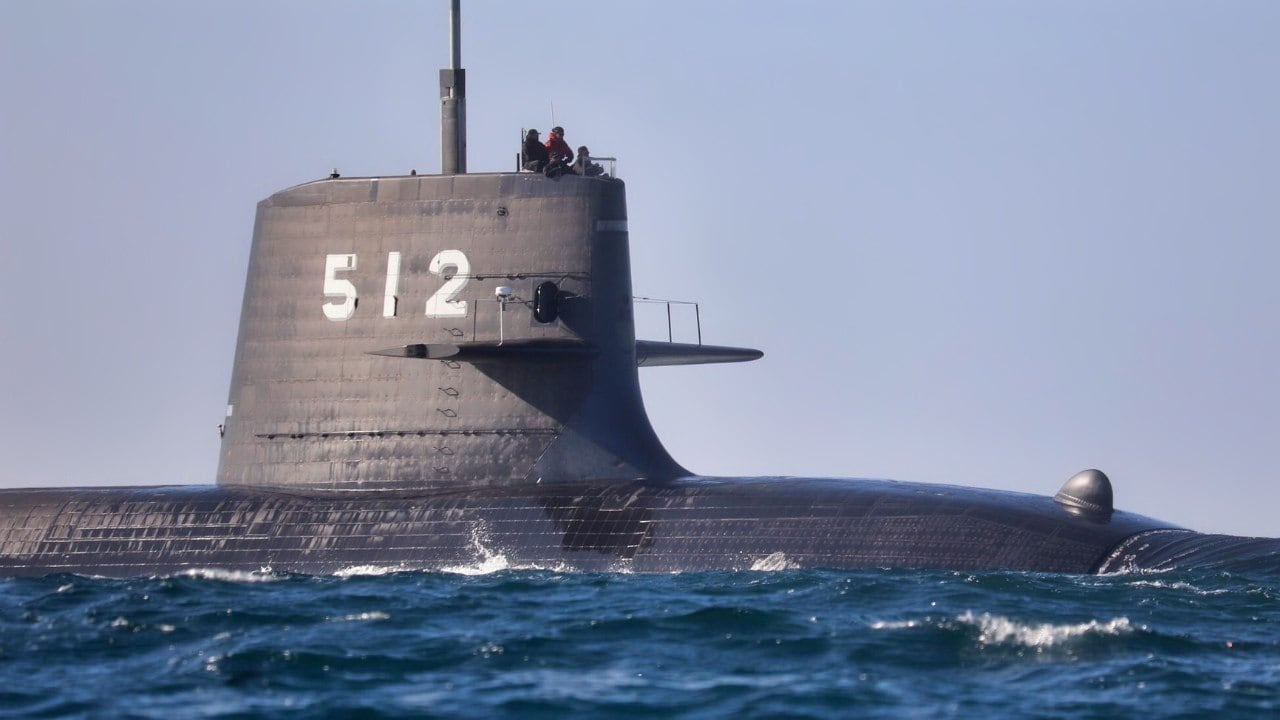
Soryu-Class Japan Submarines. Image Credit: Creative Commons.
But Japan’s military restrictions have limited its strategic influence. Over the past several years, this has changed, even as Japan has begun to face serious demographic challenges and an outmoded financial system.
And yet Japan remains immensely wealthy and at the forefront of many critical global technologies. The world’s fourth-largest economy is more than capable of building and maintaining a world-class military establishment, and Tokyo seems to be moving in that direction.
Brazil
Brazil is the country of the future and always shall be, or so many have said across the country’s long history.
With a large population, a favorable resource endowment, and a strong territorial position in South America, Brazil should enjoy substantial influence in its neighborhood and globally.
And yet Brazil continues to face major impediments, including a volatile industrial economy, immense income inequality, and profound regional disparities. Brazil has also stood in the shadow of the United States, which has exercised regional hegemony longer than Brazil has existed as an independent entity.
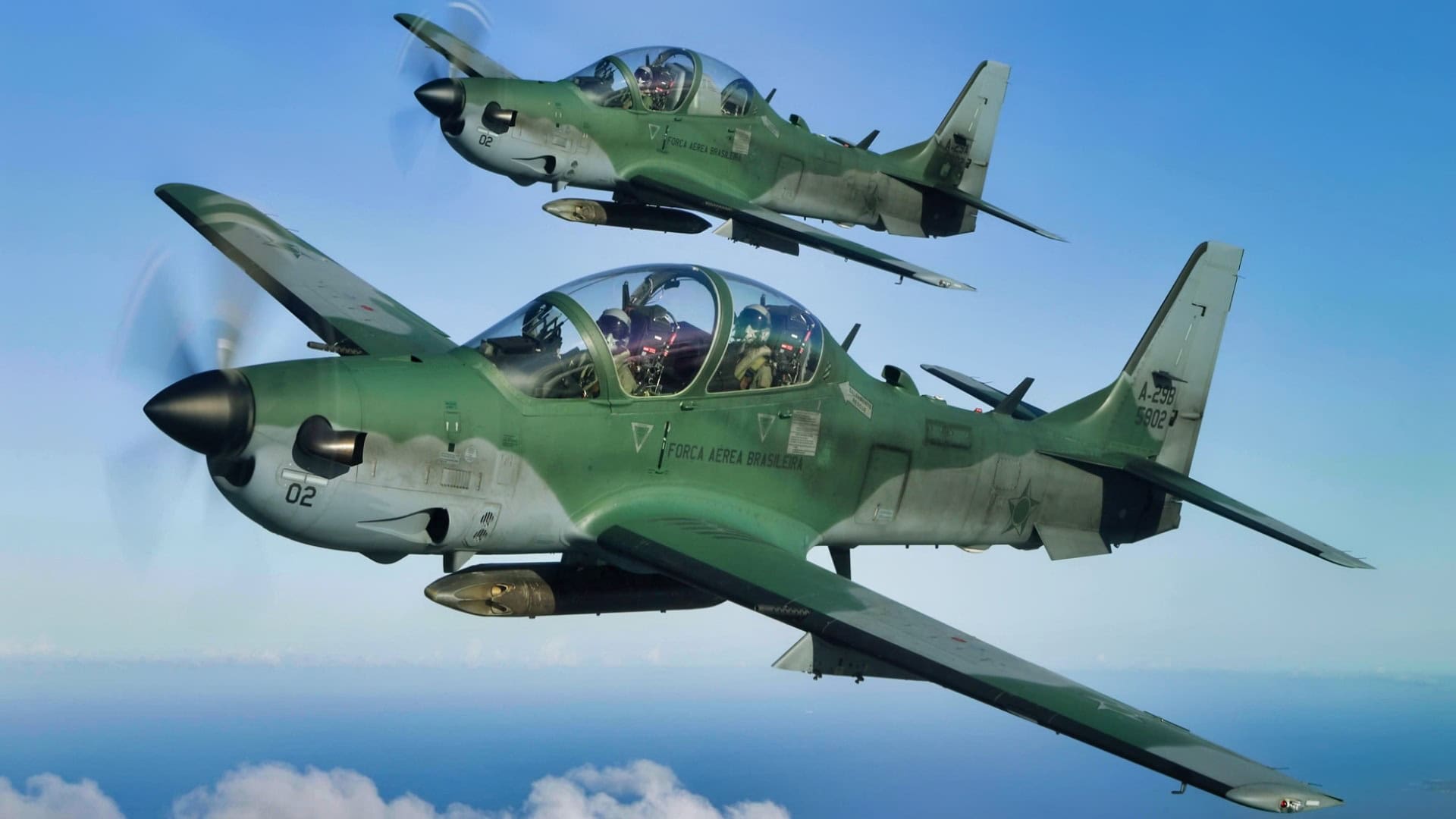
A-29 Super Tucano from Brazil.
Still, Brazil has major advantages. Its aerospace industry is internationally competitive, and Brasilia’s military profile has been steadily growing. The political system is relatively stable, having weathered some internal challenges over the past several years.
Brazil is well respected both regionally and globally, to the extent that respect remains a meaningful currency in international affairs. Brazil’s greatest future challenge will be the uncertainty surrounding U.S. foreign policy, itself generated by American political dysfunction.
With strong leadership, however, Brazil is well positioned to secure a stable position for the rest of the 21st century.
Saudi Arabia
Saudi Arabia’s position among the great powers has historically depended upon two things: the ability to control global oil prices, and the related capacity to maintain good relations with the United States and Europe.
Both remain important today, as the House of Saud exerts substantial influence over the price and availability of oil, the world’s most important commodity. This gives Riyadh leverage over politics, both local and global, and has historically enabled Saudi Arabia’s rulers to pursue political projects at home and abroad.
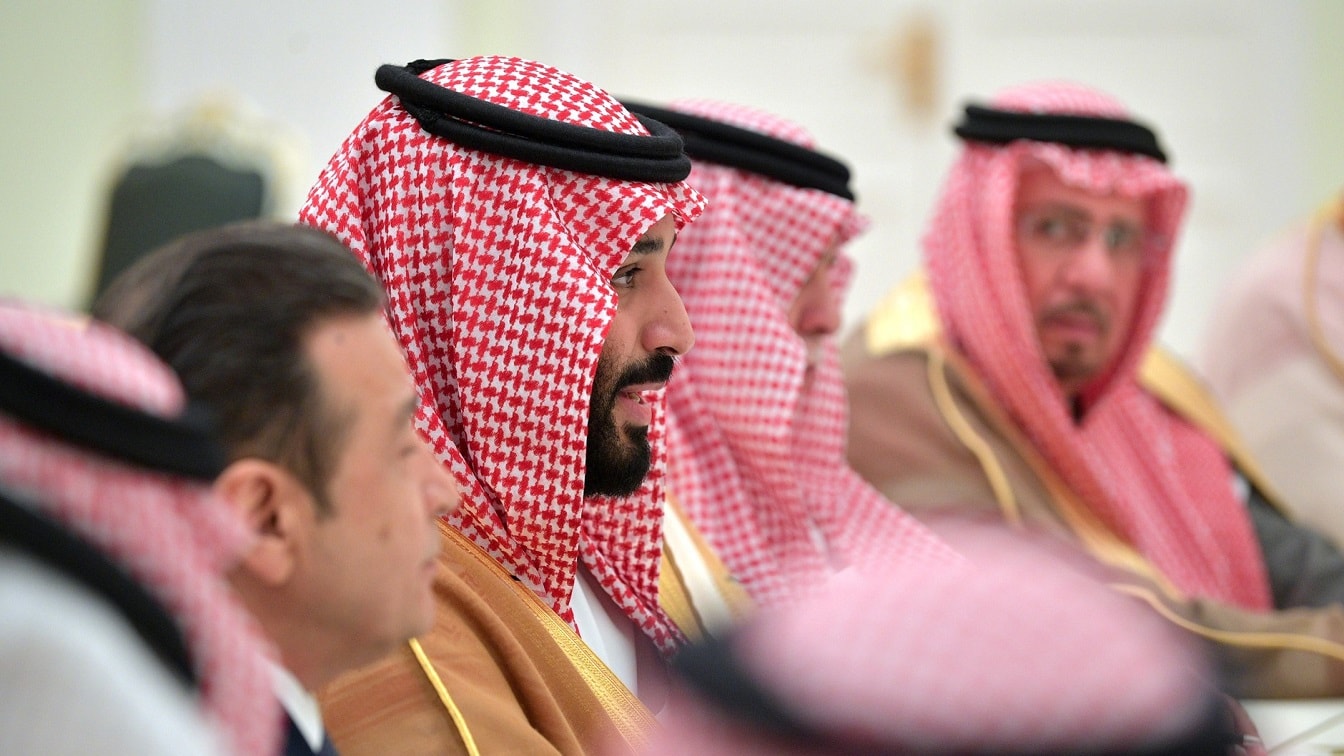
Vladimir Putin met with Crown Prince and Defence Minister of Saudi Arabia Mohammad bin Salman Al Saud.
To be sure, this financial power has not always resulted in military advantage. However, Riyadh has paid increasing attention to establishing and maintaining a modern, effective, and technologically advanced military.
As the experience in Yemen demonstrates, the road has been bumpy. Yet Riyadh now enjoys decent enough relations with its neighbors and continues to wield influence in Washington.
Moreover, Saudi Arabia has experienced rapid population growth and does not appear likely to face the demographic challenges that afflict other members of this list. Modernization of the economy and (perhaps) the pursuit of a nuclear weapon remain key to the future of Riyadh’s global and regional influence.
China
China has resumed its place among the first rank of world powers. Chinese economic growth continues to pace the industrialized world. China has also closed qualitative and quantitative military gaps with its neighbors and with the United States.
China’s nuclear arsenal is growing at a breakneck pace, putting it in a position to compete with both Russia and the United States.
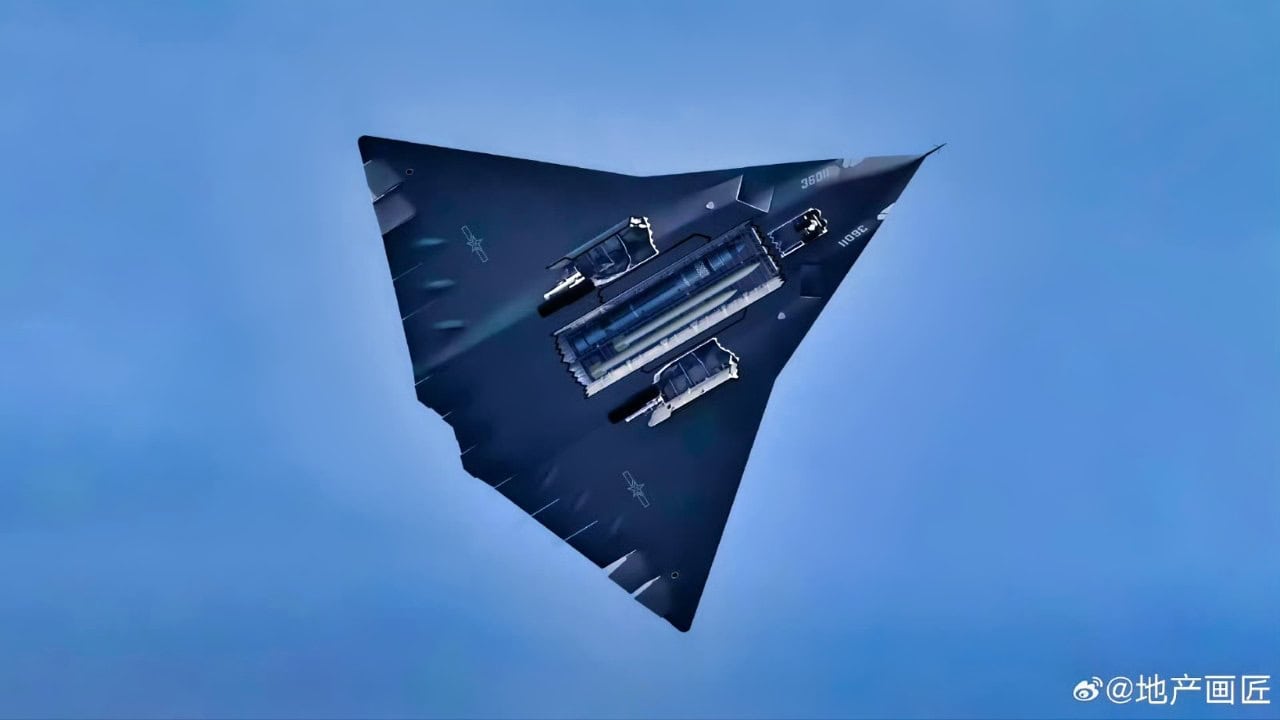
J-36 or JH-XX from China. Screenshot for Chinese Social Media.
To be sure, not all is well. President Xi Jinping has spent much of the last year purging the senior ranks of the PLA, a campaign that may or may not yield a more efficient and professional military. China’s demographic problems also loom large.
The overall impact of the One-Child Policy remains difficult to ascertain, but China now faces an aging population and a shrinking youth cohort.
Remedying this will require substantial reforms to the existing Chinese welfare state, which may precipitate additional political upheavals.
United States
The United States remains the world’s pre-eminent power. American economic, military, and administrative power continues to bestride the globe, notwithstanding constant whingeing about America’s terminal decline.
The United States continues to support Ukraine’s resistance to Russia while also threatening war against Iran and Venezuela, enjoying a global reach without really breaking a sweat. In the face of American threats to seize Greenland, Europe found itself with few options beyond threatening to pull the pin on the grenade of the transatlantic relationship, although Trump ultimately backed down.
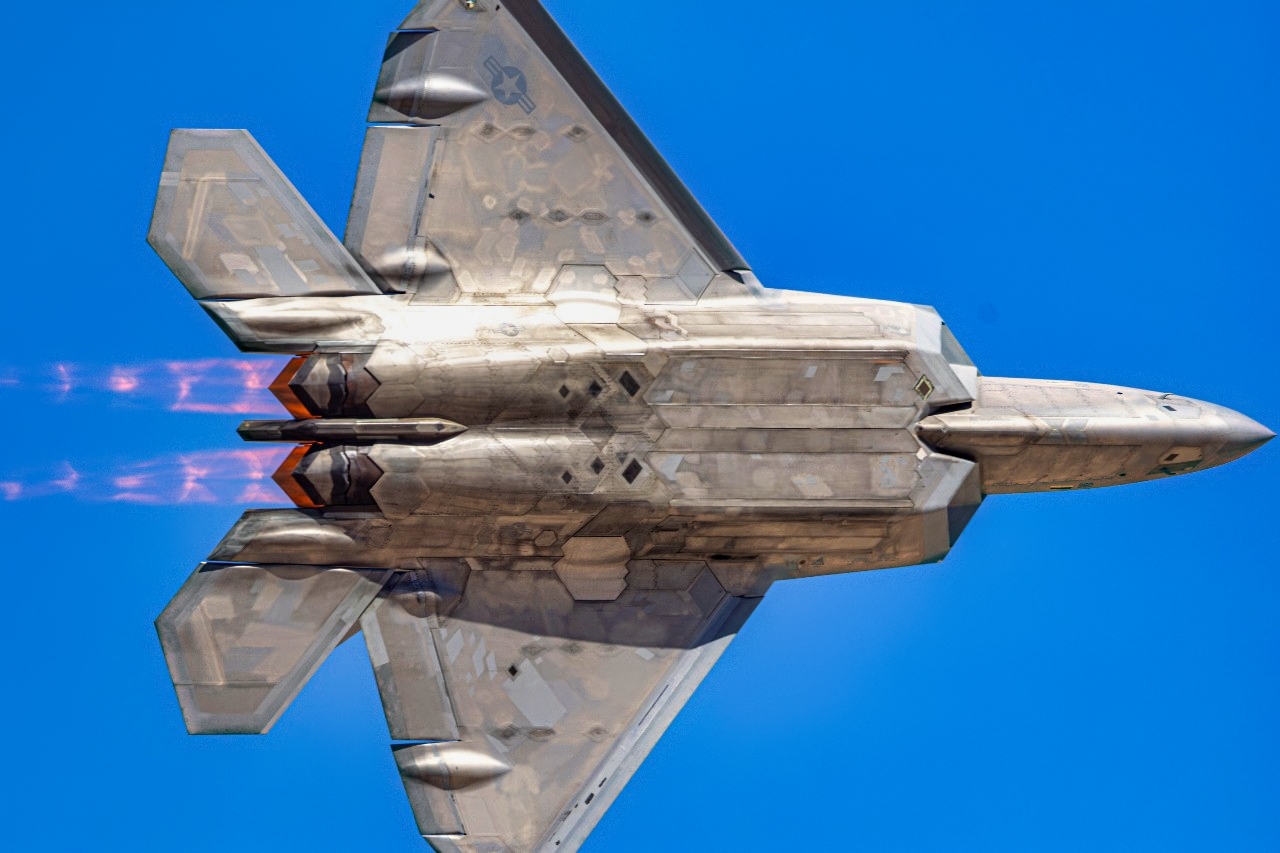
A U.S. Air Force F-22 Raptor performs an aerial demonstration during Aviation Nation 2025 at Nellis Air Force Base, Nevada, April 6, 2025. Aviation Nation is an airshow held at Nellis Air Force Base, showcasing the pride, precision and capabilities of the U.S. Air Force through aerial demonstrations and static displays. The F-22 Raptor performed there to highlight its unmatched agility and air dominance as part of the Air Force’s efforts to inspire, recruit and connect with the public. (U.S. Air Force photo by Staff Sgt. Lauren Cobin)
This is not to say that the United States is without problems.
A growing debt and a dysfunctional political system have created an unusual degree of uncertainty and instability. The US no longer enjoys the tremendous technological advantages it held throughout the Cold War.
Perhaps most troubling in the long run, the Trump administration has undermined one of America’s enduring strengths, its capacity to attract and assimilate immigrants from around the world.
Russia
Russia has had a rough four years. The decision to invade Ukraine was predicated on the idea of a quick war that would leave Europe and the United States no choice but to accept a fait accompli. Instead, Moscow has found itself in a dreadfully destructive war that distanced allies, damaged the financial and economic system, created enduring dependence upon China, India, and North Korea, and inflicted a demographic disaster on an already ailing country.
For this, Russia has captured about 20% of Ukraine’s territory, inhabited by perhaps three million people.
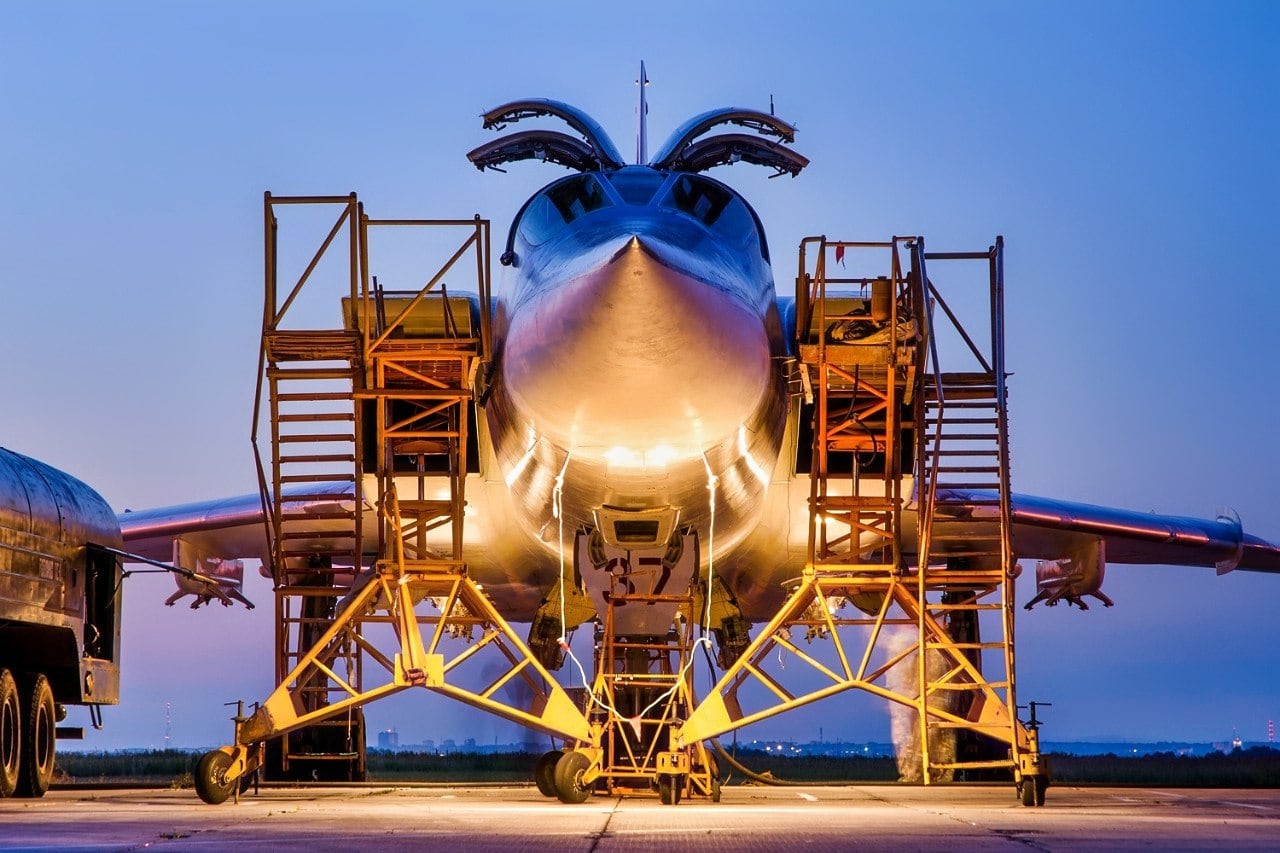
Tu-22M Bomber from Russia
And yet… Moscow continues to control a continent-spanning territory rich in natural resources. Moscow has mobilized its economy for war and (despite long-term damage) seems unlikely to be forced out of the conflict by economic and financial factors.
Russia also continues to operate the world’s second most lethal arsenal of nuclear weapons. Russia’s natural resources (especially energy) remain too important to the world to be without, and the Russian population is sufficiently well educated to manage an industrial mobilization. The trend arrows all point in the wrong direction for Russia, yet it continues to rank among the world’s foremost powers.
European Union
Were we to exclude the European Union due to its supranational nature, each of Germany, France, and the United Kingdom would deserve some degree of attention, the former by virtue of its robust economy and the latter two because of their global reach and nuclear arsenals.
The governing institutions of the European Union remain a project under construction, and gaps between national preferences and supranational institutional demands continue to plague the continent’s long-term political future.
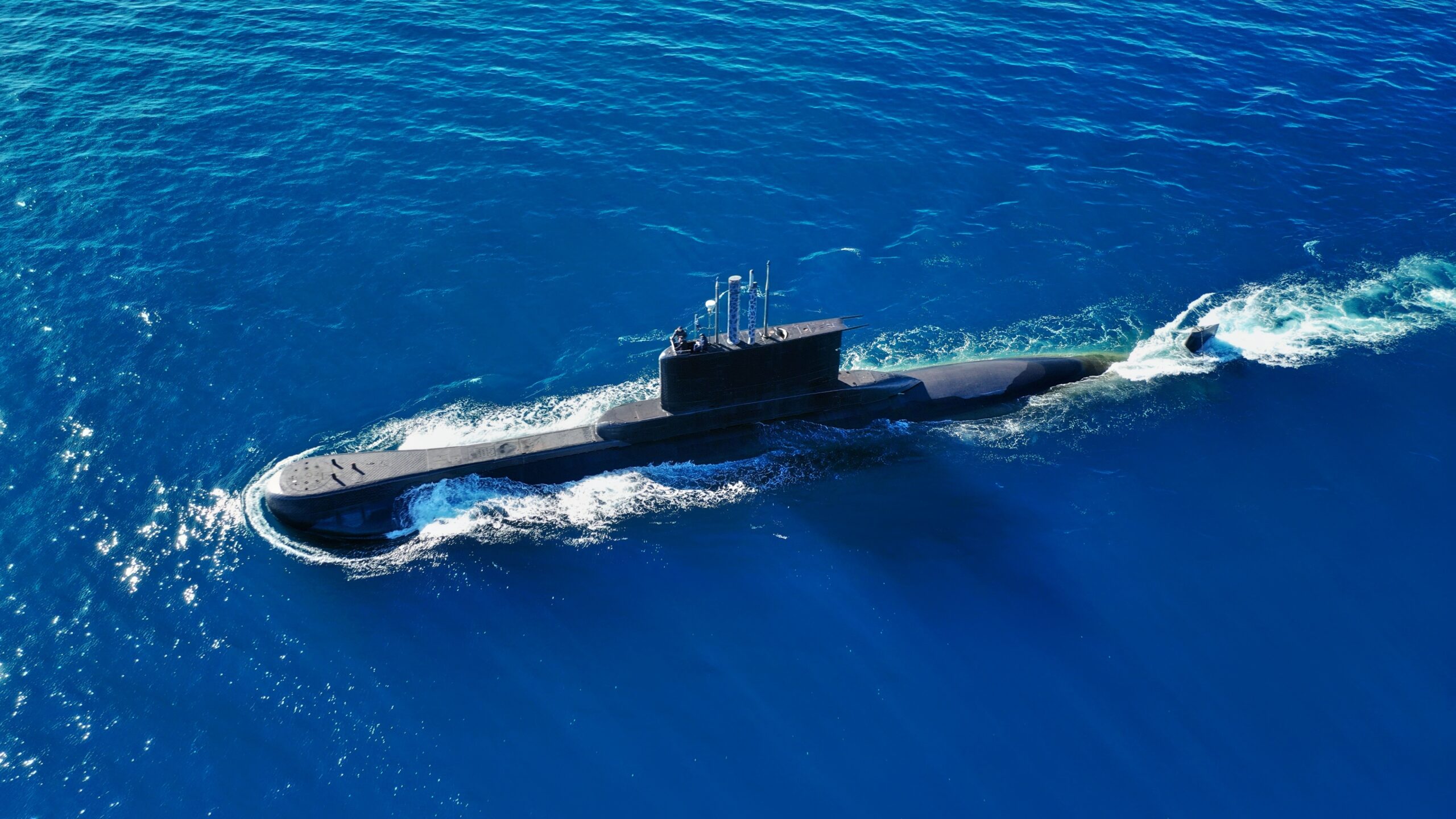
AIP Submarine from Germany. Image Credit: Creative Commons.
But given that the three great powers in Europe seem to be aligned on major questions of international influence, including resistance to the demands of the Trump administration and support for Ukraine. Along with Italy, these constitute four of the world’s ten largest economies.
Technologically, Europe is competitive with the foremost economies of Asia and North America, although it no longer enjoys the advantages it once had. Russia, and perhaps even the United States, may regret the geopolitical awakening that Europe has undergone over the past four years.
The Honest Truth About Spheres of Influence
The honest truth about “spheres of influence” is that they represent an observation about the current state of the world, not a normative judgment or a source of policy guidance. The most brutal conflicts in world history (between Russia and Germany and between China and Japan) have involved contests for supremacy within a regional order, not unwanted interference from external powers. Large countries are necessarily influential in their neighborhoods because they occupy positions at the top of vast social, financial, and economic networks.
This does not mean that they enjoy special rights in those neighborhoods or that they can simply do as they wish; as Russia has discovered and the United States may find out, it is far more advantageous to have Canada as a neighbor than Ukraine. Still, as generations of international relations theorists have argued, it is better to wield power than to be the subject of power.
About the Author: Dr. Robert Farley
Dr. Robert Farley has taught security and diplomacy courses at the Patterson School since 2005. He received his BS from the University of Oregon in 1997, and his Ph. D. from the University of Washington in 2004. Dr. Farley is the author of Grounded: The Case for Abolishing the United States Air Force (University Press of Kentucky, 2014), the Battleship Book (Wildside, 2016), Patents for Power: Intellectual Property Law and the Diffusion of Military Technology (University of Chicago, 2020), and most recently Waging War with Gold: National Security and the Finance Domain Across the Ages (Lynne Rienner, 2023). He has contributed extensively to a number of journals and magazines, including the National Interest, the Diplomat: APAC, World Politics Review, and the American Prospect. Dr. Farley is also a founder and senior editor of Lawyers, Guns and Money.
More From 19FortyFive
USS Nimitz Could Become a Drone Supercarrier