
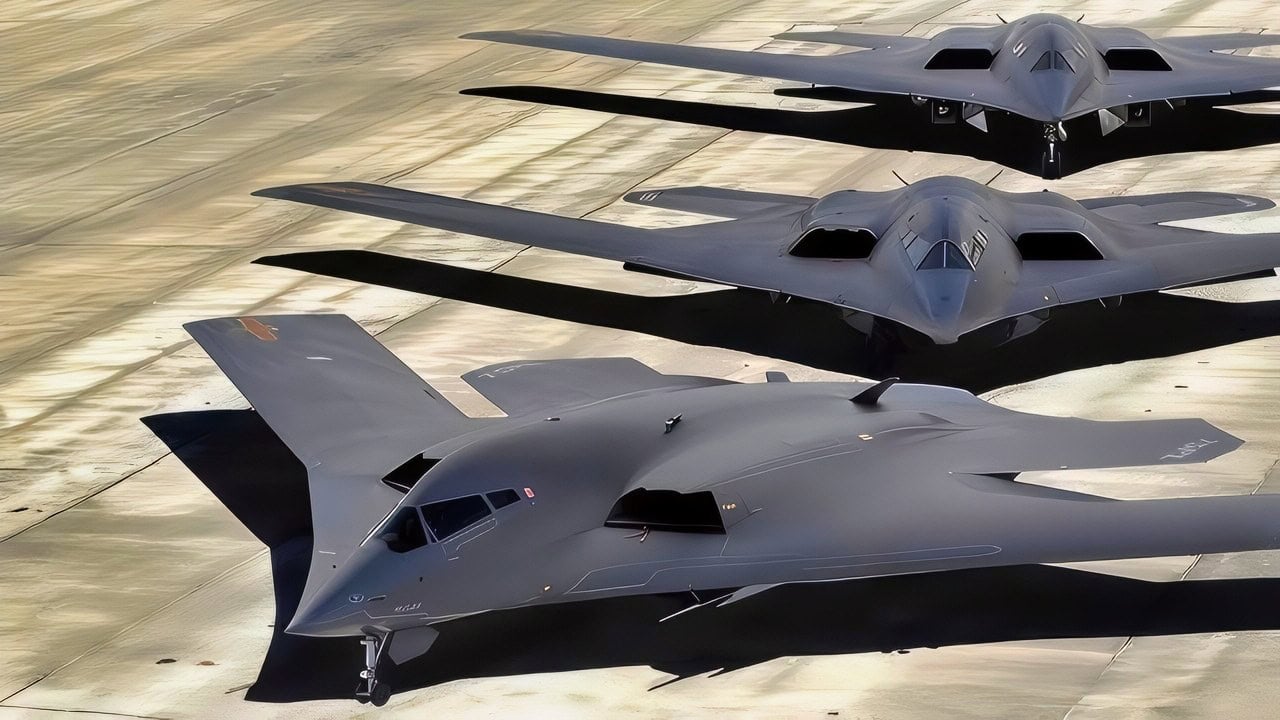
Summary and Key Points: Russia and China both want next-generation stealth bombers—China with the H-20 and Russia with the PAK DA—but both programs are portrayed as facing major hurdles, from engines and avionics to stealth coatings, timelines, and (for Russia) sanctions-driven supply constraints.
-That invites a provocative idea: pooling resources to build a single shared bomber.
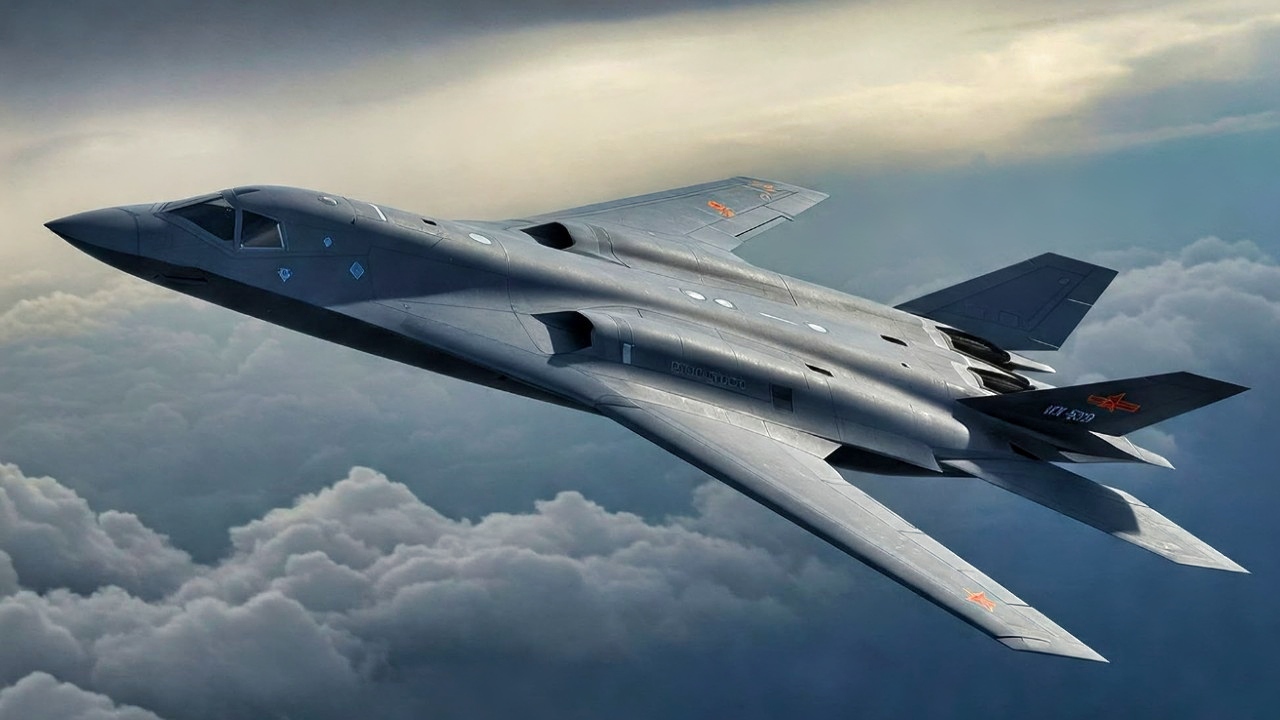
Computer Generated Image of H-20 Bomber from China. Image Created with AI help.
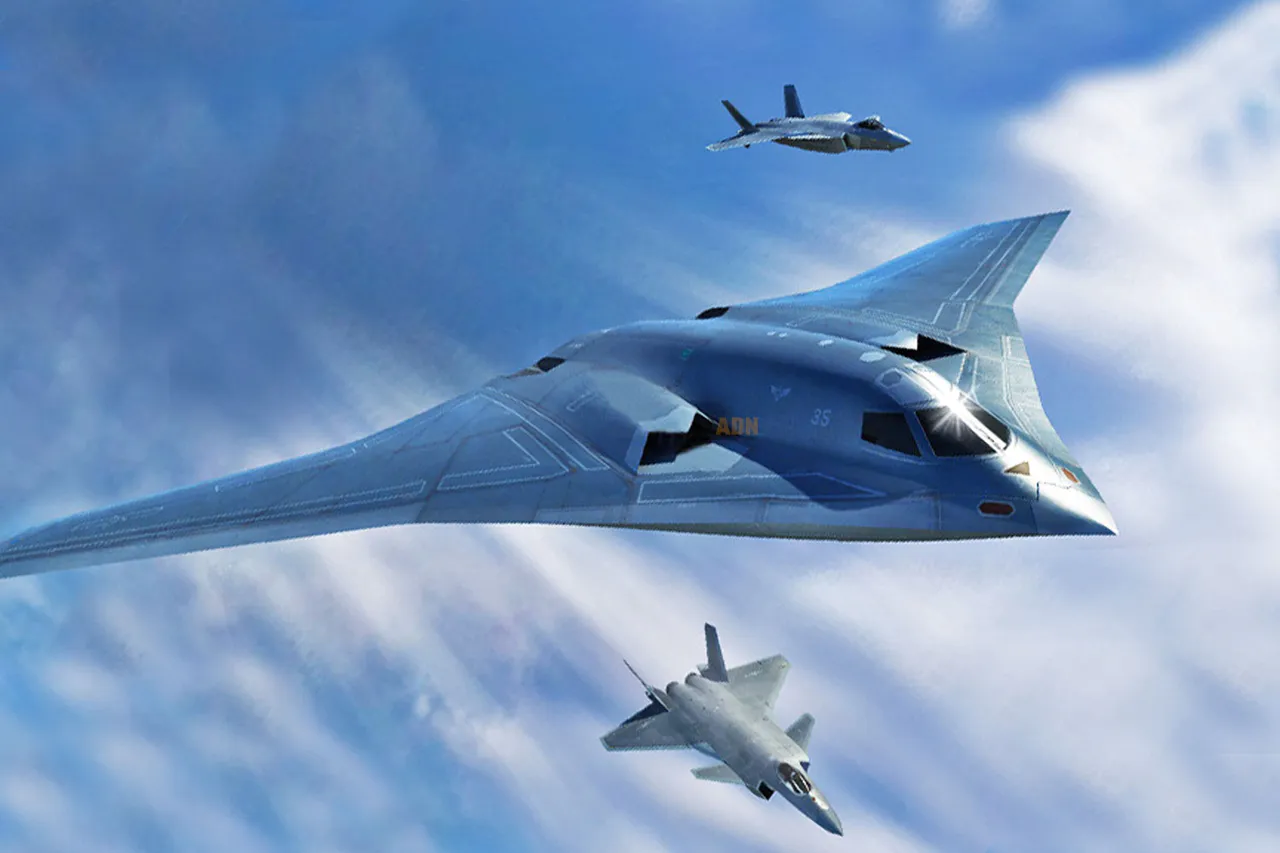
H-20 Bomber. Image Credit: Creative Commons.
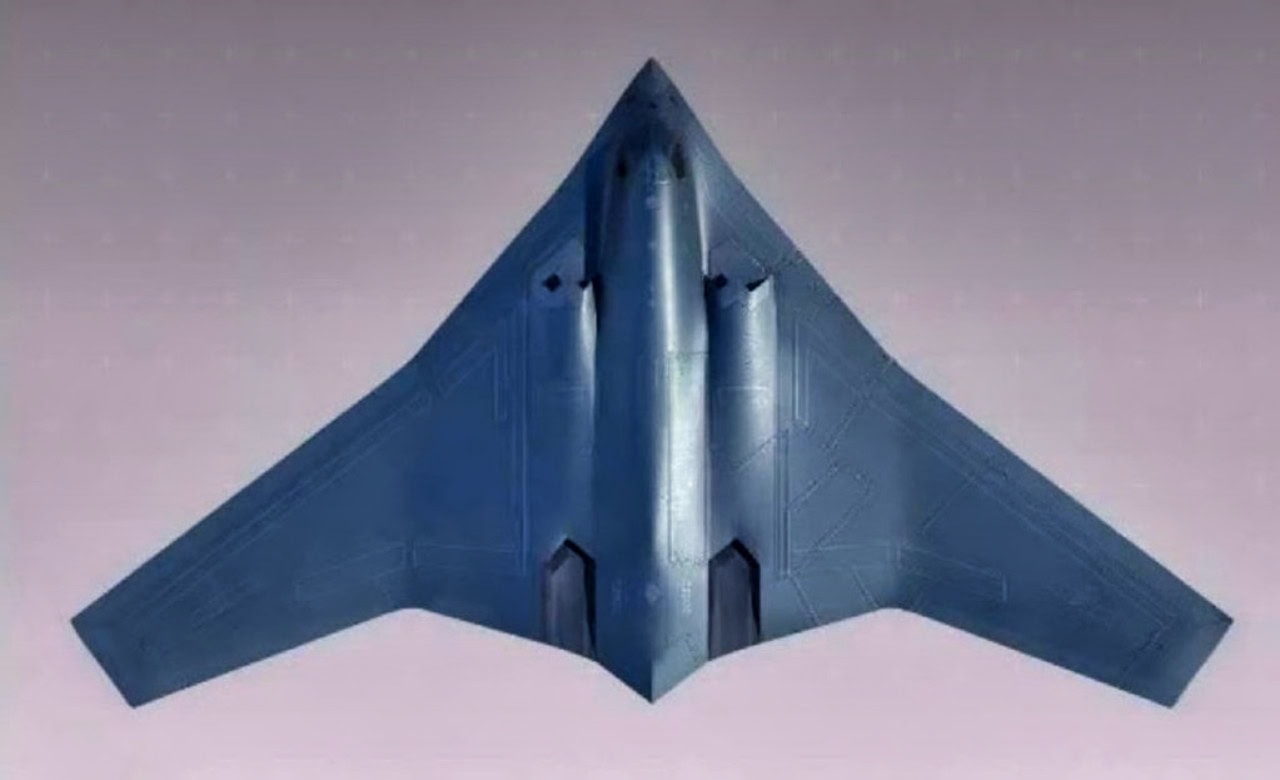
H-20 Bomber from China Artist Rendition.
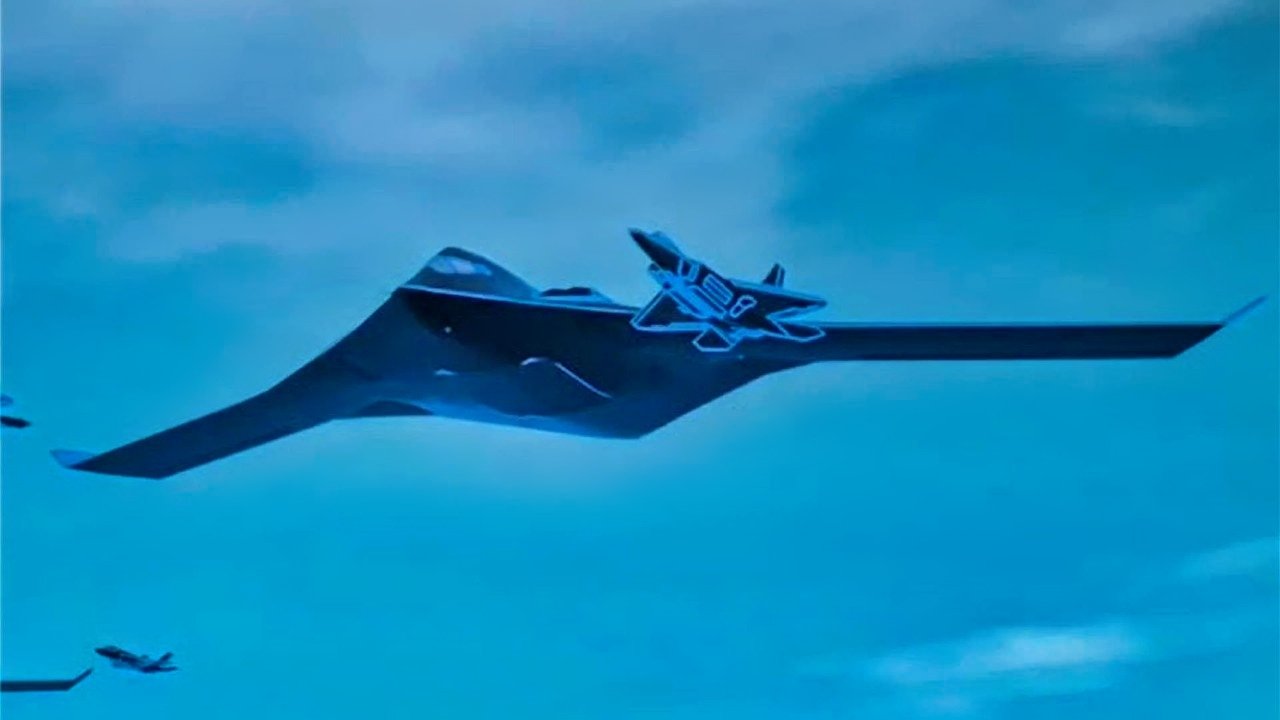
H-20 Bomber Image. Image Credit X Screeenshot.
-The argument for collaboration is clear—two large industrial bases, shared strategic interests, and overlapping mission demands.
-The argument against is stronger: language and management friction, disputes over engines and cost-sharing, and—most decisive—reluctance to share crown-jewel technologies like nuclear integration, hypersonics, and loyal-wingman systems.
H-20 and PAK DA Combine Forces: Could Russia and China Collaborate on a Next-Generation Bomber?
Russia and China are strong allies. Xi Jinping and Vladimir Putin are old chums, and both countries often conduct combined military exercises that the world watches with bated breath. But what about joint arms development? The two nations could always collaborate on a new arms system, even though they already have healthy defense industrial bases in most aspects of military hardware development.
Russia and China’s New Stealth Bombers Have Growing Pains
China has its enigmatic H-20 next-generation stealth bomber that is supposed to be ready any day, but the Chinese are having trouble getting it over the finish line.
Russia’s PAK DA, a sixth-generation heavy strike aircraft, is also coming soon. The PAK DA is supposed to replace the older Tu-95 and serve with refurbished Tu-160Ms.
PAK DA Is Not Ready for Prime Time
The PAK DA could also be a problem child, and it is not flying yet. The engines have become a difficult project.
The avionics have not yet been finalized, and we do not know just how stealthy this airplane will be. Russian engineers may be having trouble with the stealth coatings.
Differing Priorities in the Russian Defense World
Plus, and this sounds like a broken record excuse, but the Russian designers are under sanctions, and the “guts” of the PAK DA may not be available with the current supply chains. Moreover, the Kremlin wants more tanks and armored personnel carriers pronto, and money and resources may be going to ground systems rather than to aerospace development.
The PAK DA will not be a speedy bomber, and Moscow doesn’t seem to mind subsonic flight for its stealth strike aircraft. The idea behind the PAK DA is that it will have such a high level of radar-evading capability that it can fly long and steady toward targets without being detected. That’s a fine idea, but the PAK DA doesn’t look ready for operational service.
If the PAK DA Could Fly, We Would Know It
The Americans are forging ahead with the next-generation B-21 Raider stealth bomber, and this program appears to be on time and under budget. The same can’t be said for the PAK DA. The Russian strike aircraft will likely be a flying-wing design for added stealth, but that is not clear from Putin’s state-run propaganda mills. If the Russians had a flying prototype, they would definitely brag about it in the media.
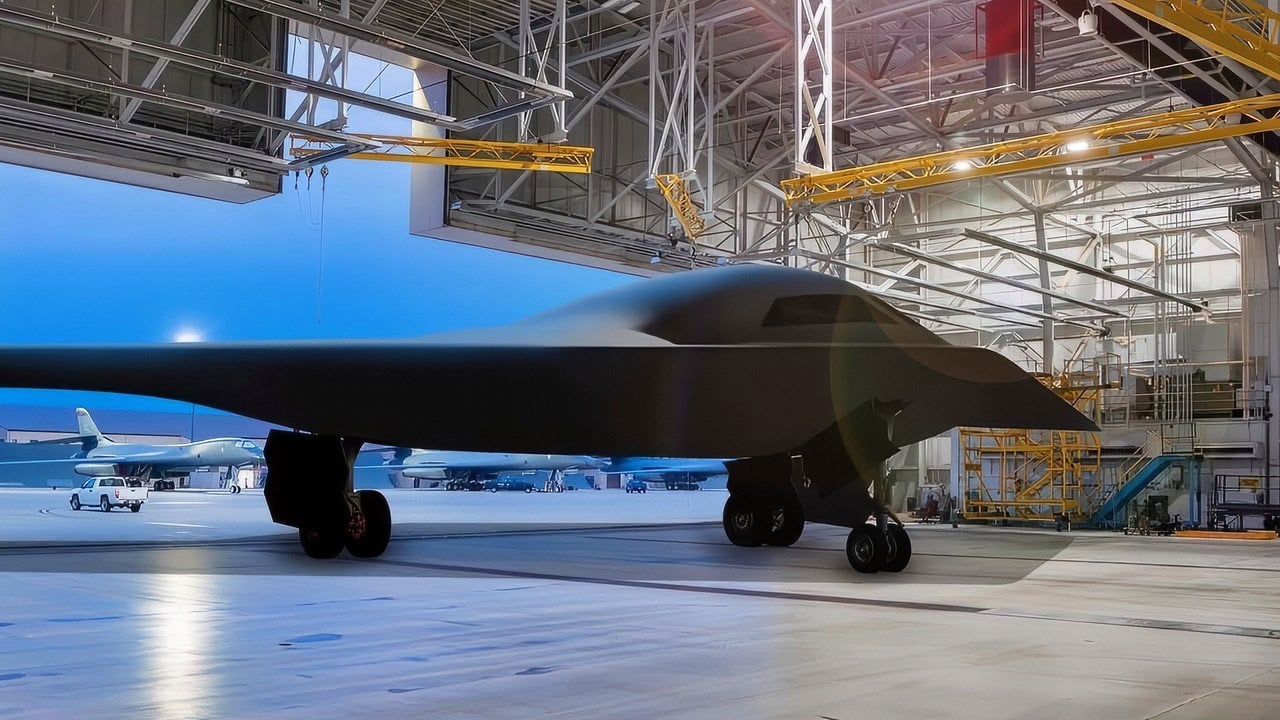
Artist rendering of a B-21 Raider in a hangar at Ellsworth Air Force Base, South Dakota, one of the future bases to host the new airframe. AFCEC is leading a $1 billion construction effort at Ellsworth to deliver sustainable infrastructure to meet warfighter demands for bomber airpower. (U.S. Air Force graphic)
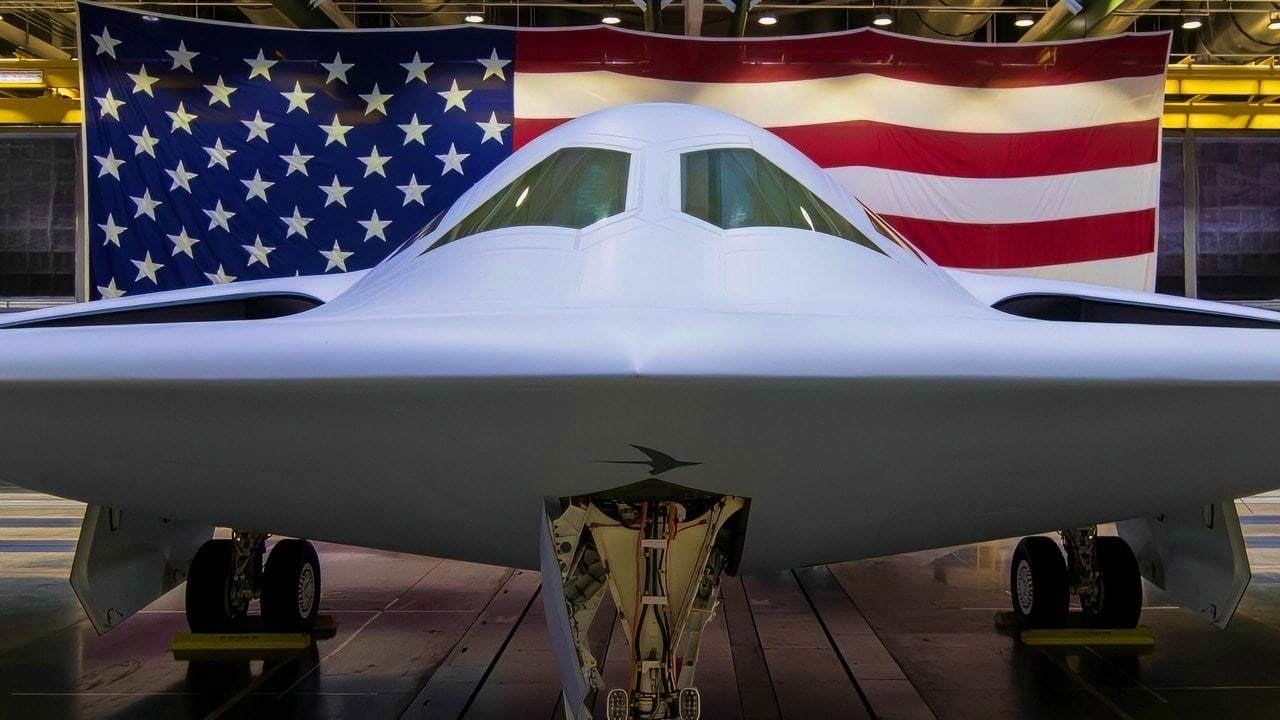
The B-21 Raider was unveiled to the public at a ceremony on December 2, 2022, in Palmdale, Calif. Designed to operate in tomorrow’s high-end threat environment, the B-21 will play a critical role in ensuring America’s enduring airpower capability. (U.S. Air Force photo)
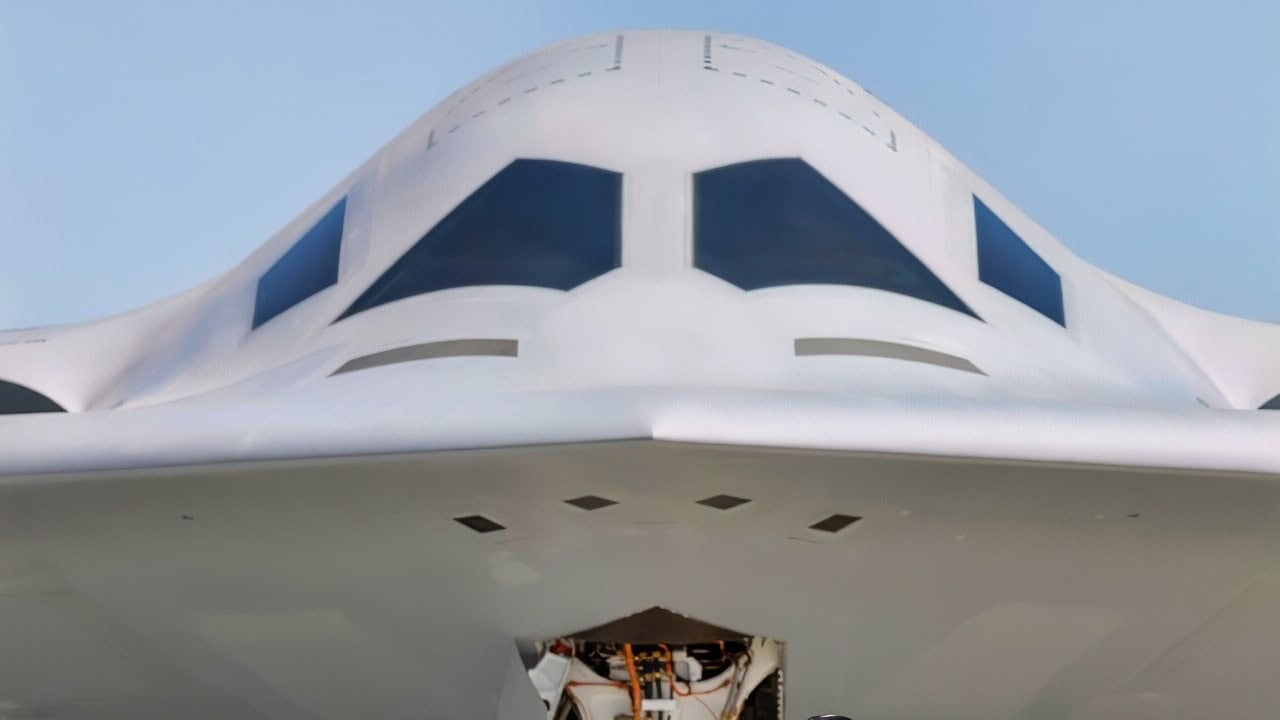
U.S. Air Force Airmen with the 912th Aircraft Maintenance Squadron prepare to recover the second B-21 Raider to arrive for test and evaluation at Edwards AFB, Calif., Sept. 11, 2025. The arrival of a second test aircraft provides maintainers valuable hands-on experience with tools, data and processes that will support future operational squadrons. (U.S Air Force photo by Kyle Brasier)
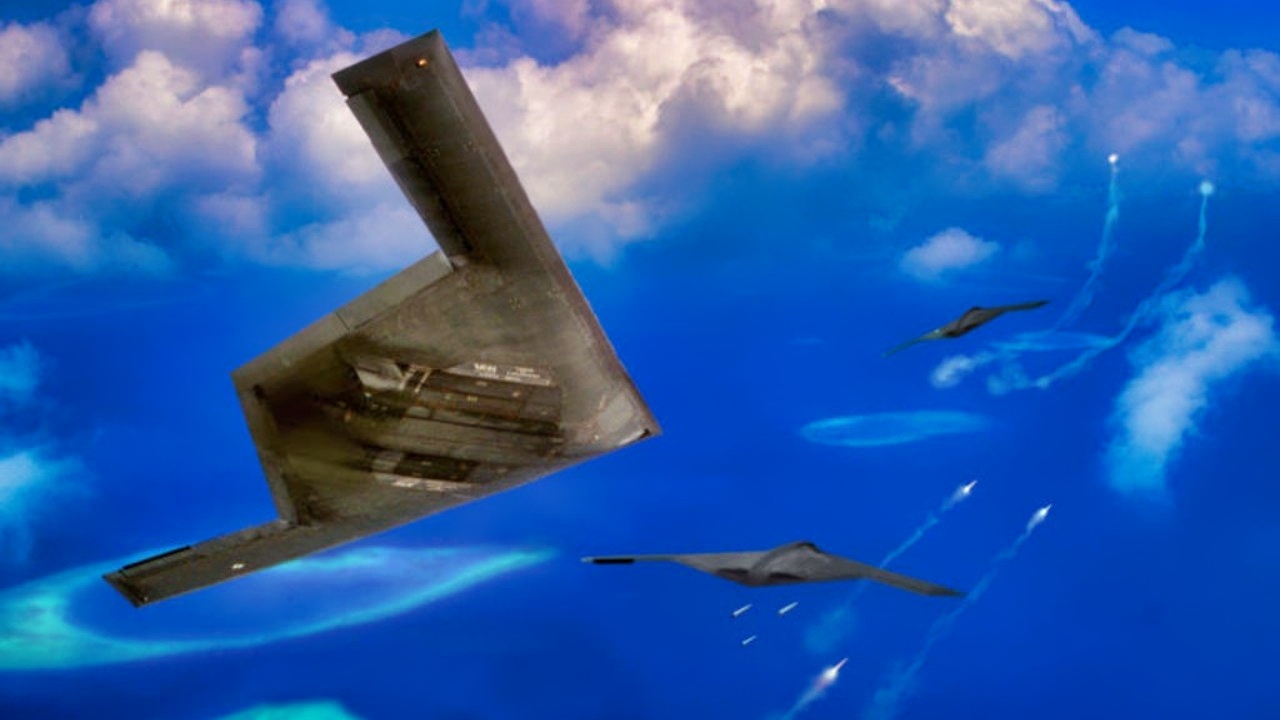
B-21 Raider Bomber. Artist Rendition/Creative Commons.
The PAK DA is assuredly going to be nuclear-capable and will likely fire hypersonic missiles. The bomber should also be able to control a drone Loyal Wingman in a manned-unmanned teaming arrangement. There could also be an uncrewed option.
But can the Russians add sensor fusion? What about artificial intelligence in the cockpit to make it more pilot-friendly? The jet will need an upgradable open architecture, too. These are all unknowns for the aircraft. We can be sure the Russian aerospace experts are trying to go full-bore, but the Americans are leading the way with the B-21.
China Is Having Difficulty with the H-20
Meanwhile, the Chinese have their hands full with the H-20. This is also supposed to be both conventional and nuclear-capable. Xi controls at least 600 nuclear warheads, and he would love to have a stealth aircraft option to deliver long-range weapons of mass destruction to improve his nuclear triad.
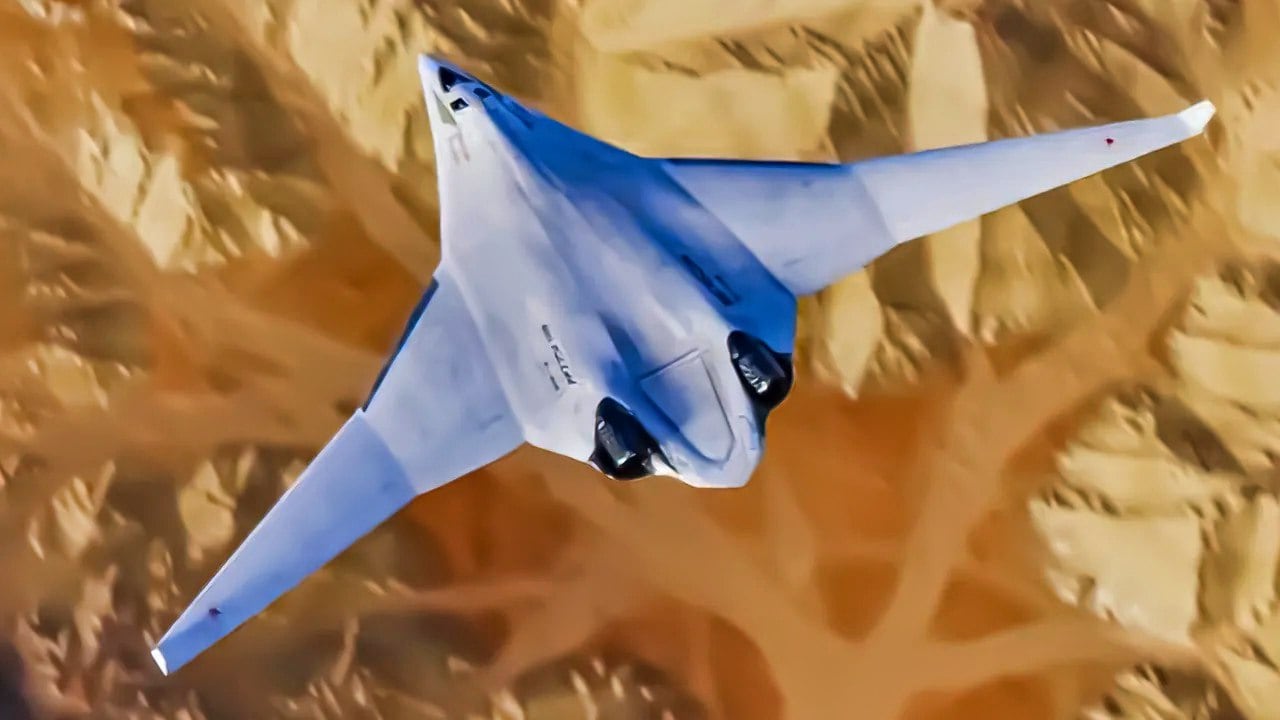
PAK DA Russian Bomber. Image Credit: Creative Commons.
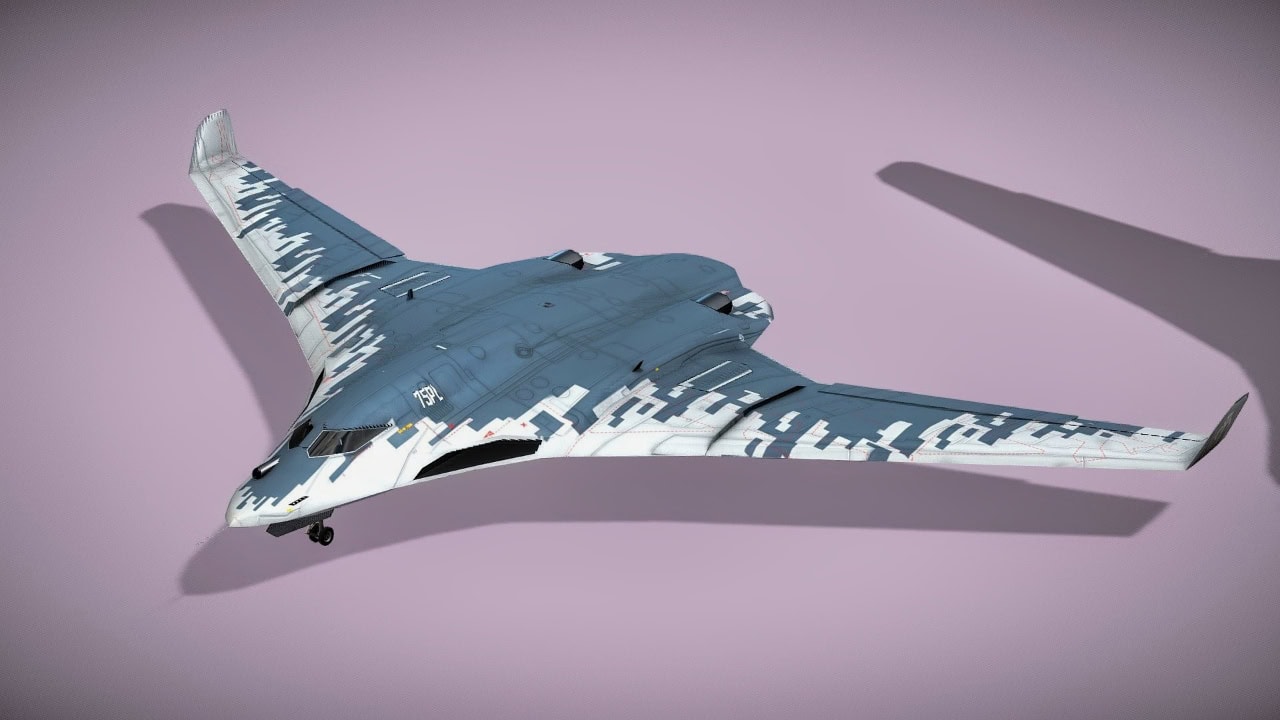
PAK DA Stealth Bomber Russia.
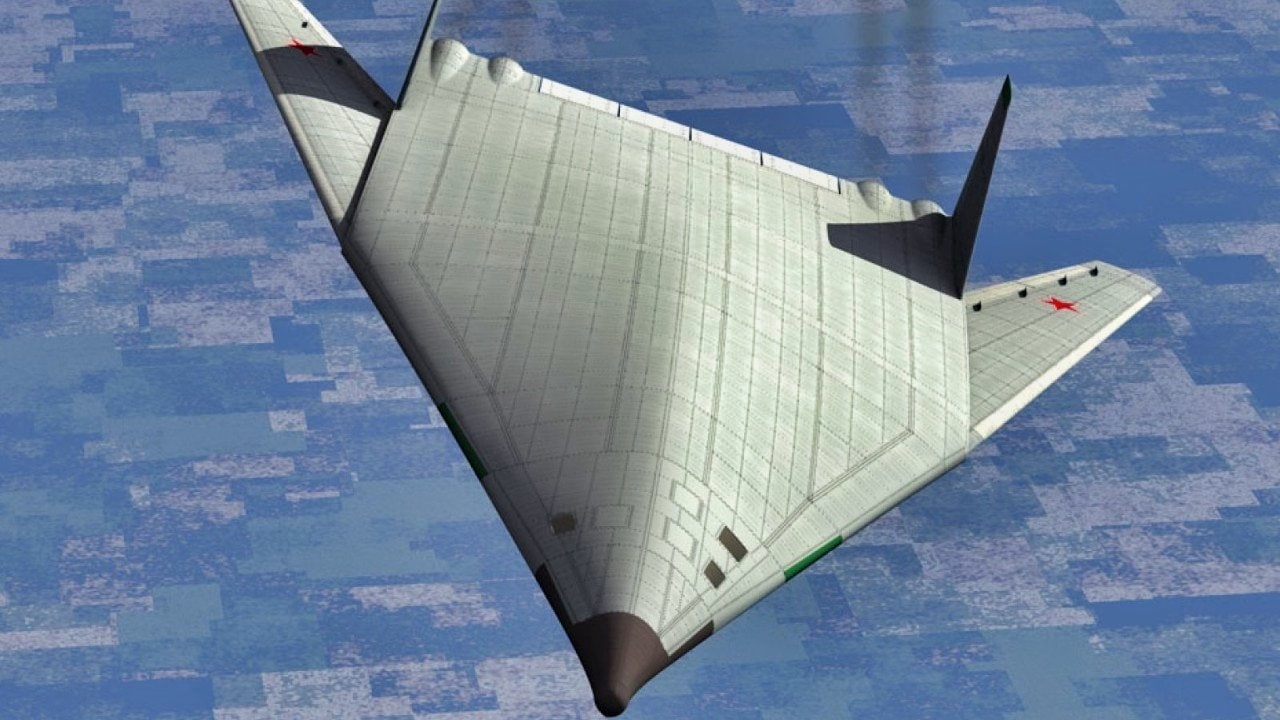
PAK DA Stealth Bomber. Image Credit: Russian State Media/Creative Commons.
The engines also need to be powerful enough to fly beyond the First and Second Island Chain to make this a “strike anytime, anyplace” bomber. The propulsion system needs to enable missions beyond its neighborhood with the ultimate in range and the ability to be refueled easily.
Perhaps the Stealthiness Is Not What the Doctor Ordered
Stealth design is not a simple proposition for such a large airplane, and the Chinese could be struggling in this area. Also, will it be able to suppress enemy air defenses and attack targets without getting shot down? The Chinese technicians have this in mind for the H-20, but they are finding that the bomber may not be as good as they want it to be at this point.
If both China and Russia are having difficulties with the two bombers, what about pooling resources and making just one airplane that both countries can deploy regularly? They have the brainpower and the desire for a new stealth bomber, so a collaboration is always possible.
The Brain Power Is There for a Joint Aerospace Program
But egos could get in the way. Each country boasts an educational system that emphasizes science, technology, engineering, and mathematics. Some of the brightest Russian and Chinese minds work in the aerospace industry. Political leaders love to goose their defense industrial base with more money and resources, even though sanctions can bite violently.
There could be a problem working together, though. The first issue would be the language barrier. Mandarin and Russian are completely different languages. The second issue would be task organization. Who builds what, and how could the two programs integrate and pool resources? We don’t know which technologies are most mature.
Which Country Builds the Engines?
Next would be the difficulty of agreeing on engines. Each country loves to believe its power plants are better, and it is not clear which team can deliver enough power and range to the airplane. China has used Russian engines on fighter jets before, and Xi’s engineers have fashioned homegrown power plants without Russia’s help.
Are They Ready to Ante Up the Money?
The other difficulty would be cost. Which country is going to pay for what? They would have to set up an escrow account for the new bomber, and the budget for collaboration would be unknown.
Lips are Sealed on Nuclear Capabilities
Nuclear weapons and hypersonics would not be an area in which China and Russia would agree. These are the crown jewels of any country, and they remain deathly secret. The joint bomber project would likely not be nuclear-capable due to the reticence about intelligence classifications. Is each country going to grant its engineers blanket security clearances to work on the joint bomber? That is unlikely. Same with teaming a drone with the new airplane. They may not want to share Loyal Wingman technology.
The Project Would Likely Fail
Thus, there is just too much to overcome with this idea, even though it has merit at first blush. This joint project would be a major test in aerospace engineering that technicians from both countries could not pass. The two countries jealously guard secrets, especially for nuclear weapons.
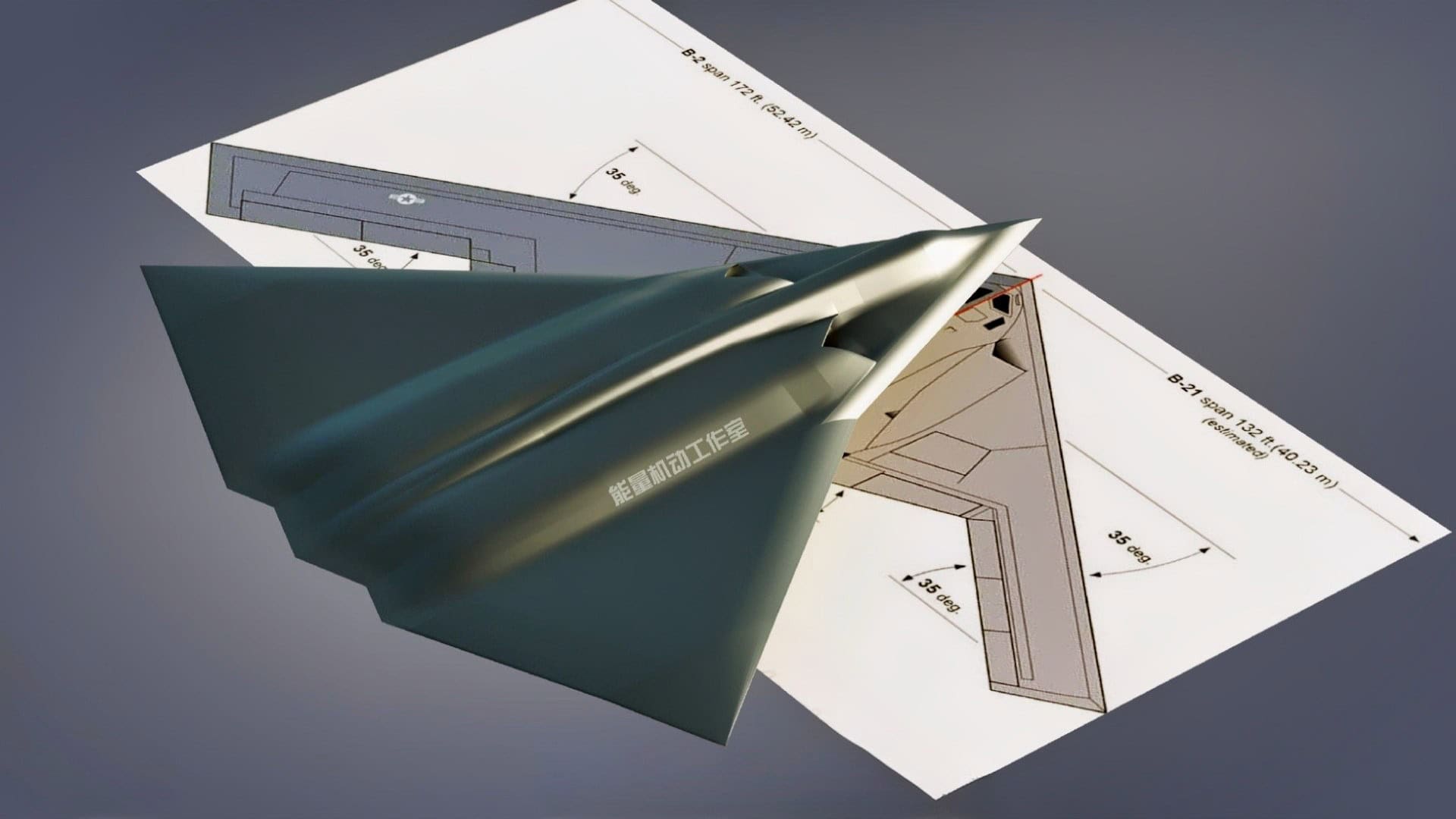
H-20 Stealth Bomber Computer Generated Image from X
For all these reasons, a collaboration on a new bomber would probably not work. But that doesn’t mean other arms systems couldn’t be built by a Russo-Sino team of engineers. They could start with something simple together, like howitzer ammunition, and then move up the innovation food chain with a powerful tank or armored personnel carrier. A completely new stealth bomber is just too difficult to build – even with the best allied cooperation and a healthy friendship between Putin and Xi.
About the Author: Dr. Brent M. Eastwood
Author of now over 3,000 articles on defense issues, Brent M. Eastwood, PhD is the author of Don’t Turn Your Back On the World: a Conservative Foreign Policy and Humans, Machines, and Data: Future Trends in Warfare plus two other books. Brent was the founder and CEO of a tech firm that predicted world events using artificial intelligence. He served as a legislative fellow for US Senator Tim Scott and advised the senator on defense and foreign policy issues. He has taught at American University, George Washington University, and George Mason University. Brent is a former US Army Infantry officer. He can be followed on X @BMEastwood.