
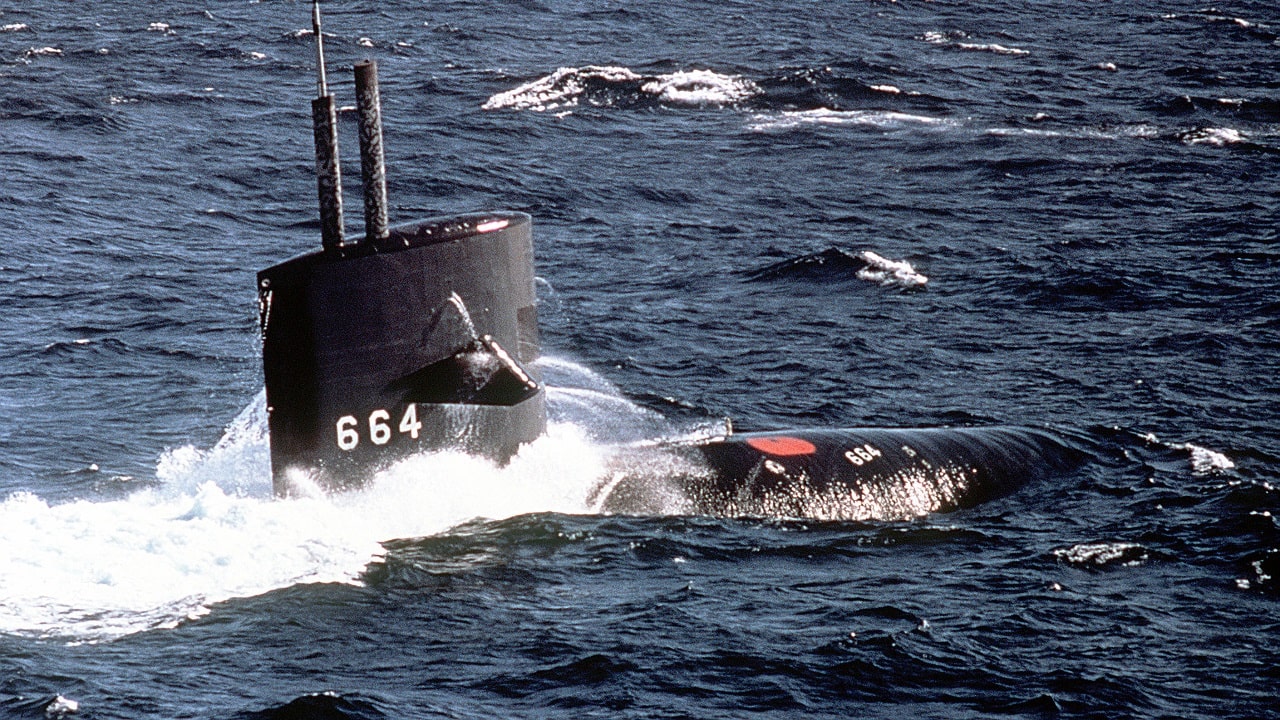
In 1969, the USS Guitarro (SSN-665), a state-of-the-art U.S. Navy nuclear submarine at the time, sank while still docked. Thankfully, no lives were lost, and the sub was eventually recovered and recommissioned. The incident, however, was a PR disaster for the Navy and required years of recovery and repair operations.
A New Generation of Nuclear Submarines for the U.S. Navy
USS Guitarro was a Sturgeon-class nuclear-powered fast attack submarine designed at the height of the Cold War to maintain undersea superiority against the Soviet Union.
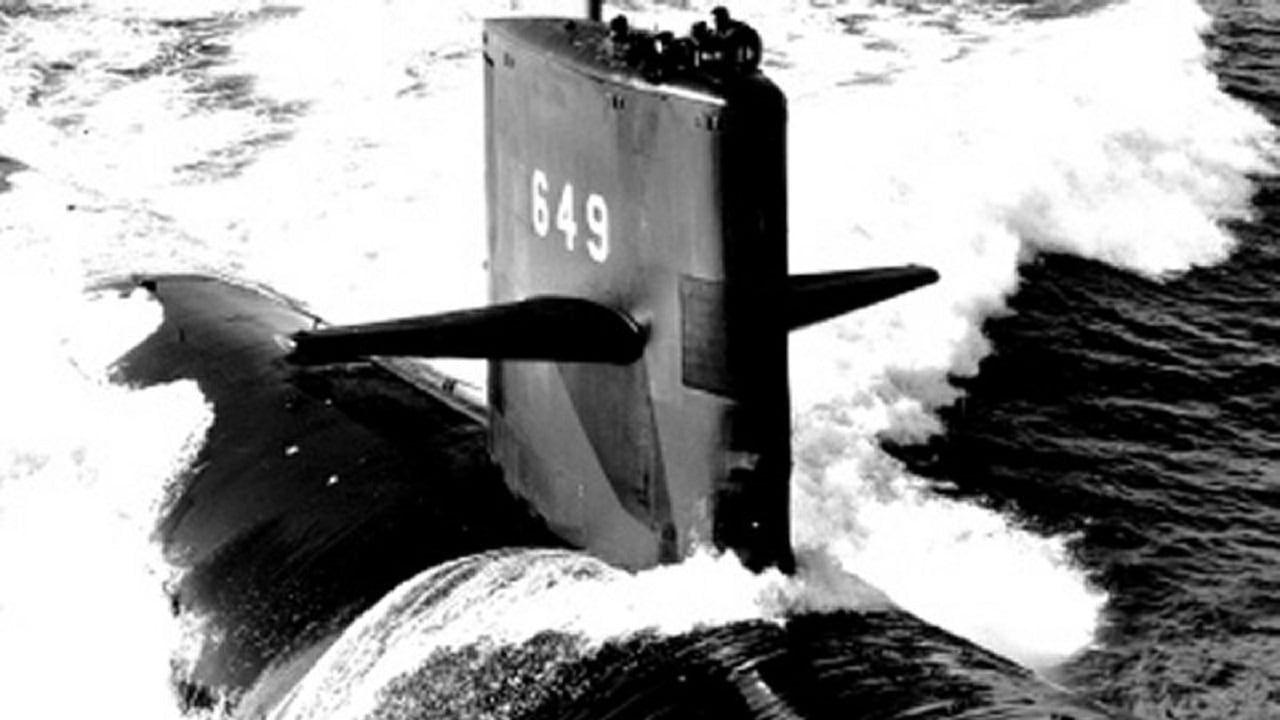
USS Sunfish SSN-649. Sturgeon-Class Submarine.
The Sturgeon-class was a new generation of submarines that incorporated stealth, advanced sonar, and endurance enabled by nuclear propulsion. Guitarro was laid down in 1965 and launched in 1968, with commissioning planned for 1969.
At the time of the accident, however, the submarine was still incomplete. Although its nuclear reactor had been fueled, it had not yet gone critical, and much of its propulsion, electrical, and control equipment was still undergoing installation and testing.
The submarine was afloat but moored at Mare Island, reliant on temporary systems and shore-based support. Guitarro was neither a fully commissioned warship operating under standard fleet command nor a purely industrial project under the shipyard’s full control.
Instead, authority was divided among multiple entities, including the Mare Island Naval Shipyard, the Navy’s Supervisor of Shipbuilding, representatives of Naval Reactors, and the officer designated to serve as the submarine’s commanding officer upon commissioning.
Each group exercised limited authority over different aspects of the vessel, but no single authority maintained full situational awareness or absolute control.
A Disaster Waiting to Happen
This fragmented command structure set the stage for what followed. On the evening of May 15, 1969, personnel from different organizations were conducting unrelated work aboard Guitarro.
In the forward section of the submarine, shipyard workers were engaged in ballast tank testing as part of routine construction activities. Their objective was not to prepare the boat for sea but to verify tank integrity and simulate different loading conditions.
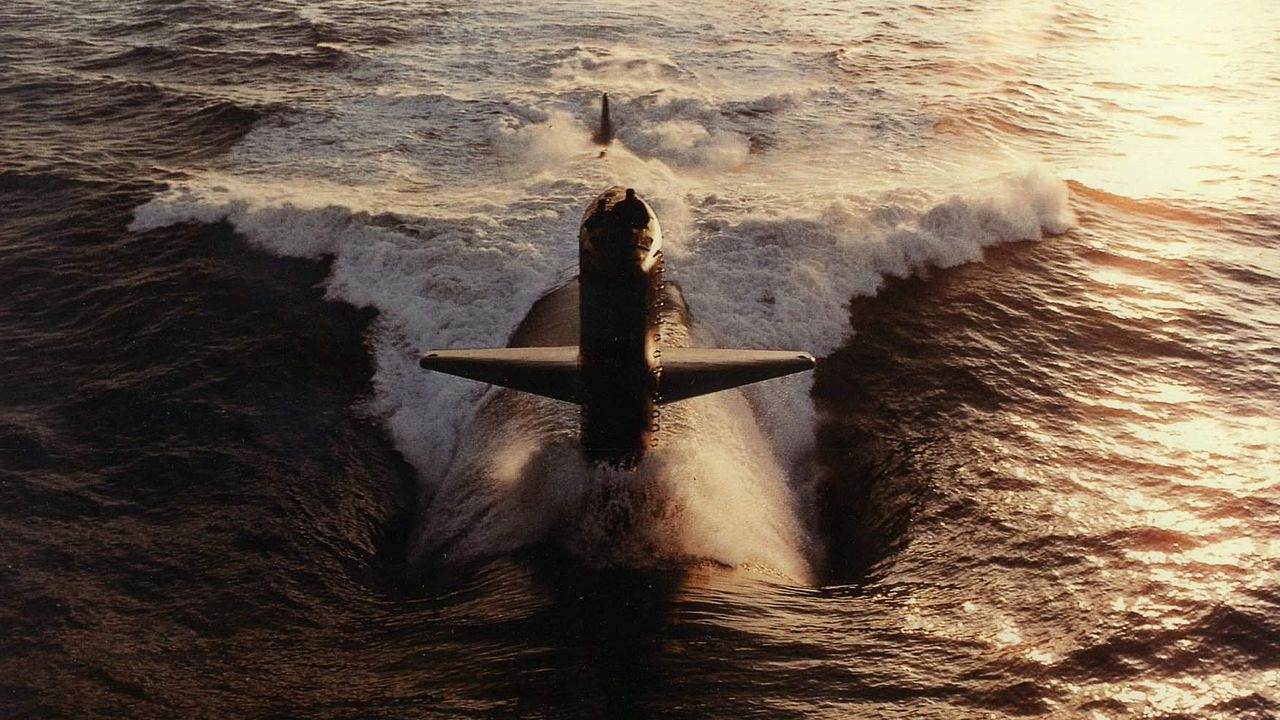
Sturgeon-Class submarine. Image Credit: Creative Commons.
To do so, they began filling the forward ballast tanks with seawater. As water entered the tanks, the submarine’s bow dipped slightly, but this behavior did not appear dangerous in isolation.
The workers observed the change, found it within expectations, and continued their test without notifying anyone outside their immediate chain of supervision.
At roughly the same time, another group was working near the submarine’s aft section under different supervision.
Observing that the stern appeared high in the water, they assumed that trim was incorrect and decided to compensate by adding water to the aft ballast tanks.
Crucially, they were unaware that water was already being added to the ballast tanks forward. Like the forward group, they acted reasonably based on their local observations and experience. However, their actions were taken without coordination and without any system providing a consolidated view of the submarine’s overall ballast and displacement status.
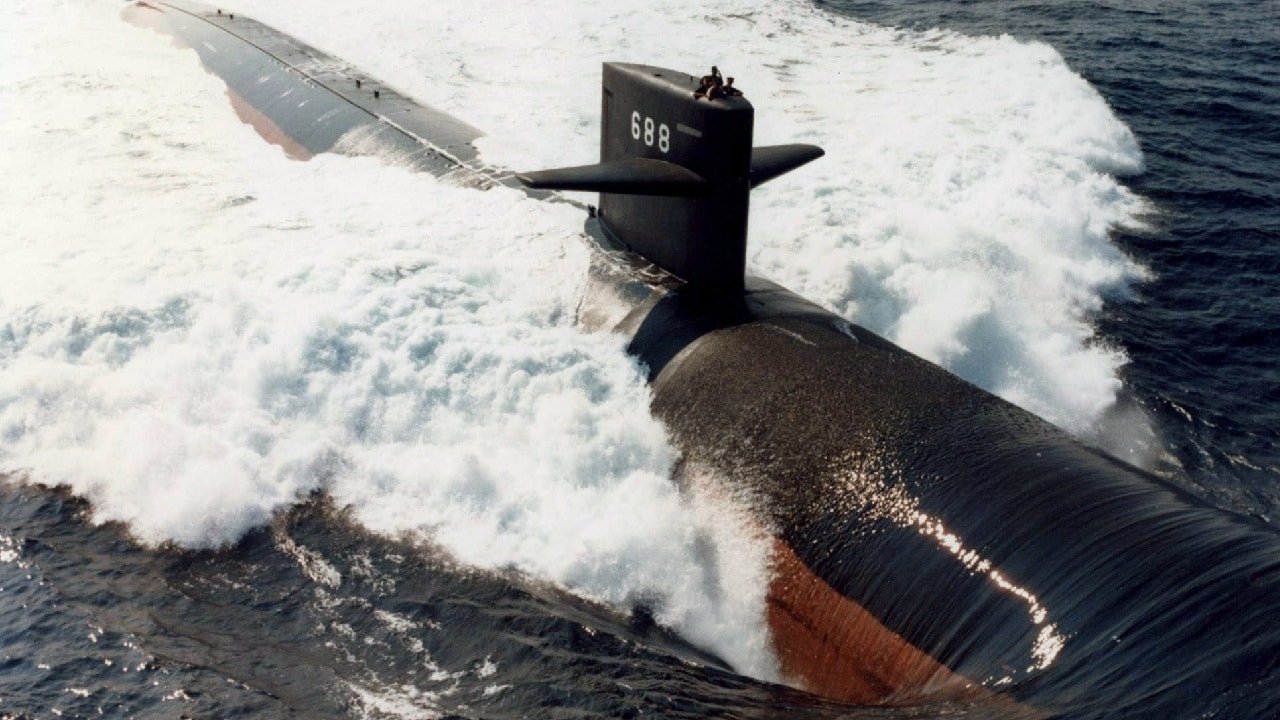
Los Angeles-class attack submarine. Image Credit: Creative Commons.
Guitarro Begins to Sink
As water was added fore and aft, Guitarro settled progressively lower in the water while remaining approximately level.
Because the trim remained visually balanced, there was no obvious sign that something was dangerously wrong.
Freeboard gradually diminished, but the change was subtle enough not to trigger an immediate alarm. This phenomenon illustrated a key problem in complex systems: multiple independent actions, each locally sensible, can combine to produce catastrophic outcomes that no single participant anticipates.
The situation worsened because Guitarro was still in a construction configuration.
Numerous hatches, valves, and temporary hull penetrations were open or only partially sealed, consistent with ongoing installation work. As the waterline rose, it eventually reached points where seawater could flow directly into the submarine’s interior spaces.
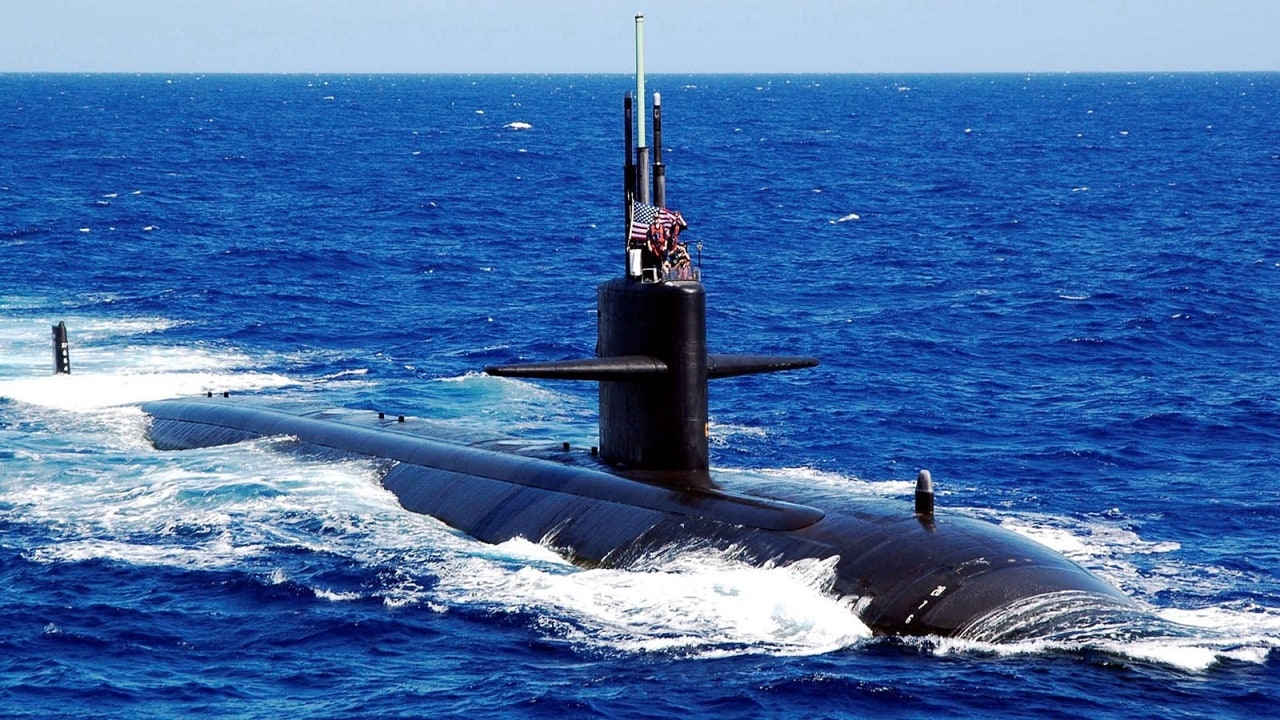
US Navy Los-Angeles Attack Submarine. Image Credit: Creative Commons.
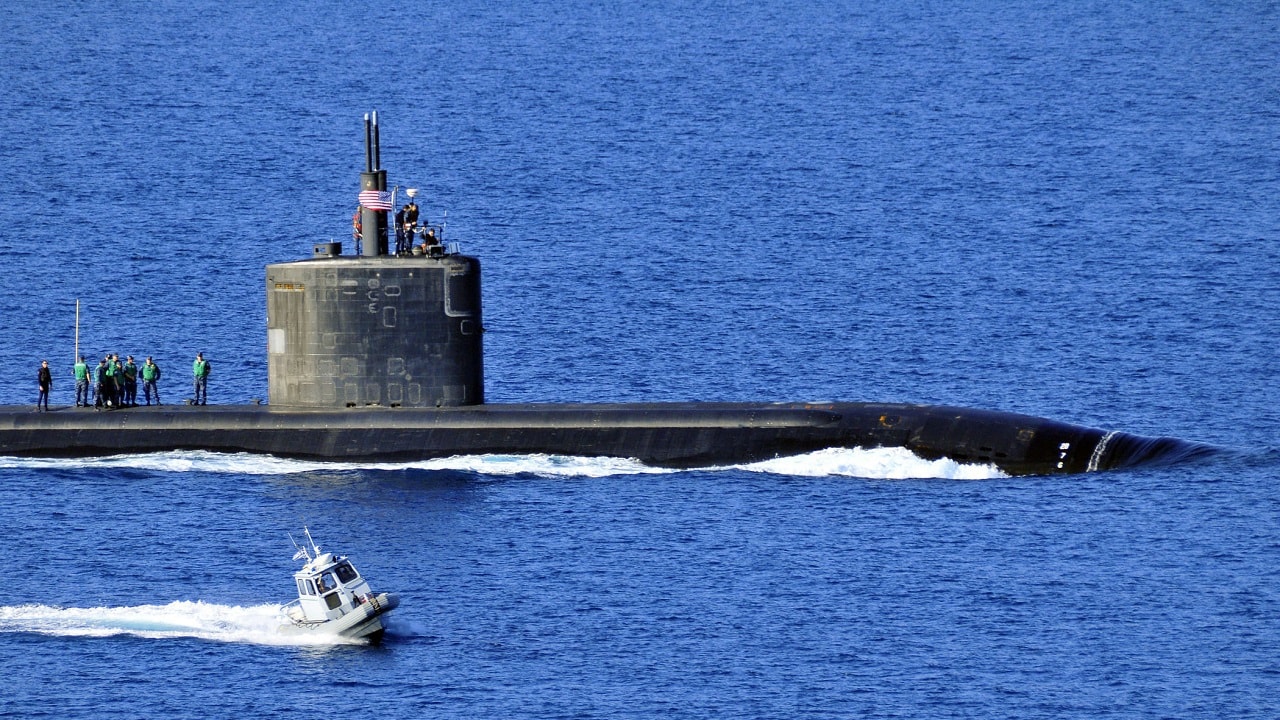
Los-Angeles Class submarine USS Annapolis.
What began as controlled ballast tank filling turned into uncontrolled flooding. By the time personnel realized that internal compartments were taking on water, the submarine’s buoyancy had been fatally compromised.
Aftermath and Recovery Efforts
Fortunately, the accident did not result in loss of life or radiological contamination.
The reactor was shut down and remained intact, with no release of radioactive material. Nevertheless, the submarine sustained extensive damage. Seawater flooded electrical systems and propulsion components, corrosion began almost immediately, and structural stresses were imposed as the hull settled unevenly.
The humiliation of sinking a nuclear submarine at the pier was compounded by the material and financial cost of the damage.
Over the following weeks, teams worked to seal hull openings, dewater compartments, and carefully refloat the submarine.
Every step had to be executed with extreme caution to avoid further damage or contamination.

PACIFIC OCEAN (July 31, 2018) – Sailors assigned to Los Angeles-class fast-attack submarine USS Olympia (SSN 717) participate in a swim call at sea, July 31 (U.S. Navy photo by Fire Control Technician Senior Chief Vien Nguyen)
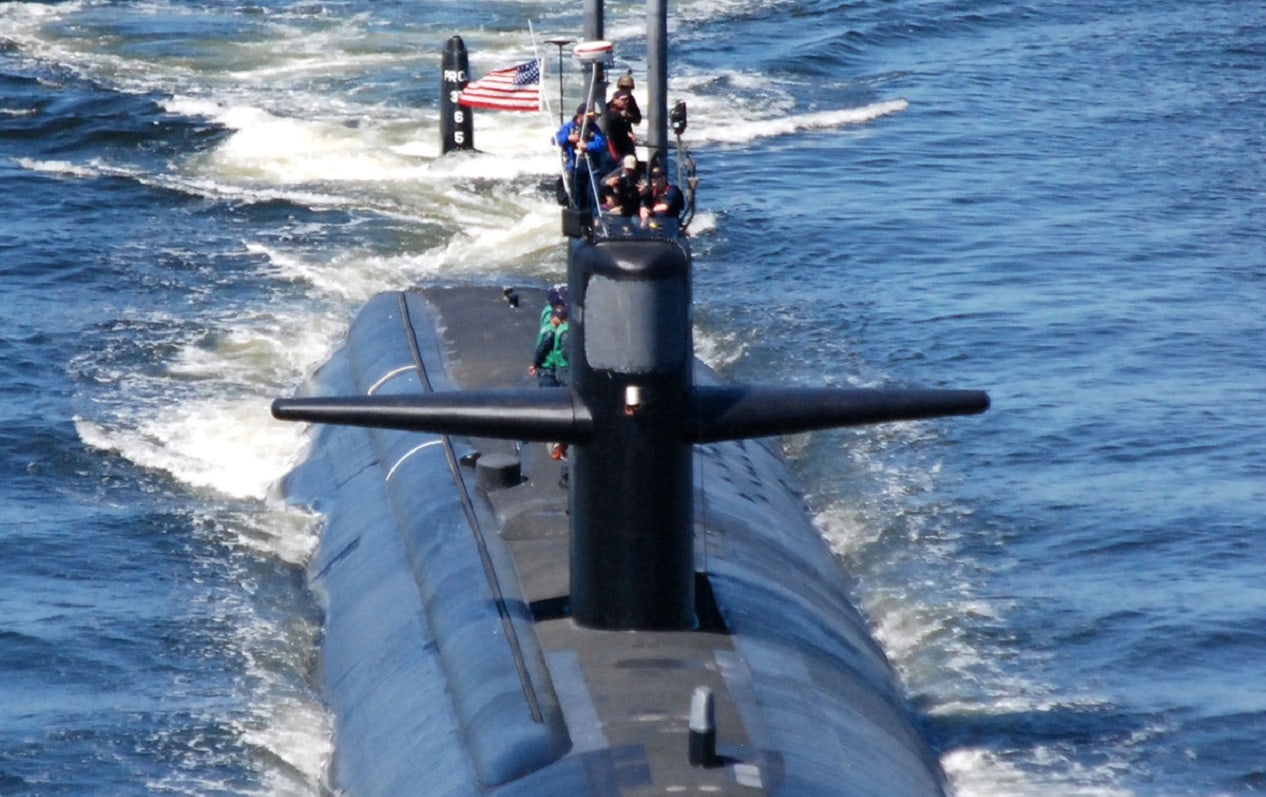
Los Angeles-Class Attack Submarine. Image Credit: Creative Commons.
Once raised, Guitarro required major repairs and revalidation of systems that were already incomplete before the accident. The cost of recovery totaled to around $15-30 million dollars in 1969, which is roughly $145 million in today’s currency.
Even more damaging was the loss of schedule. Originally expected to be commissioned in 1969, Guitarro would not enter service until 1972.
Investigation and Lessons Learned
The Navy did not treat the incident casually. Investigations were conducted to establish responsibility and determine corrective actions. Several officers and civilian supervisors received formal reprimands or adverse fitness reports, effectively ending or severely limiting their careers.
No court-martials were pursued, and it was generally acknowledged that the sinking was not the result of malice or gross negligence but of systemic failure.
The commanding officer-designate, though not present when the accident occurred, was among those whose careers were adversely affected.
Naturally, the Navy reorganized its management and supervision structures as a result.
About the Author: Isaac Seitz
Isaac Seitz, a Defense Columnist, graduated from Patrick Henry College’s Strategic Intelligence and National Security program. He has also studied Russian at Middlebury Language Schools and has worked as an intelligence Analyst in the private sector.