
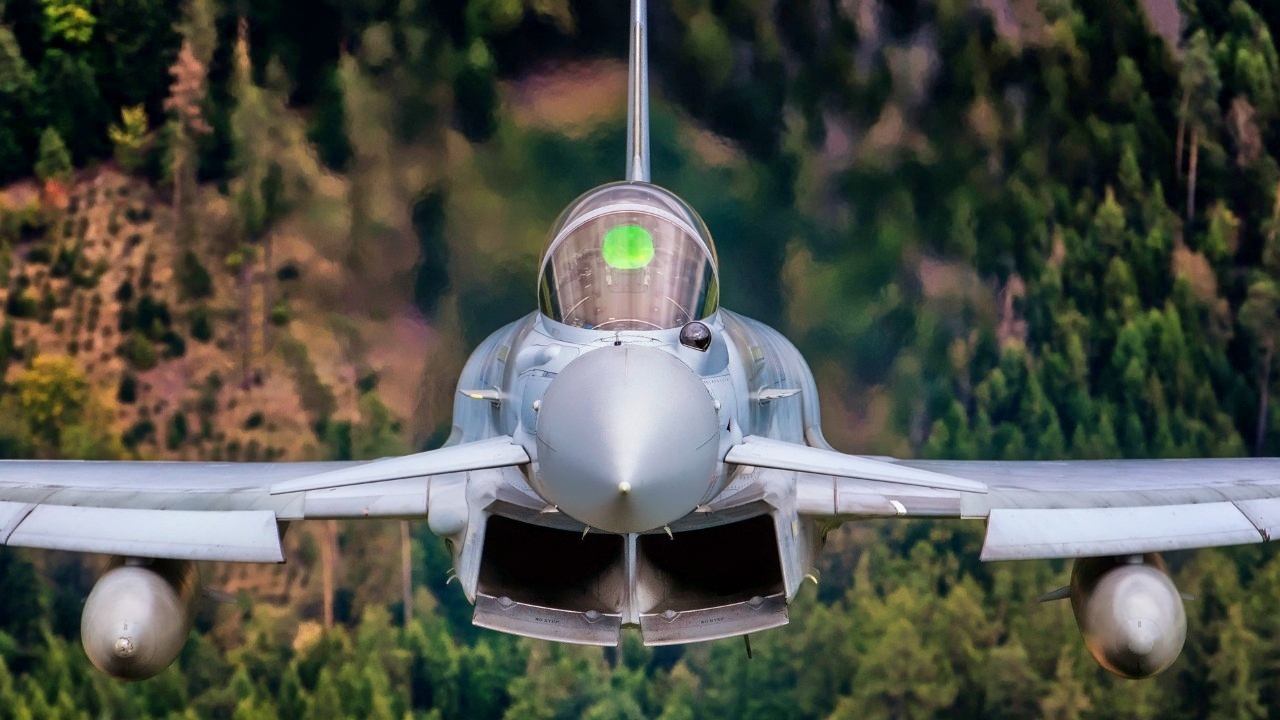
Summary and Key Points: Isaac Seitz, a defense columnist and intelligence analyst, evaluates the Eurofighter Typhoon’s combat record through March 2026.
-Following successful interceptions of Shahed-136 drones in 2024 and 2025, the RAF’s No. 12 Squadron and German units under Operation Eastern Sentry have solidified the Typhoon’s role as a “swing-role” powerhouse.
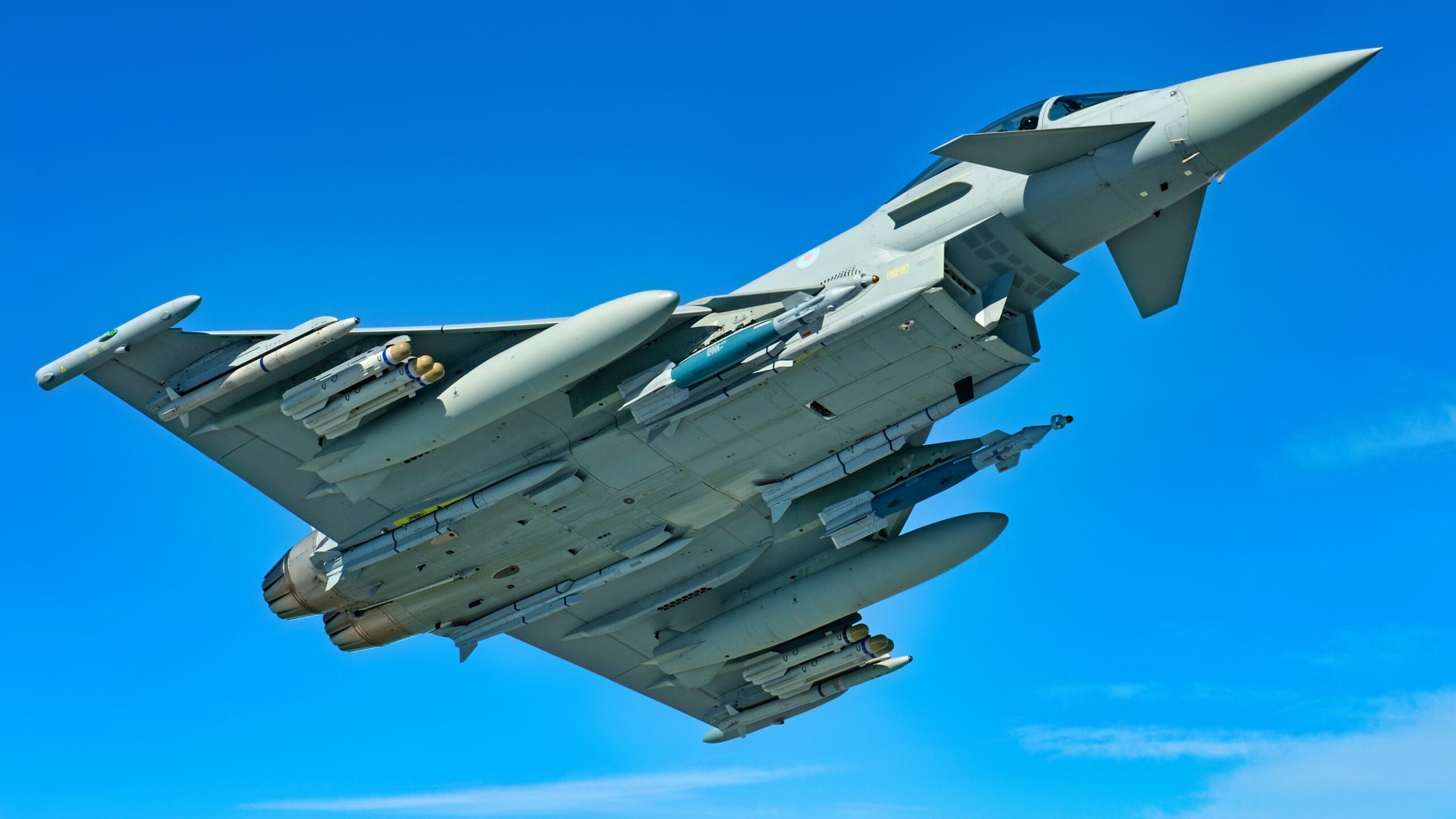
Eurofighter Typhoon. Image Credit: Creative Commons.
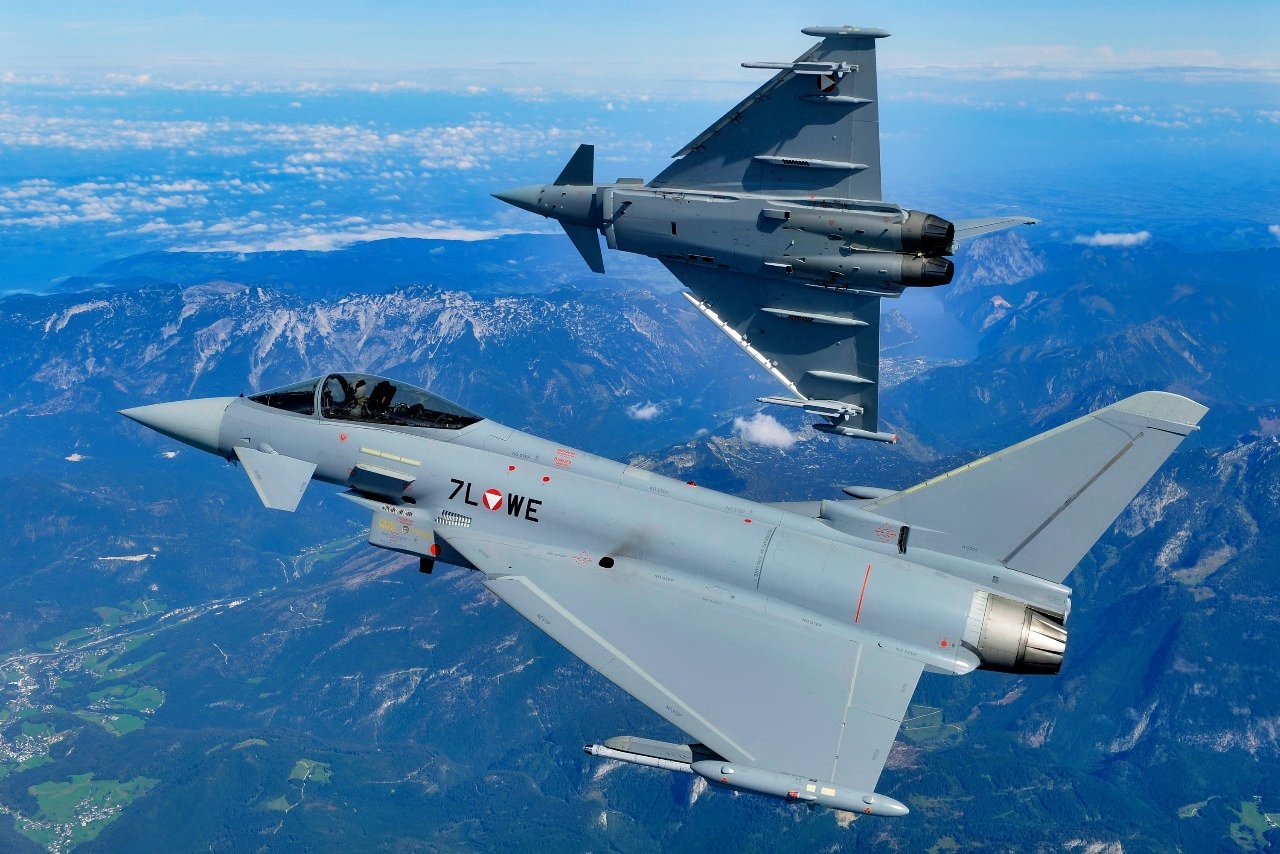
Eurofighter Typhoon. Image Credit: Creative Commons.
-This report analyzes the aircraft’s EJ200 engines, PIRATE IRST sensors, and the recent integration of AESA radar in the FGR4 variant.
-Seitz concludes that while the Typhoon hasn’t faced advanced IADS, its 98% reliability in NATO air policing makes it an indispensable deterrent against Russia and Iran.
The 2026 Shift: How the Eurofighter Typhoon Evolved from Air Policing to Active Drone Hunting
The Eurofighter Typhoon was a joint venture between multiple European nations and their defense industries.
Designed and produced by a consortium consisting of Airbus, BAE Systems, and Leonardo, the Typhoon is a twin-engine multi-role fighter it was originally intended to be the go-to aircraft for all of Europe, but the French decided to go their separate ways and developed the Dassault Rafale instead.
Despite being operated by 10 different nations (soon to be 11, once Turkey receives its first deliveries), the Eurofighter has gained little combat experience.
It partook in operations in the Middle East and Africa against ISIS and was later used during 2024 to counter Iranian attacks on Israel.
So, how has it performed in these limited combat outings, and what is the Eurofighter’s broader position in Europe’s defense network?
The Typhon’s Limited Combat Outings
The Typhoon first saw combat in 2011 during operations over Libya. During the NATO-led intervention, it performed both reconnaissance and precision strike missions, demonstrating for the first time its capacity to function as a multirole platform rather than solely an air-superiority fighter.
This laid the foundation for its subsequent operational evolution in the Middle East, where it became a workhorse of the UK’s Operation Shader, carrying out precision strikes against ISIS targets in Iraq and Syria. Over time, the Typhoon’s ground-attack role expanded significantly as its arsenal diversified and as operators integrated more advanced targeting pods and guided munitions.
One of the most notable developments in recent years has been the Typhoon’s confirmed air-to-air combat engagements. In November 2025, an RAF official disclosed that Typhoon FGR4 aircraft had recorded four successful air-to-air kills over an eighteen-month period in the Middle East.
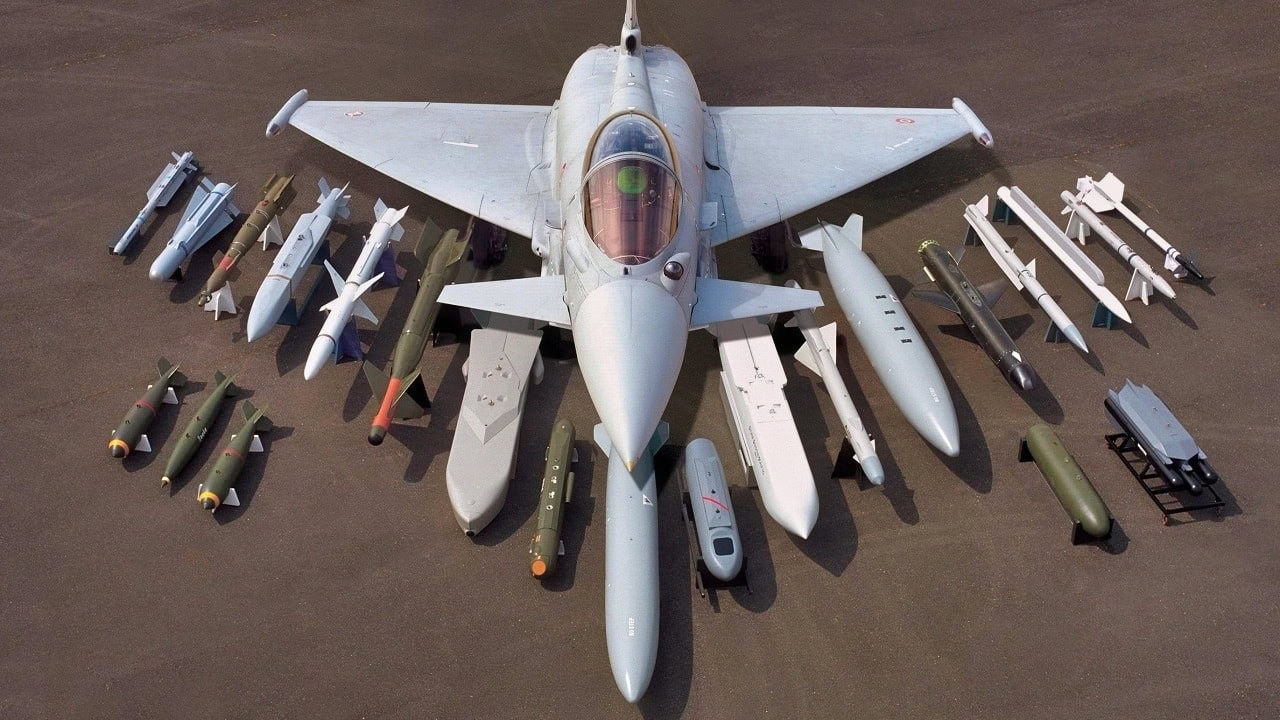
Eurofighter Typhoon. Image Credit: Creative Commons.
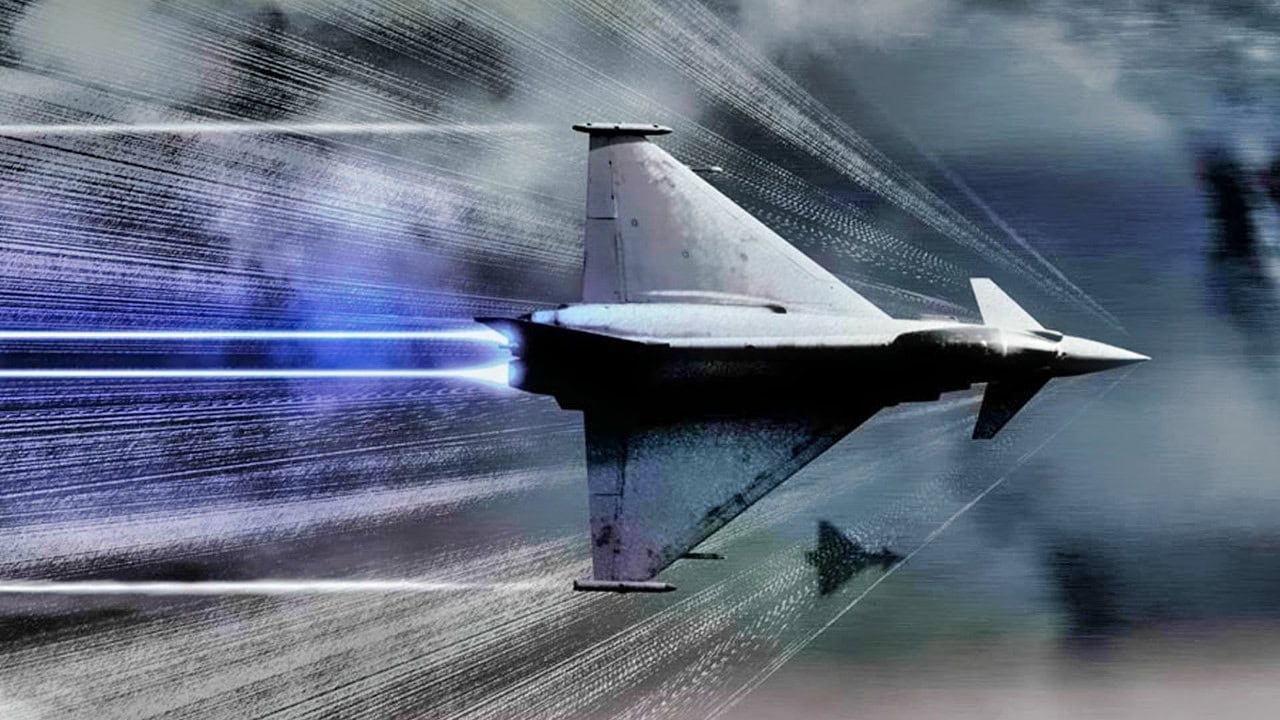
Eurofighter Typhoon Fighter. Image Credit: Creative Commons.
These engagements likely involved the interception and destruction of Iranian-origin Shahed-136 one-way attack drones used in mass-launch attacks on Israel in April 2024. This is not particularly impressive as a first air-to-air kill, given that Shahed drones are relatively slow compared to other aerial targets and have little to no electronic countermeasures.
According to reports, the RAF aircraft scored around three-to-four kills during the campaign. Just a few days ago, British Typhoons once again engaged Iranian drones in Kuwaiti airspace during the ongoing conflict between Israel/U.S. and Iran.
The Strategic Value of the Eurofighter Typhoon
Beyond direct combat, the Typhoon plays a critical role in NATO’s air policing missions, which have taken on heightened significance since Russia’s annexation of Crimea in 2014. In March 2024, six RAF Typhoons deployed to Romania’s Mihail Kogălniceanu Air Base for NATO’s enhanced Air Policing mission, demonstrating the aircraft’s continued relevance as a rapid-reaction deterrent along NATO’s eastern flank.
Further deployments followed, including a major RAF rotation to Poland in March 2025 at Malbork Air Base, where British Typhoons cooperated with Polish and Swedish air forces in safeguarding regional airspace. Germany also sent five Typhoons to Malbork in December 2025 under Operation Eastern Sentry, with operations extending into early 2026.
These aircraft provided round-the-clock quick-reaction alert coverage, highlighting the Typhoon’s importance as a frontline NATO air defense asset.
Despite being named the Eurofighter, the Typhoon is ironically used by several nations outside of Europe. In January 2026, RAF Typhoons deployed to Qatar as part of the UK–Qatar joint No. 12 Squadron in response to heightened tensions surrounding Iran.
While no combat occurred during this deployment, the movement showcased the aircraft’s role in coalition reassurance and regional security in the Gulf. These deployments demonstrate that the Typhoon remains highly sought after not only for its combat capabilities but also for its diplomatic and deterrent significance.
Evaluating the Typhoon’s Performance
The Eurofighter’s air-to-air performance, limited as it may be, has been validated through real combat engagements, particularly in intercepting hostile UAVs during Middle Eastern air defense operations.
Although it has not yet encountered a peer adversary in a high-intensity air-superiority contest, the evidence from its UAV engagements, combined with its consistently excellent performance in NATO interception duties, strongly supports its reputation as a formidable air-combat platform.
Furthermore, its thrust-to-weight ratio and aerodynamic handling qualities place it among the best fourth-generation fighters still in service.
In the air-to-ground missions, the Typhoon has evolved dramatically from its early days. Its actions in Libya demonstrated the viability of its strike role, while continued operations in Iraq and Syria proved its capacity to deliver precision weapons reliably in complex modern conflicts.
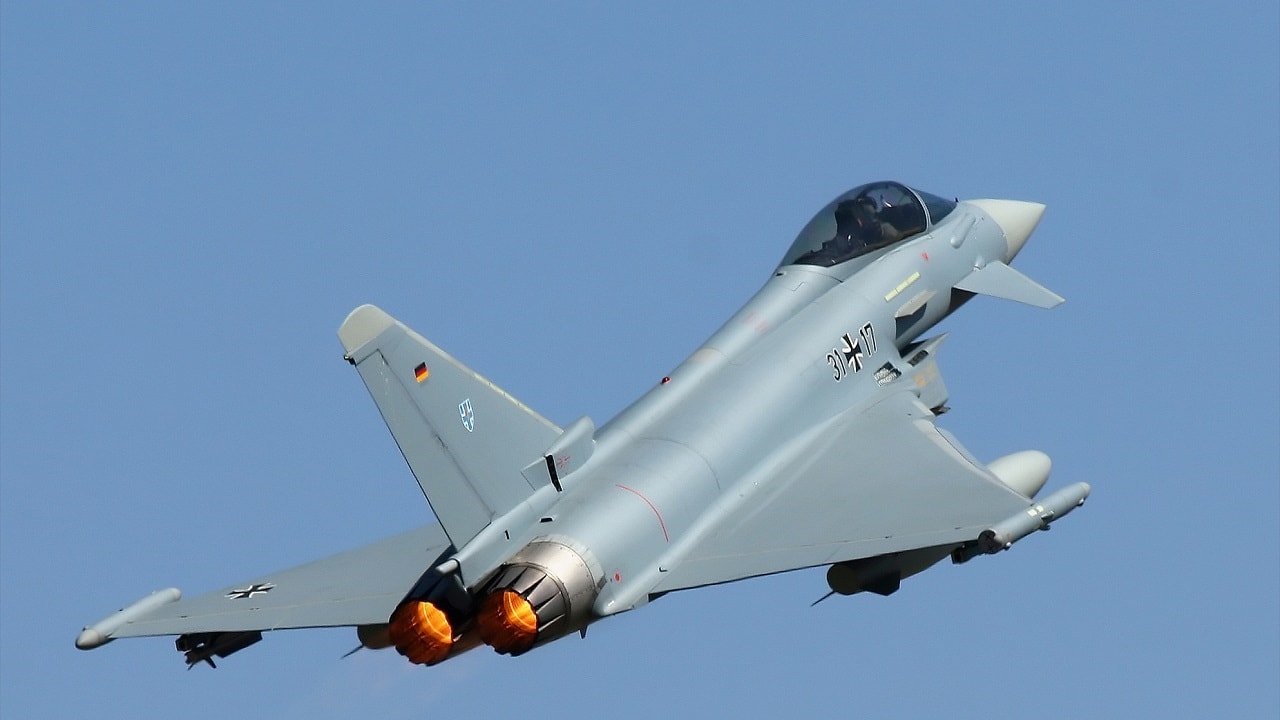
German Air Force Eurofighter. Image Credit: Creative Commons.
With upgrades that enable it to deploy Storm Shadow missiles, Brimstone, and Paveway IV, andits sophisticated targeting systems, the Typhoon has become an effective and flexible strike aircraft capable of supporting both tactical and strategic objectives.
That being said, the Eurofighter has yet to face any sophisticated air defenses
What Makes the Typhoon Great?
Designed initially as an air-superiority fighter, the Typhoon’s aerodynamic layout confers exceptional agility and an impressive thrust-to-weight ratio.
Its twin Eurojet EJ200 engines enable a maximum speed of around Mach 2 while providing rapid acceleration and superlative maneuverability, placing it among the most agile fighters in service.
Its avionics suite includes the ECR90 radar, PIRATE infrared search-and-track sensor, advanced ECM systems, and a modern glass cockpit integrated with a helmet-mounted display.
Subsequent upgrades added AESA radar capabilities and advanced computing architectures that allow “swing-role” functionality, enabling pilots to transition instantly between air-to-air and air-to-ground operations.
About the Author: Isaac Seitz
Isaac Seitz, a Defense Columnist, graduated from Patrick Henry College’s Strategic Intelligence and National Security program. He has also studied Russian at Middlebury Language Schools and has worked as an intelligence Analyst in the private sector.