
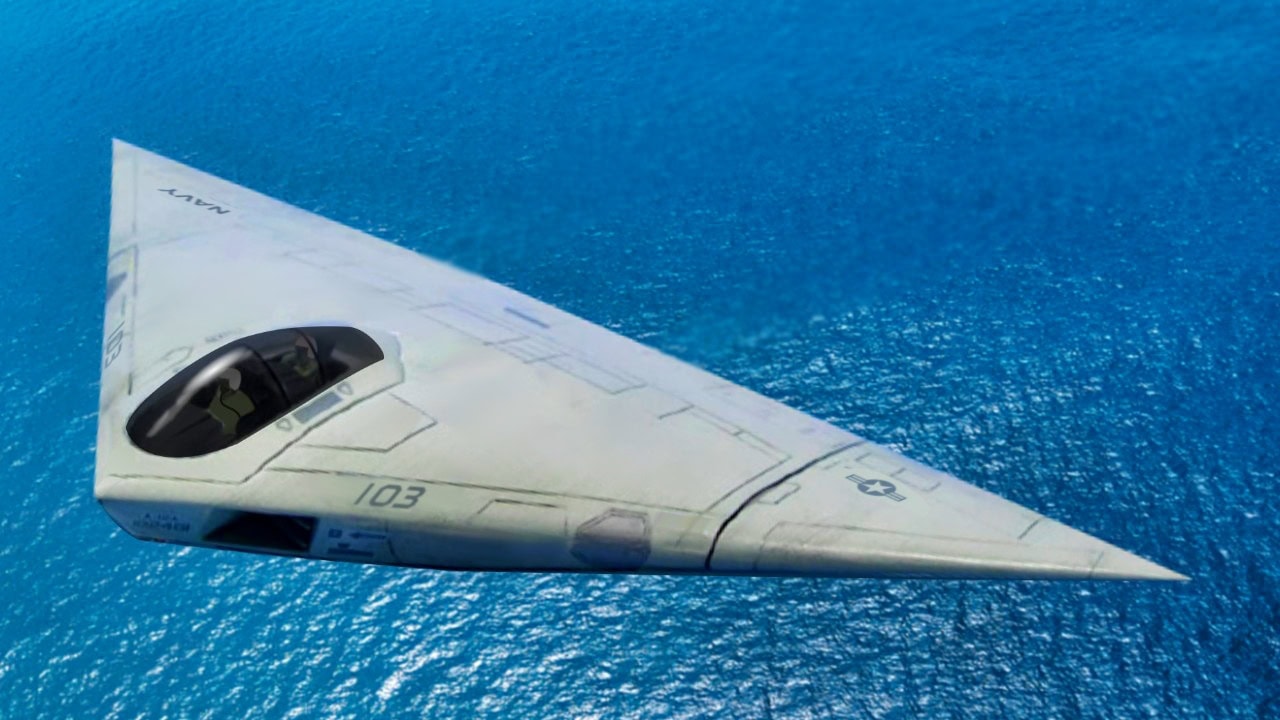
Summary and Key Points: Dr. Brent M. Eastwood, a former RAND Corporation analyst and U.S. Army Infantry officer, evaluates the A-12 Avenger II as a “total mess” and a masterclass in failed defense acquisition.
-Intended to replace the A-6 Intruder, the “Flying Dorito” suffered from an 8,000-pound weight crisis and $1 billion in overruns before Secretary Dick Cheney canceled it in 1991.

A-12 Avenger diagram. Image Credit: Creative Commons.
-This report analyzes how the A-12 could have enhanced the USS Gerald R. Ford’s strike power in the 2026 Iran War.
-Eastwood concludes that while the A-12 was a “boondoggle,” its ghost continues to haunt the development of the F/A-XX sixth-generation fighter.
The Flying Dorito Disaster: Why the A-12 Avenger II Remains the Navy’s Greatest Acquisition Failure
While a young graduate student and fresh out of the U.S. military, I served as an analyst in defense acquisition at the RAND Corporation. I was assigned to cover many high-profile major end items, such as the RQ-4 Global Hawk strategic reconnaissance drone, the C-17 Globemaster III cargo plane, the F/A-18E/F Super Hornet, and many other platforms.
When the Higher-Ups Teach You a Lesson
One time, my boss called me into his office. “This is an example of how not to run a defense acquisition program,” he said. My superior handed me a print-out from a decades-old database. I quickly read through the missive and asked, “What is the A-12 Avenger II?”
“A total mess,” he replied. “Read the part where the acquisition official had part of the A-12’s wing in his office, and that was one of the only pieces of the airplane ever produced in a timely fashion.”
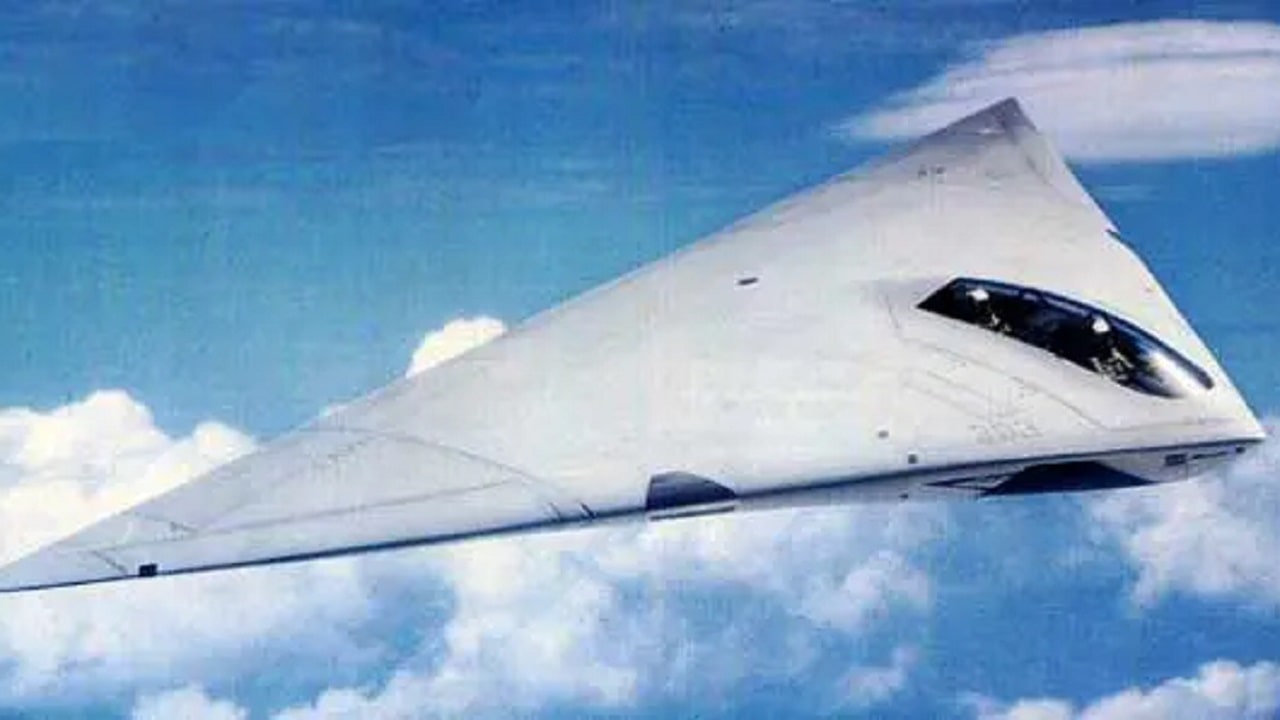
A-12 Avenger. Image Credit: Creative Commons.
The A-12 Avenger II Was Cursed
Indeed, the A-12 Avenger II is still seen as a cautionary tale and a way to educate acquisition professionals on the danger of trying to incorporate too many technologies at once. It highlights the difficulties of fashioning any type of stealth airplane without schedule slips and cost overruns.
The Navy Did Need a New Stealth Bomber
At first glance, the A-12 program made sense. The U.S. Navy needed a new stealth bomber. The Air Force had its own F-117 Nighthawk, which revolutionized radar evasive flight.
The Navy’s carrier-borne A-6 Intruder strike aircraft was getting long in the tooth, and it was not clear how survivable it could be in modern threat environments.
The idea was to make the A-12 stealthier than the F-117, then fly it off a carrier and watch the fun begin. This would be a long-range strike airplane that carriers could send into harm’s way and blast enemy targets without being detected.

Four F-117 Nighthawks fly in formation during a sortie over the Antelope Valley recently. After 25 years of history, the aircraft is set to retire soon. As the Air Force’s first stealth fighter, the F-117 is capable of performing reconnaissance missions and bombing critical targets, all without the enemy’s knowledge. (Photo by Bobbi Zapka)
Flying Dorito Should Taste Great
So, designers and technicians got to work on what was going to look like a “Flying Dorito.” The problem was that this project began sucking up money at a considerable pace. The stealth coatings were troublesome, and the flying wing shape became heavy and unflyable.
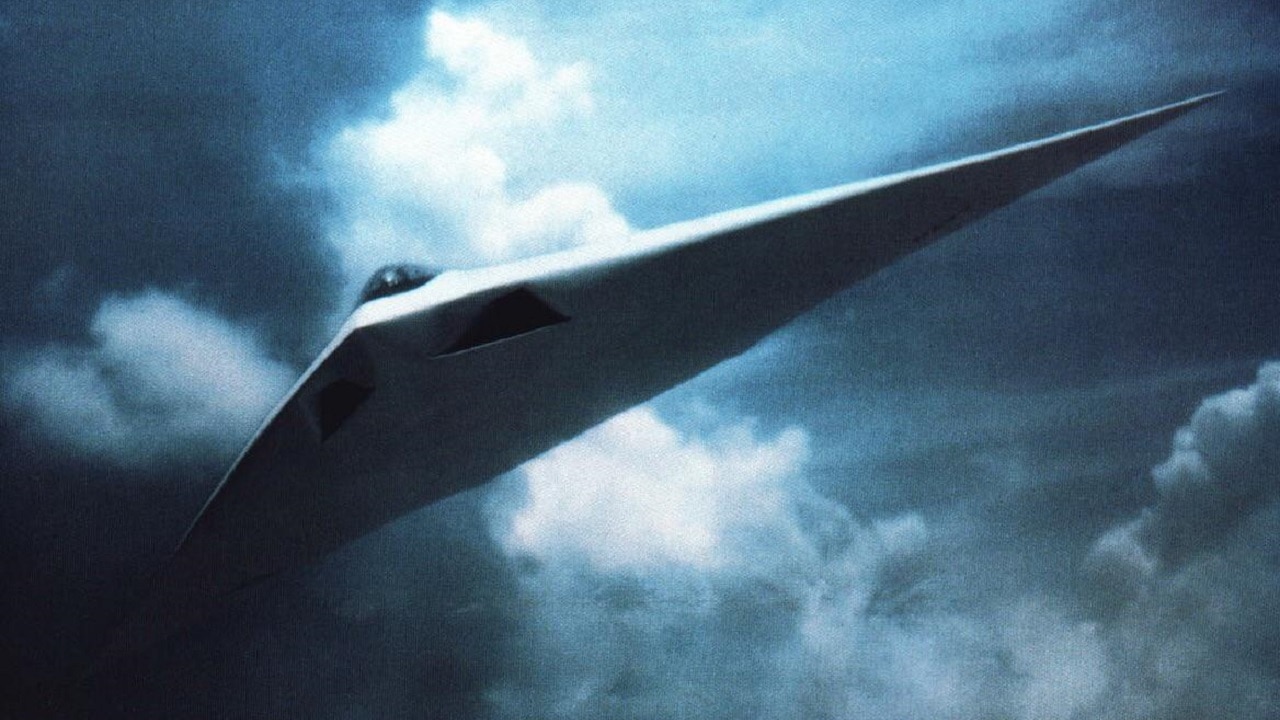
A-12 Avenger. Image Credit: Creative Commons.
Soon, the program was in delay mode, and the cash register started ringing. The Navy plowed over a billion dollars into the A-12, and the schedule slipped 18 months. The airframe, despite monumental effort, was still not ready for prime time.
Then the Problems Abounded
The A-12 soon weighed 8,000 pounds more, which would significantly hamper its ability to launch and land on aircraft carriers. The Navy envisioned having hundreds of A-12s flying off every carrier in the fleet. This was an ambitious and expensive program that had many in Washington, DC scratching their heads.
Congress was frustrated, and then Secretary of Defense Dick Cheney thought it was a boondoggle. He finally cancelled the program in January 1991, and only a few components of the airplane were actually produced in numbers.
A-12 Avenger II: What If This Bomber Were Flying Off Carriers Regularly?
But let’s play what if. The Navy now uses F-35Cs and F/A-18 E/F Super Hornets for strike missions. This is fine, and both airplanes have been successful in Iran. But range and payload are limited. The new F/A-XX sixth-generation fighter program is worthwhile, but the Department of Defense has not yet given the F/A-XX the full green light.
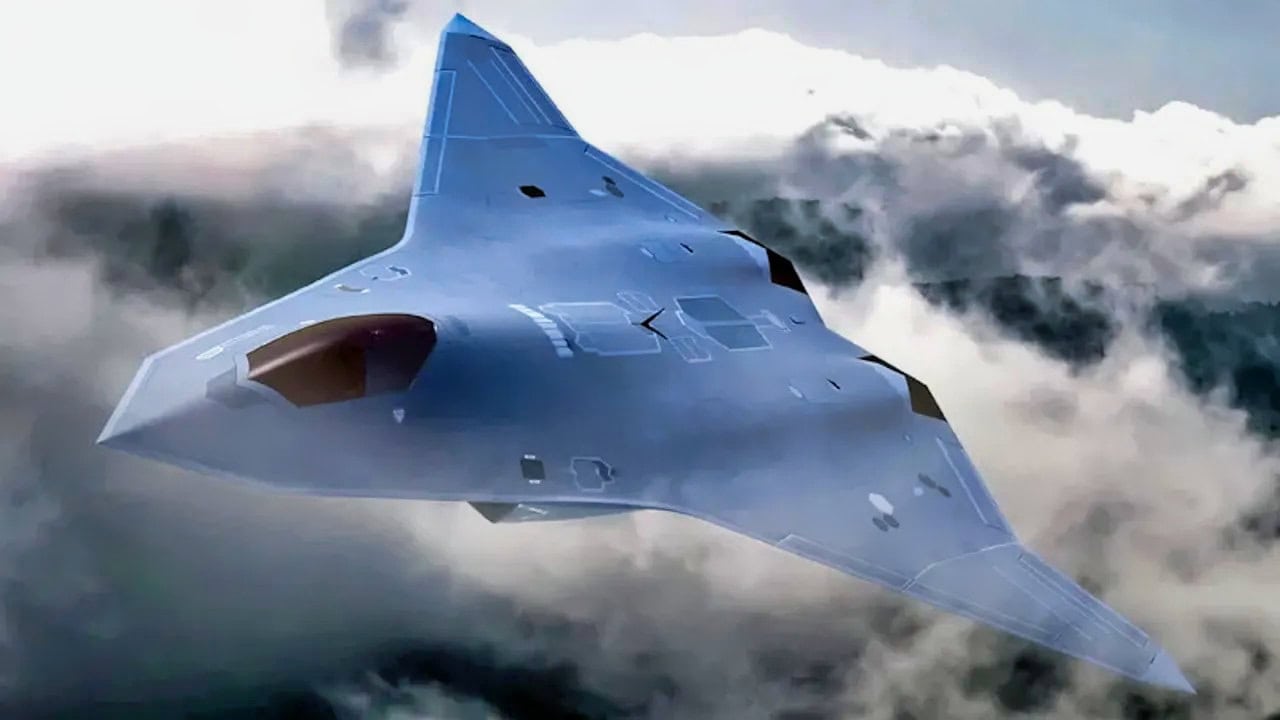
F/A-XX. Image Credit: Creative Commons.
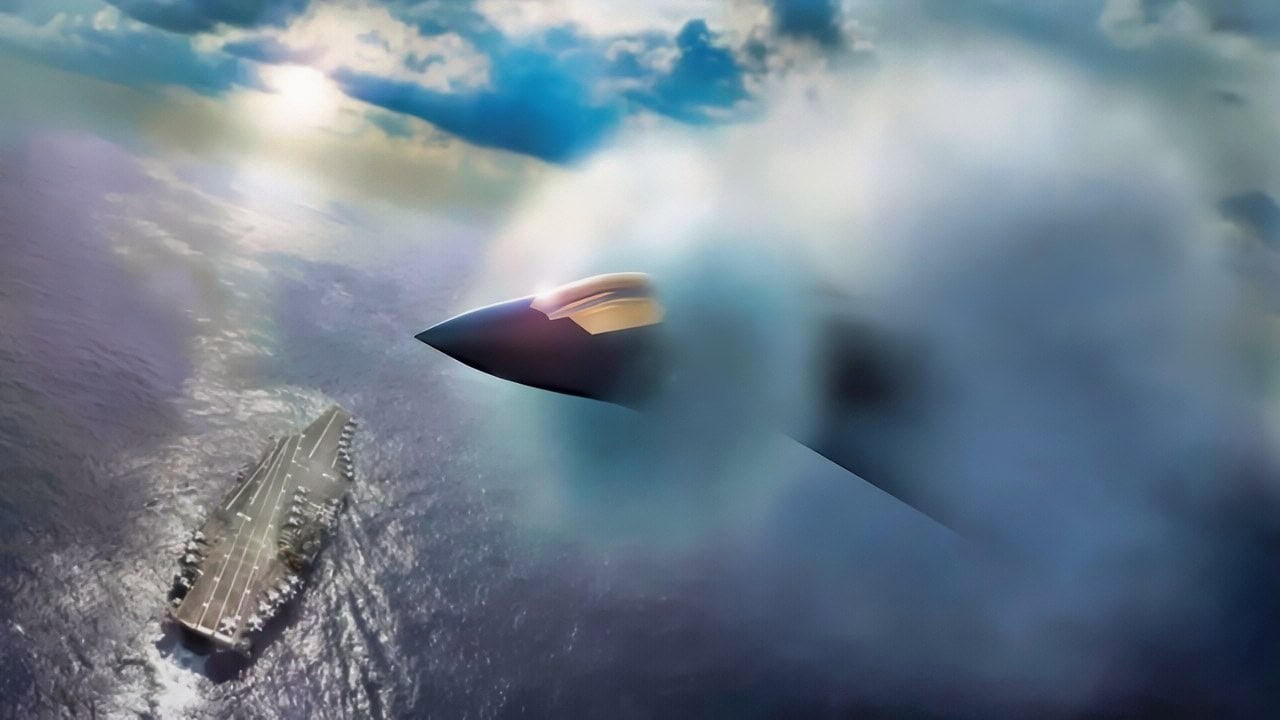
F/A-XX Boeing Image.
What if the A-12 had been fully built and deployed on carriers? It could have been a nuclear-armed strategic aircraft that would strengthen the U.S. nuclear triad. It would have solved the range and payload problem, and it could easily have knocked out targets in a conflict.
Would Even a Well-Designed Flying Wing Be Too Heavy for a Carrier?
Pilots may have endured trouble landing the A-12 on a flight deck, though. This warbird was going to be heavy no matter what. Night recoveries would have been difficult. However, another stealth option for the Navy would have been welcome.
Making Iran Pay the Price
The two aircraft carriers currently deployed near Iran – the USS Gerald R. Ford and the USS Abraham Lincoln – are operating at a high operational tempo.
The A-12 would have enhanced the Navy’s bombing power and could have handled heavy use.
The Air Force has the existing B-2 Spirit flying wing, and the new B-21 Raider will be on active duty in the next few years, but the Navy could have put its own stealth bomber to good use in Iran.
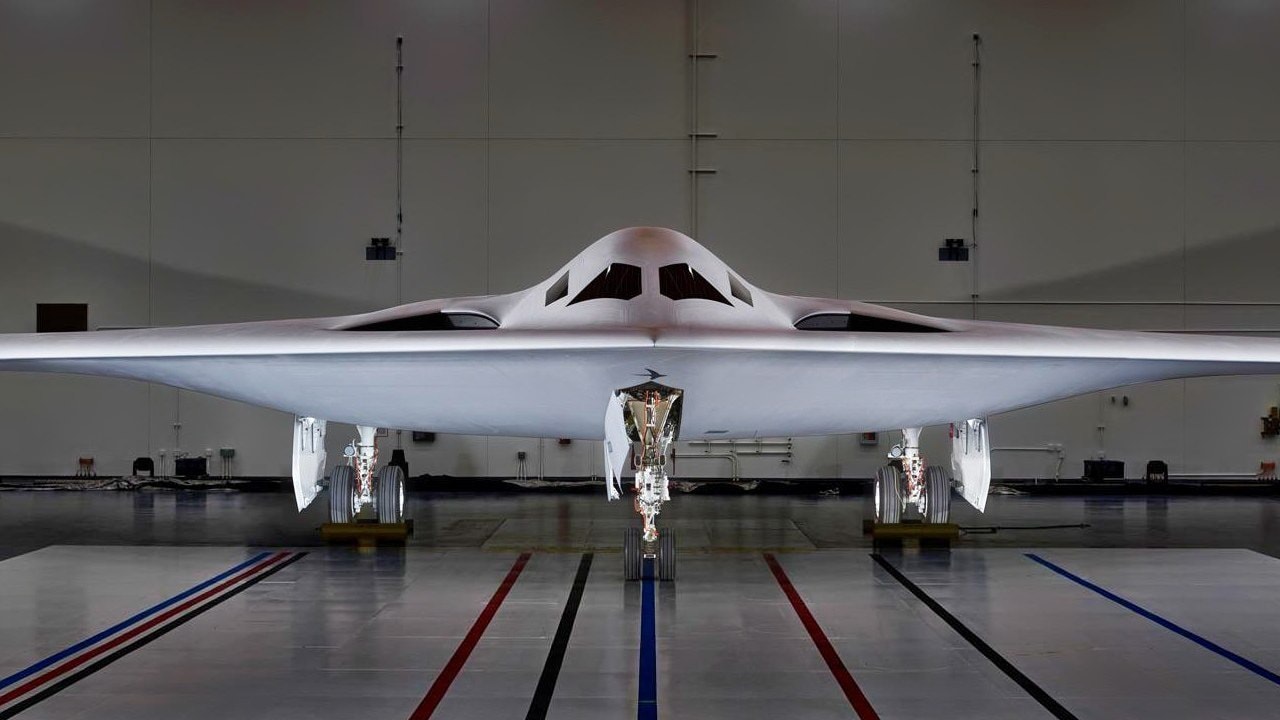
B-21 Raider Bomber U.S. Air Force.
A Mix of Old and New Weapons On Board
The strike plane could have evaded radar and used modern munitions. Like the B-1B Lancer, it could have been packed with 500-pound GBU-38 Joint Direct Attack Munitions and AGM-158A Joint Air-to-Surface Standoff Missiles (JASSM). Plus, the A-12 could deploy hypersonic weapons armed with nuclear warheads.
Death in the Acquisition ‘Valley’
The A-12 never made it past the defense acquisition “Valley of Death” from design to serial production, and active duty. This was a failed example of “vaporware.” It taught many lessons to defense acquisition professionals, both in the military and at think tanks.
An A-12 would have come in handy during the current conflict, even though it was never going to make it. Let’s keep the Navy in mind for that F/A-XX, though. A sixth-generation airplane with ground-strike capability and stealth could replace the Flying Dorito. The A-12 should go down as an example of how defense acquisition is one of the most difficult parts of the U.S. military that can always fleece the taxpayer and create regrettable boondoggles despite all the best intentions.
About the Author: Brent M. Eastwood
Author of now over 3,000 articles on defense issues, Brent M. Eastwood, PhD, is the author of Don’t Turn Your Back On the World: A Conservative Foreign Policy and Humans, Machines, and Data: Future Trends in Warfare, plus two other books. Brent was the founder and CEO of a tech firm that predicted world events using artificial intelligence. He served as a legislative fellow for US Senator Tim Scott, advising the senator on defense and foreign policy issues. He has taught at American University, George Washington University, and George Mason University. Brent is a former US Army Infantry officer. He can be followed on X @BMEastwood.