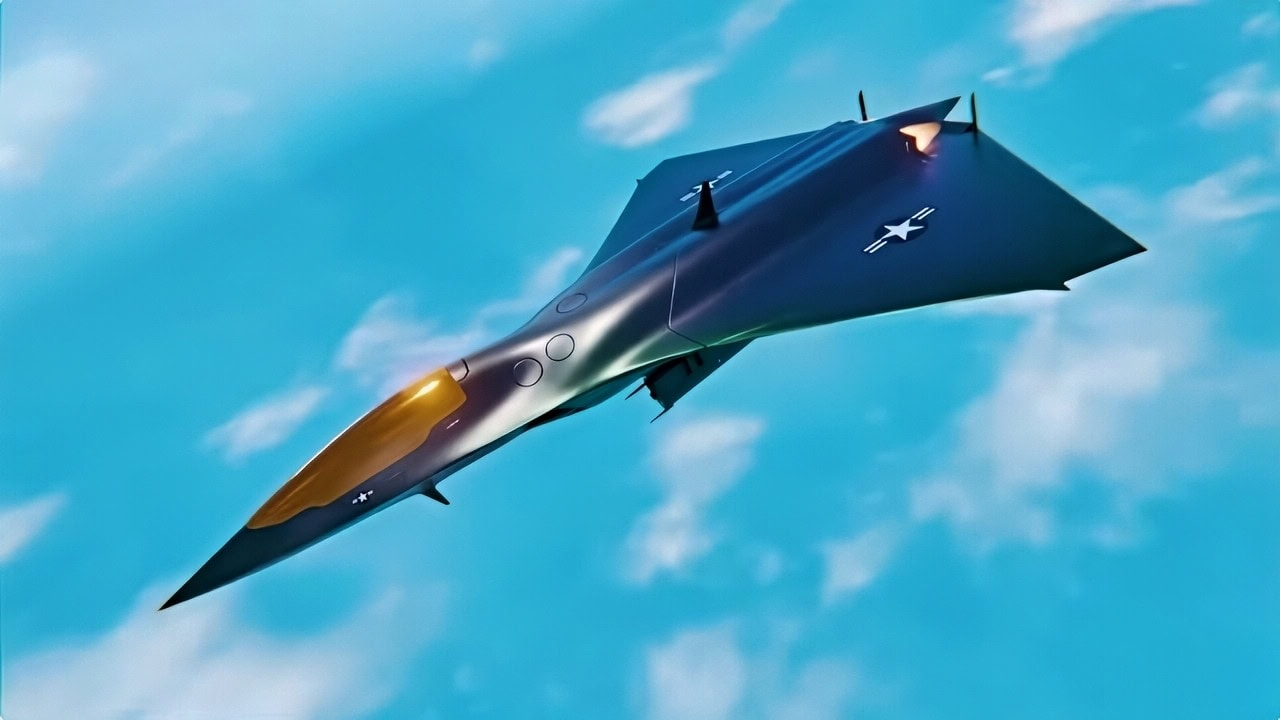
The almost six weeks of armed conflict with the US and its allies taking on Iran’s military have raised the issue of the need for procuring more advanced stealth aircraft than originally planned. In the wake of the hostilities to date, the original planned buy of 100 B-21 Raider next-generation stealth bombers and 189 of the F-47, the latest 6th-generation fighter, is once again being assessed as insufficient for long-term US national security requirements.
This is the second time in 9 months that this argument has been presented – the previous having been just after Operation Midnight Hammer and the 12-day war with Iran in June 2025. However, as of today, rumors – and we want to be very clear here, just rumors or maybe even best to call it internet chatter – are circulating on some corners of the net that the F-47 may have already been combat-tested in Iran. That would, at least in theory, be one very clear way to prove the next generation of the U.S. Air Force’s combat power, even if very risky. Such a scenario could go a long way toward proving that these expensive fighters are worth every billion.
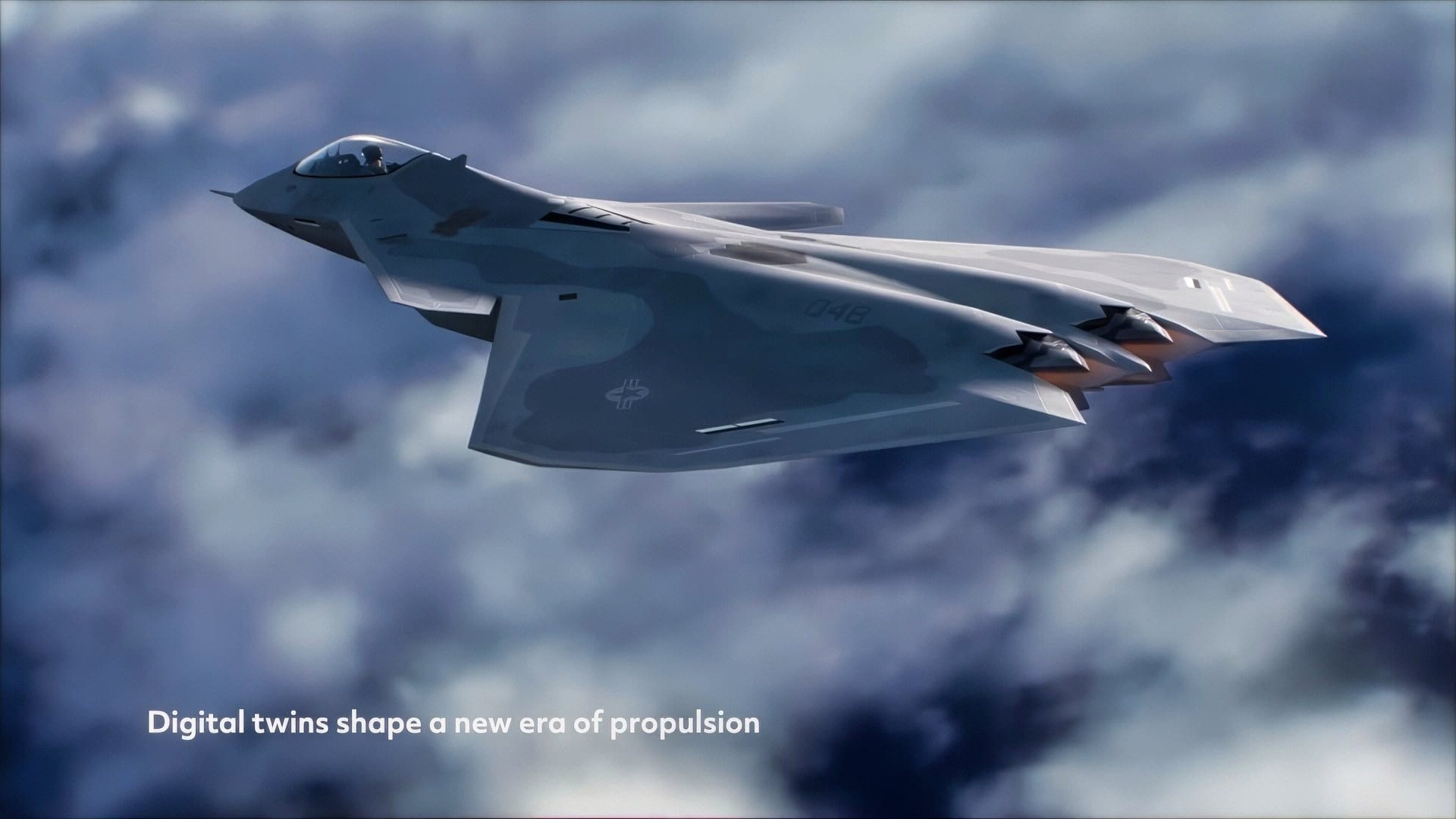
F-47 NGAD Fighter Possible Image. Image Credit: Screenshot.
More B-21 and F-47 NGAD?
To go back to the beginning, there was an essay originally published by the Arlington, Virginia-based Lexington Institute in late June 2025, immediately after the 12-Day War.
It asserted that “Operation Midnight Hammer was brilliantly executed, but it also showed that the US is woefully short of sixth-generation aircraft.”
“The technology is ready. The budget is the holdup. It’s a small miracle the US had enough B-2 bombers to pull off their strikes in Operation Midnight Hammer. The B-2 wing [today] consists of just 19 planes out of an original buy of 21.”
Not Enough for Future Target Sets
However, the justification for the position that a much larger number of B-21s is now required is not based on the premise that the US Armed Forces will require more bombers if there were another similar campaign in the Middle East in the future.
Rather, air power analysts are comparing the number of B-2s in service today with likely scenarios for future conflicts in which the US could be involved and making a completely different case.
Their position is that the strain on the force exposed by the short operation demonstrated by the June 2025 conflict represents a lack of resources. This could prove fatal should the US become embroiled in a much wider and more sustained conflict in another region of the world.
Specifically, their concern is the possibility of having to take on the People’s Liberation Army (PLA) in a conflict to defend the Republic of China (ROC) on Taiwan.

B-21 Raider. Image Credit: Creative Commons.
The author of the essay, Lexington’s Dr. Rebecca L. Grant, writes that at the “top of the list” of the “operational lessons learned” from the June 2025 conflict is “the urgent requirement to speed up production of the B-21 Raider, the replacement for the B-2. The Air Force – and the nation – has been taking risks with its stealth bomber fleet for decades. That won’t work against an Indo-Pacific target set.”
Delving into the operational details reveals just how “small” the number of only 19 B-2 bombers left in the fleet is and the constraints that number dictates when it comes to mounting a major operation.
“The B-2 fleet was ready for Iran, but the stress on this small fleet was severe. Marshaling 7 B-2s for the strike on Iran on June 21, 2025, was impressive. Work had to begin months in advance to plan aircraft availability, and weeks ahead to schedule all B-2s to be tuned up to pristine condition with maximum stealth for combat operations,” she continues.
But “not all of the 19 B-2s can be used in a mission on the same day,” which is where the problem with a number as low as 19 enters the equation.
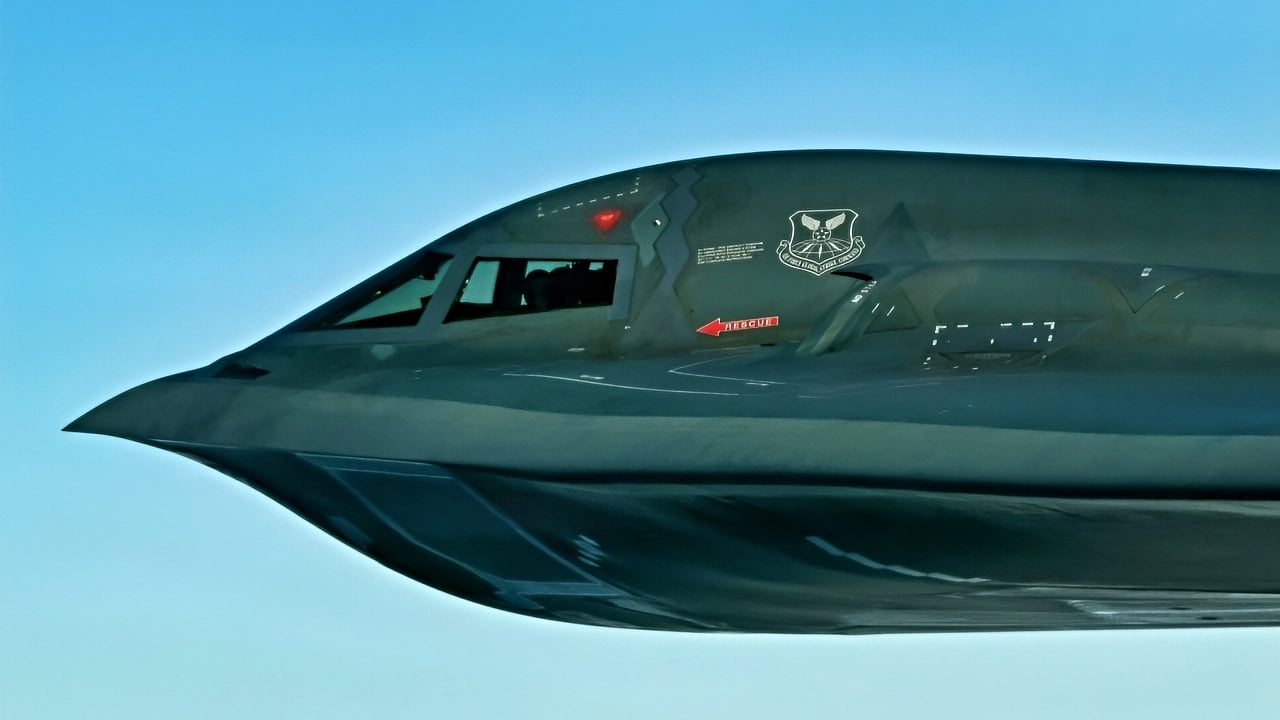
A U.S. Air Force B-2 Spirit conducts an integrated maritime strike training exercise with U.S. Navy F-35C Lightning II and F/A-18E Super Hornets from Carrier Air Wing Eleven (CVW-11) off the coast of California, on Feb. 10-11, 2026. Practicing innovative methods to employ and integrate strategic bombers like the B-2 with Navy carrier strike groups enhances combat capabilities through synchronized, integrated power projection. (U.S. Navy photo by Katie Archibald)
“A few B-2s are often unavailable for scheduled intermediate maintenance and upgrades. Subtract nuclear triad commitments and training for new pilots. For this mission, other B-2 ‘spares’ apparently flew a deception mission toward Guam. Committing 9 B-2s to Operation Midnight Hammer left the shelf nearly empty. And it goes without saying that 37-hour flights inherently limit the number of sorties that can be flown with a small fleet.”
The F-47 Question
In February 2026, the Aerospace Forces Association’s (AFA) Mitchell Institute for Aerospace Studies produced its own report on future US Air Force (USAF) procurement plans.
They also call out the current plans for “at least” 100 B-21s and 185 F-47s as inadequate and instead propose a more realistic force structure that would require 200 of the B-21 and at least 300 F-47s.
Their conclusions are not just based on an assessment of how many B-21 aircraft would be required to conduct long-range strike missions and how many F-47s would be required to escort them.
Instead, they provide an analysis of the more likely and far more preemptive air-war plan for a conflict with the PLA.

Shown is a graphical artist rendering of the Next Generation Air Dominance (NGAD) Platform. The rendering highlights the Air Force’s sixth generation fighter, the F-47. The NGAD Platform will bring lethal, next-generation technologies to ensure air superiority for the Joint Force in any conflict. (U.S. Air Force graphic)
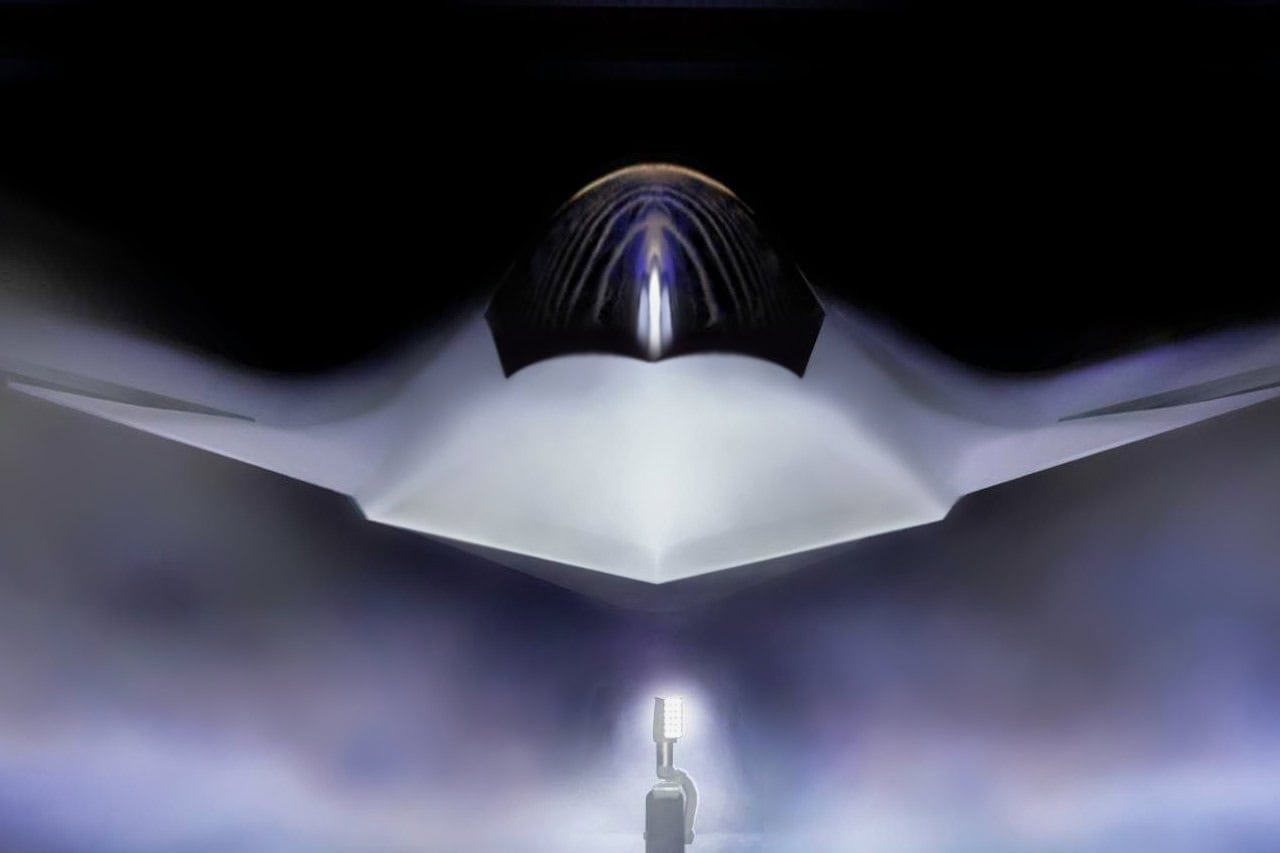
Shown is a graphical artist rendering of the Next Generation Air Dominance (NGAD) Platform. The rendering highlights the Air Force’s sixth generation fighter, the F-47. The NGAD Platform will bring lethal, next-generation technologies to ensure air superiority for the Joint Force in any conflict. (U.S. Air Force graphic)
This is an operational concept that puts the US on the offensive rather than envisioning a scenario in which US air power establishes an airborne picket line that waits for the PLA to attack and then mounts a defense to repulse Beijing’s air power.
Their proposed battle plan would call for “F-47s operating with B-21s and other aircraft in the Air Force long-range strike family can be [the Pentagon’s] ‘sanctuary denial force,’” the authors of the study write. Keeping the PLA on the defensive and attacking its logistical chain inside of the PRC disrupts Beijing’s ability to mount sustained operations – this is now the objective and not a defensive “Maginot Line in the sky”, as Chinese military analysts sometimes describe it.
The immediate query from some quarters is to ask how survivable the B-21 and F-47 would be against the PLA’s extensive air defense networks.
The anti-air capabilities of Iran have been significantly degraded thus far, they argue, and yet the limited number of air defense units that remain have managed in recent days to bring down some of the most advanced US aircraft.
So how survivable would any US platform be under these circumstances, some ask.
Well, there’s one way to find out…
The F-47 NGAD Rumor over Iran
The response to that criticism may lie in a recent rumor, and even that might not be the best wording choice, that an F-47 prototype has actually flown combat missions over Iran.
Let us be clear: 19FortyFive can’t confirm this; it is just a rumor on a YouTube video.
Take it for what it is. It could, for all we know, just be a video creator’s very own thought experiment, and that seems very possible, maybe even the most likely explanation. Nonetheless, it does make us wonder.
But, of course, we all know there are countless rumors out there, so again, this is not confirmed information. Just want to be clear on that.
We do know this: if you did want to test out the latest generation of U.S. air power, and again, in theory, had a test platform you wanted to put through the paces, the Iran war could offer you a way to do it. Albeit with a lot of risk. And that’s why this is worth talking about.
As the speculation goes, Tehran’s Russian- and Chinese-designed air defense units failed to achieve a positive lock on what one version of the incident calls “mysterious aircraft” that could not be identified and reportedly kept disappearing from radar screens.
At least, that’s what’s being alleged. And again, let’s be clear, YouTube videos say lots of things. And this video leaves a lot to be desired. It feels very fictional.
Let’s dive back in for a second: This rumored still-unidentified aircraft also reportedly escaped detection beyond fleeting levels without engaging in any abrupt maneuvers or employing any electronic warfare systems.
If it were an F-47 testbed, it relied entirely on its 6th-generation tailless design and the radar-absorbing properties of its surface material.
If it were, as some suspect, a pre-production version of the F-47, and we do know the NGAD program has produced flying aircraft years back, this would at least theoretically offer some evidence in support of the requirement for a larger number of the aircraft to be produced, as well as validate its near invulnerability to the most advanced radar systems. It would be the ultimate proof of concept, that’s for sure.
But, again, we don’t have all the facts, at least not yet. But, at the very least, it does make you wonder. There are puzzle pieces that do fit here. And, again, that’s why we thought it was worth detailing. Even if the video ends up being a dud, which is very possible.
China Is Sending New Air Defenses
An 11 April CNN report that quotes US intelligence sources states that Beijing is preparing to deliver new air defense systems to Iran within the next few weeks in an effort to make life more difficult for the USAF and Israel Air Force (IAF).
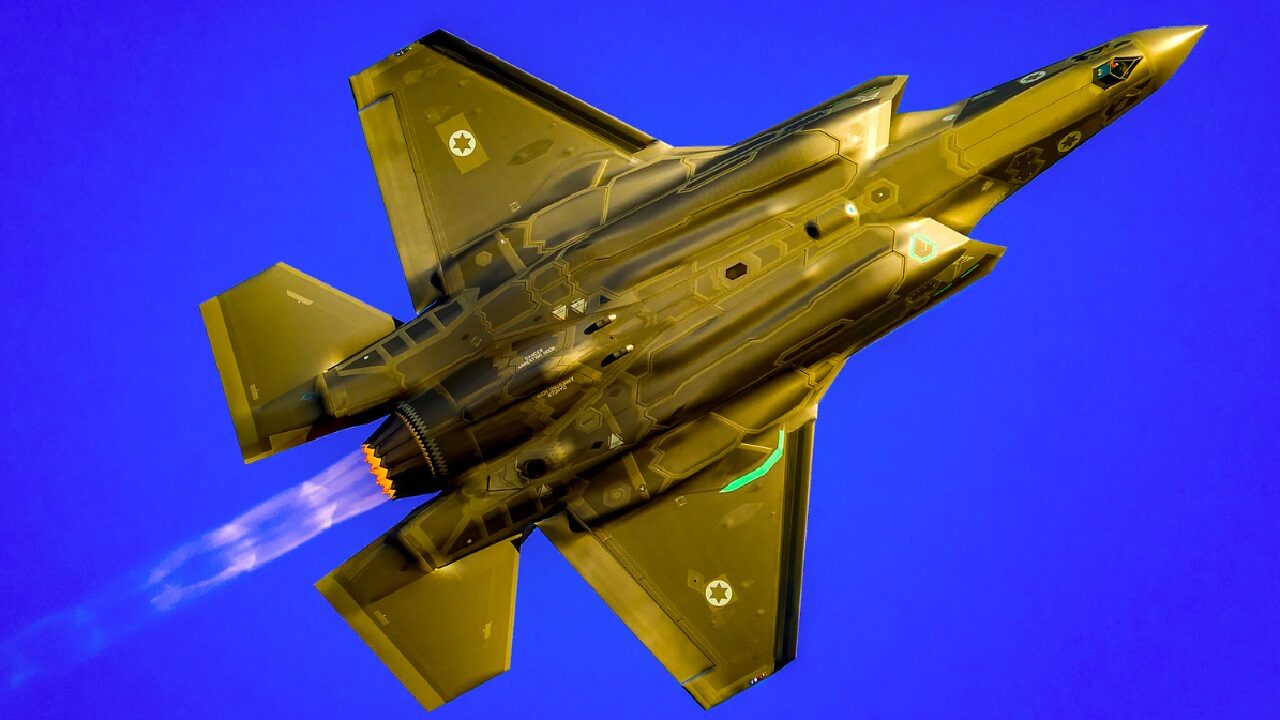
F-35I Adir. Image Credit: IDF Air Force.
Some of the same intelligence sources state that Beijing “is working to route the shipments through third countries to mask their true origin.”
The PRC is supplying Iran with air defense hardware and putting more allied air crews at risk, but moving these systems through other nations to provide a fig leaf of plausible deniability.
“What a shock,” as they say. But the real shock may be for the PLA – if the reports of this unidentified fighter do turn out to be accurate.
What the F-47 NGAD Could Look Like – A Rundown of the Mock Ups
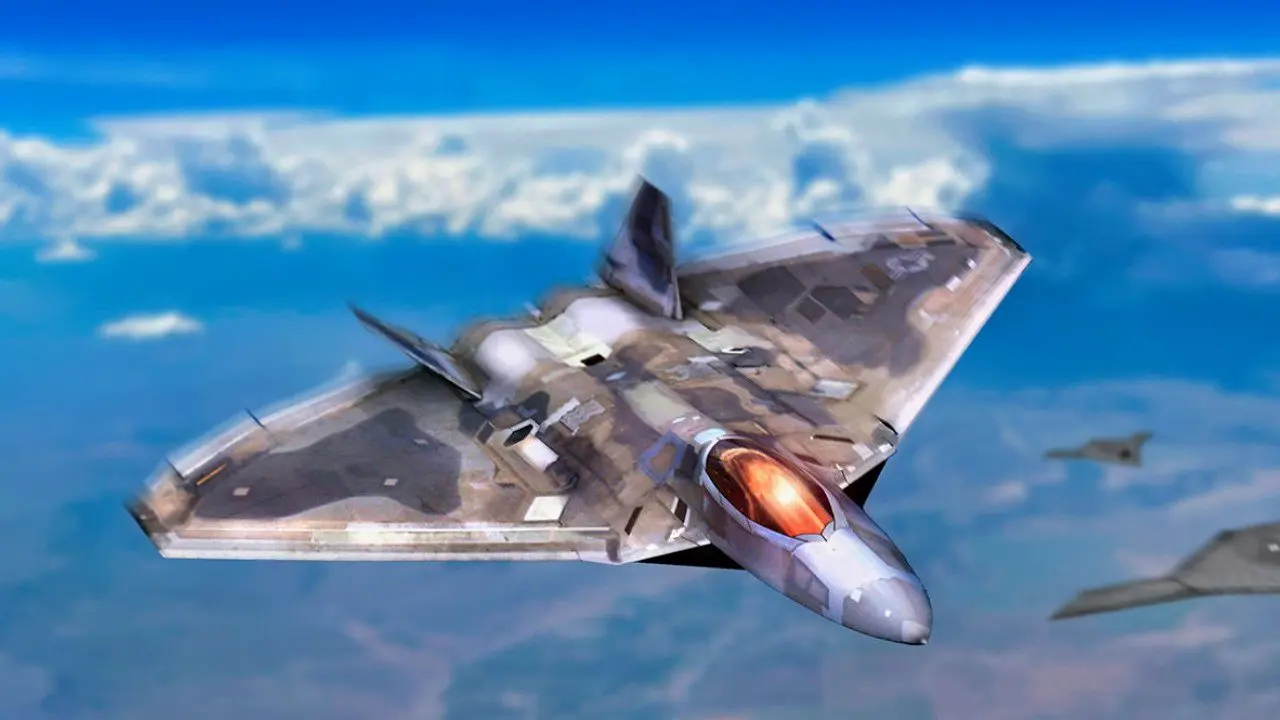
NGAD Fighter. Artist Rendering.
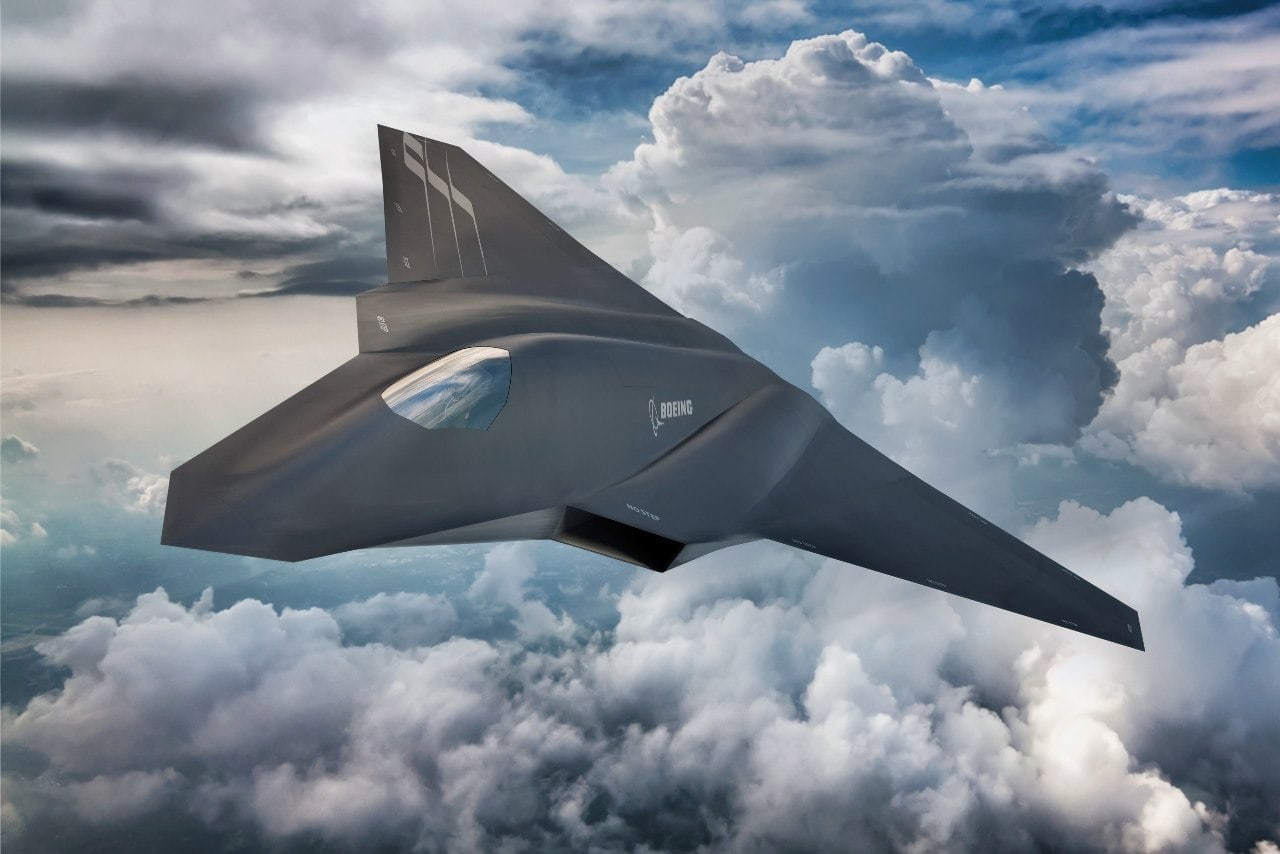
NGAD Fighter from Boeing.
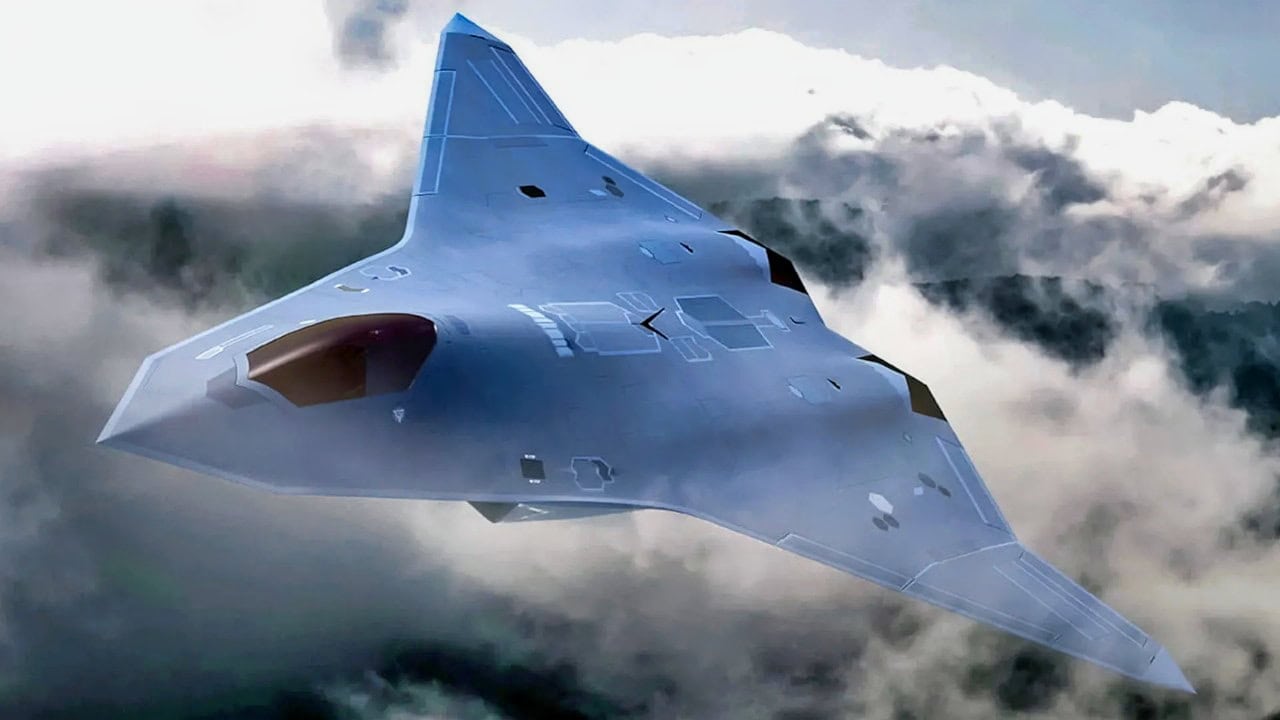
NGAD Fighter. Image Credit: Creative Commons.
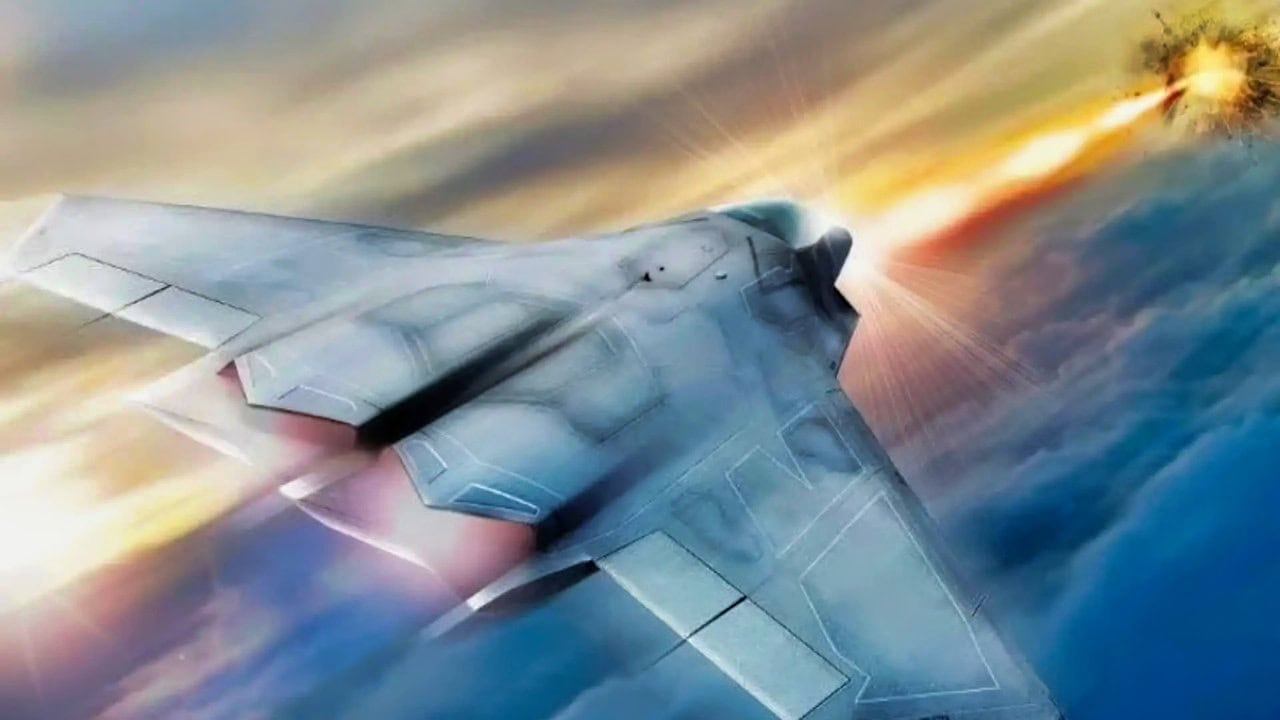
NGAD image. Image Credit: Creative Commons.

NGAD fighter from U.S. Air Force.
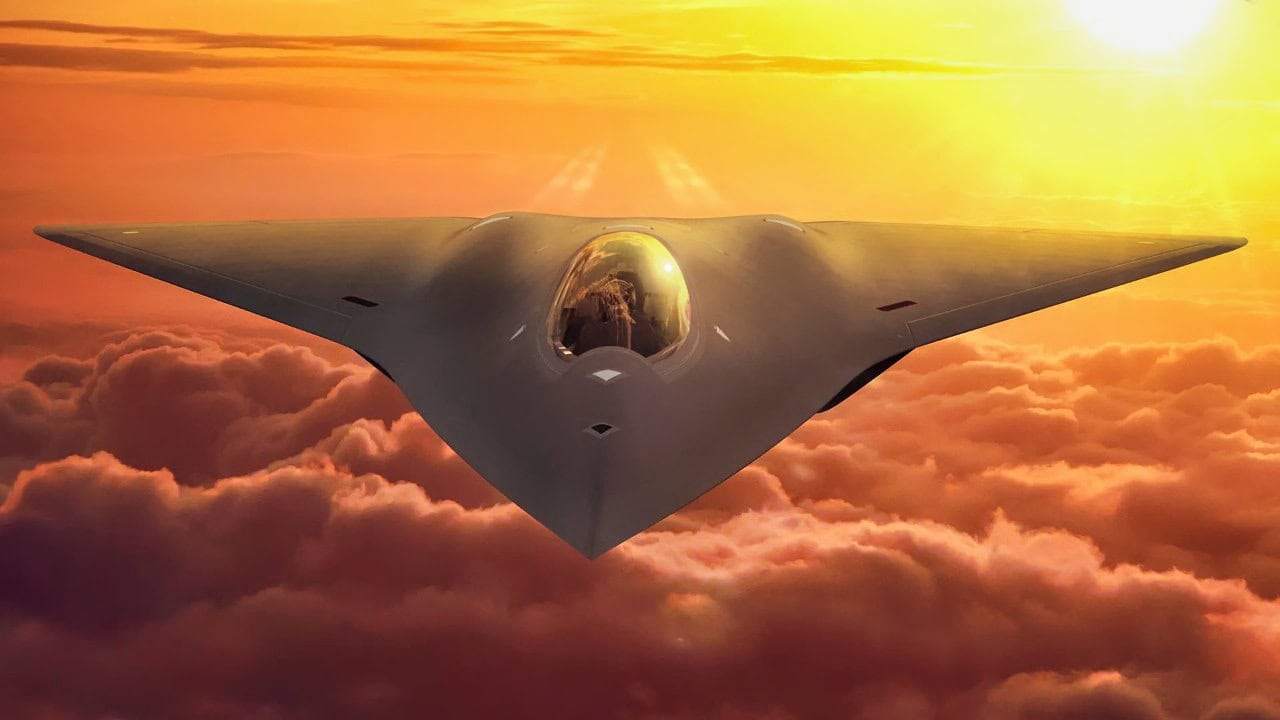
NGAD Fighter via Lockheed Martin.
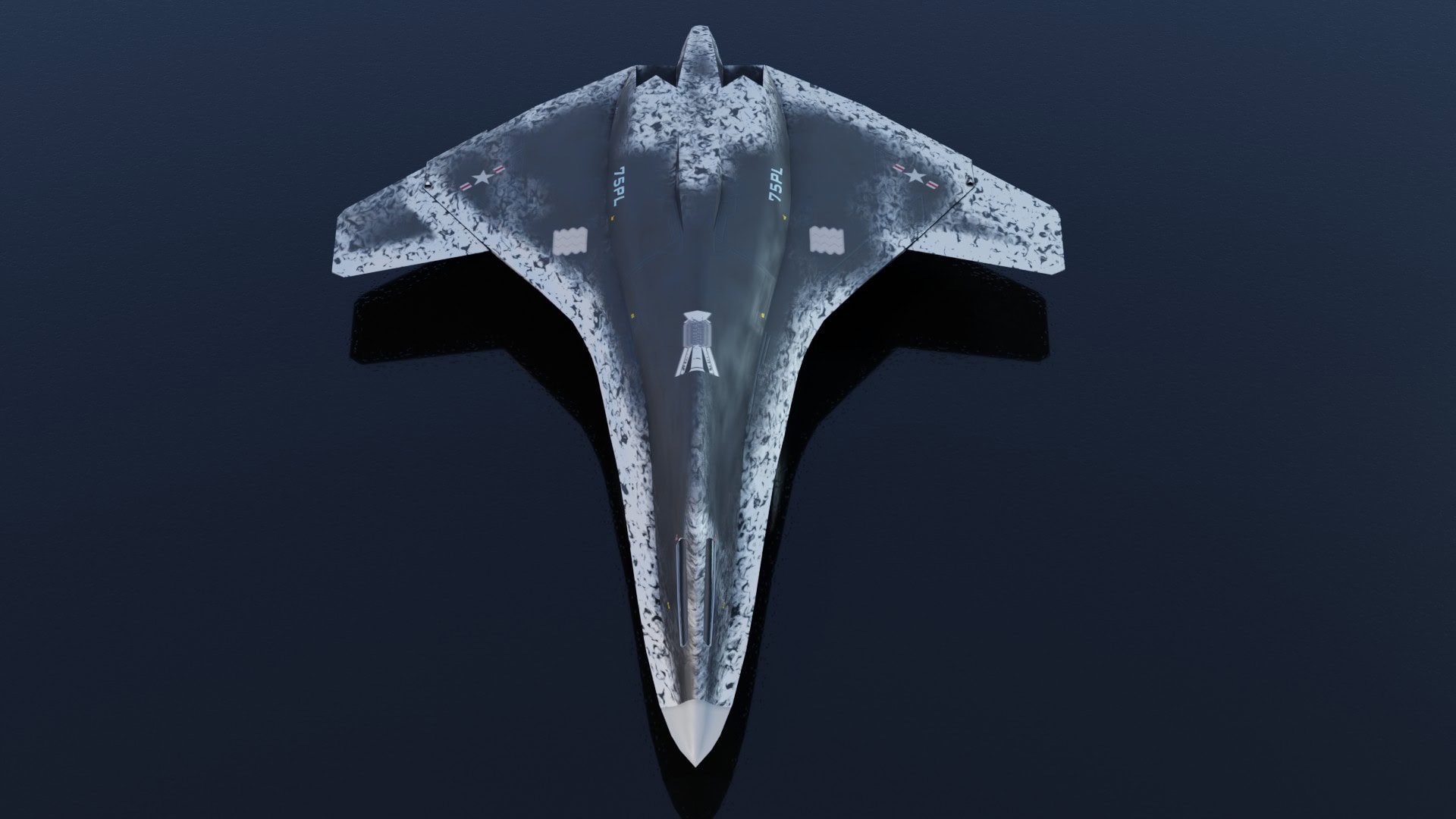
NGAD Fighter Mock Up. Image Credit: Creative Commons.
About the Author: Reuben F. Johnson
Reuben F. Johnson has thirty-six years of experience analyzing and reporting on foreign weapons systems, defense technologies, and international arms export policy. Johnson is the Director of Research at the Casimir Pulaski Foundation. He is also a survivor of the Russian invasion of Ukraine in February 2022. He worked for years in the American defense industry as a foreign technology analyst and later as a consultant for the U.S. Department of Defense, the Departments of the Navy and Air Force, and the governments of the United Kingdom and Australia. In 2022-2023, he won two awards in a row for his defense reporting. He holds a bachelor’s degree from DePauw University and a master’s degree from Miami University in Ohio, specializing in Soviet and Russian studies. He lives in Warsaw.