
Aerospace & Defense
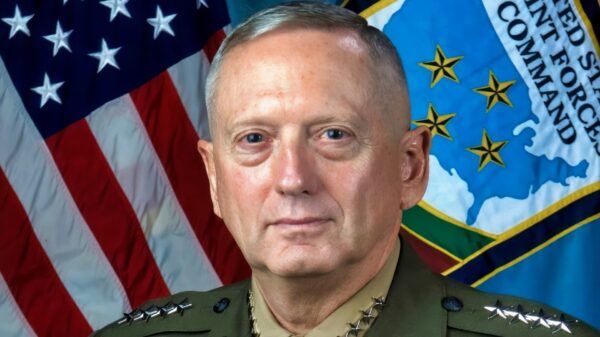
“By doing self-controlled acts, we come to be self-controlled, and by doing brave acts, we become brave.” Aristotle’s line runs through the career of...
Hi, what are you looking for?

“By doing self-controlled acts, we come to be self-controlled, and by doing brave acts, we become brave.” Aristotle’s line runs through the career of...
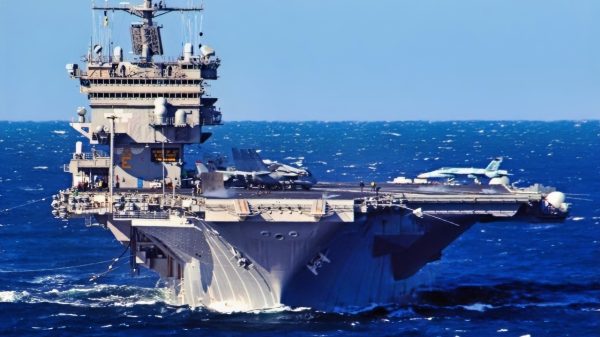
USS Enterprise, the world’s first nuclear-powered aircraft carrier, left service more than ten years ago and is still waiting to be dismantled. Submarines are...

The US Navy will keep USS Nimitz, its oldest aircraft carrier, in service until March 2027, a ten-month extension. Retiring the 1975 ship sooner...
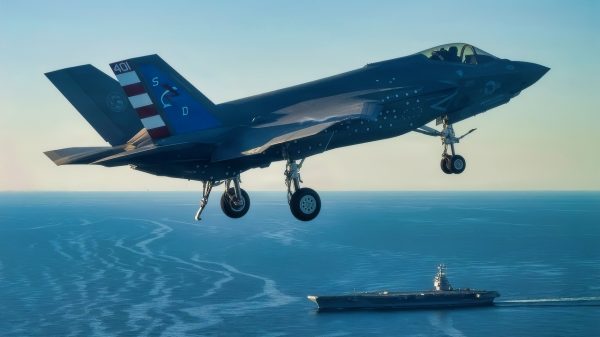
The Navy’s newest carrier class and its newest fighter did not fit. As built, USS Gerald R. Ford’s jet blast deflectors could not take...
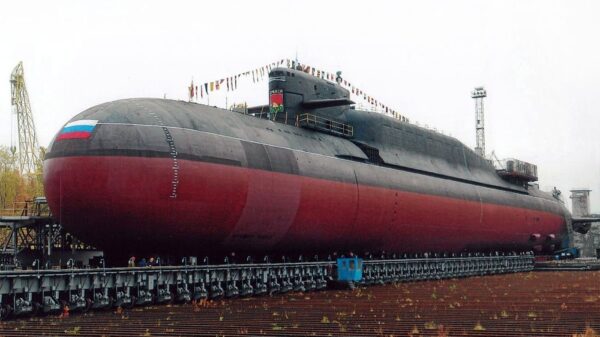
On March 20, 1993, the Sturgeon-class attack submarine USS Grayling was shadowing the Russian Delta IV ballistic missile submarine Novomoskovsk in the Barents Sea...
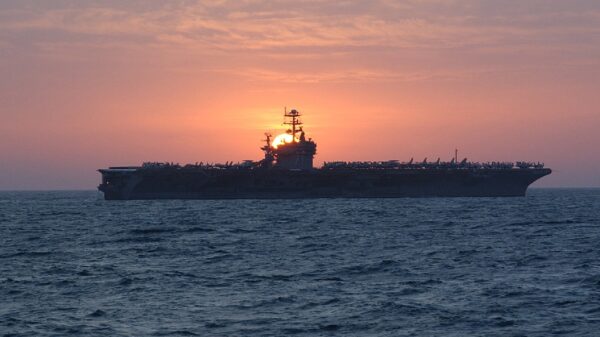

The collision between the USS John F. Kennedy and the guided-missile cruiser USS Belknap during maneuvers in the Mediterranean Sea is considered one of...
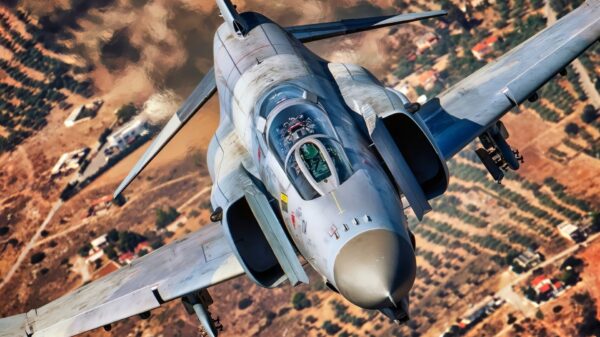
For F-4 Phantom crews, the saying went that two ejections ended a flying career, not as punishment but because the G-forces of the seat...


“War is very simple, direct, and ruthless. It takes a simple, direct, ruthless man to wage war.” George S. Patton Jr. earned the line...


“War is just like boxing. When you get an opponent on the ropes, you must keep punching the hell out of him and not...
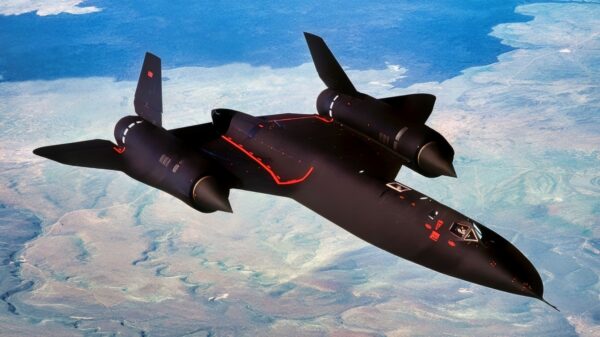
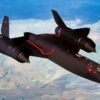
Every SR-71 “flaw” was a trade. Its 80-percent-titanium airframe stretched by inches at 2,000-plus mph, so 1960s sealants couldn’t hold the integral tanks shut...